

Understanding the unique behavioral and physical characteristics of female pitbull traits helps owners provide better guidance.
According to the American Society for Prevention of Cruelty to Animals (ASPCA), bully breed dogs often thrive when their unique behavioral inclinations are met with consistent, positive reinforcement. Decades of working professionally with terrier-type dogs reveal that female pitbulls frequently present a distinct behavioral profile compared to their male counterparts. Observing these dogs in clinical and training environments highlights a fascinating blend of fierce loyalty, high intelligence, and subtle emotional sensitivity. For anyone welcoming one of these canine companions into a household, recognizing these traits lays the foundation for a harmonious lifelong relationship. Owners frequently notice an intense desire to please, coupled with an independent streak that requires thoughtful, patient handling from puppyhood onward.
💡 Pet Care Key Takeaways:
- Core Focus: Practical health, nutrition, and wellness guidelines for Female Pitbull Traits.
- Target Scope: Pet owners, animal caregivers, and veterinary support staff.
- Best Recommendation: Maintain consistent daily routines and consult an accredited veterinarian before introducing major diet or medical changes.
Female pitbull traits encompass a specific combination of physical agility, emotional depth, and strong protective instincts shaped by selective breeding history.
The term pitbull is an umbrella designation often applied to several distinct breeds, including the American Pit Bull Terrier, the American Staffordshire Terrier, and their mixes. In clinical settings, female specimens of these breeds typically exhibit a slightly smaller stature and a more agile frame than males, alongside a reputation for hyper-vigilant observation of household dynamics. These dogs are natural problem solvers, frequently figuring out puzzle toys or opening doors with surprising ingenuity. Furthermore, their emotional depth means they form profound attachments to human family members, sometimes acting as constant shadows who track every movement around the home. Understanding this baseline helps owners differentiate normal breed-specific exuberance from distress or behavioral imbalances.
Behavioral development in these dogs is heavily influenced by early socialization and the management of natural hormonal cycles. Intact females may experience shifts in mood, energy levels, and territorial awareness during heat cycles, which can manifest as sudden clinginess or heightened reactivity toward unfamiliar dogs. In practice, seasoned handlers often observe that female bullies can display strong same-sex dog intolerance as they reach social maturity, making proactive management essential. Environmental enrichment, structured outlets for physical energy, and positive exposure to diverse stimuli are critical components of proper Dog Behavior management. Ignoring these developmental milestones can lead to avoidable reactivity, whereas addressing them early ensures a well-adjusted and confident adult companion.
Early socialization and positive exposure significantly reduce the likelihood of adult dog reactivity in bully breeds. — American Kennel Club (AKC)
Managing female pitbull traits effectively relies on clear communication, positive reinforcement, and consistent boundary setting.
Training a female pitbull demands firmness paired with absolute fairness, as harsh correction methods typically backfire by inducing fear or defensive aggression. Because these dogs possess immense physical strength and high drive, obedience training should begin early, focusing on impulse control exercises like ‘leave it’ and reliable recalls. Incorporating mental stimulation through scent work or agility training channels their natural athleticism into productive avenues. It is essential to monitor physical health regularly through routine visits focused on Dog Health, ensuring that underlying discomfort never masquerades as behavioral defiance. Building trust through predictable routines transforms high-energy enthusiasm into polished, polite manners.
Common training mistakes and best practices when working with female bully breeds involve avoiding punitive methods while establishing clear structure.
One frequent misstep owners make is assuming that physical dominance or punishment will correct stubbornness, which instead damages the fragile bond of trust between dog and handler. Instead, relying on rewards-based methodologies yields far superior results, reinforcing desirable actions immediately so the dog clearly understands expectations. Another oversight is neglecting adequate physical and mental exercise, which often results in destructive chewing or boredom-induced anxiety. Establishing predictable daily routines provides the psychological security these sensitive athletes crave. Furthermore, prioritizing proper nutrition tailored for active dogs supports longevity; consulting resources on Dog Nutrition helps ensure optimal physical condition.
Punitive, dominance-based training techniques frequently escalate fear and defensive aggression in dogs. — American Veterinary Medical Association (AVMA)
Pet Care & Wellness Overview Table
| Life Stage | Daily Activity Level | Key Nutrition / Care Focus |
|---|---|---|
| Puppy / Kitten | High (frequent short bursts) | High-protein growth diet & early socialization |
| Adult Companion | Moderate (30–60 mins daily) | Balanced maintenance nutrition & dental hygiene |
| Senior Pets | Low to Gentle (mindful walks) | Joint support (Glucosamine) & routine vet checks |
Images References

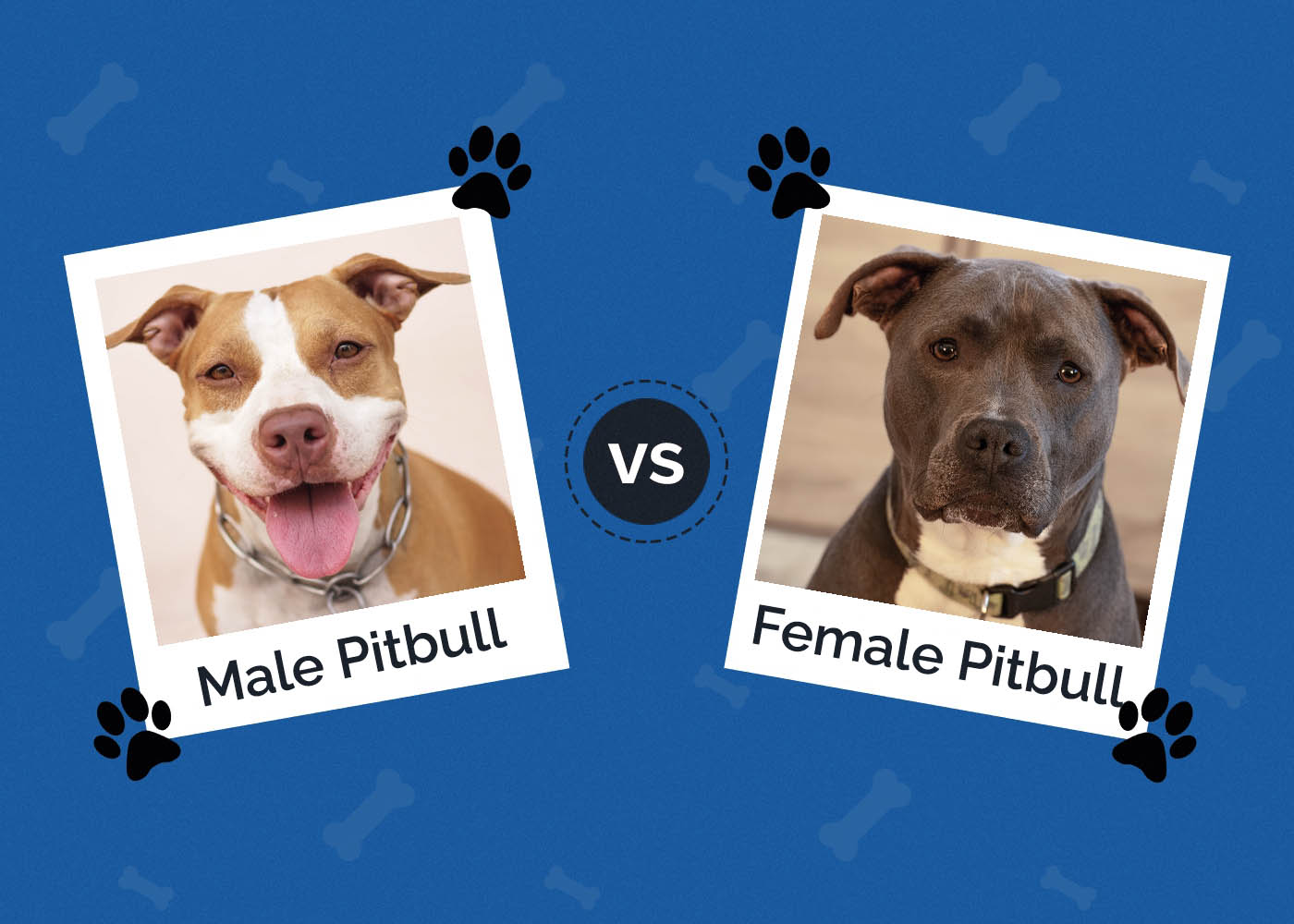

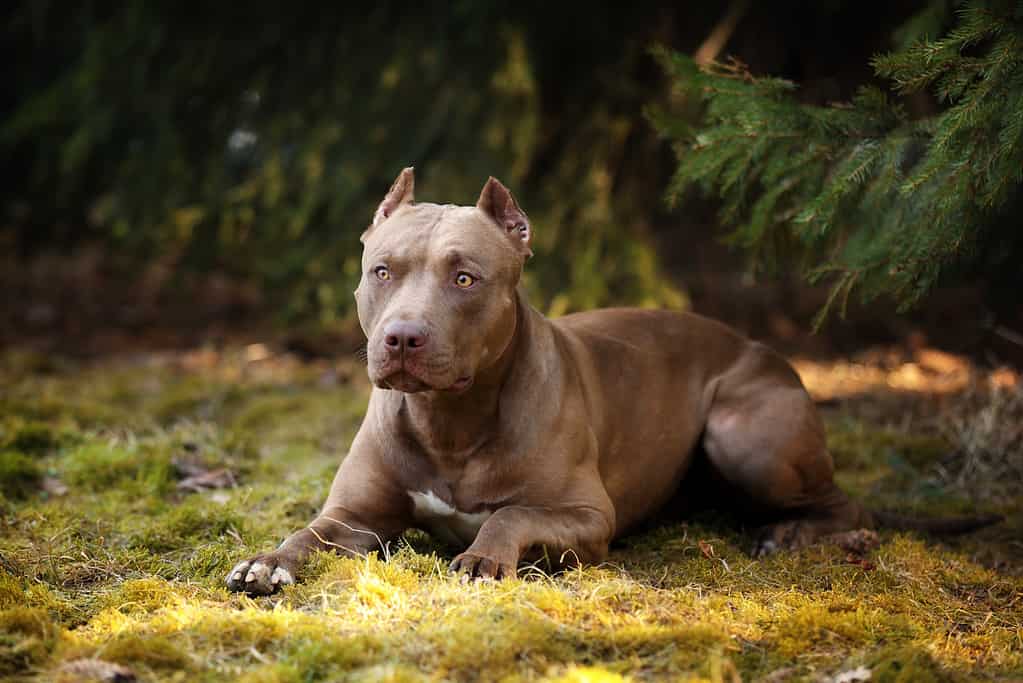


Individual temperament variations among female pitbulls are heavily influenced by genetics, age, and individual life experiences.
While breed generalizations offer a helpful framework, every dog remains an individual shaped by unique genetic predispositions and life history. Younger females often display boundless energy and a tendency to test boundaries, whereas mature adults tend to settle into a calmer, more dignified demeanor. Prospective owners exploring various Dog Breeds should recognize that bully-type dogs require dedicated human engagement rather than functioning as yard ornaments. Evaluating the specific lineage, parental temperaments, and early rescue backgrounds provides invaluable insight into how a particular puppy or adult dog will mature within a domestic setting.
Professional guidance from a certified behaviorist or veterinarian becomes necessary when behavioral challenges exceed standard household management.
When behavioral concerns such as sudden aggression, severe separation anxiety, or escalating fear manifest, seeking expert intervention without delay is vital. A veterinary professional must first rule out any underlying medical causes for sudden behavioral shifts, as pain or hormonal imbalances frequently alter canine conduct. For severe behavioral modifications, partnering with a certified professional trainer ensures safe, science-based rehabilitation protocols. General education serves as a strong starting point, but individualized professional guidance protects both the human-animal bond and community safety, aligning with comprehensive Dog Care principles.
Embracing the rewarding journey of raising a female pitbull enriches the lives of both the animal and the human family.
In summary, understanding the multifaceted nature of female pitbull traits allows owners to cultivate confident, loyal, and well-behaved companions. By combining patience, structured training, and attentive healthcare, households unlock the extraordinary potential hidden within these magnificent dogs. Continuing to learn through trusted resources on PetsAnimalsWorld.com empowers pet parents to provide exceptional, informed care every single day.


