Introduction
Colitis in dogs is an inflammatory condition affecting the colon, the large intestine. This inflammation can lead to a range of uncomfortable digestive symptoms, significantly impacting a dogs comfort and overall quality of life. For many canine companions experiencing colitis, dietary management plays a pivotal role in alleviating symptoms and promoting gut health. Understanding the specific nutritional needs and appropriate food choices for dogs with colitis is therefore essential for owners seeking to improve their pet’s well-being and provide effective supportive care. This article explores how thoughtful dietary adjustments can contribute positively to managing this challenging condition. Explore more in our Dog Nutrition collection.
💡 Pet Care Key Takeaways:
- Core Focus: Practical health, nutrition, and wellness guidelines for Food For Dogs With Colitis.
- Target Scope: Pet owners, animal caregivers, and veterinary support staff.
- Best Recommendation: Maintain consistent daily routines and consult an accredited veterinarian before introducing major diet or medical changes.
Common Causes and Key Factors
The origins of canine colitis can be diverse, encompassing factors such as stress, parasitic infections, bacterial imbalances, and immune-mediated diseases like inflammatory bowel disease (IBD). However, dietary components frequently emerge as significant contributors or aggravators of the condition. Sudden changes in a dog’s diet, for instance, can upset the delicate balance of the gut microbiome, leading to inflammation. Furthermore, food allergies or intolerances to specific ingredients, such as certain proteins, grains, or artificial additives, are common culprits. Consumption of poor-quality ingredients that are difficult to digest can also irritate the colon. Environmental factors and underlying health issues can predispose a dog to developing colitis, but inappropriate nutrition often exacerbates the inflammatory response within the digestive tract, making food a critical consideration in management. For more related activities, check out our Tibetan Mastiff Food Aggression.
Signs and Symptoms to Observe
Dogs with colitis typically exhibit a range of digestive disturbances that can vary in severity. The most prominent sign is diarrhea, which may be characterized by an increased frequency of bowel movements, often containing mucus or streaks of fresh blood. Affected dogs may also display tenesmus, which is straining or difficulty during defecation, giving the impression of constipation even when passing loose stools. Other observable indicators can include general abdominal discomfort, which might manifest as a hunched posture or sensitivity to touch around the abdomen. In more severe or prolonged cases, a dog might show reduced appetite, lethargy, or even weight loss. It is important to note that these signs can fluctuate, appearing intermittently or becoming chronic over time, and their presentation may not differ significantly across various breeds or age groups, though young puppies and senior dogs might be more vulnerable to dehydration and secondary complications. Discover more free resources across our collection library.
Practical Solutions and Management Strategies
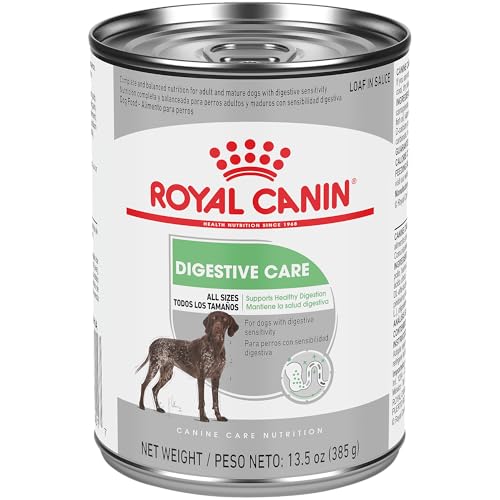
Managing colitis often centers on implementing specific dietary modifications designed to reduce inflammation and promote gut healing. A primary strategy involves feeding highly digestible diets that minimize the workload on the digestive system. These diets typically feature easily assimilated protein sources, moderate fat content, and often incorporate specific types of fiber. Soluble fiber, found in ingredients like psyllium, pumpkin, or beet pulp, can be particularly beneficial, as it helps regulate stool consistency and nourishes beneficial gut bacteria.
For dogs suspected of having food sensitivities, novel protein dietsfeaturing protein sources the dog has not previously consumed, such as venison, duck, or kangarooor hydrolyzed protein diets, where proteins are broken down into tiny molecules too small to trigger an immune response, can be highly effective. Limited ingredient diets also serve to reduce the number of potential allergens a dog is exposed to.
Temporary bland diets consisting of boiled chicken or turkey breast with plain white rice or cooked sweet potato can provide a gentle, easily digestible option during acute flare-ups. Supplementation with probiotics and prebiotics can help restore a healthy balance of gut flora, further supporting digestive function. Feeding smaller, more frequent meals throughout the day can also reduce the digestive load and alleviate symptoms. Crucially, any changes to a dog’s diet should be introduced gradually over several days to avoid further gastrointestinal upset. It is also important to ensure a constant supply of fresh water, especially during episodes of diarrhea, to prevent dehydration. Owners should avoid feeding table scraps, fatty foods, or any known allergens.
When Professional Help May Be Needed
While dietary adjustments can be highly effective in managing many cases of colitis, there are circumstances where professional veterinary intervention is essential. Owners should seek veterinary consultation if symptoms of colitis are severe, persistent, or worsening despite initial dietary changes. Signs such as significant blood in the stool, extreme lethargy, pronounced abdominal pain, recurrent vomiting, or noticeable weight loss warrant immediate professional assessment. These symptoms could indicate more serious underlying conditions, including severe infections, parasites, or inflammatory bowel disease that requires specific medical treatment. A veterinarian can accurately diagnose the cause of colitis through various tests, recommend prescription diets tailored to individual needs, and prescribe medications such as anti-inflammatories or antibiotics if necessary. Early and accurate diagnosis is critical for effective management and preventing potential long-term complications.
Conclusion
Understanding the profound impact of diet on canine digestive health is fundamental for any dog owner dealing with colitis. Appropriate food for dogs with colitis forms the cornerstone of management, often leading to significant improvements in symptoms and overall well-being. By focusing on highly digestible, tailored diets, utilizing novel or hydrolyzed proteins when indicated, and incorporating beneficial supplements, owners can play a crucial role in alleviating their dog’s discomfort. Consistent observation of symptoms and proactive collaboration with a veterinarian are key to developing the most effective dietary and medical plan. Through attentive care and informed nutritional choices, dogs with colitis can achieve a much-improved quality of life, affirming the petsanimalsworld.com commitment to enhancing the health and happiness of canine companions.
Pet Care & Wellness Overview Table
| Life Stage | Daily Activity Level | Key Nutrition / Care Focus |
|---|---|---|
| Puppy / Kitten | High (frequent short bursts) | High-protein growth diet & early socialization |
| Adult Companion | Moderate (30–60 mins daily) | Balanced maintenance nutrition & dental hygiene |
| Senior Pets | Low to Gentle (mindful walks) | Joint support (Glucosamine) & routine vet checks |
Images References