
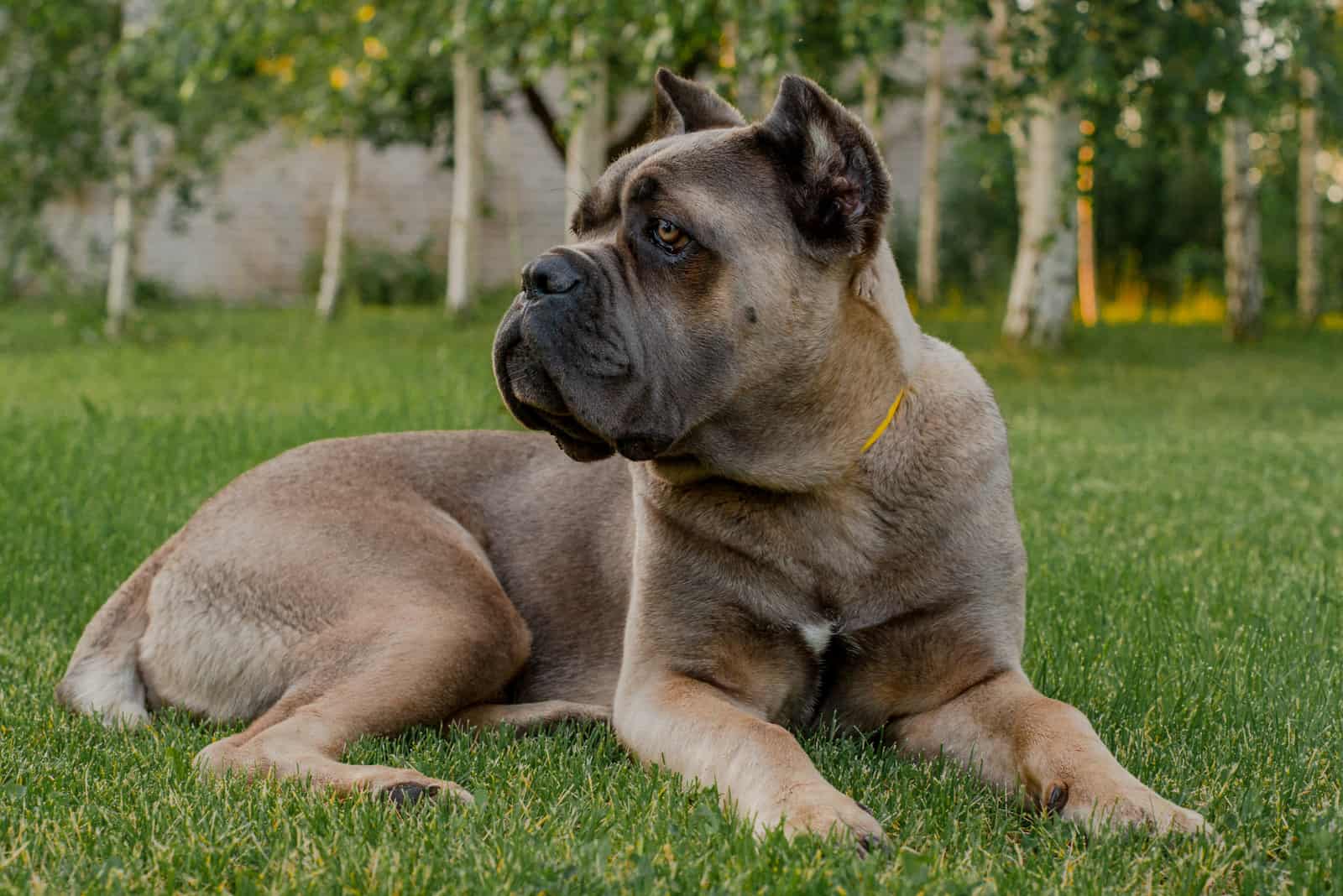
Understanding the Magnificent Formentino Mastiff and Its Place in the Canine World
According to the American Kennel Club, large guard-type companion breeds require deliberate socialization and structured guidance during their formative developmental months. Bringing a formidable canine companion into a household is a decision that shapes daily routines, living spaces, and long-term commitments. Among the various majestic guardian types, the formentino mastiff stands out due to its striking appearance, powerful build, and deep historical roots. Examining this unique coat color variation and physical type reveals a magnificent animal possessing both imposing physical strength and profound loyalty. Professional handlers frequently observe that these dogs maintain an intensely watchful presence over their home environments, noticing even the most subtle changes in ambient sounds and household routines.
💡 Pet Care Key Takeaways:
- Core Focus: Practical health, nutrition, and wellness guidelines for Formentino Mastiff.
- Target Scope: Pet owners, animal caregivers, and veterinary support staff.
- Best Recommendation: Maintain consistent daily routines and consult an accredited veterinarian before introducing major diet or medical changes.
The formentino mastiff is a distinct fawn-coated color variation found within the Italian Molosser lineage known as the Cane Corso.
Delving into the background of this specific variant requires looking at the broader Cane Corso breed, an ancient Italian Molosser—a category of robust, heavy-boned dogs with ancient roots tracing back to Roman war dogs. The term “formentino” specifically describes a delicate, muted fawn or blue-fawn coat color, often characterized by a distinctive gray or slate-colored mask that matches the pigment of the nose and eyes. Unlike standard black or dark brindle coats, this lighter coloration highlights the muscular contours and powerful bone structure typical of well-bred specimens. Enthusiasts and breed preservationists value this genetic expression for its distinct aesthetic, which bridges the gap between traditional working heritage and refined modern companion traits. For more related activities, check out our 6Month Shitzu Maturing.
Physical care and proper structural support are essential for managing the growth and long-term vitality of large Molosser breeds.
Maintaining the health of a powerful guardian requires strict attention to joint development, balanced nutrition, and appropriate exercise regimens. Rapid skeletal growth during puppyhood can predispose giant breeds to orthopedic challenges, making it vital to avoid excessive high-impact jumping or forced running until growth plates fully close. Furthermore, deep-chested anatomy makes this lineage vulnerable to gastric torsion, a dangerous medical emergency that necessitates careful feeding practices, such as splitting daily rations into multiple smaller meals and avoiding vigorous activity immediately after eating. Professional veterinary assessments during routine wellness checks ensure that any early signs of hip or elbow dysplasia are caught and managed proactively through tailored supplementation and weight control.
Large and giant dog breeds require specialized puppy formulations with controlled calcium and phosphorus ratios to support proper skeletal development — American Kennel Club
Channeling the natural guard tendencies of this powerful working dog into positive behaviors requires consistent, positive-reinforcement-based guidance from an early age. Because these dogs possess an innate desire to protect their family unit, exposing them to diverse environments, strangers, and other animals safely prevents unwarranted suspicion or reactivity. Owners must establish clear leadership through predictable routines and reward-based instruction rather than outdated dominance theories, which can damage trust and provoke defensive reactions. Practical experience shows that a well-socialized guardian remains calm and discerning in public settings, accurately distinguishing between normal neighborhood activity and genuine threats.
Key management practices and common oversight mistakes to avoid with giant guardian dogs
Preventing behavioral issues relies heavily on avoiding isolation and under-stimulation, as intelligent working dogs can develop destructive habits or excessive territoriality when left alone in a yard without mental enrichment. Owners must avoid harsh physical corrections, as these methods can escalate fear and trigger defensive aggression in powerful breeds. Instead, invest time in daily obedience drills, puzzle toys, and structured walks that engage both the mind and body. Establishing reliable commands like “leave it” and “place” provides indispensable management tools for controlling a large animal safely in high-distraction environments.
Positive reinforcement training methods are proven to be more effective and strengthen the human-animal bond significantly compared to aversive techniques — American Society for the Prevention of Cruelty to Animals
Pet Care & Wellness Overview Table
| Life Stage | Daily Activity Level | Key Nutrition / Care Focus |
|---|---|---|
| Puppy / Kitten | High (frequent short bursts) | High-protein growth diet & early socialization |
| Adult Companion | Moderate (30–60 mins daily) | Balanced maintenance nutrition & dental hygiene |
| Senior Pets | Low to Gentle (mindful walks) | Joint support (Glucosamine) & routine vet checks |
Images References


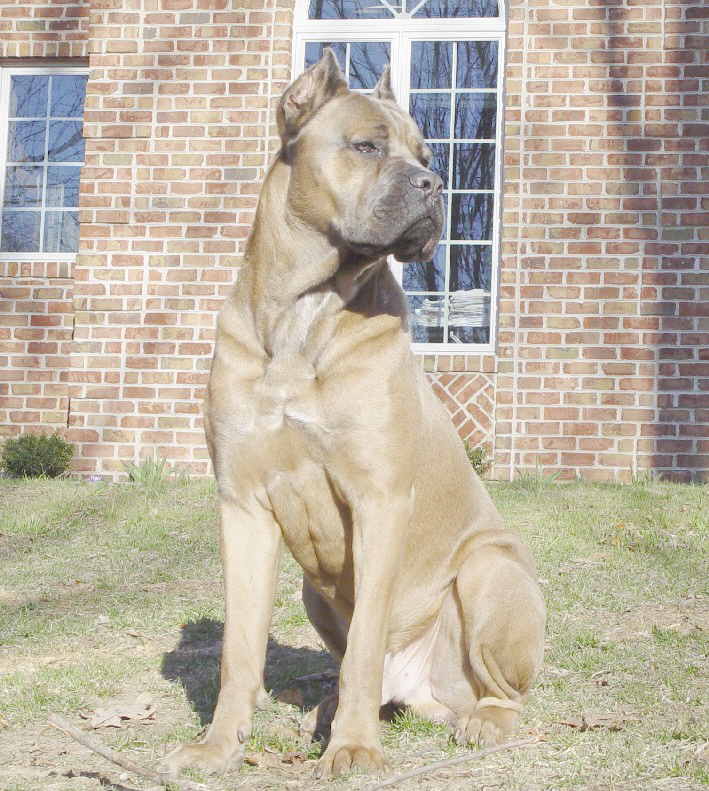


Temperament, physical maturity, and household compatibility define what living with this imposing canine entails.
Evaluating temperament reveals an animal that is fiercely loyal and affectionate with family members yet inherently reserved around unfamiliar people and animals. These dogs typically mature slowly, retaining puppy-like exuberance in a massive body well past their first birthday, which requires patience from everyone in the household. Their high emotional intelligence means they tune into household stress and emotional atmospheres, often acting as a comforting yet vigilant presence. Accommodating their physical size requires sturdy fencing, durable bedding, and ample indoor space to prevent crowding or accidental injury during play.
Consulting a qualified veterinarian or certified behaviorist is necessary when addressing sudden health changes or complex behavioral issues.
Recognizing the limits of at-home care ensures that medical conditions and behavioral challenges receive professional intervention before escalating into severe problems. Any sudden shifts in temperament, reluctance to move, persistent limping, or drastic changes in appetite warrant an immediate veterinary evaluation to rule out underlying pain or metabolic disease. Similarly, if protective behaviors manifest as fear-based reactivity or aggression toward guests, partnering with a certified professional behaviorist using force-free methodologies provides a safe pathway toward modification and family safety.




