

Introduction
Fortiflora K9 represents a significant topic for dog owners seeking to enhance their canine companion’s digestive health. This specific probiotic supplement, often recommended by veterinarians, is designed to support a dog’s gastrointestinal balance. Understanding Fortiflora K9 involves recognizing the crucial role of beneficial bacteria within a dog’s gut, known collectively as the gut microbiome. When this delicate balance is disrupted, a dog can experience various digestive upsets, impacting overall health and comfort. Situations such as stress, dietary changes, antibiotic use, or underlying health issues frequently lead to such imbalances. By comprehending the function and application of Fortiflora K9, dog owners can gain valuable insight into managing and improving their dog’s digestive well-being, which often translates to better nutrient absorption, a stronger immune system, and an improved quality of life.
💡 Pet Care Key Takeaways:
- Core Focus: Practical health, nutrition, and wellness guidelines for Fortiflora K9.
- Target Scope: Pet owners, animal caregivers, and veterinary support staff.
- Best Recommendation: Maintain consistent daily routines and consult an accredited veterinarian before introducing major diet or medical changes.
Common Causes and Key Factors
Several factors can disrupt a dog’s gut microbiome, leading to a need for probiotic supplementation like Fortiflora K9. One primary cause is digestive upset, manifesting as acute or chronic diarrhea, soft stools, or occasional constipation. These issues can stem from dietary indiscretions, food sensitivities, or gastrointestinal infections. Another significant factor is stress. Dogs can experience stress from various situations, including travel, boarding, moving to a new home, veterinary visits, or the introduction of new pets or family members. Stress hormones can directly impact gut motility and bacterial balance. For more related activities, check out our Tibetan Mastiff Food Aggression.
The administration of antibiotics is a common and impactful cause of gut flora imbalance. While essential for fighting bacterial infections, antibiotics can indiscriminately destroy beneficial gut bacteria alongside harmful ones, often leading to post-antibiotic diarrhea. Furthermore, sudden or frequent dietary changes, such as switching food brands or introducing new ingredients, can overwhelm a dog’s digestive system, resulting in temporary imbalances. Even a dog’s age can play a role; puppies developing their gut flora and senior dogs with potentially less resilient digestive systems may be more susceptible to disruptions.
Signs and Symptoms to Observe
Recognizing the signs that a dog might benefit from a probiotic supplement like Fortiflora K9 involves careful observation of several indicators related to digestive health and overall well-being. The most prominent signs often revolve around stool quality. Changes such as loose stools, watery diarrhea, or an increase in stool frequency and volume are clear indications of digestive distress. Conversely, persistent constipation or straining during defecation can also signal an imbalance.
Beyond stool consistency, other observable symptoms include excessive gas or flatulence, abdominal discomfort indicated by restlessness, a hunched posture, or reluctance to be touched on the abdomen. Occasional vomiting or regurgitation, while not exclusively digestive, can sometimes accompany a broader gastrointestinal upset. A dog’s appetite may also fluctuate, showing a decrease in food interest or even complete refusal to eat. In some instances, a dull coat, dry skin, or a lack of vitality can indirectly point to poor nutrient absorption due to an unhealthy gut, though these signs warrant a thorough veterinary examination to rule out other underlying conditions.
Practical Solutions and Management Strategies
Implementing Fortiflora K9 into a dog’s routine is a straightforward process, typically involving simple administration. The supplement usually comes in individual sachets containing a palatable powder that can be sprinkled directly onto a dog’s regular food. It is generally well-accepted by most dogs due to its appealing taste. Adhering strictly to the manufacturer’s recommended dosage is crucial, as this ensures the correct concentration of beneficial bacteria is provided without exceeding safe levels. Consistency in administration, especially during periods of stress, antibiotic treatment, or digestive upset, can significantly contribute to re-establishing and maintaining a healthy gut microbiome.
Beyond supplementation, several complementary management strategies can support a dog’s digestive health. Providing a high-quality, balanced diet appropriate for the dog’s age, breed, and activity level is fundamental. Ensuring access to fresh, clean water at all times promotes hydration, which is vital for proper digestive function. Minimizing stressors in a dog’s environment through consistent routines, adequate exercise, and safe social interactions can also prevent stress-induced gut issues. When introducing new foods, a gradual transition over several days helps the digestive system adjust smoothly, reducing the likelihood of upset. Regular veterinary check-ups are also important to monitor overall health and address any emerging issues promptly.
When Professional Help May Be Needed
While Fortiflora K9 can be a highly beneficial supplement for supporting canine digestive health, there are specific situations when consulting a veterinary professional becomes imperative. If a dog’s digestive issues, such as diarrhea or vomiting, persist for more than 24-48 hours despite the use of probiotics, or if they worsen, immediate veterinary attention is warranted. The presence of blood in the stool, whether bright red or dark and tarry, or severe, projectile vomiting, constitutes an emergency and requires urgent medical evaluation.
Other concerning signs that necessitate a veterinary visit include profound lethargy, loss of appetite, unexplained weight loss, fever, or any indication of severe abdominal pain or discomfort. Before initiating Fortiflora K9, especially if a dog has pre-existing health conditions, is taking other medications, or is a very young puppy or a senior dog, a veterinarian should be consulted. This ensures that the supplement is appropriate for the individual dog’s needs and that its digestive issues are not symptomatic of a more serious underlying illness that requires specific diagnosis and treatment beyond probiotic support.
Conclusion
Fortiflora K9 plays a valuable role in supporting canine digestive health by helping to maintain a balanced gut microbiome. Recognizing the common factors that can disrupt a dog’s digestive systemsuch as stress, antibiotic use, and dietary changesempowers dog owners to be proactive in their pet’s care. Careful observation of signs like changes in stool quality, appetite fluctuations, or abdominal discomfort can indicate a need for such supplementation. By understanding appropriate administration and combining it with sound nutritional practices and stress management, dog owners can significantly contribute to their dog’s well-being. Always maintaining open communication with a veterinarian and seeking professional guidance for persistent or severe symptoms ensures comprehensive and responsible care, ultimately leading to a healthier and happier life for canine companions.
Pet Care & Wellness Overview Table
| Life Stage | Daily Activity Level | Key Nutrition / Care Focus |
|---|---|---|
| Puppy / Kitten | High (frequent short bursts) | High-protein growth diet & early socialization |
| Adult Companion | Moderate (30–60 mins daily) | Balanced maintenance nutrition & dental hygiene |
| Senior Pets | Low to Gentle (mindful walks) | Joint support (Glucosamine) & routine vet checks |
Images References


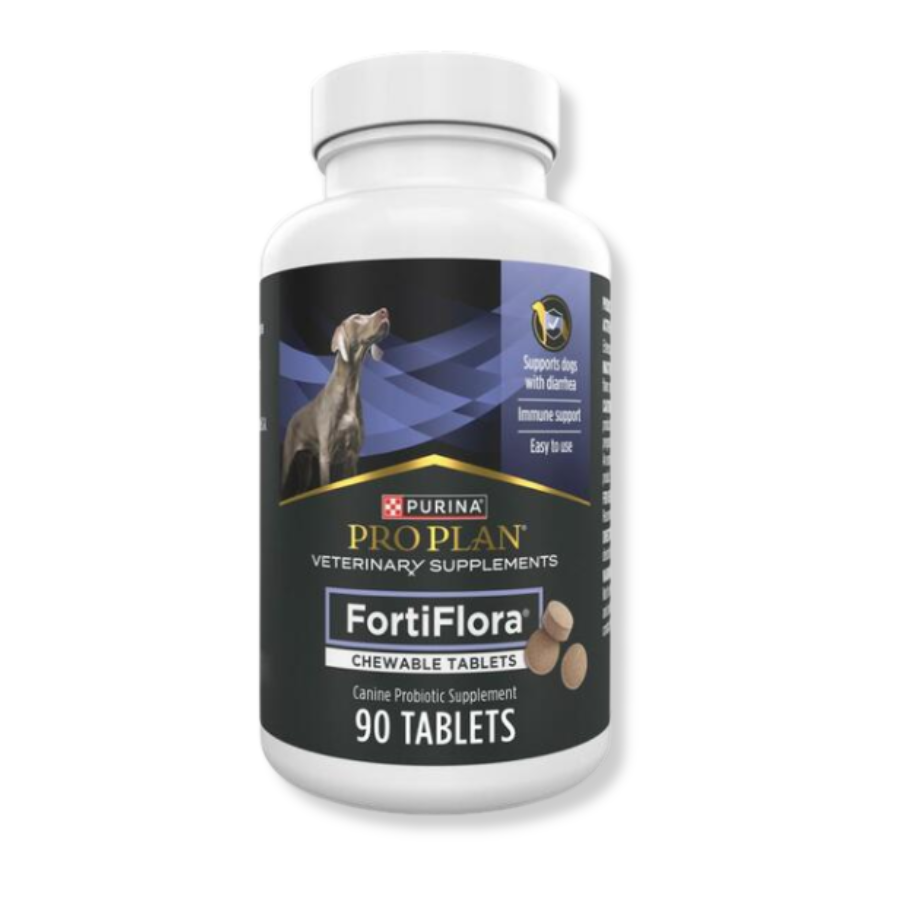
For more expert pet care tips and advice, check out our dedicated Dog Nutrition guides to keep your companions healthy and happy.




