

Introduction
Maintaining “fresh dental for dogs” represents a cornerstone of responsible canine care, encompassing all practices aimed at preserving optimal oral hygiene and preventing dental disease. This crucial aspect of health often refers to the condition of a dog’s mouth, particularly the absence of foul breath, plaque, and tartar buildup, which are common indicators of underlying issues. Dental problems frequently emerge due to neglect of regular oral care, leading to a cascade of health concerns from discomfort and pain to systemic illnesses. A thorough understanding of canine dental health empowers dog owners to implement proactive strategies, thereby significantly improving a dog’s overall well-being, comfort, and quality of life. By addressing dental needs, the potential for pain-related behavioral changes diminishes, fostering a happier, healthier companion.
💡 Pet Care Key Takeaways:
- Core Focus: Practical health, nutrition, and wellness guidelines for Fresh Dental For Dogs.
- Target Scope: Pet owners, animal caregivers, and veterinary support staff.
- Best Recommendation: Maintain consistent daily routines and consult an accredited veterinarian before introducing major diet or medical changes.
Common Causes and Key Factors
The primary culprit behind a lack of “fresh dental for dogs” is the insidious accumulation of plaque and tartar. Plaque, a sticky film of bacteria, saliva, and food particles, constantly forms on teeth. If not removed, it hardens into tartar, a calcified deposit that adheres firmly to the tooth surface, often extending below the gum line. This accumulation is exacerbated by several contributing factors. For more related activities, check out our Signs Of A Deaf Dog Behavior Problems And Solutions.
Diet plays a significant role; a diet consisting primarily of soft, wet foods can contribute more readily to plaque formation compared to a balanced diet that includes appropriate crunchy elements or dental-specific kibble. However, it is important to note that kibble alone is not sufficient for comprehensive dental care. Another critical factor is the absence of a consistent oral hygiene routine. Without regular brushing or other dental interventions, plaque and tartar build up unchecked.
Genetic predispositions and breed characteristics also influence dental health. Smaller breeds and those with brachycephalic (short-nosed) features often have crowded teeth, creating more surfaces and crevices for plaque to accumulate and making effective cleaning more challenging. Age is another consideration, as older dogs naturally tend to accumulate more plaque and tartar over time. Insufficient chewing on appropriate dental toys or chews further contributes to poor oral health, as these items can help mechanically scrape away plaque.
Signs and Symptoms to Observe
Observing a dog for signs related to dental health is essential for early intervention and maintaining “fresh dental for dogs.” The most recognizable symptom is halitosis, or persistently bad breath, which often indicates bacterial overgrowth. Another clear sign involves changes in the gums: redness, swelling, or bleeding are indicators of gingivitis, the initial stage of periodontal disease. As dental disease progresses, visible yellow or brown tartar deposits become apparent on the teeth, particularly along the gum line.
Behavioral indicators can also signal dental pain or discomfort. A dog might exhibit difficulty eating, such as dropping food, chewing only on one side of the mouth, or showing reluctance to eat hard kibble. Pawing at the mouth or excessive licking of the muzzle can be direct signs of irritation or pain. Increased drooling or drooling that appears thicker than usual may also suggest an issue. In advanced stages, loose, missing, or broken teeth might be observed, alongside more general signs like lethargy, irritability, or a decreased interest in play, all potentially stemming from chronic pain. These signs can vary; for instance, older dogs or those with severe dental disease may show more pronounced behavioral changes.
Practical Solutions and Management Strategies
Achieving and maintaining “fresh dental for dogs” requires a multi-faceted approach incorporating both routine home care and strategic dietary or supplementary interventions. The cornerstone of effective dental hygiene is daily tooth brushing using a dog-specific toothbrush and enzymatic toothpaste. Regular brushing mechanically removes plaque before it can harden into tartar, significantly contributing to fresh breath and healthy gums.
Supplementing brushing with dental chews and toys can be highly beneficial. These products are often designed with specific textures or ingredients to help reduce plaque and tartar buildup through abrasive action. Selecting appropriate sizes and hardness levels is crucial to ensure safety and effectiveness. Certain dental diets are also formulated with unique kibble shapes and textures or added ingredients that provide a mechanical scrubbing action on the teeth as a dog chews, or help to reduce plaque biochemically.
For an added layer of protection, water additives can be incorporated into a dog’s daily drinking water. These typically contain ingredients aimed at reducing bacteria in the mouth or preventing plaque accumulation. Similarly, oral rinses or sprays can be applied directly to the teeth and gums to help freshen breath and diminish bacterial loads. While home care is vital, it cannot remove hardened tartar below the gum line. Therefore, regular professional dental cleanings performed by a veterinarian, often under anesthesia, are indispensable for comprehensive oral health. These cleanings allow for thorough examination, scaling, and polishing, addressing areas inaccessible during home care.
When Professional Help May Be Needed
While consistent home care is instrumental in fostering “fresh dental for dogs,” certain situations necessitate immediate professional veterinary attention. Veterinary consultation becomes crucial when observable signs of dental disease persist or worsen despite diligent at-home efforts. For instance, persistent bad breath that does not improve with brushing or dental products often signals an underlying issue that requires medical assessment.
The presence of heavy tartar buildup, visible as thick yellow or brown deposits on the teeth, indicates a stage where home brushing is no longer sufficient to mitigate the problem. Similarly, inflamed, noticeably red, or bleeding gums are clear indicators of gingivitis or more advanced periodontal disease, necessitating professional diagnosis and treatment. Any changes in eating habits, such as reluctance to chew, dropping food, or showing signs of discomfort when eating, suggest mouth pain that warrants a veterinary examination.
More severe indicators, such as loose, fractured, or missing teeth, or the discovery of abscesses, growths, or unusual lumps in the oral cavity, demand urgent veterinary intervention. These conditions can cause significant pain and may pose risks to a dog’s overall health. A veterinarian can accurately diagnose the extent of dental disease through examination, potentially including dental X-rays, and recommend an appropriate course of action, which may involve professional cleaning, extractions, or other specialized treatments.
Conclusion
The pursuit of “fresh dental for dogs” is not merely about aesthetics or pleasant breath; it is a fundamental component of a dog’s overall health and happiness. The journey to optimal canine oral health is an ongoing commitment, necessitating consistent awareness, meticulous observation, and diligent care. By understanding the common causes of dental problems and recognizing early signs, dog owners are empowered to proactively safeguard their companion’s well-being. A comprehensive approach, integrating daily home care routines, the strategic use of dental-specific products, and regular professional veterinary cleanings, forms the bedrock of effective dental health management. Through this sustained effort, dog owners can ensure their beloved canine companions enjoy a life free from dental pain, contributing significantly to their vitality and long-term quality of life.
Pet Care & Wellness Overview Table
| Life Stage | Daily Activity Level | Key Nutrition / Care Focus |
|---|---|---|
| Puppy / Kitten | High (frequent short bursts) | High-protein growth diet & early socialization |
| Adult Companion | Moderate (30–60 mins daily) | Balanced maintenance nutrition & dental hygiene |
| Senior Pets | Low to Gentle (mindful walks) | Joint support (Glucosamine) & routine vet checks |
Images References





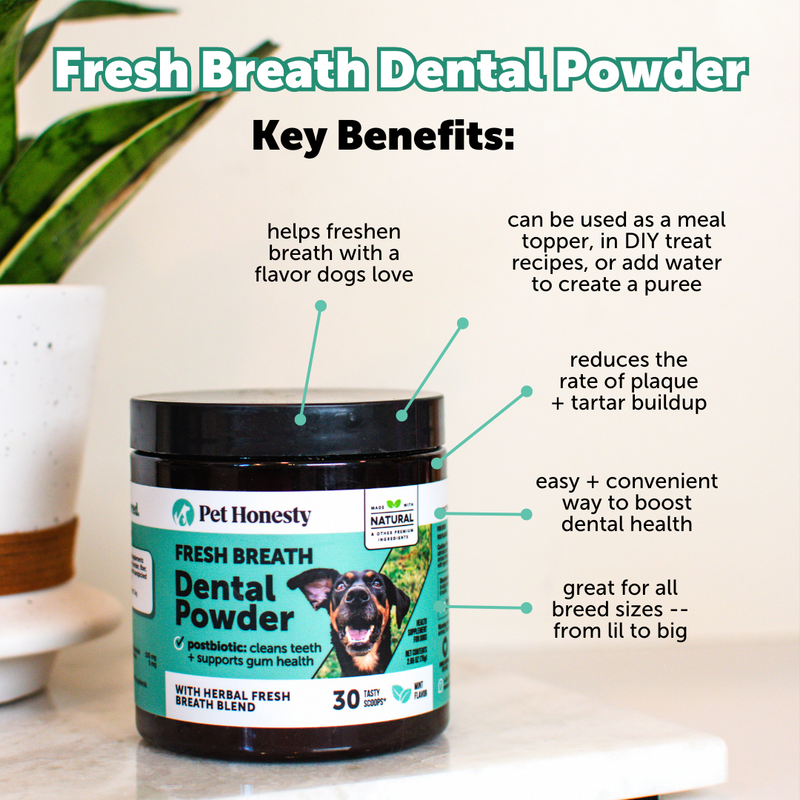
For more expert pet care tips and advice, check out our dedicated Dog Health guides to keep your companions healthy and happy.


