

Introduction
Understanding the role of heart medicine for dogs is paramount for any owner whose companion has been diagnosed with a cardiac condition. This category of pharmaceuticals plays a critical role in managing various heart diseases, which are unfortunately common in the canine population, particularly as dogs age or within certain breeds predisposed to specific ailments. When a dog develops a heart condition, appropriate medical intervention becomes essential to support heart function, alleviate symptoms, and ultimately improve the dog’s quality of life and potentially extend its lifespan. Awareness of these medications, their purpose, and the importance of consistent administration is crucial for effective long-term care, enabling owners to better understand and respond to their dogs evolving health needs.
💡 Pet Care Key Takeaways:
- Core Focus: Practical health, nutrition, and wellness guidelines for Heart Medicine For Dogs.
- Target Scope: Pet owners, animal caregivers, and veterinary support staff.
- Best Recommendation: Maintain consistent daily routines and consult an accredited veterinarian before introducing major diet or medical changes.
Common Causes and Key Factors
The necessity for heart medicine for dogs stems primarily from underlying cardiac diseases. These conditions can arise from a multitude of factors. Genetics play a significant role, with certain breeds showing a predisposition to specific heart ailments. For instance, Cavalier King Charles Spaniels are notoriously prone to Mitral Valve Disease (MVD), while Doberman Pinschers and Boxers frequently develop Dilated Cardiomyopathy (DCM). As dogs age, the risk of developing heart conditions, such as degenerative valve disease, naturally increases due to wear and tear on cardiac structures. For more related activities, check out our Breeds Susceptable To Diabetes.
Beyond breed and age, other health issues can contribute to or exacerbate heart problems. Conditions like high blood pressure, kidney disease, and even severe dental disease can place added strain on the heart, leading to or worsening existing cardiac issues. Environmental factors and lifestyle choices, such as obesity, can also indirectly impact heart health by increasing the workload on the cardiovascular system, making medication more critical for management. The specific type and severity of the heart condition are key factors that determine which heart medicine for dogs will be prescribed, along with the overall health profile of the individual animal.
Signs and Symptoms to Observe
Recognizing the signs and symptoms that might indicate a need for heart medicine for dogs, or adjustment to an existing regimen, is vital for owners. The earliest indicators can be subtle but often progress over time. A persistent cough, especially one that worsens at night or after exertion, is a common symptom of fluid accumulation in the lungs due to heart failure.
Other observable signs include exercise intolerance, where a dog tires more quickly during walks or play, or shows reluctance to engage in activities it once enjoyed. Difficulty breathing, characterized by increased panting, labored breathing, or shortness of breath, is another serious sign. Owners might also notice fainting or collapsing episodes, which indicate insufficient blood flow to the brain. Changes in appetite, weight loss despite eating (cardiac cachexia), or a swollen abdomen due to fluid retention (ascites) can also point to cardiac issues. Restlessness, particularly at night, and an inability to find a comfortable resting position are further behavioral indicators that warrant veterinary attention. These signs can vary in intensity depending on the dog’s age, breed, and the stage of heart disease.
Practical Solutions and Management Strategies
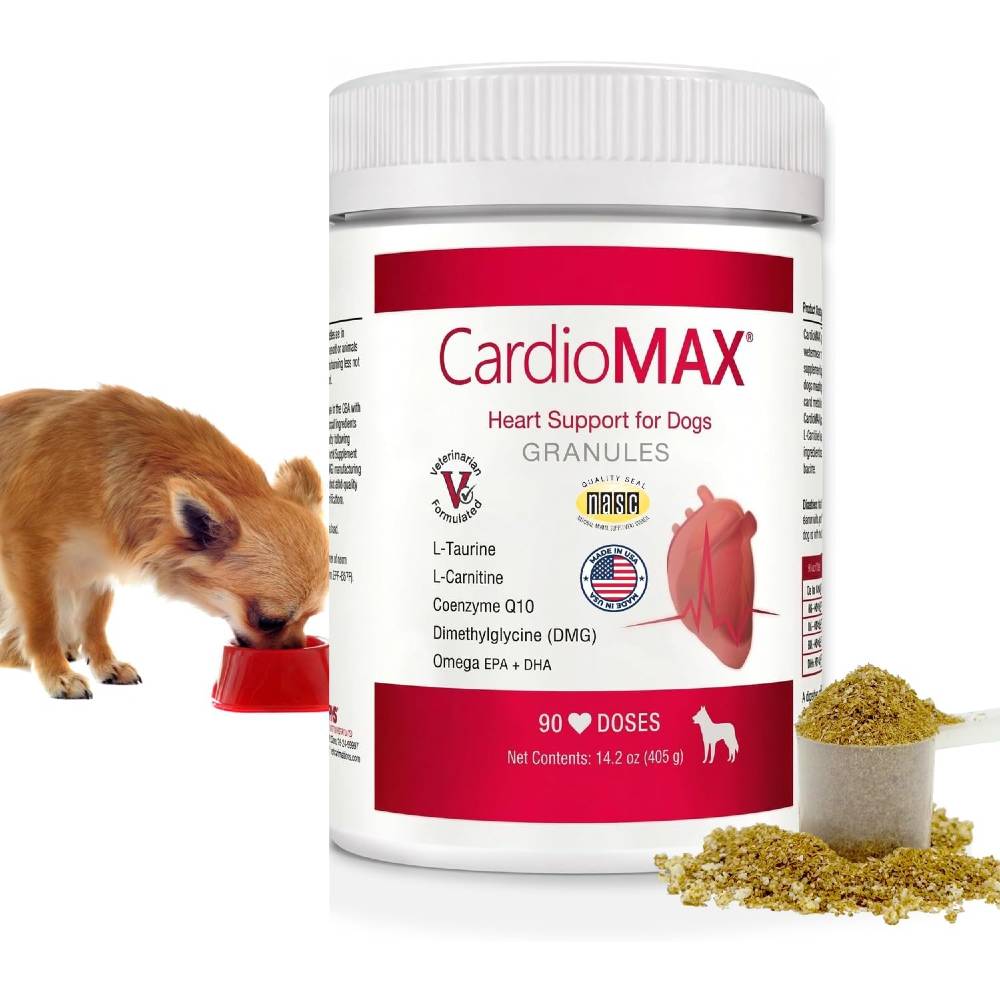
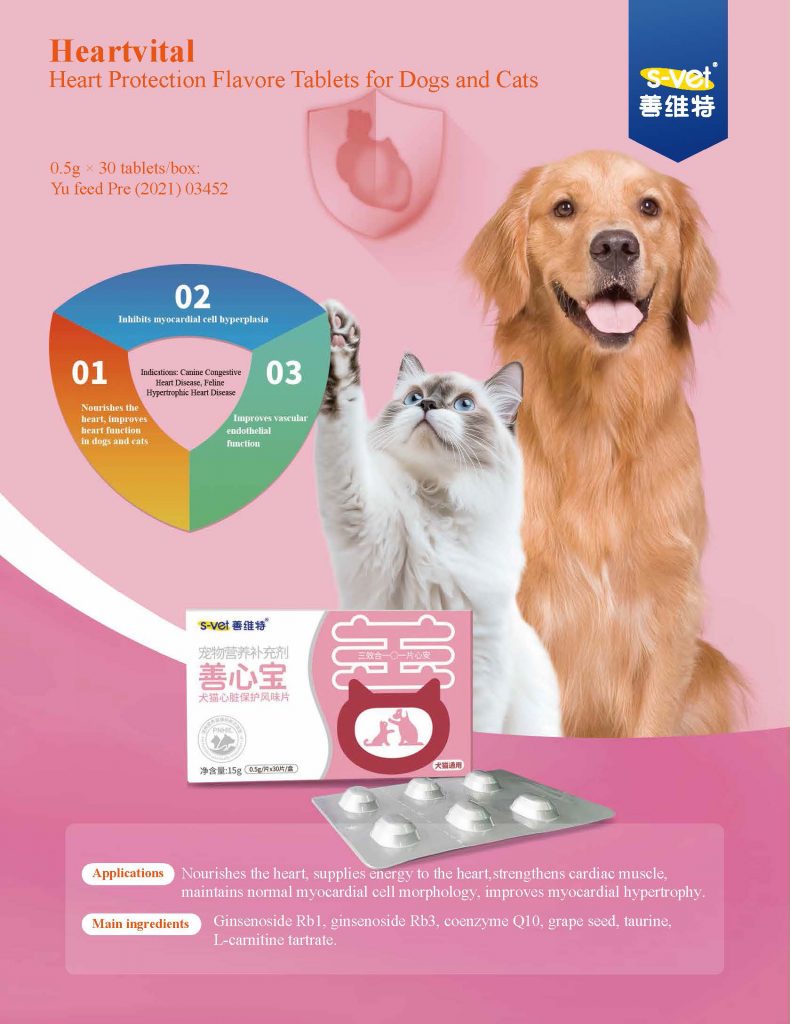
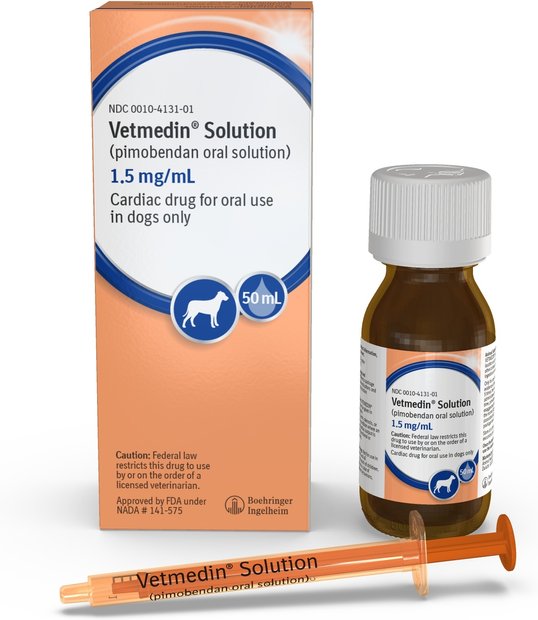
Managing canine heart disease with heart medicine for dogs requires a dedicated and consistent approach. The cornerstone of management is strict adherence to the veterinary-prescribed medication regimen. This means administering the correct dosage at the specified frequency, never missing doses, and understanding how each medication supports heart function. For example, diuretics help reduce fluid buildup, ACE inhibitors improve blood flow, and positive inotropes like pimobendan enhance the heart’s pumping ability.
Beyond medication, lifestyle adjustments play a crucial role. Dietary management, often involving a low-sodium prescription cardiac diet, can significantly reduce the heart’s workload and help control fluid retention. Controlled exercise, avoiding strenuous activity while still providing gentle movement, is important for maintaining muscle tone without overexerting the heart. Weight management is also key, as obesity places additional strain on the cardiovascular system. Creating a calm home environment can help reduce stress, which can impact heart rate and blood pressure. Regular at-home monitoring, such as tracking breathing rates while the dog is at rest and observing energy levels and coughing frequency, provides valuable information for veterinary assessments and helps in making timely adjustments to heart medicine for dogs.
When Professional Help May Be Needed
Professional veterinary assistance is absolutely necessary at several critical junctures regarding heart medicine for dogs. The initial diagnosis of any suspected heart condition requires a thorough veterinary examination, often involving specialized diagnostics such as chest X-rays, echocardiograms (ultrasound of the heart), and electrocardiograms (ECG) to accurately identify the type and severity of heart disease. Attempting to self-diagnose or self-medicate a dog with heart symptoms can lead to severe and irreversible consequences.
Ongoing professional support is also essential once a dog is prescribed heart medicine. Regular follow-up appointments are crucial to monitor the progression of the disease, assess the effectiveness of the medication, and adjust dosages or introduce new drugs as the condition evolves. If a dog’s symptoms worsen despite medication, or if new symptoms develop, immediate veterinary consultation is warranted. Additionally, any signs of adverse reactions to heart medicine for dogs, such as excessive lethargy, vomiting, or diarrhea, require prompt professional guidance. In complex cases, referral to a board-certified veterinary cardiologist may be recommended for advanced diagnostics and specialized treatment plans.
Conclusion
The management of canine heart disease through the diligent use of heart medicine for dogs is a testament to the advancements in veterinary care and the commitment of loving owners. Understanding the intricacies of these medications, the underlying causes of heart conditions, and the critical signs to observe empowers owners to be proactive partners in their dog’s health journey. Consistent adherence to prescribed treatments, coupled with appropriate lifestyle adjustments and regular veterinary oversight, forms the bedrock of effective cardiac care. With proper medical intervention and a nurturing environment, dogs with heart conditions can continue to enjoy comfortable and fulfilling lives, emphasizing the profound impact that informed and dedicated care has on their overall well-being.
Pet Care & Wellness Overview Table
| Life Stage | Daily Activity Level | Key Nutrition / Care Focus |
|---|---|---|
| Puppy / Kitten | High (frequent short bursts) | High-protein growth diet & early socialization |
| Adult Companion | Moderate (30–60 mins daily) | Balanced maintenance nutrition & dental hygiene |
| Senior Pets | Low to Gentle (mindful walks) | Joint support (Glucosamine) & routine vet checks |
Images References




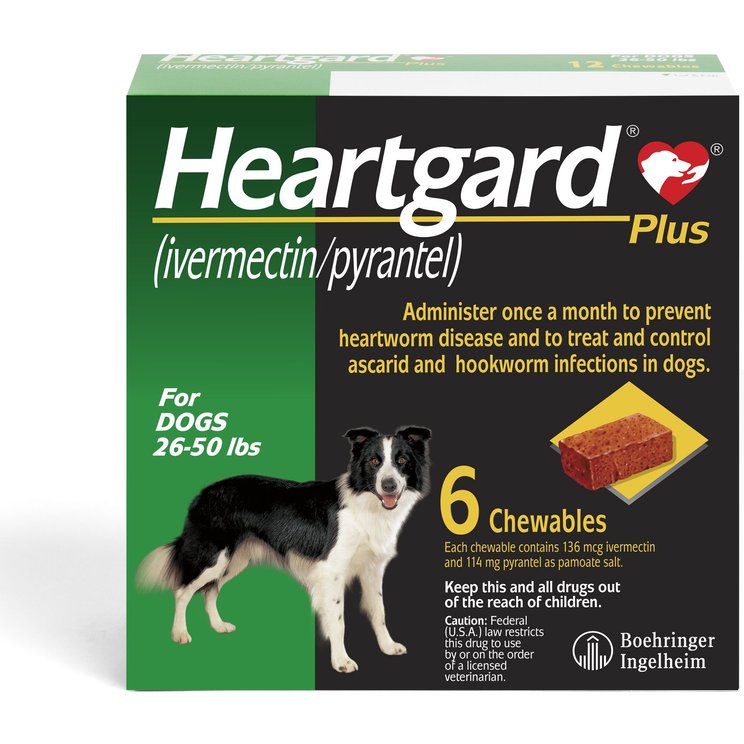
For more expert pet care tips and advice, check out our dedicated Dog Health guides to keep your companions healthy and happy.




