
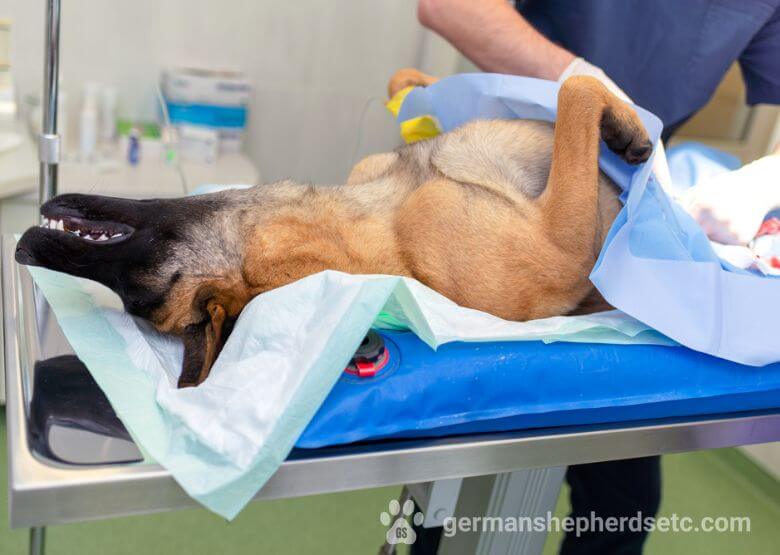
According to the American Veterinary Medical Association, surgical sterilization is one of the most common elective procedures performed on companion animals in veterinary clinics. Bringing a canine companion home after an ovariohysterectomy, commonly known as spaying, often brings a wave of curiosity regarding how the dog’s personality might shift. Owners frequently monitor every subtle twitch, sigh, and tail wag during the recovery window, wondering if the dog will remain fundamentally the same. Understanding the nuances of german shepherds behaviour after spaying helps caregivers distinguish between normal postsurgical recovery and shifts influenced by changing hormones. This athletic and intelligent herding breed possesses a unique neurological makeup, meaning changes in routine or physical state can temporarily alter outward expressions. Observing these changes with patience allows families to support their dogs effectively through the healing journey and beyond.
💡 Pet Care Key Takeaways:
- Core Focus: Practical health, nutrition, and wellness guidelines for German Shepherds Behaviour After Spaying.
- Target Scope: Pet owners, animal caregivers, and veterinary support staff.
- Best Recommendation: Maintain consistent daily routines and consult an accredited veterinarian before introducing major diet or medical changes.
Spaying involves the surgical removal of the ovaries and uterus, which initiates a gradual cascade of hormonal adjustments influencing daily temperament.
When exploring german shepherds behaviour after spaying, one must consider the physiological mechanisms at play once reproductive organs are removed. Estrogen and progesterone levels steadily decline over several weeks, which can subtly influence neurotransmitter activity in the brain. Unlike male dogs undergoing castration, female dogs do not experience an immediate drop in testosterone, but the loss of cyclical hormonal fluctuations often leads to a more emotionally stable baseline. In clinical practice, working with large guard breeds often reveals that females become slightly less reactive to environmental triggers once the hormonal peaks and valleys associated with heat cycles disappear. Consequently, many handlers notice a calmer demeanor, though individual personality traits established during puppyhood remain the dominant force in shaping overall conduct.
Physical recovery heavily dictates immediate behavioral responses, as postoperative discomfort and restricted movement often manifest as temporary clinginess or restlessness.
Managing german shepherds behaviour after spaying requires recognizing that pain or grogginess from anesthesia frequently mimics anxiety or disobedience. During the initial ten to fourteen days of strict confinement, an energetic adolescent dog may pace, whine, or demand constant reassurance due to pent-up physical energy. Working closely with veterinary professionals ensures that pain management protocols are strictly followed, which directly minimizes stress-induced behavioral outbursts. Confinement fatigue is a very real phenomenon; a dog accustomed to miles of daily trail running suddenly forced onto leash-only bathroom breaks will invariably test boundaries. Providing low-impact mental enrichment, such as puzzle toys or scent games approved by a veterinarian, helps bridge the gap until full physical clearance is granted.
Spayed and neutered dogs experience significant shifts in circulating sex hormones, which can influence activity levels, focus, and multi-dog social dynamics over a period of several months. — American Veterinary Medical Association
Proactive management strategies help channel a recovering dog’s mental energy while protecting surgical incisions from accidental strain or tearing.
Addressing german shepherds behaviour after spaying successfully involves creating a serene, secure environment that discourages jumping or frantic pacing. Utilizing a comfortable crate or a designated small room prevents the dog from attempting unauthorized acrobatics on household furniture during the healing phase. Transitioning from high-intensity fetch sessions to stationary obedience drills keeps the brain engaged without compromising the physical healing process. Furthermore, maintaining a predictable daily schedule reduces the low-grade anxiety that often accompanies enforced rest periods. Caregivers should remember that consistency and calm reassurance establish a sense of security, preventing the development of maladaptive habits during convalescence.
Common pitfalls during the recovery window include failing to enforce strict rest or misinterpreting normal postsurgical grogginess as permanent lethargy.
Navigating german shepherds behaviour after spaying becomes smoother when avoiding common mistakes such as removing protective Elizabethan collars too early or reintroducing strenuous exercise prematurely. A frequent error observed in veterinary hospitals is allowing a dog to sprint across the yard the moment initial surface healing appears complete, which risks internal tissue damage and prolonged recovery. Additionally, owners must avoid overfeeding despite decreased caloric needs resulting from lower activity levels during confinement. Monitoring body condition scores carefully prevents unwanted weight gain that could otherwise strain developing joints in large working breeds. Consultation with specialists in Dog Health and Dog Nutrition provides reliable guidance on adjusting daily food portions safely during recovery.
Proper postoperative restriction and controlled leash walking for the first two weeks post-surgery significantly reduce the incidence of incisional complications and secondary infections. — American Animal Hospital Association
Pet Care & Wellness Overview Table
| Life Stage | Daily Activity Level | Key Nutrition / Care Focus |
|---|---|---|
| Puppy / Kitten | High (frequent short bursts) | High-protein growth diet & early socialization |
| Adult Companion | Moderate (30–60 mins daily) | Balanced maintenance nutrition & dental hygiene |
| Senior Pets | Low to Gentle (mindful walks) | Joint support (Glucosamine) & routine vet checks |
Images References
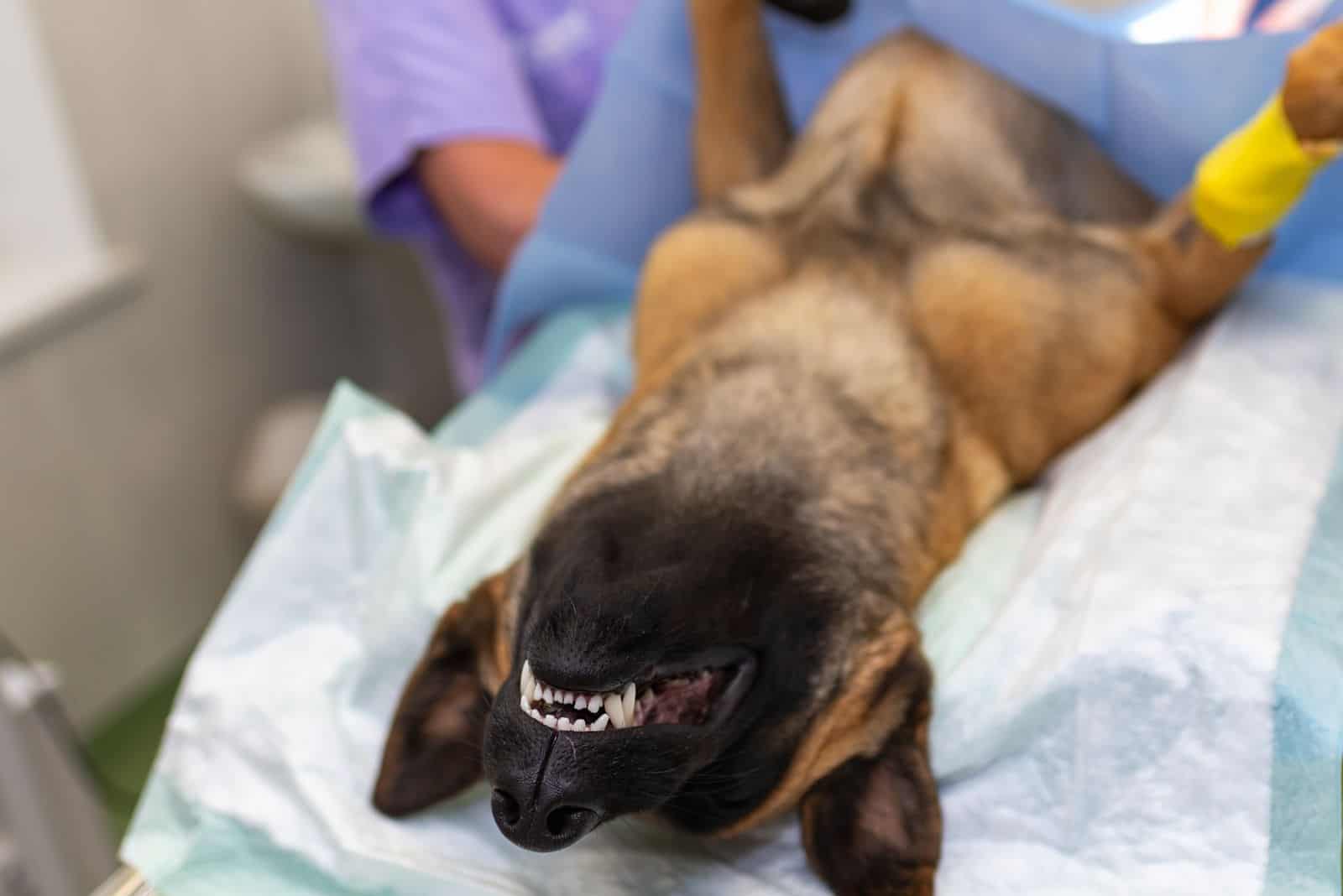


Breed-specific traits and developmental stages heavily influence how individual dogs process the physical and hormonal changes of sterilization.
Evaluating german shepherds behaviour after spaying necessitates acknowledging the protective instincts and high intelligence inherent to this working lineage. Because these dogs are exceptionally observant, any perceived vulnerability during the healing phase may temporarily heighten guarding tendencies or watchfulness toward unfamiliar visitors. Age at the time of the procedure also plays a critical role; performing the surgery before social maturity versus after social maturity can yield distinct behavioral profiles regarding confidence and environmental resilience. Enthusiasts often explore resources related to Dog Breeds to better understand how developmental milestones intersect with medical interventions. Balancing breed-specific mental stimulation with physical limitations ensures the dog remains emotionally balanced throughout the transition.
Professional veterinary guidance is essential whenever unexpected behavioral regressions or signs of distress persist past the standard healing timeframe.
Recognizing when german shepherds behaviour after spaying signals an underlying medical complication or chronic discomfort requires vigilance from every caregiver. If lethargy deepens rather than improves after the first few days, or if sudden aggression emerges when handling the abdominal area, immediate veterinary evaluation is mandatory. Pain is frequently masked by stoic canine personalities, and what appears to be behavioral stubbornness may actually indicate incisional infection or internal inflammation. Consulting a certified professional listed under Dog Training or seeking medical advice via Dog Behavior ensures that any lingering issues receive appropriate, evidence-based intervention.
Supporting your canine companion through every life stage relies on continuous learning, compassionate care, and evidence-based health management practices.
Mastering the intricacies of german shepherds behaviour after spaying empowers owners to cultivate a harmonious household and a resilient, confident companion. Every phase of development presents unique opportunities to deepen the bond between human and animal through structured routines and empathetic observation. Exploring expert guidance across Dog Care helps maintain optimal wellness long after the surgical sutures have dissolved. Visit PetsAnimalsWorld.com regularly to discover more comprehensive resources dedicated to keeping your four-legged family members thriving, healthy, and exceptionally well-adjusted.




