

Understanding the root causes behind problem behaviors in corgis requires looking closely at their rich history as tenacious herding dogs.
According to the American Kennel Club (AKC), the Pembroke Welsh Corgi and Cardigan Welsh Corgi were originally bred to drive cattle, ponies, and sheep by nipping at their heels and barking to direct movement. Watching these spirited, low-slung dogs maneuver around the clinic floor reveals an innate confidence that often surprises people given their modest stature. That historic working drive does not simply vanish because a canine companion now lives in a suburban apartment or a quiet family home. Instead, that genetic blueprint frequently manifests as challenging actions that catch unprepared owners entirely off guard. Recognizing why these patterns emerge is the foundational step toward building a harmonious relationship with a four-legged family member.
💡 Pet Care Key Takeaways:
- Core Focus: Practical health, nutrition, and wellness guidelines for Problem Behaviors In Corgis.
- Target Scope: Pet owners, animal caregivers, and veterinary support staff.
- Best Recommendation: Maintain consistent daily routines and consult an accredited veterinarian before introducing major diet or medical changes.
Problem behaviors in corgis refer to specific instincts and learned actions—such as heel-nipping, excessive vocalization, and resource guarding—that clash with domestic living standards.
Many guardians misinterpret normal herding instincts as sheer defiance or malicious mischief. In reality, a dog lunging at a moving vacuum cleaner or nipping at pant legs is simply trying to manage an environment in the only way nature taught them. Another frequent concern centers around vocalizations, as these intelligent animals were historically expected to alert human handlers to farm intruders. Resource guarding, where an animal becomes intensely protective of food bowls, toys, or resting spots, can also surface if early socialization was lacking. Certified professional dog trainers view these expressions not as behavioral flaws, but as direct communications of unmet mental or physical needs. For more related activities, check out our Dog Care Electric Collar.
Unmanaged behavioral challenges can severely disrupt household peace and strain the vital bond between human companions and their pets.
When an animal constantly barks at every passing pedestrian or nips at visiting guests, daily life becomes remarkably stressful for everyone involved. Beyond the immediate friction in the living room, chronic stress and high arousal states can negatively impact overall canine well-being, sometimes leading to stress-induced gastrointestinal upset or compulsive habits. Experience in behavior consultations consistently shows that unaddressed instinctual drives escalate over time if the animal lacks appropriate outlets. Providing structured mental stimulation is just as critical as physical exercise for maintaining a balanced, happy companion.
Canine behavioral issues are among the leading causes of relinquishment to shelters, making early proactive intervention and positive reinforcement essential for lifelong retention in loving homes. — American Society for the Prevention of Cruelty to Animals (ASPCA)
Addressing problem behaviors in corgis involves redirecting high-drive instincts into constructive tasks through positive reinforcement and environmental management.
Successful modification plans rely heavily on teaching alternative incompatible actions, such as asking the dog to fetch a toy instead of chasing moving feet. Interactive puzzle feeders and scent games provide excellent mental outlets that exhaust an active brain much faster than a standard walk around the block. Establishing clear, consistent household boundaries prevents confusion and helps the animal understand what is expected during daily routines. Professional guidance focusing on cooperative learning techniques ensures that the dog gains confidence without experiencing fear or anxiety.
Implementing effective daily management requires patience, consistency, and a commitment to avoiding outdated dominance-based correction methods.
A common mistake handlers make is shouting or physically punishing a barking dog, which usually escalates the animal’s excitement or fear rather than resolving the issue. Consistency remains paramount because intermittent reinforcement—accidentally rewarding the unwanted action occasionally—will quickly undo weeks of careful training progress. Rewarding calm, quiet demeanor immediately when it happens reinforces the desired state of mind far more effectively than reacting only when trouble occurs. Integrating short, engaging training sessions throughout the day transforms obedience into a fun game that strengthens mutual trust.
Consistent application of positive reinforcement training methods increases obedience retention and strengthens the emotional attachment between dogs and their primary caregivers. — American Veterinary Medical Association (AVMA)
Pet Care & Wellness Overview Table
| Life Stage | Daily Activity Level | Key Nutrition / Care Focus |
|---|---|---|
| Puppy / Kitten | High (frequent short bursts) | High-protein growth diet & early socialization |
| Adult Companion | Moderate (30–60 mins daily) | Balanced maintenance nutrition & dental hygiene |
| Senior Pets | Low to Gentle (mindful walks) | Joint support (Glucosamine) & routine vet checks |
Images References



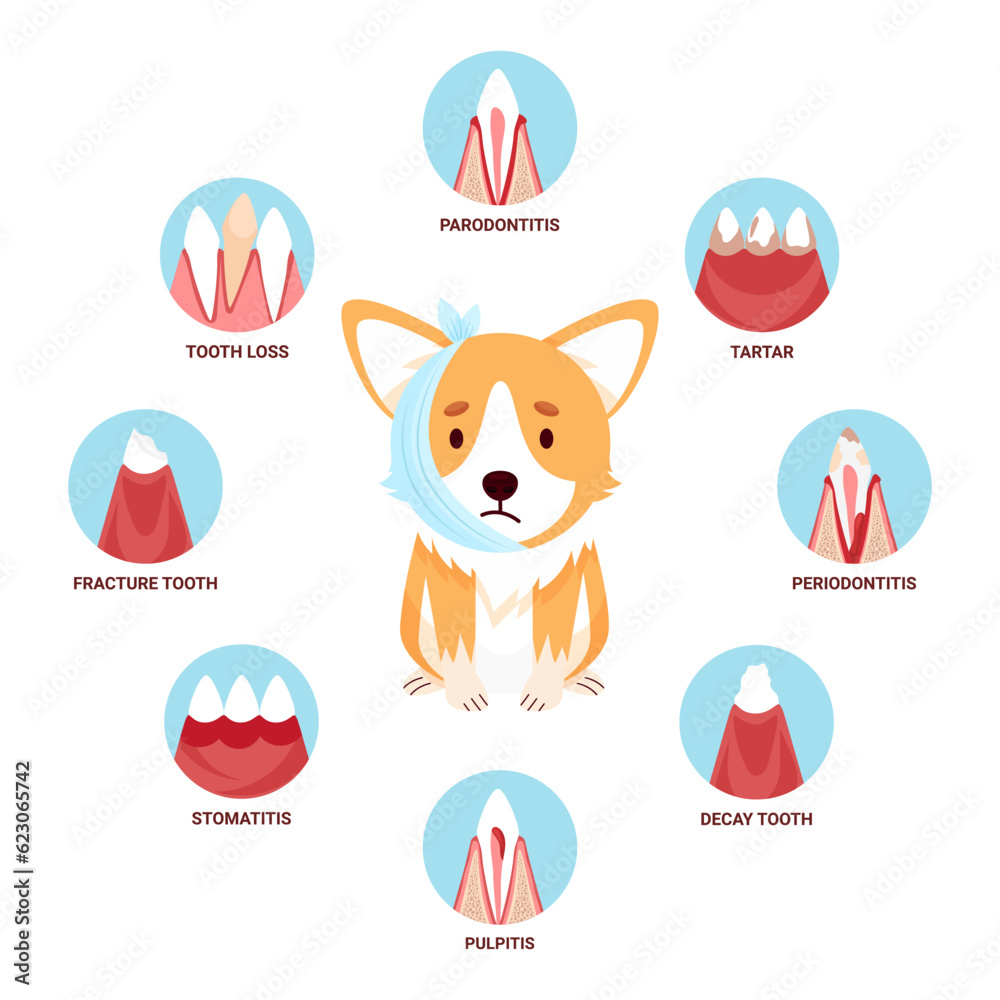



Breed-specific traits and developmental milestones heavily influence how these intelligent, compact herders interact with their surrounding world.
Corgis possess a sturdy, elongated spine supported by short legs, a physical conformation known as achondroplasia that makes them prone to spinal discomfort if allowed to jump off high furniture repeatedly. During adolescence, which typically begins around six to nine months of age, hormonal shifts can temporarily amplify stubbornness and reactivity. Recognizing these physical and developmental phases helps guardians set realistic expectations and adjust environmental safety measures accordingly. Tailoring daily care to accommodate both their physical build and sharp intelligence prevents many common behavioral stumbling blocks.
Consulting a qualified veterinary behaviorist or certified trainer becomes necessary when problem behaviors involve fear, aggression, or sudden personality shifts.
Severe aggression, persistent separation anxiety, or sudden unprovoked reactivity always warrant a thorough veterinary checkup to rule out underlying medical conditions or chronic pain. A certified dog trainer or veterinary behaviorist utilizes science-based, humane methods to design customized modification plans tailored specifically to the individual animal’s temperament. Never rely on punitive techniques for fear-based issues, as punishment suppresses warning signals and increases the risk of unpredictable bites. Collaborating with trusted professionals ensures that both physical health and behavioral wellness receive expert attention.
Supporting a well-adjusted canine companion involves continuous learning, proper enrichment, and dedication to positive reinforcement principles every single day.
Navigating the unique quirks of this beloved herding breed brings immense joy and deep companionship to any household willing to put in the necessary effort. Exploring additional resources on Dog Behavior and Dog Training can provide further insights into effective canine communication. Ensuring proper upkeep through guidance found in Dog Care and Dog Health keeps furry friends thriving at every life stage. Visit PetsAnimalsWorld.com today to discover more expert tips and comprehensive guides dedicated to keeping your cherished pets happy and healthy.




