

Introduction
Understanding a dog’s dietary needs extends far beyond simply filling a bowl; it delves into the intricate world of internal wellness. The term “gut health dog food” refers to specialized diets formulated to support a robust and balanced digestive system, particularly the complex ecosystem of microorganisms residing within a dog’s intestines, known as the gut microbiome. This focus on digestive well-being is paramount because a healthy gut is foundational to a dog’s overall health, impacting everything from nutrient absorption and immune function to skin condition and even mood. Issues with gut health can manifest in various ways, often subtly, making an understanding of this topic crucial for responsible dog ownership. By providing appropriate nutrition, including foods specifically designed to foster gut health, a dogs comfort, vitality, and quality of life can be significantly enhanced.
💡 Pet Care Key Takeaways:
- Core Focus: Practical health, nutrition, and wellness guidelines for Gut Health Dog Food.
- Target Scope: Pet owners, animal caregivers, and veterinary support staff.
- Best Recommendation: Maintain consistent daily routines and consult an accredited veterinarian before introducing major diet or medical changes.
Common Causes and Key Factors
Digestive imbalances in dogs can stem from several interlinked factors, many of which can be addressed through careful dietary management. One primary cause involves the inherent quality and composition of a dog’s diet. Foods containing low-quality ingredients, excessive artificial additives, or unsuitable protein sources can disrupt the delicate balance of beneficial gut bacteria. Frequent changes in diet or insufficient fiber content can also contribute to gastrointestinal upset. For more related activities, check out our Home Remedy For Dog With Struvite Crystals.
Furthermore, an imbalance in the gut microbiome, known as dysbiosis, is a significant factor. This can arise from antibiotic use, which indiscriminately eliminates both harmful and beneficial bacteria, leading to an opportunistic overgrowth of less desirable microbes. Stress, illness, and even certain environmental changes can also negatively impact the microbiome. Some dogs may also have underlying sensitivities or allergies to specific food ingredients, leading to chronic inflammation and digestive distress. Age and breed predisposition also play a role; puppies and senior dogs often have more sensitive digestive systems, and certain breeds are genetically more prone to specific gastrointestinal conditions. Addressing these factors through appropriate dietary choices, such as gut health-focused dog food, can mitigate many common digestive challenges.
Signs and Symptoms to Observe
Recognizing the signs of compromised gut health is the first step toward intervention. Observable indicators often present as digestive disturbances, including persistent diarrhea, constipation, intermittent vomiting, excessive flatulence, or visible abdominal discomfort such as bloating or a tucked-up abdomen. Stool quality provides crucial clues; inconsistencies in texture, the presence of mucus or blood, or unusual colors can all signal an underlying issue.
Beyond direct digestive symptoms, issues with gut health can manifest in less obvious ways. Skin and coat problems, such as a dull, dry, or flaky coat, chronic itching, or hot spots, are often linked to systemic inflammation originating in the gut. Behavioral changes may also be noted, including lethargy, a decreased appetite, irritability, or unusual restlessness. Dogs may also engage in “scooting” behavior more frequently due to anal gland issues, which can sometimes be secondary to soft stools and poor digestive function. Unexplained weight fluctuations, such as difficulty gaining weight despite adequate food intake, or a weakened immune system leading to frequent infections, further suggest the need to evaluate gut health. These signs can vary depending on a dogs age, breed, and overall environment, requiring careful and consistent observation by owners.
Practical Solutions and Management Strategies
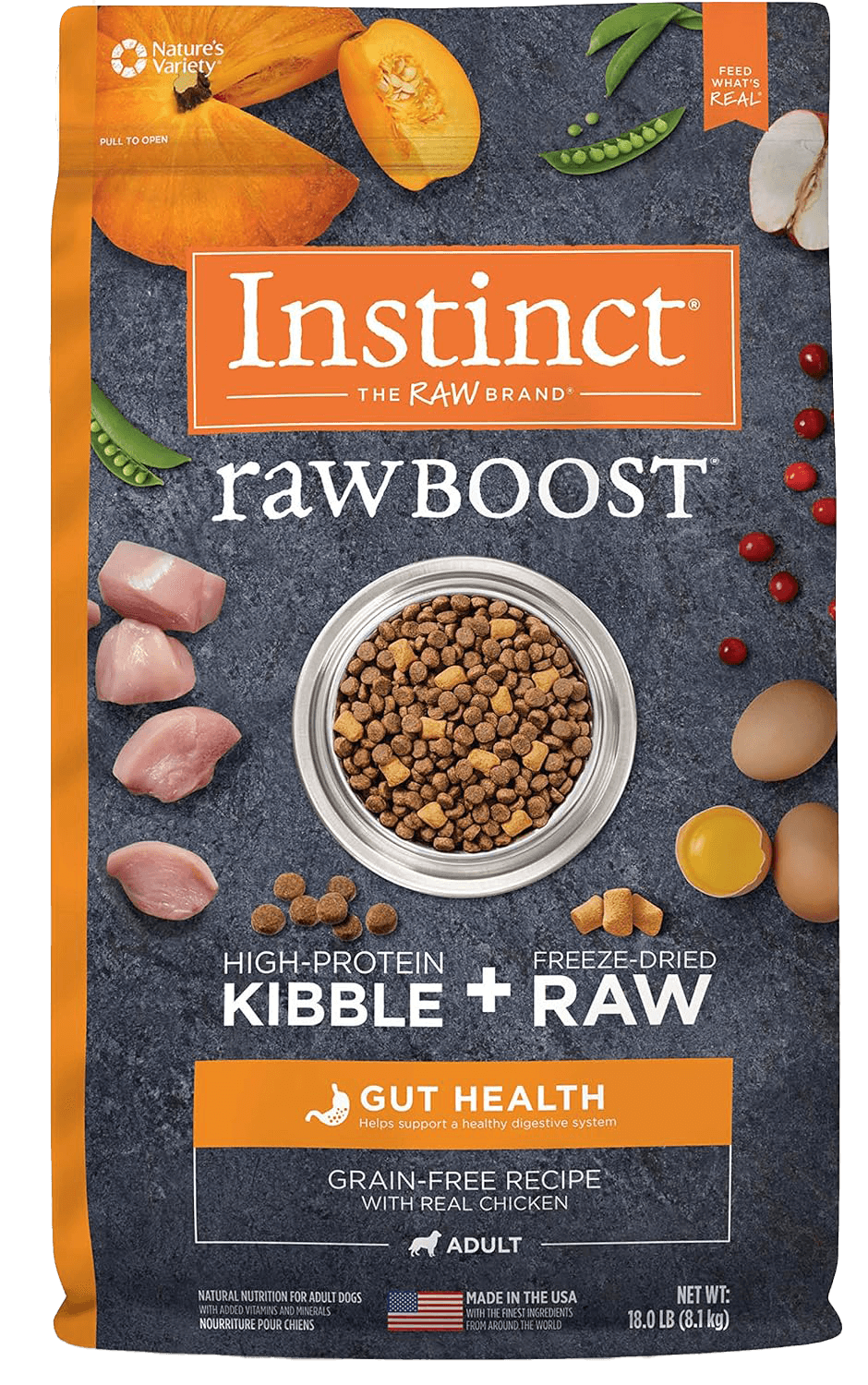
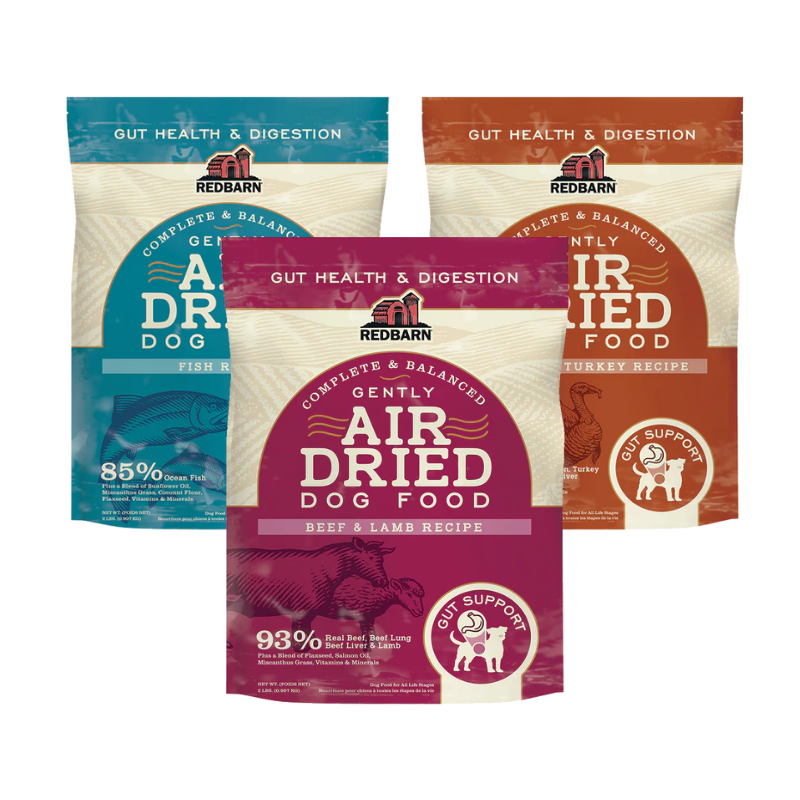
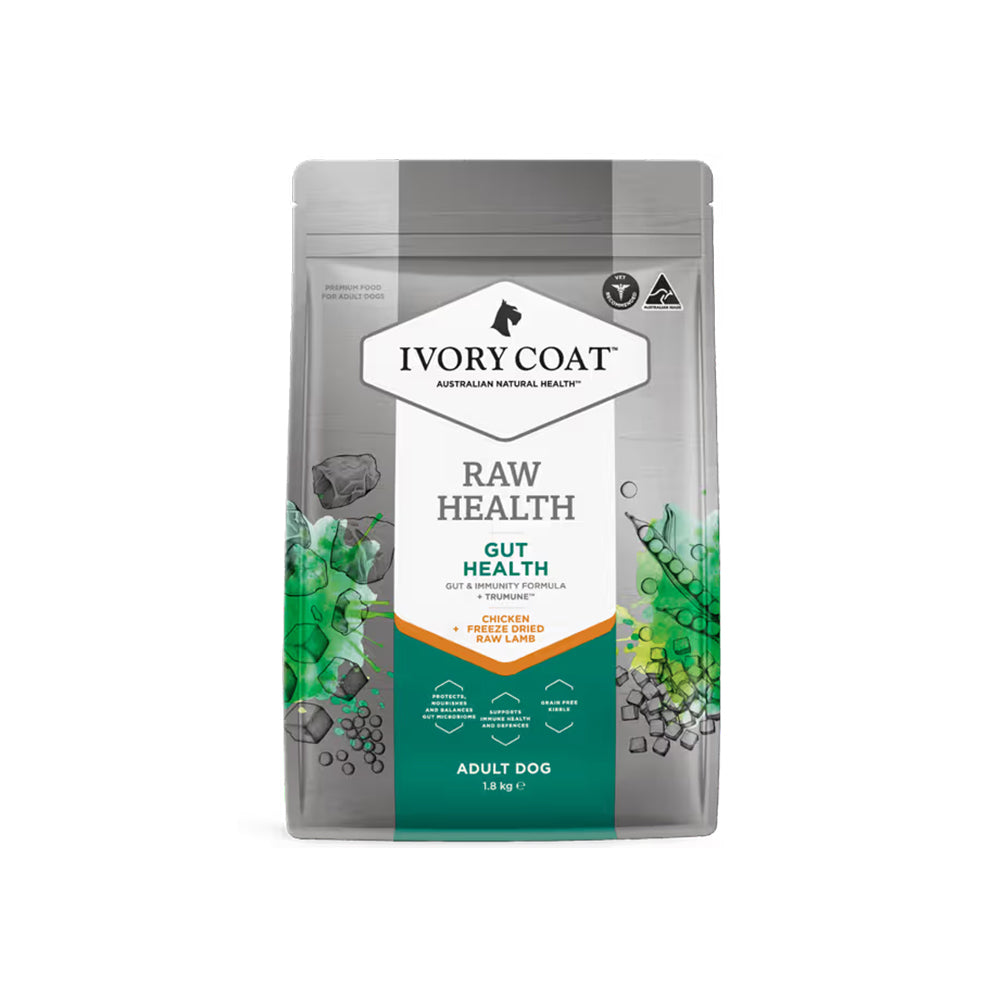
Managing and improving a dog’s gut health primarily revolves around thoughtful dietary choices and consistent care. Selecting a “gut health dog food” is a proactive strategy. These foods are typically formulated with specific ingredients designed to nourish the gut microbiome and support digestive function.
Key components often include prebiotics, which are fermentable fibers like fructooligosaccharides (FOS), mannan-oligosaccharides (MOS), or chicory root. These serve as food for beneficial gut bacteria, promoting their growth. Probiotics, live beneficial microorganisms such as Lactobacillus and Bifidobacterium species, are also crucial. They help replenish and maintain a healthy bacterial balance, often added to food after processing or administered as supplements. Furthermore, easily digestible protein sources, often from a single animal source, and a balanced blend of soluble and insoluble fibers are essential for regular bowel movements and nutrient absorption. Omega-3 fatty acids, known for their anti-inflammatory properties, also contribute to a healthy gut lining. For dogs with known sensitivities, limited-ingredient diets can be particularly beneficial, reducing exposure to potential allergens.
When transitioning to a new food, a slow introduction over 7-10 days is vital to prevent digestive upset. A consistent feeding schedule and constant access to fresh water also support digestive regularity. Avoiding table scraps and other human foods, which can be difficult for a dogs digestive system to process, is also important. In some cases, veterinarian-approved pre- or probiotic supplements may be recommended to provide additional support to the gut microbiome.
When Professional Help May Be Needed
While dietary adjustments often bring significant improvements, there are situations where professional veterinary consultation becomes imperative. Persistent or severe symptoms, such as chronic vomiting, debilitating diarrhea, the presence of blood in stools, or significant unexplained weight loss, warrant immediate veterinary attention. Any sudden onset of severe digestive issues, signs of acute pain or distress, or a noticeable lack of improvement despite consistent dietary changes are also clear indicators that professional help is needed.
Veterinarians can conduct thorough examinations and diagnostic tests to identify underlying medical conditions, such as inflammatory bowel disease (IBD), pancreatitis, parasitic infections, or severe food allergies, which may require specific medical treatments beyond dietary modification alone. They can also provide guidance on prescription diets tailored to specific health conditions, recommend appropriate medications, or suggest specialized probiotic formulations to address complex gut health issues. Seeking professional advice ensures that a dog receives an accurate diagnosis and the most effective course of treatment, safeguarding their long-term health and well-being.
Conclusion
The importance of “gut health dog food” cannot be overstated in fostering a dog’s overall well-being. A healthy digestive system is the cornerstone of a vibrant life, influencing nutrient absorption, immune defense, and even a dog’s temperament. Understanding the factors that affect gut health, recognizing the subtle and overt signs of imbalance, and implementing appropriate dietary and care strategies are fundamental responsibilities of dog ownership. By actively choosing foods formulated to support a robust gut microbiome and observing a dog’s health closely, owners can make a profound positive impact. Regular veterinary consultations for persistent concerns further ensure that a dog receives tailored care. Prioritizing gut health through informed nutritional choices and attentive observation ultimately contributes to a longer, happier, and more comfortable life for canine companions.
Pet Care & Wellness Overview Table
| Life Stage | Daily Activity Level | Key Nutrition / Care Focus |
|---|---|---|
| Puppy / Kitten | High (frequent short bursts) | High-protein growth diet & early socialization |
| Adult Companion | Moderate (30–60 mins daily) | Balanced maintenance nutrition & dental hygiene |
| Senior Pets | Low to Gentle (mindful walks) | Joint support (Glucosamine) & routine vet checks |
Images References





For more expert pet care tips and advice, check out our dedicated Dog Health guides to keep your companions healthy and happy.


