
Introduction
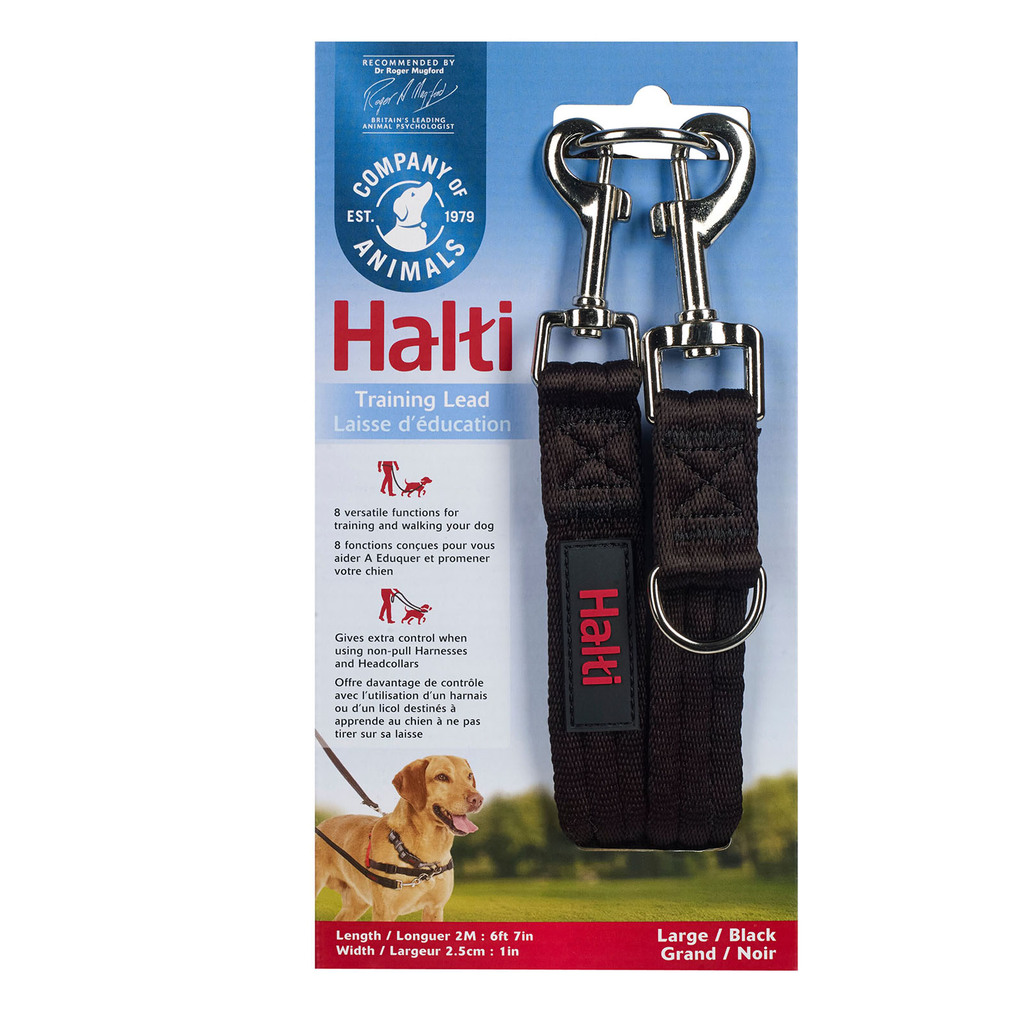
The challenge of managing an enthusiastic dog during walks is a common experience for many owners. A dog that pulls on the leash can transform what should be an enjoyable outing into a stressful ordeal, potentially leading to discomfort for both the dog and the handler. The halti training lead, often simply referred to as a Halti, represents a specialized piece of equipment designed to address this very issue. It is a type of head collar engineered to provide gentle, humane control over a dog’s head, which in turn influences the direction of its body. Understanding the functionality and proper application of a Halti training lead is crucial for improving leash manners, enhancing walk quality, and fostering a stronger, more cooperative relationship between a dog and its owner. This tool serves as an aid in teaching better leash etiquette, promoting a more relaxed and controlled walking experience, and ultimately contributing to a dogs overall well-being and behavioral development.
💡 Pet Care Key Takeaways:
- Core Focus: Practical health, nutrition, and wellness guidelines for Halti Training Lead.
- Target Scope: Pet owners, animal caregivers, and veterinary support staff.
- Best Recommendation: Maintain consistent daily routines and consult an accredited veterinarian before introducing major diet or medical changes.
Common Causes and Key Factors
Dogs often pull on a leash due to a complex interplay of instinctual behaviors and learned habits. High levels of excitement, a strong desire to investigate scents, or the presence of other dogs and stimuli can all trigger pulling behavior. In many cases, dogs are simply responding to their natural instinct to move forward and explore their environment. When a dog pulls on a standard neck collar, the pressure exerted can inadvertently reinforce the behavior; as the dog pulls, it often gets closer to its desired destination, thus rewarding the pulling action. For more related activities, check out our Cesar Millan How To Stop Puppy Biting.
Traditional neck collars can also cause discomfort or even injury when a dog pulls excessively, leading to choking or gagging. This creates a negative association with walks and can make training more difficult. The key factor in the effectiveness of a Halti training lead lies in its design, which gently guides the dog’s head. Where the head goes, the body follows. By controlling the head, the Halti allows for subtle redirection and prevents the dog from using the full force of its body to pull forward, thereby mitigating the mechanical advantage a dog typically has over its handler on a standard leash. This approach leverages a dogs natural reflexes to encourage a more controlled pace and direction.
Signs and Symptoms to Observe
Identifying the need for a Halti training lead often involves observing specific behaviors during walks. The most common sign is persistent and strong pulling on the leash, where the dog consistently strains against its collar, making walks physically demanding for the handler. Other indicators include lunging at squirrels, other dogs, or people; a lack of focus on the handler; and general unruliness when outside.
Physical signs of discomfort or distress resulting from pulling on a traditional collar are also important to note. These can include coughing, gagging, choking sounds, or raspy breathing during or after a walk. Dogs that exhibit these symptoms, particularly those with sensitive tracheas or brachycephalic breeds, may benefit significantly from a Halti training lead, as it distributes pressure more evenly and away from the delicate throat area. The presence of these behaviors and physical reactions suggests that a standard collar and leash system may not be adequate for safely and effectively managing a dog during outings.
Practical Solutions and Management Strategies
Implementing a halti training lead requires careful introduction and consistent application to be effective. The initial step involves ensuring a correct and comfortable fit. The nose band should sit snugly on the bridge of the nose, just above the nostrils, allowing the dog to open its mouth freely to pant, drink, and eat treats. The neck strap should be secure enough to prevent the Halti from slipping off, but not so tight as to cause discomfort.
Introducing the Halti training lead gradually is paramount to prevent aversion. Many dogs may initially try to paw at or rub off the Halti. This behavior is normal, and positive reinforcement, such as high-value treats and praise, should be used generously when the dog is wearing the Halti, even for short periods. Start by putting it on for a few seconds, then remove it, gradually increasing the duration over several sessions. Association with positive experiences, such as meal times or play, can also aid acceptance.
During walks, the Halti training lead facilitates gentle guidance. When the dog begins to pull, a slight, gentle pressure on the lead to the side, rather than straight back, will turn the dog’s head towards the handler, effectively breaking its forward momentum. Once the dog has redirected its attention or slackens the leash, immediate release of pressure and positive reinforcement (verbal praise, treats) reinforces the desired behavior. This technique helps the dog learn that loose-leash walking leads to comfort and rewards, while pulling results in a gentle, non-aversive redirection. Consistency across all walks and by all handlers is essential for the dog to understand the new expectations.
When Professional Help May Be Needed
While the halti training lead is an excellent tool for many dogs and owners, there are instances when professional guidance becomes invaluable. If a dog continues to exhibit extreme resistance to the Halti, shows signs of anxiety or aggression when wearing it, or if significant pulling behavior persists despite consistent and correct application of the tool and training techniques, seeking professional help is recommended.
Certified professional dog trainers or veterinary behaviorists can assess the underlying causes of persistent pulling or reactivity. They can provide tailored training plans, address any behavioral issues beyond simple leash manners, and offer expert advice on equipment use. For dogs with deep-seated fear, anxiety, or aggression that manifest on walks, a comprehensive behavioral modification plan developed by a professional is often necessary to ensure the safety and well-being of both the dog and the public. Professional assistance ensures that the dog receives the most appropriate and humane support for its individual needs.
Conclusion
The halti training lead serves as a valuable and humane aid for dog owners striving to improve their dog’s leash manners. By understanding its design, correctly fitting and introducing the device, and applying consistent, positive reinforcement training techniques, owners can transform challenging walks into enjoyable and controlled experiences. The Halti promotes better communication, reduces pulling, and minimizes discomfort for dogs prone to straining against traditional collars. Awareness of the signs indicating a need for such a tool, coupled with a commitment to proper training strategies, empowers owners to enhance their dogs behavior and overall quality of life. For persistent challenges, professional assistance ensures that every dog receives the specialized support it needs to become a well-behaved and happy walking companion.
Pet Care & Wellness Overview Table
| Life Stage | Daily Activity Level | Key Nutrition / Care Focus |
|---|---|---|
| Puppy / Kitten | High (frequent short bursts) | High-protein growth diet & early socialization |
| Adult Companion | Moderate (30–60 mins daily) | Balanced maintenance nutrition & dental hygiene |
| Senior Pets | Low to Gentle (mindful walks) | Joint support (Glucosamine) & routine vet checks |
Images References




For more expert pet care tips and advice, check out our dedicated Dog Training guides to keep your companions healthy and happy.




