
Introduction
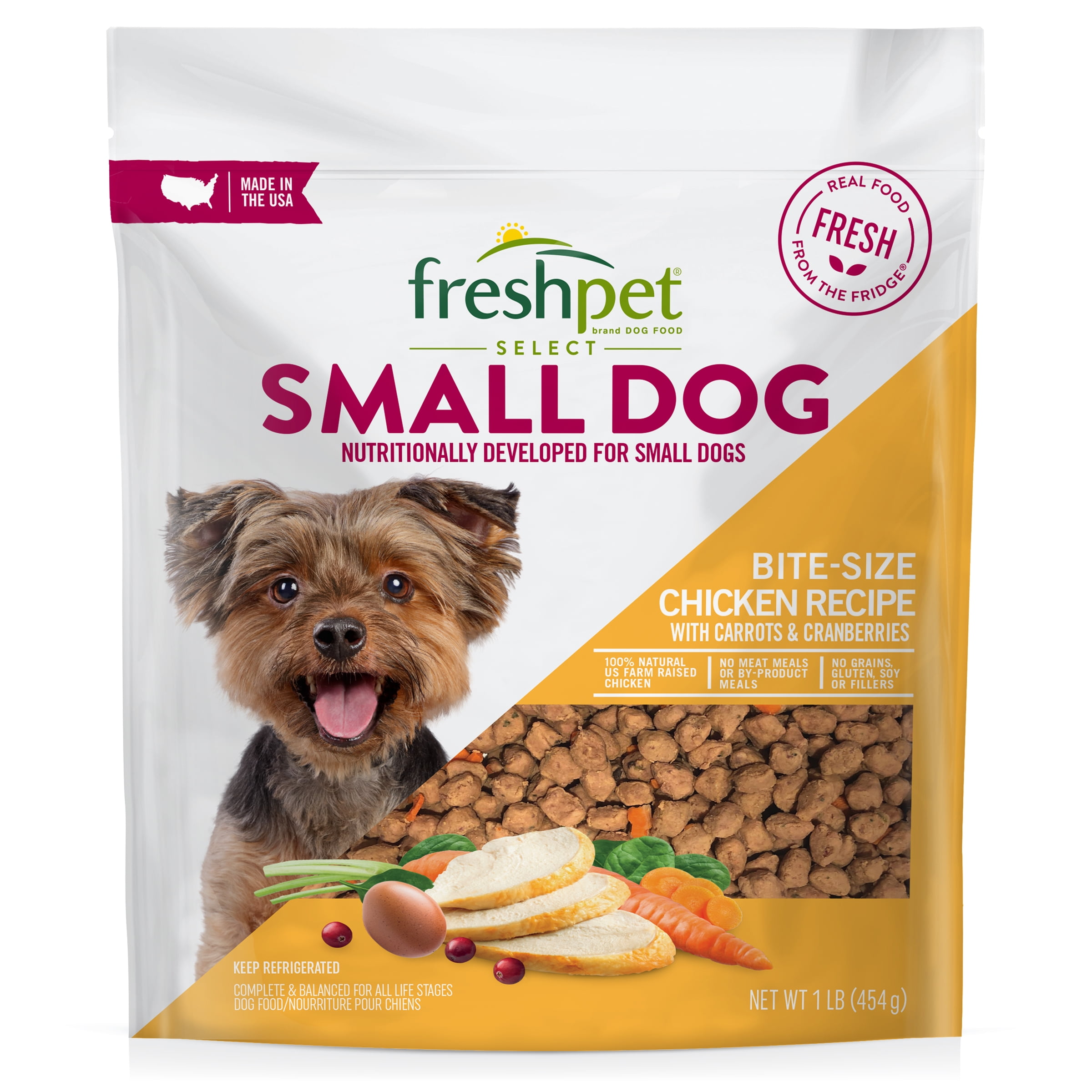
Understanding what constitutes healthy dog food for small dogs is a critical aspect of responsible pet ownership. Small breeds possess unique physiological and metabolic characteristics that differentiate their nutritional needs from those of their larger counterparts. For instance, their faster metabolisms often require a more calorie-dense diet, while their smaller mouths and stomachs necessitate appropriately sized kibble and digestible ingredients. This topic commonly arises when owners observe their small dog experiencing digestive upset, fluctuating energy levels, or dental issues, often linked to an unsuitable diet. Gaining a comprehensive understanding of proper nutrition for small dogs can significantly improve a dogs overall health, enhance their vitality, and contribute to a longer, more comfortable life.
💡 Pet Care Key Takeaways:
- Core Focus: Practical health, nutrition, and wellness guidelines for Healthy Dog Food For Small Dogs.
- Target Scope: Pet owners, animal caregivers, and veterinary support staff.
- Best Recommendation: Maintain consistent daily routines and consult an accredited veterinarian before introducing major diet or medical changes.
Common Causes and Key Factors
Several factors contribute to the specific dietary requirements of small dogs, making the selection of healthy food a nuanced process. Biologically, small breeds typically have higher metabolic rates, meaning they burn calories more quickly and require more energy per pound of body weight. Without a calorie-dense diet, these dogs can quickly become underweight or lack sufficient energy. Their smaller jaws and teeth also demand kibble that is easy to chew and digest, preventing choking hazards and promoting better dental health. For more related activities, check out our Home Remedy For Dog With Struvite Crystals.
Nutritionally, small dogs benefit from foods formulated with high-quality protein sources to support lean muscle mass and healthy fats for energy and coat health. The inclusion of essential vitamins and minerals is crucial for bone density, immune function, and overall well-being. Overlooking these specific needs can lead to deficiencies or excesses that compromise health. Environmentally, owners sometimes inadvertently contribute to dietary issues by feeding inappropriate human foods, which can be high in unhealthy fats, sugars, or toxic ingredients, or by free-feeding, leading to overconsumption or obesity due to their small stomach capacity. Lack of awareness regarding ingredient quality in commercial foods also plays a significant role in owners choosing options that may contain fillers, artificial additives, or allergens detrimental to small breeds.
Signs and Symptoms to Observe
Owners can observe several signs and symptoms indicating that a small dog’s current diet may not be meeting its nutritional needs. Digestive issues are among the most common indicators, manifesting as persistent vomiting, diarrhea, constipation, or excessive flatulence. These symptoms often suggest that the food is not easily digestible or contains ingredients that trigger sensitivities.
Changes in coat and skin health provide further clues. A dull, dry, or brittle coat, excessive shedding, skin redness, or persistent itching can point to nutrient deficiencies, particularly in essential fatty acids, or allergic reactions to certain food ingredients. Energy levels are another key indicator; a dog that is unusually lethargic, constantly tired, or conversely, overly hyperactive and restless, might be experiencing an imbalance in its energy intake.
Weight management issues, such as unexplained weight loss or significant weight gain leading to obesity, are direct reflections of calorie intake versus expenditure and the nutritional density of the food. Dental health problems, including excessive plaque buildup, tartar, or bad breath, can also be influenced by diet, especially if kibble is too soft or sugary. Furthermore, subtle behavioral changes like increased irritability, anxiety, or a lack of interest in food can sometimes be linked to underlying nutritional discomfort or deficiencies, although these signs can also stem from other health issues. Poor stool quality, characterized by inconsistent texture, unusual color, or strong odor, directly reflects digestive efficiency.
Practical Solutions and Management Strategies
Implementing practical strategies for selecting and managing a small dog’s diet can significantly improve their health. The primary focus should be on choosing high-quality commercial dog food specifically formulated for small breeds or small-breed puppies, depending on age. These formulations typically feature higher calorie density, appropriate nutrient ratios, and smaller kibble sizes. When examining food labels, look for a reputable brand with real meat (e.g., chicken, lamb, salmon) as the first ingredient, followed by healthy fats like chicken fat or flaxseed, and complex carbohydrates such as sweet potatoes or brown rice. Avoid foods containing excessive fillers like corn, wheat, soy, or artificial colors, flavors, and preservatives, which can be difficult for small digestive systems to process and may trigger allergies.
Accurate portion control is crucial for small dogs, given their propensity for rapid weight gain or loss. Always follow the feeding guidelines on the food packaging, adjusting as necessary based on the dog’s activity level, age, and individual metabolism. Using a measuring cup ensures consistent portioning, preventing both under and overfeeding. Establishing a regular feeding schedule, such as two meals a day, can aid digestion and metabolism more effectively than free-feeding.
For dogs with specific sensitivities or health conditions, consulting a veterinarian about limited ingredient diets or prescription formulas may be beneficial. When introducing a new food, a gradual transition over 7-10 days is essential. This involves slowly mixing the new food with the old, gradually increasing the proportion of the new food to prevent digestive upset. Finally, ensuring constant access to fresh, clean water is paramount for proper digestion and overall hydration, supporting all bodily functions.
When Professional Help May Be Needed
While diligent observation and careful dietary management can address many common issues, there are specific circumstances where professional veterinary consultation becomes necessary. Persistent or worsening digestive upset, such as chronic vomiting, diarrhea, or blood in the stool, despite dietary changes, warrants immediate veterinary attention. These symptoms could indicate underlying medical conditions beyond simple food sensitivities.
Sudden, unexplained, or rapid weight loss or gain, particularly when accompanied by changes in appetite or energy levels, is another clear signal to seek professional advice. These changes can point to metabolic disorders, endocrine issues, or other serious health problems that require diagnosis and treatment. Severe or widespread skin issues, excessive itching, recurring ear infections, or hair loss that does not resolve with dietary adjustments might indicate severe allergies or dermatological conditions needing specific veterinary intervention.
Any sustained lethargy, weakness, or significant behavioral changes that cannot be attributed to a clear external cause should also prompt a veterinary visit. If considering a home-cooked or raw diet, it is imperative to consult a veterinary nutritionist to ensure the diet is complete and balanced for the dog’s specific needs, preventing dangerous nutritional deficiencies or excesses. Similarly, for small dogs with pre-existing health conditions like diabetes, kidney disease, or cardiac issues, a veterinarian can help formulate a specialized diet plan to support their medical management.
Conclusion
Providing healthy dog food for small dogs is more than just filling a bowl; it is about understanding and meeting their distinct physiological demands. From their high metabolic rates to their smaller physical structures, small breeds thrive on diets specifically formulated to support their unique needs. Proactive selection of nutrient-dense, easily digestible foods with appropriate kibble size, coupled with diligent portion control and regular observation, forms the cornerstone of their well-being. Consistent attention to ingredient quality and a willingness to adapt dietary strategies based on a dogs individual responses are vital. By prioritizing optimal nutrition and seeking professional guidance when necessary, owners can ensure their small companions enjoy a vibrant, healthy, and long life, reinforcing the profound bond shared.
Pet Care & Wellness Overview Table
| Life Stage | Daily Activity Level | Key Nutrition / Care Focus |
|---|---|---|
| Puppy / Kitten | High (frequent short bursts) | High-protein growth diet & early socialization |
| Adult Companion | Moderate (30–60 mins daily) | Balanced maintenance nutrition & dental hygiene |
| Senior Pets | Low to Gentle (mindful walks) | Joint support (Glucosamine) & routine vet checks |
Images References





For more expert pet care tips and advice, check out our dedicated Dog Health guides to keep your companions healthy and happy.


