

Introduction
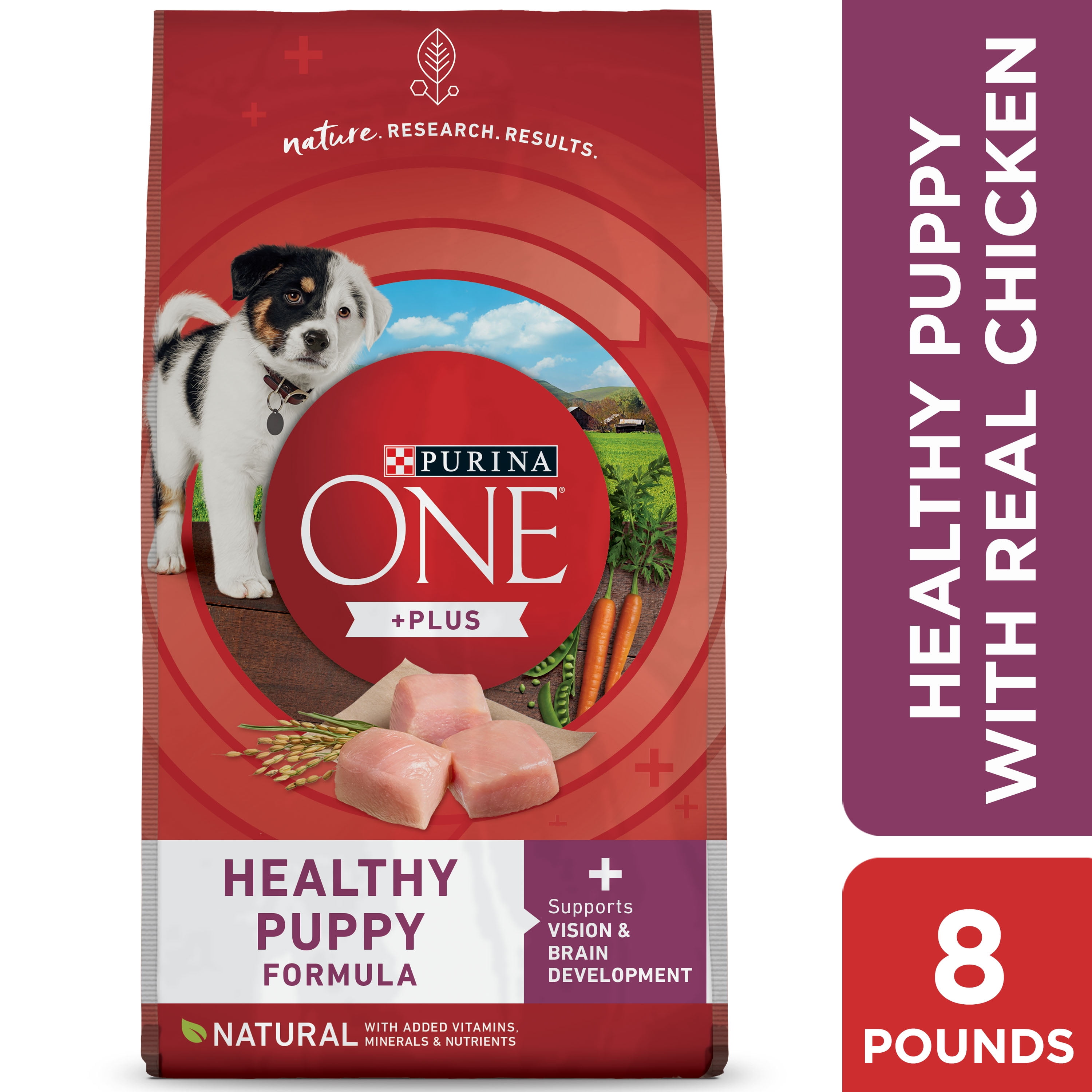
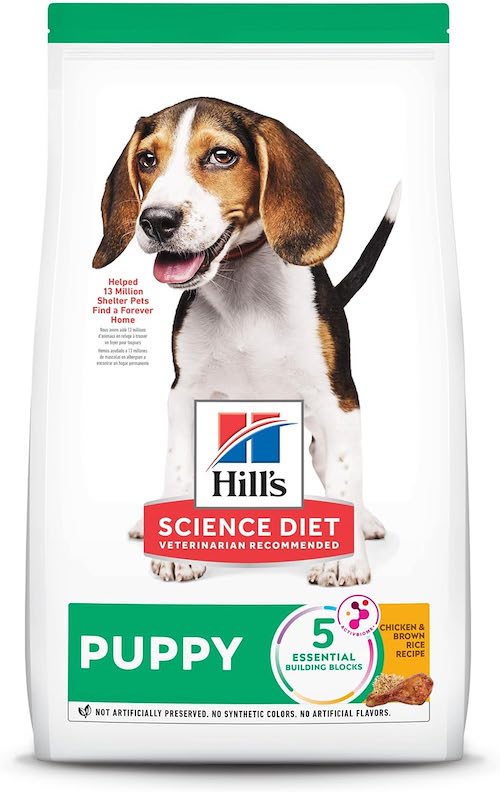
The foundation for a long, healthy, and happy life for any dog begins during puppyhood, and a significant cornerstone of this foundation is the provision of healthy puppy food. This term encompasses much more than just a bag of kibble; it refers to a carefully formulated diet designed to meet the intense and specific nutritional demands of a rapidly growing young dog. Understanding what constitutes healthy puppy food is paramount for dog owners, as the choices made during this critical developmental phase directly impact a puppy’s physical growth, immune system development, energy levels, cognitive function, and even long-term behavioral patterns. Proper nutrition in early life can mitigate future health issues, support optimal organ development, and ensure a puppy has the vitality to learn and explore its world effectively.
💡 Pet Care Key Takeaways:
- Core Focus: Practical health, nutrition, and wellness guidelines for Healthy Puppy Food.
- Target Scope: Pet owners, animal caregivers, and veterinary support staff.
- Best Recommendation: Maintain consistent daily routines and consult an accredited veterinarian before introducing major diet or medical changes.
Common Causes and Key Factors
The primary factor driving the unique requirements for healthy puppy food is the extraordinary rate of growth experienced by young dogs. Unlike adult dogs, puppies need a significantly higher caloric intake per pound of body weight, as well as elevated levels of protein and fat to support muscle, bone, and organ development. Essential fatty acids, particularly DHA (docosahexaenoic acid), are crucial for brain and vision development. For more related activities, check out our Home Remedy For Dog With Struvite Crystals.
Key factors influencing the choice of healthy puppy food include:
- Age and Developmental Stage: Puppies transition through several growth phases, with their nutritional needs shifting accordingly. Most puppy foods are formulated for the intense growth phase from weaning until about one year of age, though large and giant breeds may require puppy-specific diets for longer periods.
- Breed Size: Large and giant breed puppies have specific requirements to support slower, more controlled bone growth, preventing issues like hip and elbow dysplasia. Their food often contains lower calcium-to-phosphorus ratios and specific calorie densities. Small and medium breeds, conversely, need diets tailored to their faster metabolisms and growth spurts.
- Ingredient Quality: A healthy puppy food prioritizes high-quality, digestible ingredients. Named meat (e.g., chicken, lamb, salmon) as the first ingredient is a strong indicator of a good protein source. Wholesome grains (like brown rice, oats) or alternative carbohydrates (like sweet potato, peas) provide energy and fiber. Essential vitamins, minerals, and antioxidants are also crucial.
- AAFCO Statement: Reputable puppy foods carry a statement from the Association of American Feed Control Officials (AAFCO) confirming the food is “complete and balanced for growth” or “for all life stages,” ensuring it meets the minimum nutritional requirements established for puppies.
- Avoidance of Unnecessary Additives: Healthy puppy foods generally avoid artificial colors, flavors, and excessive fillers, which offer little nutritional value and can sometimes trigger sensitivities.
Signs and Symptoms to Observe
Observing a puppy’s physical condition and behavior provides valuable insights into the effectiveness of its diet. A puppy thriving on healthy food typically displays several positive indicators, while a diet lacking essential nutrients or being poorly digested can manifest in noticeable signs.
Signs of a Healthy Diet:
- Shiny, Soft Coat: The fur should be lustrous, soft to the touch, and free from excessive dandruff or dryness, indicating good fatty acid intake.
- Appropriate Energy Levels: Puppies should be playful, curious, and energetic, without being hyperactive or lethargic. Their energy should be sustained throughout the day, not punctuated by extreme highs and lows.
- Well-Formed Stools: Feces should be firm, consistent in color, and relatively small in volume, suggesting good digestion and nutrient absorption.
- Steady Growth and Ideal Weight: A puppy should grow steadily, gaining weight appropriately for its breed and age, without appearing too thin or overweight. Ribs should be palpable but not visibly prominent.
- Bright, Clear Eyes: Eyes should be free of discharge and have a bright, alert appearance.
- Healthy Gums and Teeth: Gums should be pink, and teeth should appear clean and strong (as they emerge).
- Alert and Engaged Behavior: A well-nourished puppy is generally alert, eager to learn, and shows appropriate interest in its surroundings.
Signs of an Inadequate Diet:
- Dull, Dry Coat or Skin Issues: A lackluster coat, excessive shedding, dry flaky skin, or persistent itching can indicate nutritional deficiencies.
- Low Energy or Hyperactivity: Lethargy, weakness, or conversely, uncontrolled hyperactivity can sometimes be diet-related.
- Digestive Upsets: Frequent diarrhea, constipation, vomiting, excessive gas, or an upset stomach are strong indicators that the food may not be suitable.
- Poor Growth or Development: A puppy failing to gain weight, appearing stunted, or developing bone abnormalities requires immediate attention.
- Unusual Eating Habits: Pica (eating non-food items) or excessive begging can sometimes stem from nutritional imbalances.
Practical Solutions and Management Strategies
Ensuring a puppy receives healthy food involves careful selection, proper feeding practices, and ongoing observation. Strategic management of a puppy’s diet can prevent many common health issues and support optimal development.
- Research and Select a High-Quality Puppy Food: Investigate reputable brands that prioritize high-quality, digestible ingredients, and meet AAFCO nutritional standards for growth. Consider breed-specific formulations if applicable, especially for large and giant breeds. Consult with the breeder or a veterinarian for recommendations tailored to a puppy’s specific needs.
- Read Food Labels Thoroughly: Look for a named meat source as the first ingredient. Understand the guaranteed analysis (protein, fat, fiber content) and the complete ingredient list. Avoid foods with excessive fillers, artificial colors, or vague ingredient descriptions like “meat by-products.”
- Implement a Gradual Food Transition: If changing a puppy’s food, introduce the new food slowly over 7-10 days. Start by mixing 25% new food with 75% old food, gradually increasing the new food’s proportion each day. This helps prevent digestive upset.
- Establish a Consistent Feeding Schedule: Puppies typically require 3-4 meals per day, depending on their age and size. Consistency helps regulate digestion and establishes a routine. Follow the feeding guidelines provided on the food packaging, adjusting as necessary based on the puppy’s individual growth and energy levels.
- Practice Portion Control: Overfeeding can lead to obesity and rapid growth, which is particularly detrimental for large breeds and can predispose them to orthopedic problems. Underfeeding can lead to malnutrition and stunted growth. Use a measuring cup to ensure accurate portions, and regularly assess the puppy’s body condition score.
- Provide Constant Access to Fresh Water: Hydration is just as vital as food. Always ensure clean, fresh water is available in multiple locations.
- Choose Healthy Treats Wisely: Treats should be given in moderation and chosen carefully. Opt for single-ingredient treats or those specifically designed for puppies. Treats should not comprise more than 10% of a puppy’s daily caloric intake.
- Store Food Properly: Keep dry food in an airtight container in a cool, dry place to maintain freshness and prevent spoilage. Opened wet food should be refrigerated and used within a few days.
When Professional Help May Be Needed
While many dietary adjustments can be made at home, certain signs and symptoms warrant immediate veterinary consultation. Early intervention can prevent minor issues from escalating into serious health concerns.
- Persistent Digestive Issues: If a puppy experiences continuous vomiting, diarrhea that lasts for more than 24-48 hours, or significant constipation, professional advice is crucial. These could indicate food sensitivities, parasitic infections, or more serious underlying conditions.
- Lack of Appetite or Refusal to Eat: A sudden or prolonged refusal to eat, especially when accompanied by lethargy, is always a cause for concern and requires veterinary evaluation.
- Failure to Thrive or Grow: If a puppy is not gaining weight appropriately, appears stunted, or seems significantly smaller than littermates or breed standards, a veterinarian can assess for nutritional deficiencies or underlying health problems.
- Sudden Weight Loss or Gain: Any unexplained, rapid change in weight should be investigated by a professional.
- Allergic Reactions: Symptoms such as persistent itching, skin redness, hair loss, ear infections, facial swelling, or difficulty breathing after consuming new food indicate a potential allergy or intolerance that needs veterinary diagnosis and management.
- Unusual Lethargy or Hyperactivity: While energy levels vary, extreme changes or consistent lethargy or uncontrolled hyperactivity that cannot be attributed to normal puppy antics should be discussed with a veterinarian.
- Specific Dietary Requirements: For puppies with diagnosed medical conditions (e.g., kidney issues, heart conditions, diabetes, severe allergies), a veterinarian can recommend therapeutic diets or work with a veterinary nutritionist to formulate a specialized plan.
- Concerns About Bone or Joint Development: For large and giant breeds, any signs of lameness, limping, or unusual gait should prompt a veterinary visit, as diet plays a critical role in preventing orthopedic issues.
Conclusion
The journey of raising a healthy puppy is rich with rewards, and a fundamental aspect of this journey is providing the right nutrition. Understanding what constitutes healthy puppy food, recognizing the specific needs of developing dogs, and carefully observing their response to their diet are crucial responsibilities for every dog owner. By selecting high-quality, age-appropriate, and breed-specific foods, implementing consistent feeding practices, and being vigilant for any signs of dietary imbalance or intolerance, owners empower their puppies to grow into robust, well-adjusted adult dogs. Regular communication with veterinary professionals ensures that dietary choices consistently support a puppy’s evolving health, paving the way for a lifetime of well-being and companionship.
Pet Care & Wellness Overview Table
| Life Stage | Daily Activity Level | Key Nutrition / Care Focus |
|---|---|---|
| Puppy / Kitten | High (frequent short bursts) | High-protein growth diet & early socialization |
| Adult Companion | Moderate (30–60 mins daily) | Balanced maintenance nutrition & dental hygiene |
| Senior Pets | Low to Gentle (mindful walks) | Joint support (Glucosamine) & routine vet checks |
Images References





For more expert pet care tips and advice, check out our dedicated Dog Health guides to keep your companions healthy and happy.


