
Introduction
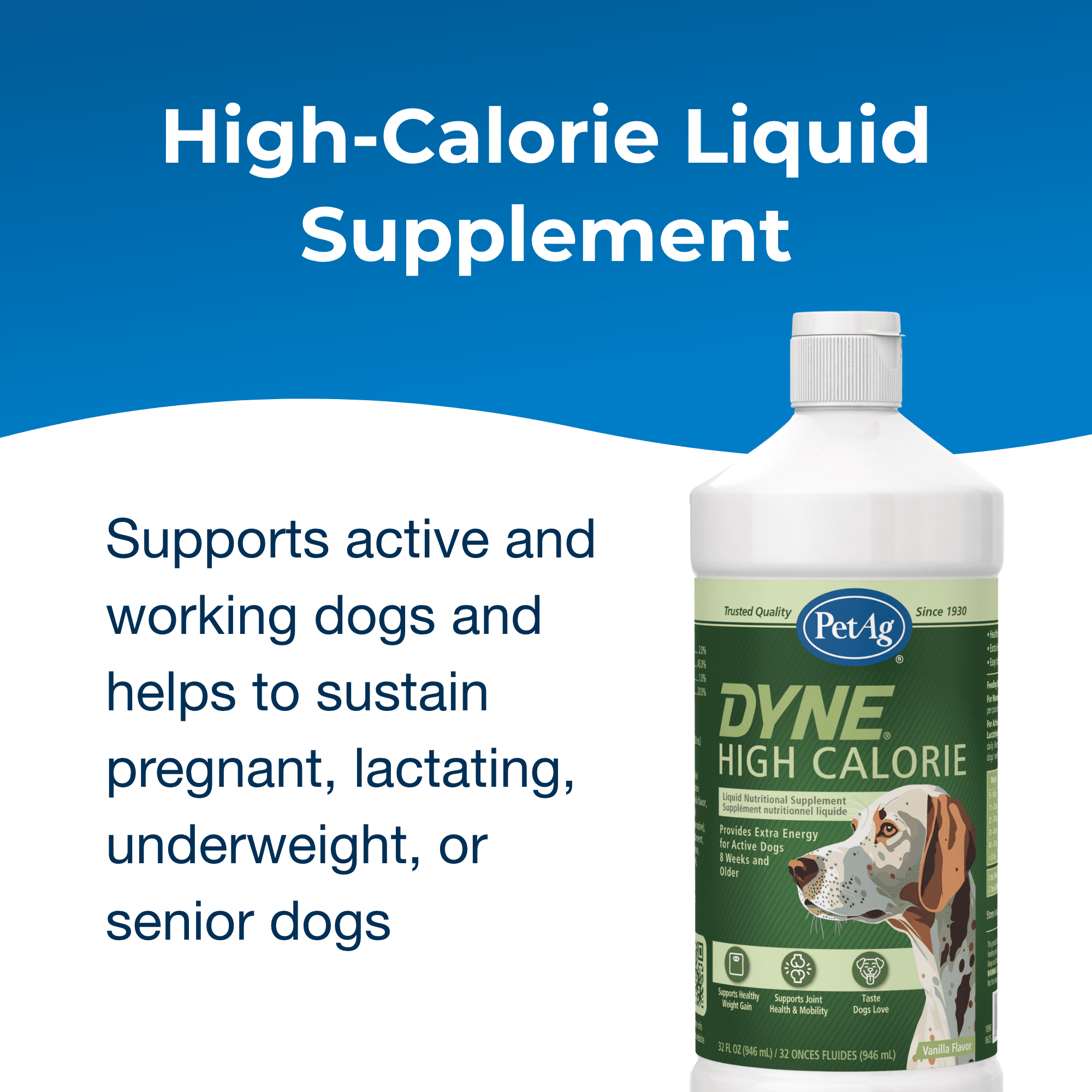
The initial stages of a dog’s life are crucial for their long-term health and development. Puppies grow at an astonishing rate, often doubling or even tripling their birth weight in a matter of weeks. This rapid development demands a significant amount of energy and nutrients. A high-calorie puppy supplement is a specialized nutritional product designed to provide concentrated energy and essential nutrients beyond what might be available in a regular puppy diet. It serves as a vital tool for supporting puppies that require additional caloric intake due to various circumstances, ensuring they receive the necessary fuel for optimal growth, immune system development, and overall vitality. Understanding when and why such a supplement might be beneficial can significantly contribute to a puppy’s well-being, setting the foundation for a healthy and thriving life.
💡 Pet Care Key Takeaways:
- Core Focus: Practical health, nutrition, and wellness guidelines for High Calorie Puppy Supplement.
- Target Scope: Pet owners, animal caregivers, and veterinary support staff.
- Best Recommendation: Maintain consistent daily routines and consult an accredited veterinarian before introducing major diet or medical changes.
Common Causes and Key Factors
Several factors can indicate a puppy might benefit from a high-calorie supplement. The primary reason is often the immense energy demands of rapid growth. Puppies, particularly during their first few months, require significantly more calories per pound of body weight compared to adult dogs to fuel their developing bodies. For more related activities, check out our Pitbullnutrition.
Puppies classified as “runts” or those in exceptionally large litters may struggle to compete for their mother’s milk, leading to insufficient caloric intake. In such cases, a supplement can help bridge the nutritional gap, allowing them to catch up to their littermates in terms of weight and development.
Recovery from illness, surgery, or injury also increases a puppy’s metabolic needs. The body expends more energy on healing and rebuilding tissues, making additional calories crucial for a swift and complete recovery. Similarly, puppies undergoing significant stress, such as rehoming or weaning, might experience a temporary decrease in appetite, and a high-calorie puppy supplement can ensure they continue to receive vital nutrients.
Some puppies are naturally picky eaters or may have conditions that affect their appetite. A concentrated supplement can ensure these individuals still receive adequate nutrition without consuming large volumes of food. Certain highly active breeds or individual puppies with unusually high energy levels may also burn more calories than their regular food provides, necessitating supplementary caloric support to maintain a healthy weight and energy balance.
Signs and Symptoms to Observe
Observing a puppy’s physical condition and behavior can help determine if a high-calorie puppy supplement might be beneficial. One of the most common indicators is a visible lack of body mass; a puppy appearing thin, with ribs, spine, or hip bones easily palpable or visible, despite being fed an appropriate amount of high-quality puppy food. This can be particularly concerning if the puppy is not gaining weight or is losing weight.
Another key sign is a noticeable lack of energy or lethargy. While puppies are known for periods of rest, excessive sleeping, reluctance to play, or appearing unusually subdued compared to littermates or other puppies can suggest inadequate energy intake. A dull, dry, brittle, or sparse coat condition, often lacking the shine and softness typical of a healthy puppy, can also point to nutritional deficiencies.
A slower-than-expected growth rate for the puppy’s breed and age is a significant indicator. Regular weight checks are essential for monitoring progress. Puppies that consistently refuse meals, eat very little, or display extreme pickiness might also be struggling to meet their caloric needs. Additionally, a weakened immune system, leading to frequent minor illnesses or a prolonged recovery time, can sometimes be linked to insufficient nutrition. These signs can vary based on the puppy’s age, breed, and environmental factors, making consistent observation crucial.
Practical Solutions and Management Strategies
When considering a high-calorie puppy supplement, the initial step involves consulting a veterinarian. This ensures that any underlying health issues contributing to a puppy’s low weight or poor condition are identified and addressed. A veterinarian can provide tailored recommendations, including specific brands and appropriate dosages.
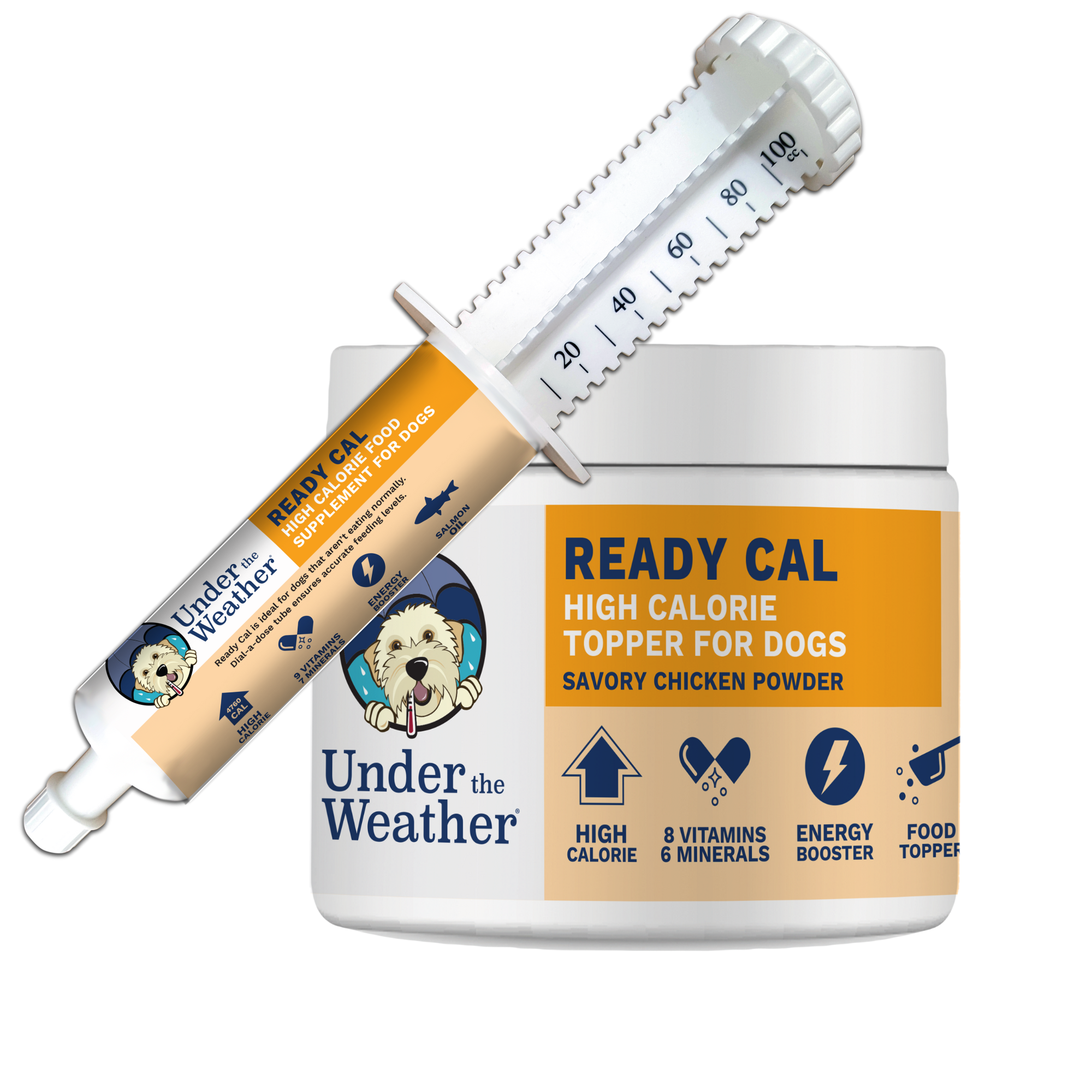
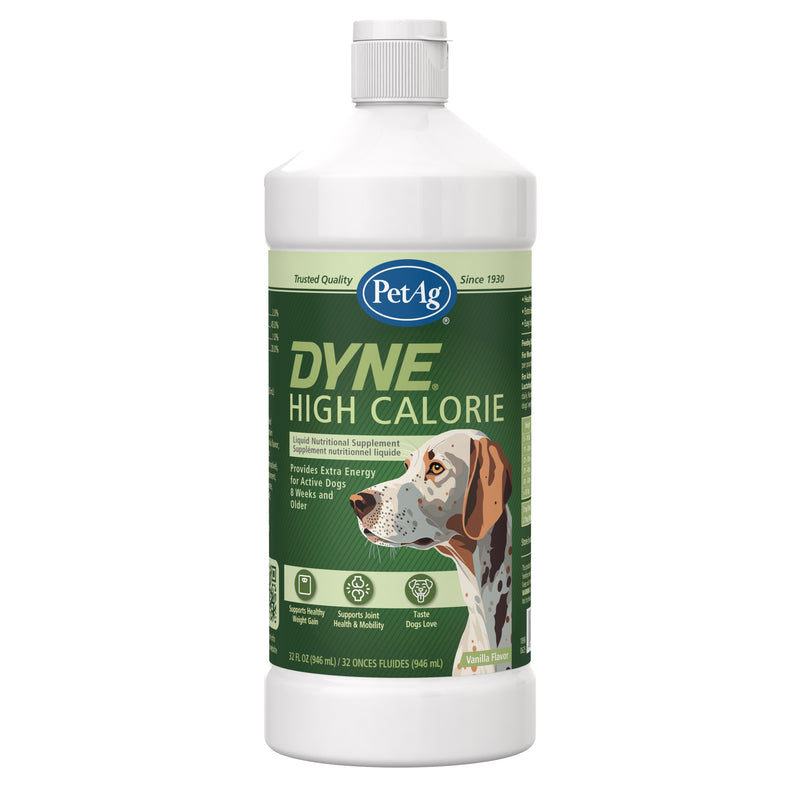
High-calorie puppy supplements are available in various forms, such as gels, pastes, liquids, or powders. Gels and pastes are often highly palatable and can be given directly or mixed with food. Powders can be sprinkled over meals, while liquid forms can be added to water or food. The choice of form often depends on the puppy’s preference and ease of administration.
Careful attention to the supplement’s ingredients is important. Look for products rich in healthy fats (like fish oil or vegetable oils), easily digestible proteins, and a balanced profile of vitamins and minerals. These components are vital for energy, muscle development, and overall bodily functions. Strict adherence to the manufacturer’s or veterinarian’s dosage instructions is paramount to avoid over-supplementation, which can lead to digestive upset or other health problems.
Beyond supplements, ensuring the puppy’s primary diet consists of a high-quality, age-appropriate puppy food is foundational. Sometimes, simply increasing the amount of regular puppy food can meet caloric needs, but for some individuals, the concentrated energy of a supplement is necessary. Monitoring the puppy’s weight, energy levels, appetite, and stool consistency regularly helps assess the effectiveness of the supplement and allows for timely adjustments. Creating a low-stress environment and ensuring access to fresh, clean water at all times also supports overall health and nutrient absorption.
When Professional Help May Be Needed
While high-calorie puppy supplements can be very beneficial, recognizing when professional veterinary intervention is necessary is crucial for a puppy’s health. If a puppy continues to lose weight, fails to gain weight, or exhibits a persistent lack of energy despite the consistent use of a high-calorie supplement, immediate veterinary consultation is warranted. These signs could indicate an underlying medical condition that requires specific diagnosis and treatment beyond nutritional support.
Symptoms such as severe lethargy, persistent vomiting, ongoing diarrhea, or any signs of pain or discomfort accompanying weight loss are red flags. Such issues suggest a more serious health problem, such as parasitic infections, gastrointestinal disorders, organ dysfunction, or other illnesses that a supplement cannot resolve on its own.
A veterinarian can perform comprehensive diagnostic tests, including blood work, fecal examinations, and imaging, to pinpoint the exact cause of a puppy’s failure to thrive. They can then recommend a targeted treatment plan, which may include prescription medications, dietary changes, or specialized therapeutic diets. Additionally, a professional can offer expert guidance on the appropriate type, dosage, and duration of high-calorie supplementation specific to an individual puppy’s needs, ensuring safety and effectiveness. Relying solely on supplements without addressing potential underlying health concerns can delay critical treatment and compromise a puppy’s long-term health.
Conclusion
High-calorie puppy supplements play a significant role in supporting the growth and development of puppies with increased nutritional needs. They offer a concentrated source of energy and essential nutrients, proving invaluable for underweight puppies, those recovering from illness, individuals in large litters, or particularly active youngsters. Understanding the signs that a puppy might benefit from such a supplement, ranging from visible low body weight to persistent lethargy or poor coat condition, empowers owners to act proactively.
The thoughtful integration of these supplements, always under professional veterinary guidance, ensures that puppies receive the specific support required for their unique situations. Consistent observation of a puppy’s health and development remains paramount. By combining appropriate high-calorie supplementation with a high-quality diet and a caring environment, owners can help set their puppies on a path towards robust health, vitality, and a happy future.
Pet Care & Wellness Overview Table
| Life Stage | Daily Activity Level | Key Nutrition / Care Focus |
|---|---|---|
| Puppy / Kitten | High (frequent short bursts) | High-protein growth diet & early socialization |
| Adult Companion | Moderate (30–60 mins daily) | Balanced maintenance nutrition & dental hygiene |
| Senior Pets | Low to Gentle (mindful walks) | Joint support (Glucosamine) & routine vet checks |
Images References




For more expert pet care tips and advice, check out our dedicated Dog Nutrition guides to keep your companions healthy and happy.




