

Introduction
The topic of “vitamins to add to dog food” often arises for devoted pet owners seeking to optimize their canine companion’s health. While most high-quality commercial dog foods are formulated to be nutritionally complete and balanced, there are specific circumstances where additional vitamin supplementation might be considered or even necessary. Understanding when and why adding vitamins could be beneficial, and more importantly, the potential risks involved, is crucial for responsible pet ownership. This discussion aims to clarify the role of vitamins in canine nutrition and provide guidance on how to approach supplementation thoughtfully, ultimately contributing to a dogs optimal well-being and vitality.
💡 Pet Care Key Takeaways:
- Core Focus: Practical health, nutrition, and wellness guidelines for Vitamins To Add To Dog Food.
- Target Scope: Pet owners, animal caregivers, and veterinary support staff.
- Best Recommendation: Maintain consistent daily routines and consult an accredited veterinarian before introducing major diet or medical changes.
Common Causes and Key Factors
Several factors can prompt an inquiry into supplementing a dogs diet with vitamins. One common reason pertains to homemade diets. Dogs fed a diet prepared at home often require careful supplementation, as achieving a complete nutritional profile without expert formulation is challenging. Such diets, if not balanced precisely, can lead to significant vitamin deficiencies or excesses. For more related activities, check out our Pitbullnutrition.
Another key factor relates to specific life stages. Puppies, for instance, have unique growth requirements, while senior dogs may experience reduced nutrient absorption or increased needs due to age-related conditions. Pregnant or lactating dogs also have elevated nutritional demands to support themselves and their offspring. In these cases, a veterinarian might recommend specific vitamin additions.
Certain health conditions can also necessitate vitamin supplementation. Dogs recovering from illness, those with chronic diseases affecting nutrient absorption (such as gastrointestinal disorders), or canines with diagnosed vitamin deficiencies may benefit. Similarly, highly active dogs, like working dogs or canine athletes, might have increased metabolic demands that require extra support beyond a standard diet. Furthermore, some dogs might be consuming a commercial food that, despite claims, does not adequately meet all their individual nutritional needs, although this is less common with reputable brands.
Signs and Symptoms to Observe
Observing a dog for signs that might suggest a vitamin imbalance or deficiency is an important aspect of canine care. A dull, dry, or brittle coat and persistent skin issues, such as excessive shedding or flaky skin, can be indicators. Reduced energy levels, lethargy, or a general disinterest in activities previously enjoyed might also signal an underlying issue.
Changes in appetite, either a significant decrease leading to weight loss or unusual cravings, can be relevant. Digestive upset, including chronic diarrhea, constipation, or vomiting, without other clear causes, may also point towards nutritional deficiencies. A weakened immune system, characterized by frequent infections or prolonged recovery times from illness, is another potential symptom.
Moreover, problems with bone or joint health, such as lameness, stiffness, or difficulty moving, particularly in growing puppies or older dogs, could be related to insufficient intake of specific vitamins and minerals crucial for skeletal development and maintenance. In some instances, behavioral changes, such as increased irritability, anxiety, or unusual habits like eating non-food items (pica), might also stem from nutritional imbalances. These signs can vary significantly depending on a dogs age, breed, and overall health status, making careful observation and professional assessment vital.
Practical Solutions and Management Strategies
Addressing potential vitamin needs in a dog’s diet requires a careful and informed approach. The most critical first step involves a comprehensive consultation with a veterinarian. A veterinarian can accurately assess a dog’s current dietary intake, review health history, and conduct diagnostic tests to identify any specific deficiencies or conditions that might warrant supplementation. Self-diagnosing or arbitrarily adding vitamins can lead to harmful imbalances, as excessive amounts of certain vitamins can be as detrimental as deficiencies.
If a deficiency is confirmed, the veterinarian can recommend a suitable course of action. This might involve adjusting the existing diet to a higher-quality commercial food, formulating a complete and balanced homemade diet plan with precise supplementation, or prescribing specific vitamin supplements. These supplements are often formulated specifically for canines, taking into account their unique metabolic pathways and recommended daily allowances.
When supplements are introduced, strict adherence to the prescribed dosage is paramount. Over-supplementation, particularly with fat-soluble vitamins (A, D, E, K), can accumulate in the body and become toxic. Monitoring a dog’s response to the new regimen is also crucial; observations regarding improvements in coat condition, energy levels, digestion, and overall demeanor should be reported to the veterinarian for potential adjustments. Furthermore, prioritizing a high-quality, complete, and balanced commercial dog food as the foundation of the diet often minimizes the need for extensive additional supplementation, as these products are designed to meet a dog’s baseline nutritional requirements.
When Professional Help May Be Needed
Professional veterinary help is not merely an option but a necessity when considering “vitamins to add to dog food.” Any suspected nutritional deficiency or the contemplation of dietary changes, including supplementation, should always begin with a veterinary consultation. A veterinarian possesses the expertise to accurately diagnose underlying health issues that might mimic or cause vitamin deficiencies through blood tests, dietary analysis, and physical examinations.
Professional guidance is particularly crucial before initiating any new vitamin regimen. Without proper veterinary assessment, there is a significant risk of providing inappropriate supplements, incorrect dosages, or potentially harmful interactions with existing medications or health conditions. For dogs on homemade diets, collaborating with a board-certified veterinary nutritionist is highly recommended to ensure the diet is nutritionally complete and balanced, often requiring specific vitamin and mineral additions.
Furthermore, if a dog exhibits persistent or worsening symptoms despite dietary adjustments or current supplementation, immediate veterinary attention is warranted. Such signs could indicate a more serious underlying health problem that requires medical intervention beyond simple vitamin additions. Regular veterinary check-ups are also essential for monitoring a dog’s overall health and nutritional status throughout its life.
Conclusion
The thoughtful consideration of “vitamins to add to dog food” underscores a dog owner’s dedication to their pet’s health. While modern commercial dog foods are generally well-formulated, specific situations such as homemade diets, unique life stages, or certain health conditions can create a genuine need for targeted vitamin supplementation. However, the path to optimizing a dog’s nutritional intake is best navigated with professional veterinary guidance. Responsible supplementation, informed by accurate diagnosis and precise recommendations, ensures that a dog receives the nutrients it needs without the risks of imbalances or toxicity. Through careful observation, consistent care, and expert advice, dogs can enjoy a diet that truly supports their vitality and overall quality of life.
Pet Care & Wellness Overview Table
| Life Stage | Daily Activity Level | Key Nutrition / Care Focus |
|---|---|---|
| Puppy / Kitten | High (frequent short bursts) | High-protein growth diet & early socialization |
| Adult Companion | Moderate (30–60 mins daily) | Balanced maintenance nutrition & dental hygiene |
| Senior Pets | Low to Gentle (mindful walks) | Joint support (Glucosamine) & routine vet checks |
Images References





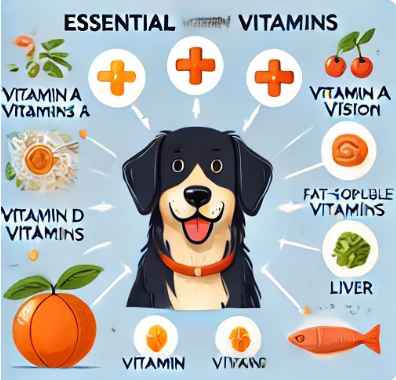


For more expert pet care tips and advice, check out our dedicated Dog Nutrition guides to keep your companions healthy and happy.




