
Introduction
The concept of a “hills brain diet” refers to specialized nutritional approaches, often associated with brands like Hill’s Pet Nutrition, designed to support and enhance canine cognitive health. As beloved companions age, their cognitive functions can naturally decline, similar to humans. Understanding how diet impacts a dog’s brain is crucial for maintaining their quality of life and ensuring their mental well-being. This dietary focus is particularly relevant for senior dogs experiencing or at risk of developing cognitive dysfunction syndrome (CDS), but it can also benefit younger dogs by promoting overall brain health from an early age. By recognizing the role of specific nutrients in brain function, dog owners can make informed choices that contribute significantly to a dogs behavior, vitality, and enduring happiness.
💡 Pet Care Key Takeaways:
- Core Focus: Practical health, nutrition, and wellness guidelines for Hills Brain Diet.
- Target Scope: Pet owners, animal caregivers, and veterinary support staff.
- Best Recommendation: Maintain consistent daily routines and consult an accredited veterinarian before introducing major diet or medical changes.
Common Causes and Key Factors
The need for a brain-supportive diet primarily stems from several key biological and environmental factors that can impact canine cognitive function. The most significant factor is aging. As dogs enter their senior years, their brains undergo changes such as increased oxidative stress, reduced neurotransmitter production, inflammation, and decreased neural plasticity. These changes can collectively lead to cognitive decline. For more related activities, check out our Pitbullnutrition.
Oxidative stress, caused by an imbalance between free radicals and antioxidants, can damage brain cells and impair their function. Chronic inflammation throughout the body can also extend to the brain, further exacerbating cognitive issues. Furthermore, a lack of specific nutrients vital for brain health can hinder optimal cognitive function at any age. Key nutritional components that play a critical role in supporting brain health include:
- Omega-3 Fatty Acids: Docosahexaenoic acid (DHA) and Eicosapentaenoic acid (EPA) are crucial for brain structure and function, helping to reduce inflammation and support neuronal membrane health.
- Antioxidants: Vitamins E and C, selenium, and various plant-based compounds like flavonoids help neutralize free radicals and protect brain cells from oxidative damage.
- Medium-Chain Triglycerides (MCTs): These fatty acids can provide an alternative energy source for the brain, which can be beneficial when glucose metabolism becomes less efficient in aging brains.
- B Vitamins: Essential for nerve function and neurotransmitter synthesis.
- L-Carnitine: Supports mitochondrial function and energy production within brain cells.
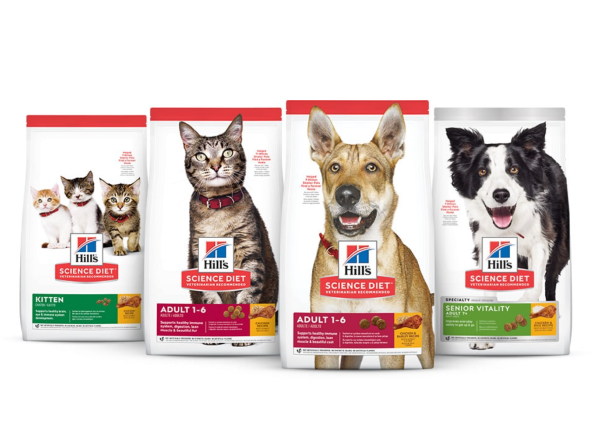
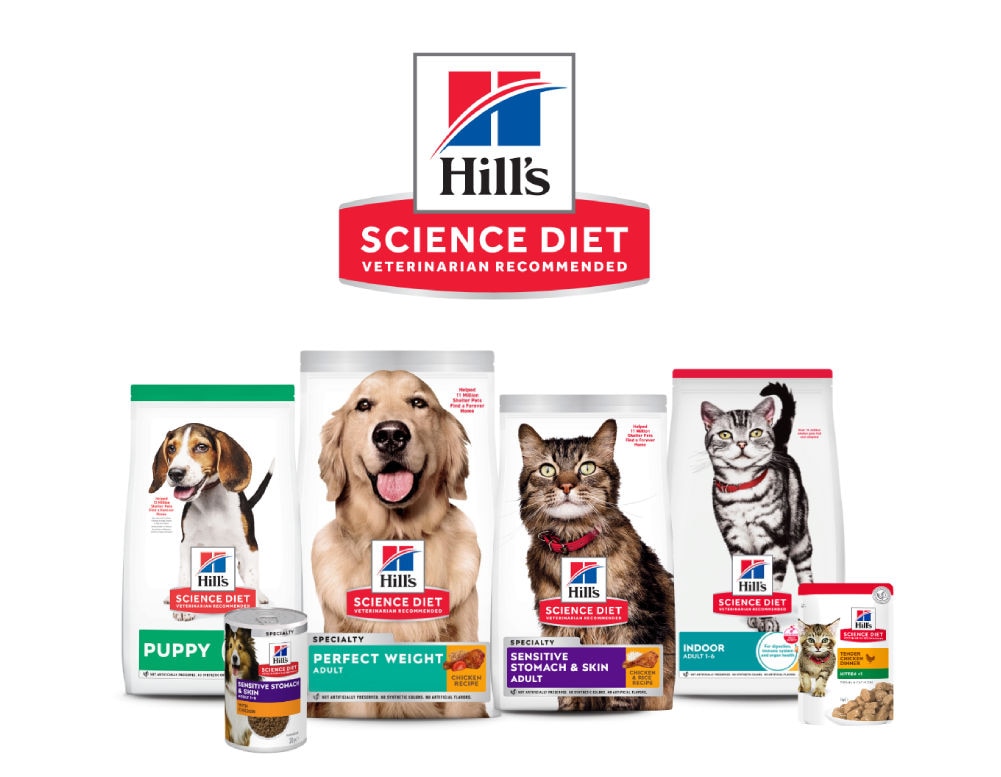
Diets like those from Hill’s formulated for brain health are often specifically enriched with these and other neuro-supportive ingredients to address these underlying causes and factors.
Signs and Symptoms to Observe
Recognizing the early signs of cognitive decline or impaired brain function allows for timely intervention, potentially slowing progression and improving a dog’s quality of life. Owners should observe any changes in a dog’s behavior or routine that are not easily explained by other medical conditions.
Common indicators of cognitive changes or issues that a “hills brain diet” might address include:
- Disorientation: Dogs might appear confused in familiar surroundings, stare blankly at walls, or struggle to navigate obstacles.
- Changes in Social Interaction: A once-affectionate dog might become withdrawn, less responsive to commands, or show increased irritability towards family members or other pets. Conversely, some dogs may become more clingy.
- Sleep-Wake Cycle Disturbances: Restlessness, pacing, or vocalizing at night, coupled with excessive sleeping during the day, can be a clear sign of cognitive shifts.
- House-Soiling: Dogs that were once perfectly housetrained may begin having accidents indoors, seemingly forgetting their learned behaviors.
- Activity Level Changes: A noticeable decrease in the desire to play, explore, or engage in previously enjoyed activities, or conversely, an increase in aimless wandering.
- Learning and Memory Impairment: Difficulty learning new commands or tricks, or forgetting previously learned ones.
These signs are most commonly observed in senior dogs, but the severity and combination of symptoms can vary based on individual age, breed predisposition, and overall health status. Consistent observation of these subtle shifts is key to early detection.
Practical Solutions and Management Strategies
Managing and improving canine cognitive health through a “hills brain diet” involves a multi-faceted approach, with specialized nutrition at its core. Dietary intervention, particularly with formulas designed for brain health, is a primary strategy.
Dietary Considerations:
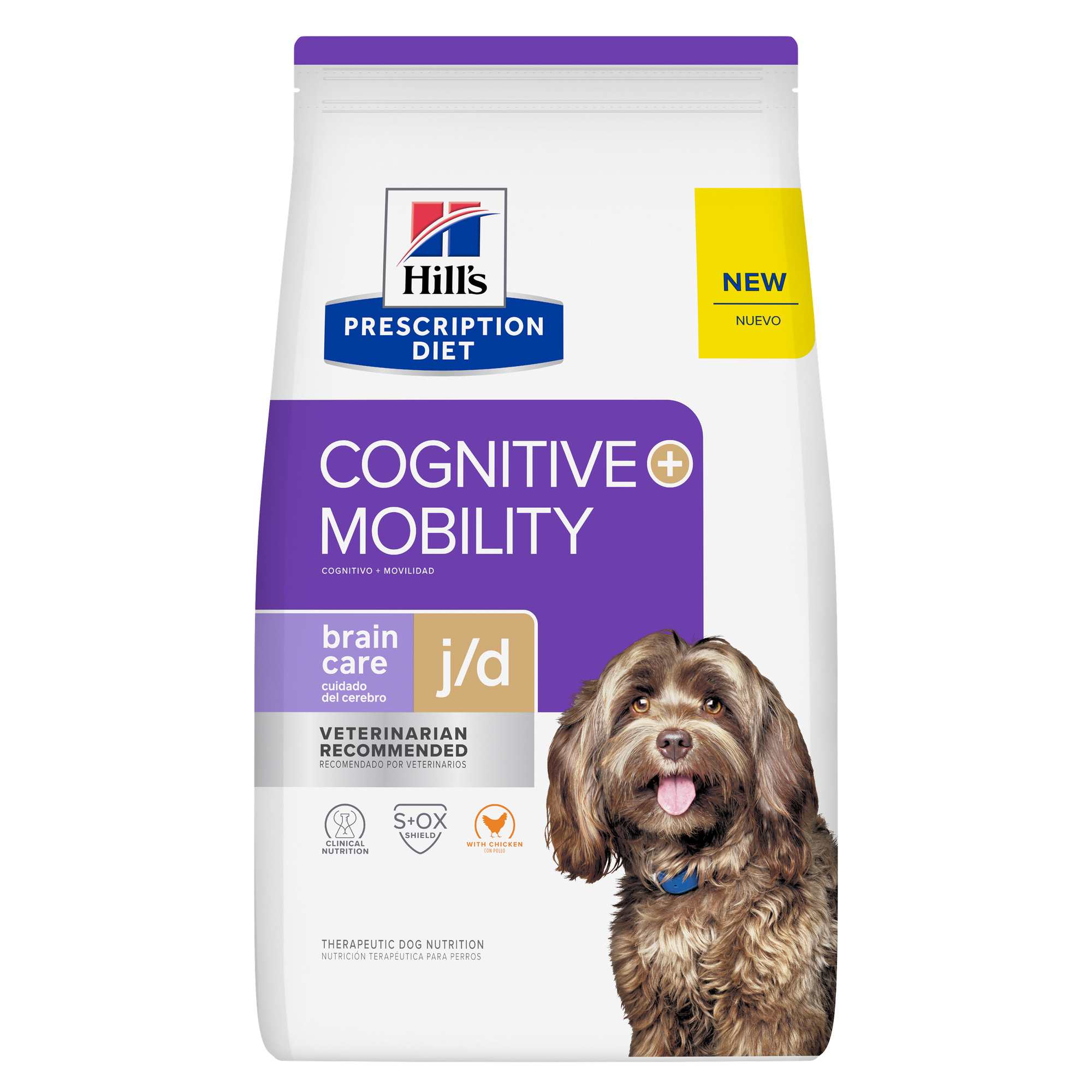
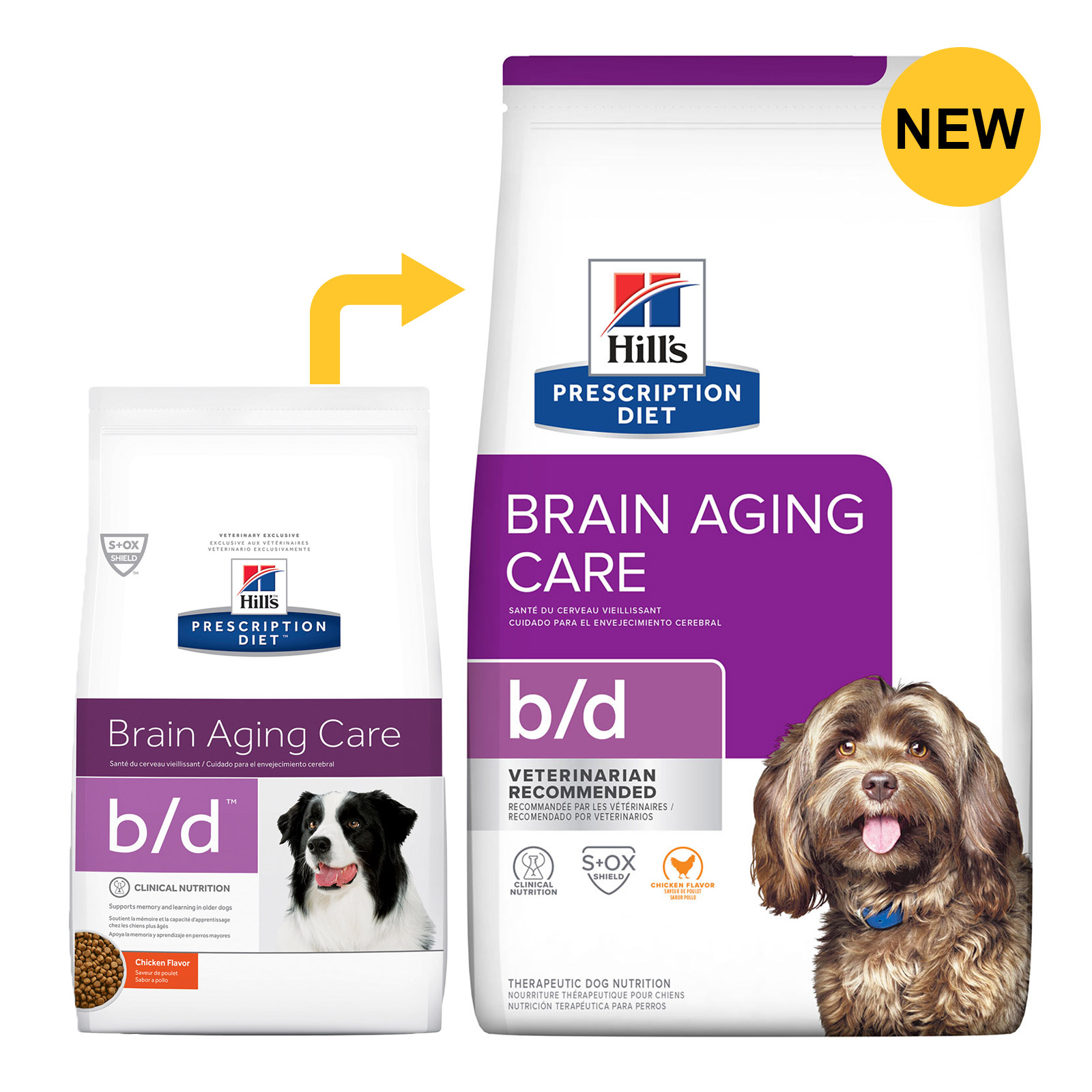
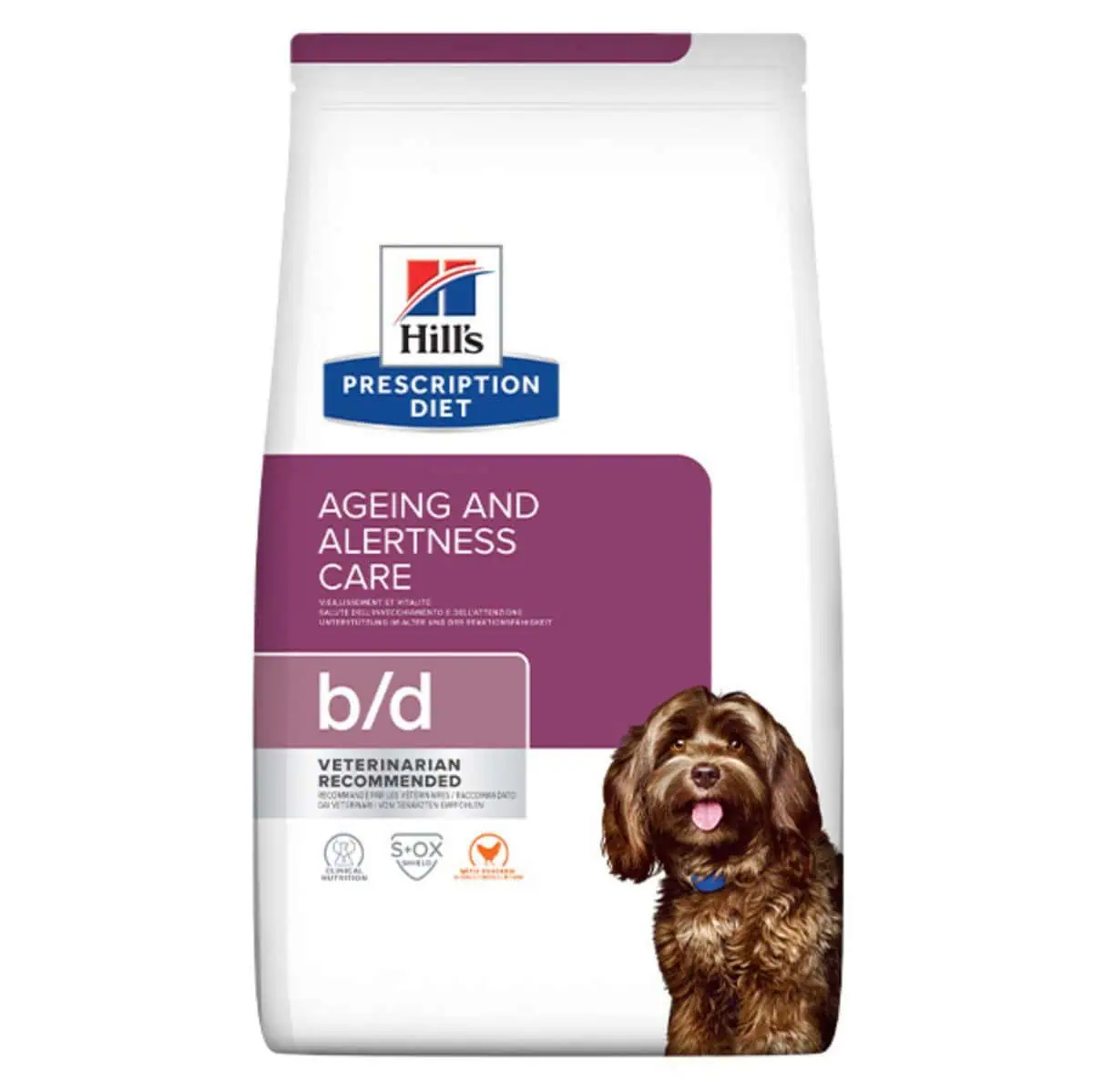
- Selecting a Specialized Diet: Products like Hill’s Prescription Diet b/d Canine are specifically formulated with ingredients known to support brain health, such as high levels of antioxidants, omega-3 fatty acids (DHA/EPA), and L-carnitine. These diets aim to combat oxidative stress and provide optimal fuel for brain function. When considering a dietary change, consultation with a veterinarian is essential to ensure the chosen diet is appropriate for the dog’s specific health needs and any existing medical conditions.
- Key Nutrient Focus: Regardless of the brand, owners should look for diets that emphasize ingredients proven to support neurological health. This includes generous amounts of DHA and EPA, a rich complex of antioxidants (e.g., vitamins E and C, selenium, blueberries, spinach), and potentially medium-chain triglycerides (MCTs).
Beyond Diet, Other Supportive Strategies Include:
- Environmental Enrichment: Providing regular mental stimulation through puzzle toys, interactive feeders, and scent games can help keep a dog’s mind active and engaged. Introducing new, safe toys or rotating existing ones can also maintain interest.
- Consistent Routine: Establishing and maintaining a predictable daily schedule for feeding, walks, and potty breaks can significantly reduce anxiety and confusion in dogs experiencing cognitive changes.
- Regular, Gentle Exercise: Physical activity, tailored to a dog’s age and physical condition, promotes healthy blood flow to the brain and reduces stress. Short, frequent walks are often more beneficial than long, strenuous ones for senior dogs.
- Social Interaction: Continued positive interaction with family members and appropriate exposure to other pets helps maintain social skills and emotional well-being.
- Comfortable and Safe Environment: Ensuring easy access to food, water, and resting areas, especially for dogs with mobility issues or disorientation, is crucial. Nightlights can help dogs navigate in the dark.
Implementing these strategies in conjunction with a brain-supportive diet provides a holistic approach to managing and improving canine cognitive function.
When Professional Help May Be Needed
While dietary adjustments and environmental enrichment are vital, there are specific situations where professional veterinary consultation or specialized behavioral support becomes imperative. It is crucial to seek veterinary guidance whenever significant changes in a dog’s behavior or health are observed.
- Diagnosis of Cognitive Dysfunction Syndrome (CDS): A veterinarian can accurately diagnose CDS, distinguishing it from other medical conditions that might present with similar symptoms, such as thyroid disease, organ failure, sensory deficits, or arthritis pain. A proper diagnosis ensures the most appropriate treatment plan is put in place.
- Sudden or Severe Behavioral Changes: Any rapid onset or severe progression of disorientation, aggression, extreme anxiety, or uncontrolled house-soiling warrants immediate veterinary attention. These could indicate more serious underlying medical issues that require urgent treatment.
- Lack of Improvement: If, after implementing a “hills brain diet” and recommended environmental enrichment strategies for several weeks or months, a dog’s cognitive symptoms do not improve or continue to worsen, further veterinary evaluation is necessary. The veterinarian might suggest additional diagnostic tests or explore pharmaceutical interventions.
- Consideration of Medication: For dogs with moderate to severe CDS, a veterinarian might prescribe medications specifically designed to manage symptoms and potentially slow cognitive decline, often used in conjunction with a specialized diet.
- Nutritional Consultation: For complex cases or dogs with multiple health concerns, a referral to a board-certified veterinary nutritionist can provide tailored dietary recommendations that address both cognitive health and other medical needs.
- Behavioral Specialist Support: For behavioral issues stemming from cognitive changes, a certified professional dog trainer or veterinary behaviorist can offer advanced strategies for managing symptoms and improving a dog’s daily routine.
Taking a proactive and responsible approach by consulting with veterinary professionals ensures that a dog receives the best possible care for their cognitive health.
Conclusion
The “hills brain diet” concept underscores the profound impact of specialized nutrition on a dog’s cognitive health, particularly for aging companions. By understanding the critical role of key nutrients such as omega-3 fatty acids, antioxidants, and medium-chain triglycerides, owners can proactively support their dog’s brain function. Early observation of subtle behavioral changes, followed by appropriate dietary adjustments and environmental enrichment, can significantly improve a dog’s mental clarity, reduce anxiety, and enhance their overall quality of life. Embracing these strategies, in close consultation with veterinary professionals, empowers owners to provide comprehensive care. Supporting a dogs cognitive vitality is a testament to the cherished bond shared, contributing to a more engaged, happier, and healthier life for beloved canine family members.
Pet Care & Wellness Overview Table
| Life Stage | Daily Activity Level | Key Nutrition / Care Focus |
|---|---|---|
| Puppy / Kitten | High (frequent short bursts) | High-protein growth diet & early socialization |
| Adult Companion | Moderate (30–60 mins daily) | Balanced maintenance nutrition & dental hygiene |
| Senior Pets | Low to Gentle (mindful walks) | Joint support (Glucosamine) & routine vet checks |
Images References




For more expert pet care tips and advice, check out our dedicated Dog Nutrition guides to keep your companions healthy and happy.




