
Introduction
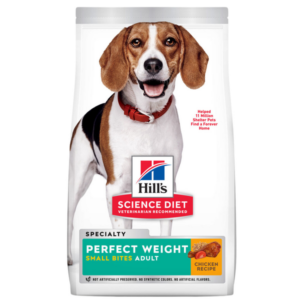
Maintaining an ideal weight is a cornerstone of a dogs overall health and longevity, yet it is a challenge faced by countless pet owners globally. Canine obesity and excess weight are prevalent issues that can significantly impact a dog’s quality of life, leading to various health complications. Recognizing the critical need for effective weight management, specialized nutritional solutions have been developed. Among these, Hill’s Science Diet Perfect Weight Dog Food stands out as a scientifically formulated option designed to help dogs achieve and maintain a healthy weight. Understanding the benefits and proper application of such a diet can profoundly improve a dogs well-being, mitigate health risks, and enhance its comfort and mobility, ultimately contributing to a happier and more active life. This article explores the importance of weight management and how specialized nutrition plays a vital role in supporting canine health.
💡 Pet Care Key Takeaways:
- Core Focus: Practical health, nutrition, and wellness guidelines for Hill's Science Diet Perfect Weight Dog Food.
- Target Scope: Pet owners, animal caregivers, and veterinary support staff.
- Best Recommendation: Maintain consistent daily routines and consult an accredited veterinarian before introducing major diet or medical changes.
Common Causes and Key Factors
The factors contributing to a dog’s weight gain are often multifaceted, encompassing both lifestyle and biological elements. A primary cause is an imbalance between caloric intake and energy expenditure; simply put, consuming more calories than are burned through activity. Overfeeding, often driven by generous portion sizes, frequent treats, or table scraps, provides excess energy that the body stores as fat. For more related activities, check out our Natural Balance Puppy Food Quantity Chart.
Lack of adequate physical activity is another significant contributor. Dogs, regardless of breed, require regular exercise to maintain muscle tone and burn calories. A sedentary lifestyle, often mirroring that of their human companions, can quickly lead to weight accumulation. Genetic predispositions also play a role, with certain breeds being more prone to weight gain than others due to metabolic differences. Age can also influence metabolism, as older dogs typically have lower energy requirements and are less active. Furthermore, medical conditions such as hypothyroidism or Cushing’s disease can lead to weight gain, making veterinary consultation crucial.
Hill’s Science Diet Perfect Weight Dog Food addresses these challenges by offering a precisely balanced nutritional profile. It is formulated with a synergistic blend of ingredients designed to help dogs feel full and satisfied while consuming fewer calories. The inclusion of high-quality protein helps maintain lean muscle mass during weight loss, while dietary fiber supports digestive health and satiety, preventing overeating. This scientific approach helps to reset a dogs metabolism and promote fat burning, making it an effective tool in managing a dog’s journey to its perfect weight.
Signs and Symptoms to Observe
Identifying whether a dog is overweight or obese requires careful observation of both physical indicators and behavioral changes. One of the most reliable methods is the body condition score, which assesses fat coverage over the ribs, spine, and waistline. A dog at its ideal weight should have easily palpable ribs with a thin layer of fat covering them. A visible waistline should be apparent when viewed from above, and the abdomen should tuck up slightly when viewed from the side.
For an overweight dog, these indicators are less distinct. Ribs become difficult or impossible to feel without firm pressure due to excess fat. The waistline may be absent or significantly wider, and the abdomen might appear distended or saggy. Behavioral signs often accompany physical changes, including reduced stamina and enthusiasm for exercise. An overweight dog may show reluctance to walk, play, or climb stairs, exhibiting labored breathing or appearing lethargic after minimal activity. Grooming difficulties, such as an inability to reach certain areas, and increased panting, even in cool conditions, are also common. These signs can manifest regardless of a dog’s age or breed, though their severity can vary. Recognizing these signals early is crucial for timely intervention and the successful implementation of a weight management plan.
Practical Solutions and Management Strategies
Implementing a successful weight management program for a dog involves a combination of dietary adjustments and increased physical activity. Transitioning to Hill’s Science Diet Perfect Weight Dog Food is a pivotal step. It is recommended to introduce the new food gradually over seven days, mixing increasing amounts of the Perfect Weight formula with decreasing amounts of the old food to avoid digestive upset. This allows the dog’s system to adjust smoothly to the new diet.
Portion control is paramount. Pet owners should strictly adhere to the feeding guidelines provided on the packaging of Hill’s Science Diet Perfect Weight Dog Food, which are typically based on the dog’s target weight rather than its current weight. Using a precise measuring cup and establishing a consistent feeding schedule, usually two meals a day, can help regulate caloric intake. It is also important to limit or eliminate high-calorie treats and table scraps, opting for low-calorie alternatives or small portions of the specialized kibble as rewards.
Alongside dietary changes, increasing a dogs physical activity is essential. Incorporating daily walks, playtime, and engaging activities tailored to the dogs current fitness level and breed characteristics can significantly contribute to calorie expenditure. Gradually increasing the duration and intensity of exercise, always ensuring the dog remains comfortable and not overexerted, supports weight loss and improves muscle tone. Regular weight checks, ideally weekly or bi-weekly, help monitor progress and allow for adjustments to feeding amounts if necessary. Consistency and patience are key to achieving and maintaining a dog’s perfect weight.
When Professional Help May Be Needed
While Hill’s Science Diet Perfect Weight Dog Food provides an excellent nutritional foundation for weight management, certain situations warrant professional veterinary consultation. If a dog is significantly overweight or obese, or if previous attempts at weight loss have been unsuccessful, a veterinarian can conduct a thorough examination to rule out underlying medical conditions such as hypothyroidism, metabolic disorders, or joint issues that could hinder weight loss or require specific treatment.
A veterinarian can also help determine a dog’s ideal target weight and calculate precise caloric requirements, which may differ from general guidelines. They can offer tailored advice on feeding strategies, exercise routines, and monitor progress safely. In cases where a dog shows extreme lethargy, sudden changes in appetite, or experiences difficulty with mobility, prompt veterinary attention is crucial. Furthermore, for dogs with complex health issues or those not responding to dietary changes, a referral to a board-certified veterinary nutritionist may be appropriate for highly specialized dietary plans and ongoing support. Consulting with a professional ensures that a dog’s weight management journey is safe, effective, and addresses all aspects of its health.
Conclusion
Achieving and maintaining a healthy weight is fundamental to a dog’s vitality and quality of life. The challenge of canine weight management requires a dedicated approach, and Hill’s Science Diet Perfect Weight Dog Food offers a scientifically formulated solution to support this crucial endeavor. By providing balanced nutrition that promotes satiety and lean muscle maintenance, this specialized diet empowers dog owners to take proactive steps towards their pet’s well-being. Coupled with careful portion control, consistent exercise, and regular monitoring, a comprehensive weight management plan can significantly reduce the risks associated with excess weight, such as joint problems, diabetes, and heart disease. Awareness, observation of physical and behavioral cues, and a willingness to seek professional guidance when necessary are all essential components. Prioritizing a dog’s perfect weight is an investment in its long-term health and happiness, ensuring a vibrant and active companionship for years to come.
Pet Care & Wellness Overview Table
| Life Stage | Daily Activity Level | Key Nutrition / Care Focus |
|---|---|---|
| Puppy / Kitten | High (frequent short bursts) | High-protein growth diet & early socialization |
| Adult Companion | Moderate (30–60 mins daily) | Balanced maintenance nutrition & dental hygiene |
| Senior Pets | Low to Gentle (mindful walks) | Joint support (Glucosamine) & routine vet checks |
Images References


For more expert pet care tips and advice, check out our dedicated Dog Nutrition guides to keep your companions healthy and happy.




