

Introduction
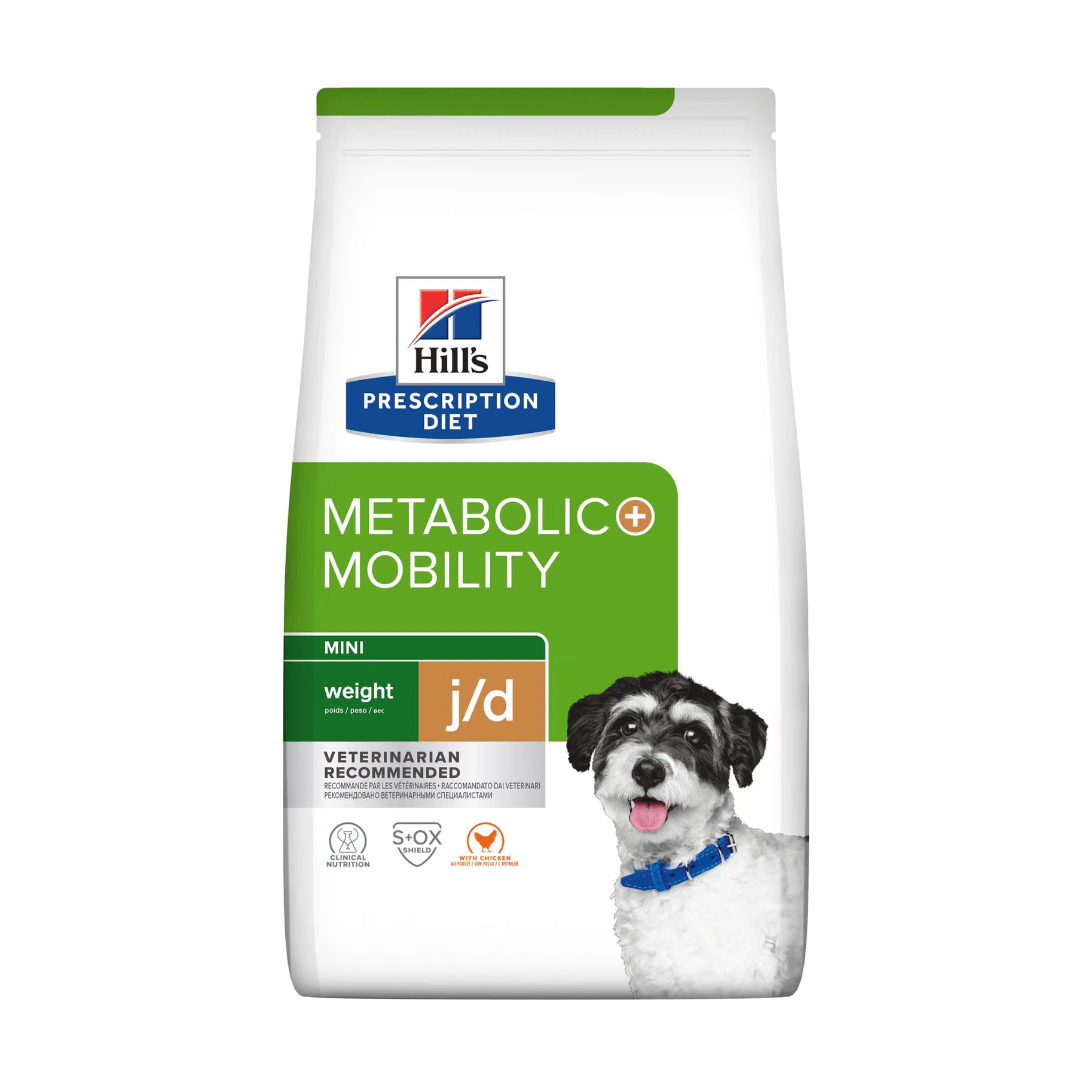
Understanding specialized dietary approaches is crucial for maintaining a dog’s optimal health and well-being. Among these, “Hills Metabolic Food” stands out as a scientifically formulated veterinary diet designed primarily to support weight management and metabolic health in dogs. Canine obesity is a widespread concern, affecting a significant percentage of the dog population across various breeds and ages. This condition can lead to numerous secondary health complications, including joint issues, diabetes, cardiovascular problems, and a reduced quality of life. Hills Metabolic Food offers a targeted nutritional strategy to address these challenges, helping dogs achieve and maintain a healthy weight. By understanding the principles behind this specialized diet, pet owners can better support their dog’s long-term health, vitality, and overall happiness.
💡 Pet Care Key Takeaways:
- Core Focus: Practical health, nutrition, and wellness guidelines for Hills Metabolic Food.
- Target Scope: Pet owners, animal caregivers, and veterinary support staff.
- Best Recommendation: Maintain consistent daily routines and consult an accredited veterinarian before introducing major diet or medical changes.
Common Causes and Key Factors
The development of canine obesity, often necessitating dietary interventions like Hills Metabolic Food, stems from a combination of factors. A primary cause is an imbalance between caloric intake and energy expenditure. Dogs consuming more calories than they burn through daily activity will inevitably gain weight. Environmental factors play a significant role, with many household dogs leading more sedentary lifestyles compared to their wild counterparts, and often having constant access to food, treats, and human food scraps. Genetic predispositions also contribute; certain breeds, such as Labradors, Beagles, and Dachshunds, are genetically inclined to gain weight more easily. For more related activities, check out our Purina One Xxl 10Kg Feeding Guide 20Kg Dog.
Beyond these, underlying medical conditions can influence metabolism and weight. Hypothyroidism, for instance, can slow a dogs metabolism, leading to weight gain despite controlled eating habits. Other hormonal imbalances or certain medications (like corticosteroids) can also impact weight. Age is another factor; as dogs mature, their metabolic rate typically slows, and their activity levels may decrease, requiring adjustments to their diet to prevent weight gain. Recognizing these contributing elements is essential for appreciating the targeted approach of a metabolic food diet.
Signs and Symptoms to Observe
Recognizing the signs of overweight or obesity in a dog is the first step toward intervention. Observable indicators often include difficulty feeling the dog’s ribs without applying significant pressure, an absence of a visible waistline when viewed from above, and a sagging abdomen when viewed from the side. Behavioral changes can also be indicative; a dog struggling with excess weight may exhibit reduced energy levels, reluctance to play or go for walks, and difficulty with activities they once enjoyed, such as jumping into a car or climbing stairs.
Other signs include increased panting, especially during mild exertion, changes in mobility such as stiffness or lameness, and a generally sluggish demeanor. The severity of these signs can vary based on the dog’s breed, age, and the degree of overweight. For instance, a very active working breed might show reduced stamina sooner than a more naturally sedentary companion breed. Regular body condition scoring, a tool used by veterinarians, provides a more objective assessment of a dog’s weight status, moving beyond simple scale readings.
Practical Solutions and Management Strategies
Managing canine obesity, often with the support of a specialized diet like Hills Metabolic Food, requires a comprehensive approach. This particular food is formulated with specific nutrient blends, including a precise balance of fiber, protein, and L-carnitine, which work synergistically to support a dog’s natural metabolism, promote fat burning, and help maintain lean muscle mass. The increased fiber content contributes to satiety, helping dogs feel full and satisfied while consuming fewer calories.
Consistent adherence to a feeding plan prescribed by a veterinarian is paramount. This includes accurate portion control, using a measuring cup or food scale to ensure the correct amount of food is provided, and avoiding free-feeding. Regular meal times also help establish routine and manage hunger. Complementing the dietary change with increased physical activity is crucial. Tailored exercise routines, gradually introduced and appropriate for the dog’s current physical condition, can include daily walks, playtime, and swimming. Monitoring the dog’s progress through regular weigh-ins and body condition scoring helps adjust the plan as needed, ensuring healthy and sustainable weight loss.
When Professional Help May Be Needed
Initiating a specialized diet like Hills Metabolic Food should always be done under the guidance of a veterinary professional. This is a prescription diet, meaning it requires a veterinarian’s recommendation. A veterinarian can accurately diagnose whether a dog is overweight or obese, rule out any underlying medical conditions contributing to weight gain, and recommend the most appropriate dietary and exercise plan. They can also provide a precise caloric intake target and monitor the dogs progress safely.
Situations where professional help is essential include cases where a dog is significantly overweight, experiencing mobility issues, or showing other health complications potentially linked to obesity. If a dog is not losing weight despite consistent effort, or if there are sudden changes in appetite or behavior, veterinary consultation is vital. A veterinarian can offer tailored advice, adjust the diet plan, or investigate further if a different medical issue is at play, ensuring the dog receives the most effective and safe care.
Conclusion
Hills Metabolic Food represents a valuable tool in the comprehensive management of canine weight and metabolic health. Its specialized formulation, designed to work with a dog’s unique metabolism, aids in effective weight loss and maintenance when combined with appropriate portion control and increased physical activity. Recognizing the signs of overweight, understanding contributing factors, and implementing targeted strategies are vital steps for any responsible pet owner. The importance of veterinary oversight cannot be overstated, as a professional diagnosis and tailored plan ensure the best outcomes for a dog’s health. By prioritizing a balanced diet and an active lifestyle, guided by expert advice, pet owners can significantly enhance their dogs well-being, promoting a longer, healthier, and more vibrant life.
Pet Care & Wellness Overview Table
| Life Stage | Daily Activity Level | Key Nutrition / Care Focus |
|---|---|---|
| Puppy / Kitten | High (frequent short bursts) | High-protein growth diet & early socialization |
| Adult Companion | Moderate (30–60 mins daily) | Balanced maintenance nutrition & dental hygiene |
| Senior Pets | Low to Gentle (mindful walks) | Joint support (Glucosamine) & routine vet checks |
Images References


For more expert pet care tips and advice, check out our dedicated Dog Nutrition guides to keep your companions healthy and happy.




