Introduction
A liquid diet for dogs represents a specialized nutritional approach, primarily employed when a canine companion is unable to consume or digest solid food effectively. This dietary modification is a crucial tool in veterinary medicine, often prescribed during periods of illness, recovery from surgery, or when specific health conditions necessitate a delicate approach to nutrition. Understanding the implications and proper implementation of a liquid diet is paramount for dog owners, as it directly impacts a dogs healing process, energy levels, and overall comfort. Proper management of such a diet can significantly contribute to a dogs well-being and aid in a smoother recovery or long-term health management. Explore more in our Dog Nutrition collection.
💡 Pet Care Key Takeaways:
- Core Focus: Practical health, nutrition, and wellness guidelines for Liquid Diet For Dogs.
- Target Scope: Pet owners, animal caregivers, and veterinary support staff.
- Best Recommendation: Maintain consistent daily routines and consult an accredited veterinarian before introducing major diet or medical changes.
Common Causes and Key Factors
Several critical health circumstances often necessitate placing a dog on a liquid diet. Post-operative recovery, particularly following oral or gastrointestinal surgery, is a frequent reason. In these cases, solid food can cause pain, irritation, or even damage to healing tissues. Similarly, severe dental problems, such as fractured jaws, extensive tooth extractions, or oral tumors, can make chewing and swallowing painful or impossible, thereby requiring a liquid nutritional source. For more related activities, check out our “Fortiflora” And “Gut Health”.
Gastrointestinal issues also play a significant role. Conditions like severe pancreatitis, inflammatory bowel disease, or acute gastroenteritis might require a highly digestible liquid diet to minimize digestive effort and allow the gut to rest and heal. Dogs experiencing severe nausea or a complete loss of appetite due to systemic illness, kidney disease, or cancer may also benefit from liquid nourishment, as it can be easier to administer and tolerate. Neurological conditions affecting the ability to chew or swallow safely (dysphagia) can also make a liquid diet a necessary intervention to prevent aspiration and ensure adequate nutrient intake. Discover more free resources across our collection library.
Signs and Symptoms to Observe
When a dog is on a liquid diet, careful observation of their physical and behavioral signs is essential to ensure the diet is effective and well-tolerated. A primary indicator of successful adaptation is the maintenance of energy levels appropriate for their condition; excessive lethargy or weakness could suggest insufficient caloric intake or an underlying issue. Hydration status is also critical; signs of dehydration include sunken eyes, dry gums, and reduced skin elasticity.
Monitoring stool consistency and frequency provides insight into digestive health. Changes such as diarrhea or constipation can indicate that the liquid diet is not being properly absorbed or is causing gastrointestinal upset. Changes in body weight, especially unexplained weight loss, warrant immediate attention, as it may signal inadequate nutrition. Beyond physical signs, a dog’s general demeanor and willingness to consume the liquid diet are important. Persistent refusal of the diet, despite hunger, or signs of discomfort during feeding, could indicate pain, nausea, or a dislike for the specific formulation. These signs do not typically vary significantly based on breed but might be more pronounced in very young, very old, or already debilitated dogs due to their more fragile systems.
Practical Solutions and Management Strategies
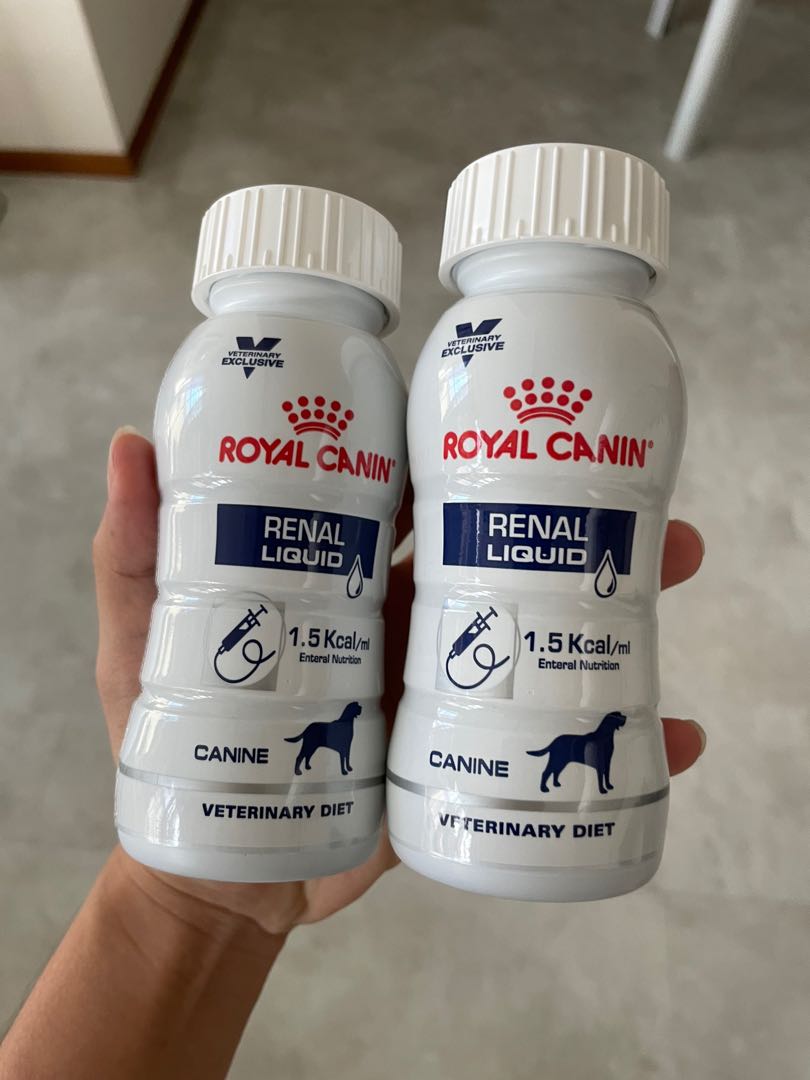
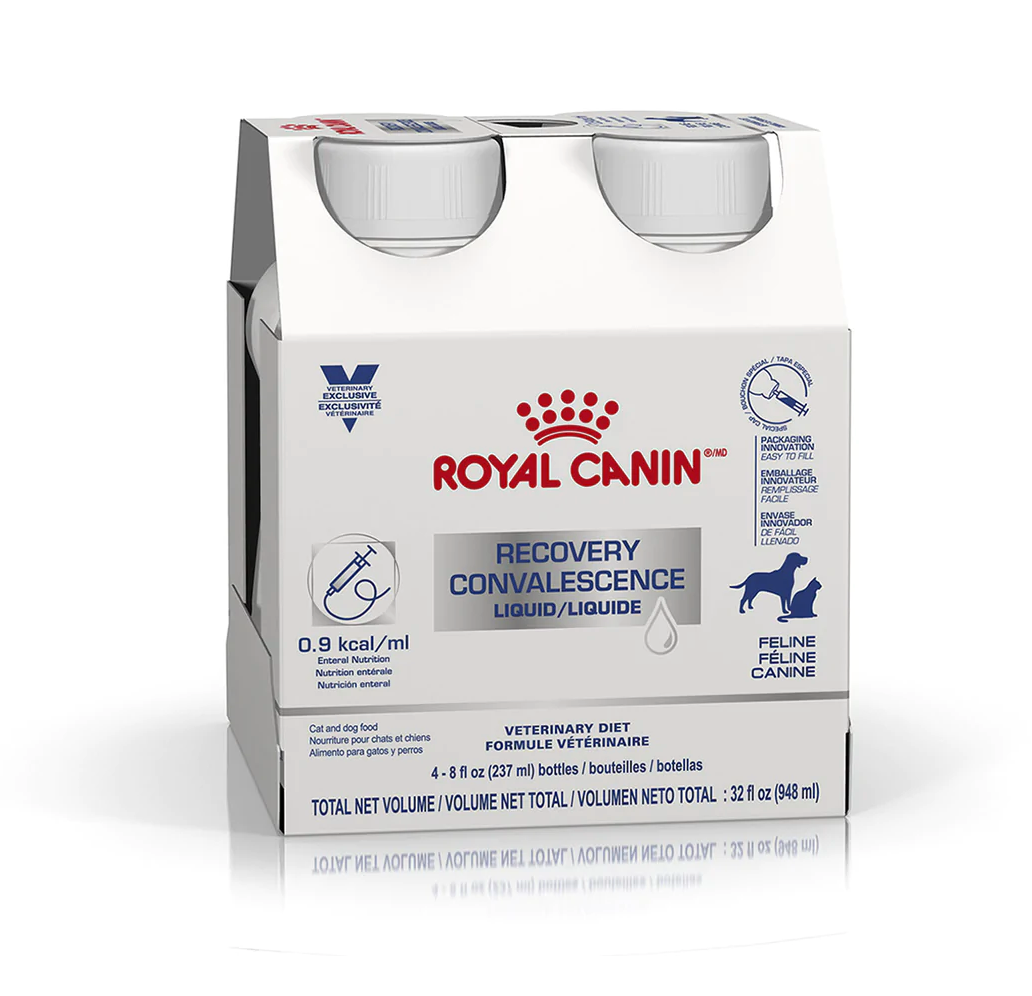
Implementing a liquid diet for a dog requires careful planning and execution to ensure adequate nutrition and hydration. The most crucial first step involves consulting with a veterinarian to determine the appropriate type of liquid diet. This could range from specific prescription liquid formulations designed for various health conditions (renal, gastrointestinal, critical care) to carefully prepared homemade options, always under veterinary guidance, to ensure nutritional completeness.
Administering the diet properly is key. For dogs with an appetite, offering the liquid food in a shallow bowl may suffice. If a dog is unwilling or unable to lap, syringe feeding might be necessary. This requires patience and a gentle approach, administering small amounts at a time to prevent choking or aspiration. For long-term or critical cases, a veterinarian might recommend a feeding tube, which allows for direct delivery of liquid nutrition to the stomach or esophagus.
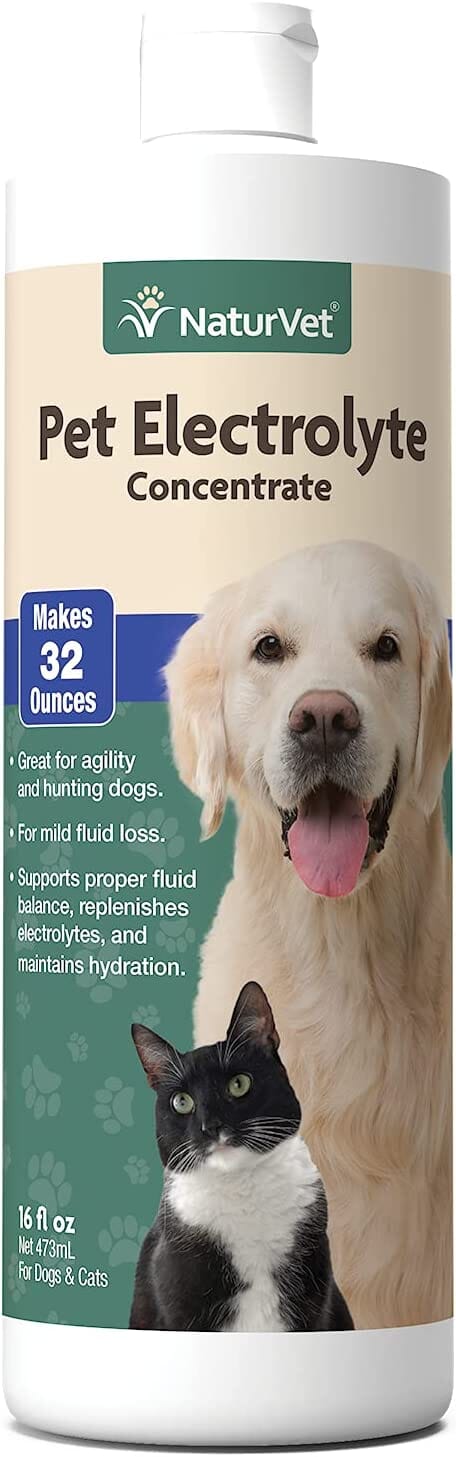
Environmental adjustments can also support a dog on a liquid diet. Creating a calm, comfortable feeding environment can reduce stress and encourage consumption. Ensuring constant access to fresh water is vital, even if the liquid diet itself contains moisture, to prevent dehydration. Monitoring the dog’s intake and output, as well as their overall condition, allows for timely adjustments to the feeding schedule, quantity, or formulation as guided by veterinary professionals. Regular weighing of the dog helps confirm appropriate calorie intake and prevents unintentional weight loss.
When Professional Help May Be Needed
While a liquid diet is often a veterinarian-prescribed intervention, knowing when to seek additional professional help or urgent care is vital for a dogs well-being. Any time a dog refuses to consume a prescribed liquid diet for an extended period, especially if accompanied by increasing lethargy or weakness, immediate veterinary consultation is imperative. This could indicate worsening of the underlying condition or an intolerance to the diet itself.
Persistent vomiting or severe diarrhea while on a liquid diet signals that the digestive system is not tolerating the food or that the underlying medical issue is escalating. These symptoms can quickly lead to dangerous dehydration and electrolyte imbalances. Significant and rapid weight loss, or conversely, unexpected bloating, are also clear indicators that the current dietary plan is insufficient or causing complications and requires professional re-evaluation. If a dog displays signs of discomfort, pain, or difficulty breathing during or after feeding, urgent veterinary attention is necessary to rule out aspiration or other critical issues. Veterinary professionals can offer further diagnostics, adjust the diet formulation, explore alternative feeding methods, or address complications promptly.
Conclusion
A liquid diet for dogs, though a temporary measure for many, is a critical component of care for canine companions facing specific health challenges. It serves as a vital bridge to recovery or a means of sustaining life when solid food is not an option. Understanding the reasons behind such a diet, diligently observing a dogs response, and applying appropriate management strategies are fundamental responsibilities for dog owners. The success of a liquid diet hinges heavily on continuous veterinary guidance, ensuring that the nutritional plan remains tailored to the dogs evolving needs. Through informed decisions and proactive care, pet owners can significantly contribute to their dog’s comfort, healing, and overall quality of life during these sensitive periods, reinforcing the commitment to comprehensive canine health that petsanimalsworld.com advocates.
Pet Care & Wellness Overview Table
| Life Stage | Daily Activity Level | Key Nutrition / Care Focus |
|---|---|---|
| Puppy / Kitten | High (frequent short bursts) | High-protein growth diet & early socialization |
| Adult Companion | Moderate (30–60 mins daily) | Balanced maintenance nutrition & dental hygiene |
| Senior Pets | Low to Gentle (mindful walks) | Joint support (Glucosamine) & routine vet checks |
Images References