

Introduction
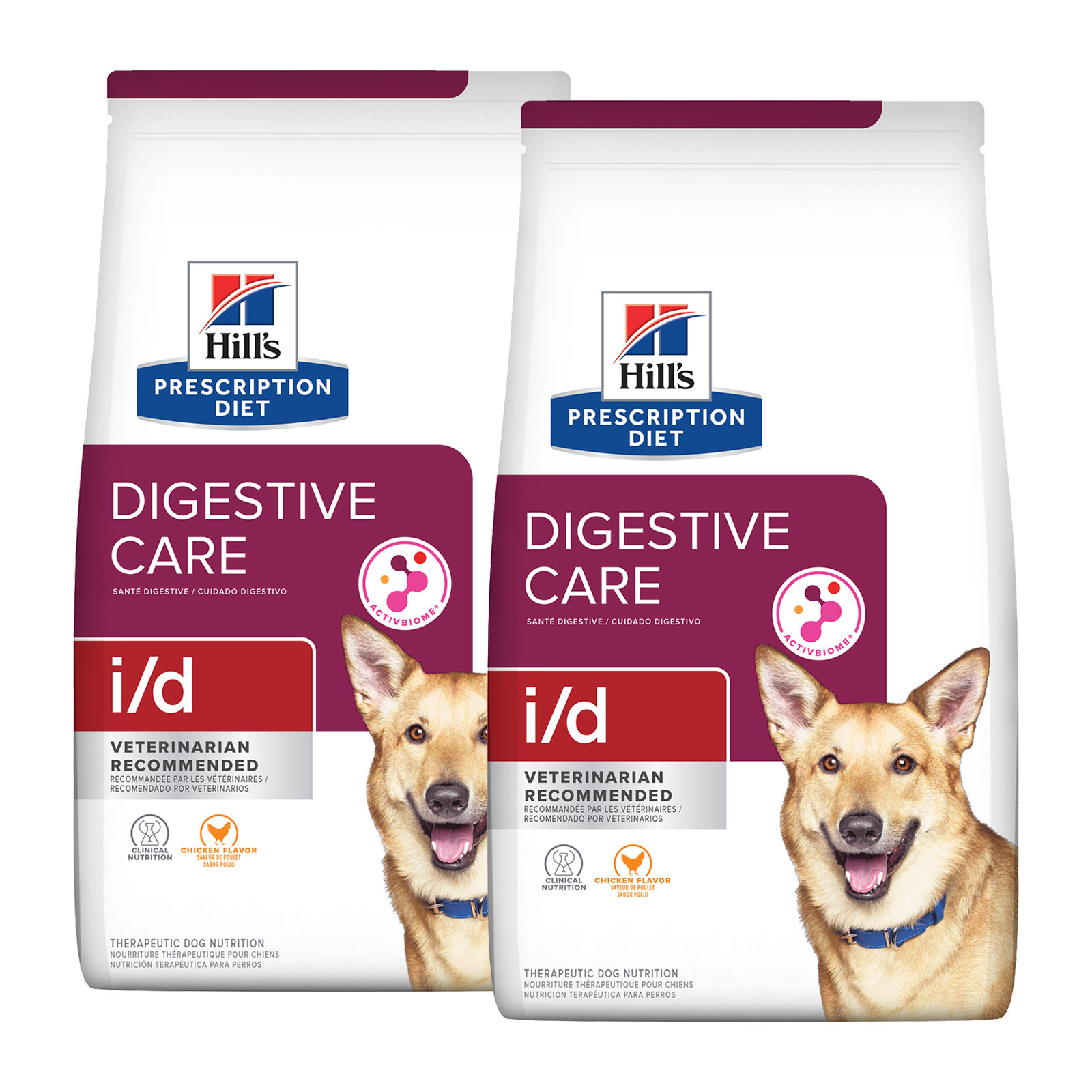
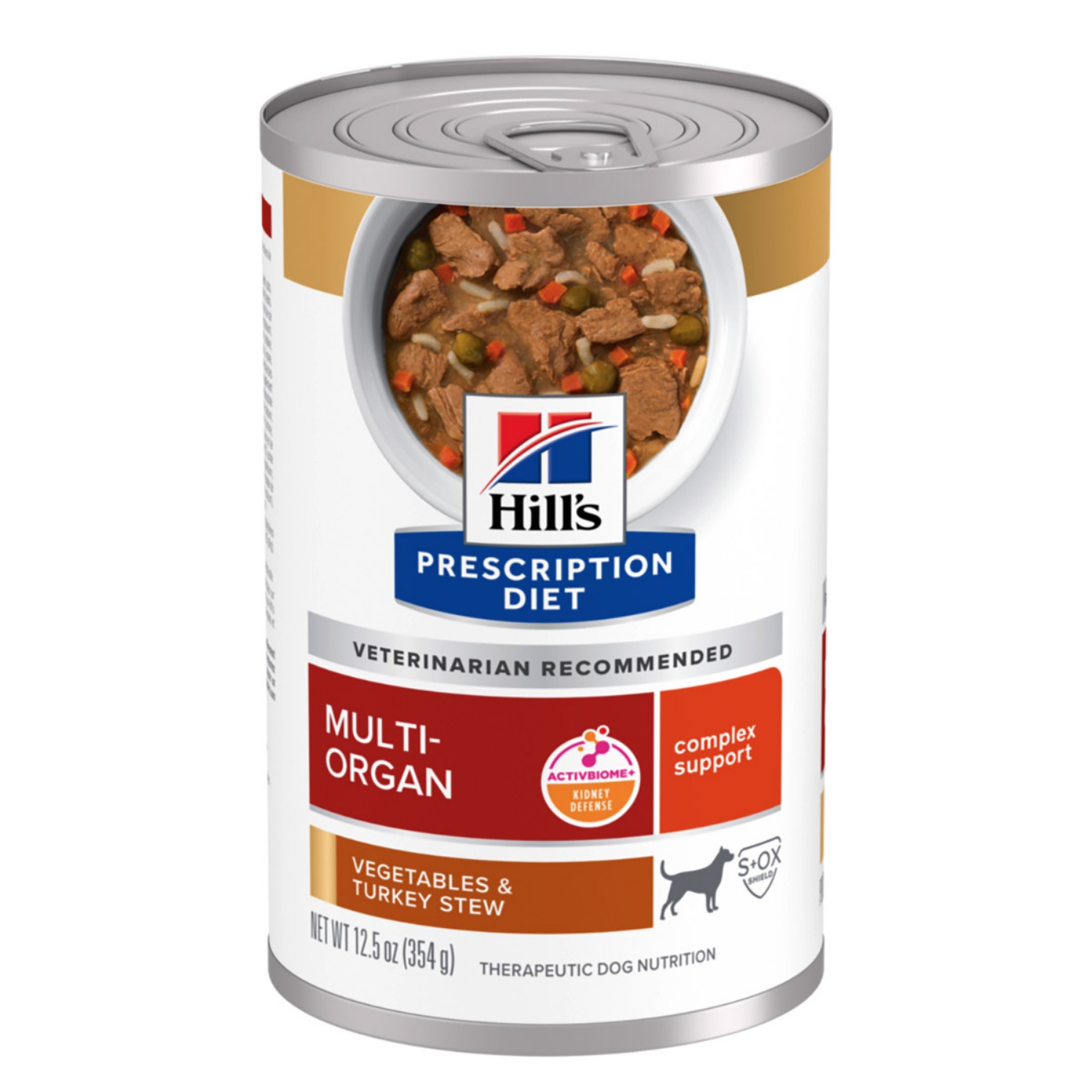
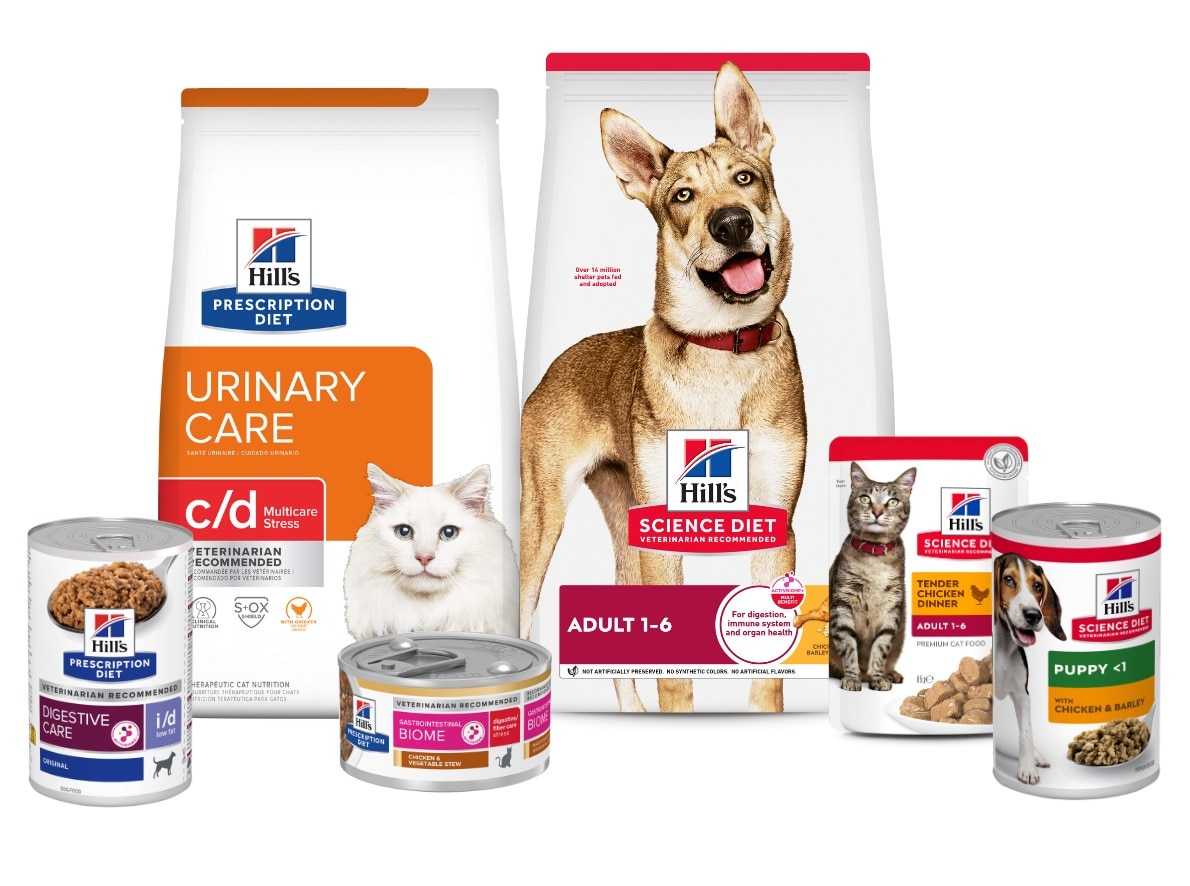
Understanding a dog’s nutritional needs is a cornerstone of responsible pet ownership, particularly when health challenges arise. The term “hills veterinary diet” refers to a specialized range of therapeutic pet foods developed by Hill’s Pet Nutrition. These diets are not merely premium commercial dog foods; they are scientifically formulated nutritional solutions designed to manage a wide array of specific canine health conditions, often requiring a veterinary prescription.
The importance of Hills veterinary diet stems from its targeted approach to nutrition. When a dog experiences issues such as digestive disorders, kidney disease, allergies, joint problems, or obesity, conventional pet foods may not provide the precise balance of nutrients, limited ingredients, or specific therapeutic compounds necessary for effective management. This is where a veterinary diet becomes crucial, acting as an integral part of a dogs medical treatment plan. By providing tailored nutrition, these diets can significantly improve a dogs well-being, alleviate symptoms, and contribute to an enhanced quality of life by supporting recovery and managing chronic conditions effectively.
💡 Pet Care Key Takeaways:
- Core Focus: Practical health, nutrition, and wellness guidelines for Hills Veterinary Diet.
- Target Scope: Pet owners, animal caregivers, and veterinary support staff.
- Best Recommendation: Maintain consistent daily routines and consult an accredited veterinarian before introducing major diet or medical changes.
Common Causes and Key Factors
The necessity for a Hills veterinary diet typically arises from an underlying health issue diagnosed by a veterinarian. Several common causes and key factors necessitate a specialized nutritional approach.
Biological Factors: Many conditions are intrinsic to a dog’s physiology. For instance, chronic kidney disease requires diets with controlled phosphorus and protein levels. Dogs with diabetes mellitus benefit from diets formulated to help regulate blood glucose. Food allergies and sensitivities, which can manifest as skin irritations or gastrointestinal upset, often require novel protein or hydrolyzed protein diets. Similarly, conditions like heart disease, liver disease, or urinary tract issues (e.g., bladder stones) each have specific nutritional requirements that therapeutic diets are designed to meet. Certain breeds may also be predisposed to particular conditions, increasing the likelihood of needing specialized nutrition.
Environmental and Lifestyle Factors: A dog’s environment and daily routine can also contribute to conditions requiring a Hills veterinary diet. For example, a sedentary lifestyle combined with overfeeding is a primary cause of obesity, which often necessitates a weight management formula. Exposure to environmental allergens, while not directly addressed by diet, can exacerbate symptoms that dietary changes might help mitigate (e.g., skin issues related to allergies). Stress can also impact gastrointestinal health in some dogs, where highly digestible diets may offer support.
Situational Factors: Specific life stages or acute situations can also call for specialized nutrition. Growing large breed puppies may need particular nutrient ratios to support healthy bone and joint development. Dogs recovering from surgery or illness often require highly digestible, energy-dense diets to aid recuperation. Furthermore, senior dogs may benefit from diets designed to support cognitive function, joint health, and muscle mass as they age. In all these scenarios, a veterinarian’s diagnosis and prescription are paramount in determining the appropriate Hills veterinary diet. For more related activities, check out our Purina One Xxl 10Kg Feeding Guide 20Kg Dog.
Signs and Symptoms to Observe
Recognizing the signs and symptoms that may indicate a dog could benefit from or requires a Hills veterinary diet is vital for proactive care. Observing these indicators allows pet owners to seek timely veterinary advice.
Digestive Upset: Persistent signs such as vomiting, chronic diarrhea, unusually soft stools, excessive flatulence, or a significant loss of appetite are common indicators of gastrointestinal issues. These can signal food sensitivities, inflammatory bowel disease, or other digestive disorders.
Skin and Coat Problems: Itching, excessive scratching, recurrent ear infections, redness, inflammation of the skin, hot spots, or a dull, dry, flaky coat can often point to food allergies or nutritional deficiencies. A poor coat condition can also be a sign of underlying systemic illness.
Weight Irregularities: Unexplained weight loss despite adequate food intake, difficulty gaining weight, or conversely, persistent obesity despite controlled portions, suggests a metabolic imbalance or a need for calorie-specific nutrition.
Changes in Urinary Habits: Increased thirst, more frequent urination, straining to urinate, or inappropriate urination can be symptomatic of kidney disease, bladder stones, or other urinary tract conditions.
Mobility Issues: Stiffness, lameness, difficulty rising, reluctance to play, or changes in gait, particularly in older or large breed dogs, may indicate joint pain or osteoarthritis, which can be managed with joint-supporting diets.
Lethargy and Behavioral Changes: A general decrease in energy levels, increased lethargy, or noticeable changes in temperament without an obvious cause can sometimes be linked to nutritional deficiencies or the progression of an underlying health condition that a therapeutic diet could help manage.
These signs can vary significantly based on a dog’s age, breed, and the severity of the condition. Consistent observation and prompt reporting of any unusual changes to a veterinarian are crucial.
Practical Solutions and Management Strategies
Once a veterinarian prescribes a Hills veterinary diet, effective management strategies are essential for the diet to be successful in supporting a dog’s health. Adherence and careful implementation are key.
Strict Adherence to the Prescription: The most critical strategy is to feed only the prescribed Hills veterinary diet. This means eliminating all other foods, treats, table scraps, and even flavored supplements unless specifically approved by the veterinarian. Contamination with non-therapeutic foods can negate the benefits of the specialized diet, especially for conditions like food allergies or urinary tract issues.
Gradual Transition: When introducing a new Hills veterinary diet, a gradual transition over 7 to 10 days is recommended. This involves mixing increasing amounts of the new food with decreasing amounts of the old food. A slow transition helps prevent gastrointestinal upset as a dog’s digestive system adjusts to the new formulation.
Accurate Portion Control: Precise portion control is vital. The veterinarian will recommend specific feeding amounts based on the dog’s weight, activity level, and the condition being managed. Using a kitchen scale for accuracy rather than just a measuring cup can be beneficial, particularly for weight management or highly sensitive conditions.
Regular Monitoring and Documentation: Owners should diligently monitor their dog’s symptoms, weight, and overall demeanor. Keeping a journal of changes, improvements, or new issues can provide valuable information for follow-up veterinary appointments and help assess the diet’s effectiveness.
Proper Storage: To maintain nutritional integrity and freshness, Hills veterinary diets should be stored in their original packaging or an airtight container in a cool, dry place. Following the ‘best by’ date is also important.
Hydration: Ensuring a dog always has access to fresh, clean water is important, especially when managing conditions like urinary tract issues or kidney disease where hydration plays a significant role.
These strategies, coupled with consistent veterinary oversight, optimize the efficacy of the Hills veterinary diet in supporting a dog’s health and well-being.
When Professional Help May Be Needed
While a Hills veterinary diet is a powerful tool in managing canine health, it is fundamentally a part of a broader veterinary care plan. Knowing when to seek or re-engage professional veterinary help is crucial for a dog’s ongoing welfare.
Initial Diagnosis and Prescription: The most fundamental need for professional help is the initial diagnosis of a health condition and the subsequent prescription of a suitable Hills veterinary diet. These diets are therapeutic and designed for specific medical issues, making veterinary consultation indispensable. Self-diagnosing or arbitrarily choosing a therapeutic diet can be ineffective or even harmful.
Lack of Improvement or Worsening Symptoms: If a dog’s symptoms do not improve, or if they worsen despite consistent adherence to the prescribed Hills veterinary diet, immediate veterinary attention is warranted. This could indicate that the diagnosis needs revisiting, the diet is not optimal, or there’s an additional underlying issue.
Adverse Reactions to the Diet: Although rare, a dog might develop an adverse reaction to the therapeutic diet itself, such as new digestive upset, skin irritation, or a refusal to eat. Any such reaction necessitates prompt veterinary consultation to evaluate the situation and potentially switch to an alternative formula.
Significant Weight Fluctuations: Unexplained weight gain or loss while on a prescribed diet can be a critical indicator. This may suggest that the caloric intake is incorrect, the underlying condition is progressing, or another health issue is emerging. Regular weight checks at home or during vet visits are beneficial.
Difficulty Adhering to the Diet: If a dog persistently refuses to eat the prescribed Hills veterinary diet, or if maintaining strict adherence becomes impractical due to a dog’s environment or other factors, discussing these challenges with a veterinarian is important. They may offer strategies, alternative formulations, or discuss other treatment options.
Routine Follow-Up Appointments: For dogs managing chronic conditions with a Hills veterinary diet, regular follow-up appointments are essential. These visits allow the veterinarian to monitor the dog’s progress, perform necessary diagnostic tests, and make any adjustments to the diet or treatment plan as needed.
Conclusion
Hills veterinary diet represents a critical advancement in canine nutrition, offering tailored solutions for dogs facing a variety of health challenges. These specialized formulas are much more than regular pet food; they are therapeutic tools, meticulously developed to support specific medical conditions, from digestive sensitivities and allergies to kidney disease, joint issues, and weight management.
The importance of a Hills veterinary diet lies in its ability to provide precise nutritional support, working in conjunction with professional veterinary care to manage illnesses and improve a dog’s overall well-being. Success hinges on a veterinarian’s accurate diagnosis, the responsible selection of the appropriate diet, and the owner’s diligent adherence to feeding instructions. Careful observation of a dog’s health and prompt communication with veterinary professionals are also paramount for adapting care as needs evolve.
By embracing the insights and solutions offered by a Hills veterinary diet, pet owners are empowered to play an active role in their dog’s health journey. This informed approach to nutrition significantly contributes to managing health conditions, enhancing quality of life, and fostering a longer, healthier companionship with beloved canine friends.
Pet Care & Wellness Overview Table
| Life Stage | Daily Activity Level | Key Nutrition / Care Focus |
|---|---|---|
| Puppy / Kitten | High (frequent short bursts) | High-protein growth diet & early socialization |
| Adult Companion | Moderate (30–60 mins daily) | Balanced maintenance nutrition & dental hygiene |
| Senior Pets | Low to Gentle (mindful walks) | Joint support (Glucosamine) & routine vet checks |
Images References





For more expert pet care tips and advice, check out our dedicated Dog Nutrition guides to keep your companions healthy and happy.




