

Introduction
The topic of dog food vitamin supplements often arises for dog owners seeking to optimize their canine companion’s health and vitality. A dog food vitamin supplement refers to any nutritional product, typically in pill, powder, or liquid form, designed to complement a dog’s regular diet by providing essential vitamins and sometimes minerals that may be perceived as lacking or required in higher amounts. This consideration commonly emerges when owners observe specific health concerns, during particular life stages, or out of a general desire to enhance their dogs well-being. Understanding when and why these supplements might be beneficial, alongside potential pitfalls, is crucial for improving a dogs overall health, contributing to better energy levels, a healthier coat, improved mobility, and a stronger immune system.
💡 Pet Care Key Takeaways:
- Core Focus: Practical health, nutrition, and wellness guidelines for Dog Food Vitamin Supplement.
- Target Scope: Pet owners, animal caregivers, and veterinary support staff.
- Best Recommendation: Maintain consistent daily routines and consult an accredited veterinarian before introducing major diet or medical changes.
Common Causes and Key Factors
Several factors can lead dog owners to consider incorporating a vitamin supplement into their dog’s diet. While most commercially prepared, high-quality dog foods are formulated to be complete and balanced, certain situations may warrant additional nutritional support. For more related activities, check out our Tibetan Mastiff Food Aggression.
One significant factor involves dietary composition. Dogs fed home-cooked diets, unless meticulously formulated by a veterinary nutritionist, often lack a comprehensive balance of essential vitamins and minerals. Similarly, some lower-quality commercial foods might have ingredients with reduced bioavailability or inconsistent nutrient levels.
Life stages and specific needs also play a crucial role. Growing puppies require different nutrient ratios than adult dogs, and senior dogs often benefit from supplements targeting joint health, cognitive function, or age-related immune decline. Pregnant or lactating dogs experience significantly increased nutritional demands to support themselves and their litter.
Furthermore, underlying health conditions can increase a dog’s need for certain vitamins. Dogs with chronic digestive issues, malabsorption problems, skin allergies, or osteoarthritis may not adequately absorb or utilize nutrients from their regular diet, or they might simply require higher therapeutic doses of specific vitamins to manage their condition. Certain breeds are also predisposed to conditions that may benefit from targeted nutritional support.
Finally, environmental stressors or high activity levels can deplete nutrient stores. Dogs engaged in intense training, working roles, or highly active lifestyles might benefit from a broader spectrum of vitamins to support muscle recovery, energy metabolism, and antioxidant defense.
Signs and Symptoms to Observe
Observing a dogs physical condition and behavior can provide clues about potential nutritional deficiencies that a dog food vitamin supplement might address. While these signs can indicate various health issues, persistent observation warrants attention.
Coat and skin issues are often visible indicators. A dull, dry, or brittle coat, excessive shedding, dry flaky skin, or chronic itching without apparent external causes might suggest a lack of essential fatty acids or certain B vitamins.
Changes in energy levels and mobility are also key. Lethargy, reduced stamina during walks, reluctance to play, or a general decrease in activity can be signs of insufficient energy-supporting vitamins or minerals. In older dogs, stiffness, difficulty rising, or limping might point to a need for joint-supporting nutrients like glucosamine and chondroitin, often combined with vitamins like C and E for their antioxidant properties.
Compromised immune function might manifest as frequent infections, slow wound healing, or a general susceptibility to illness. This could indicate a need for immune-boosting vitamins such as Vitamin C or D.
Digestive upset, including chronic mild diarrhea, poor appetite, or inconsistent stool quality, could sometimes be related to an imbalanced gut microbiome, which probiotics (often found in comprehensive vitamin supplements) can help support.
In senior dogs, cognitive decline characterized by disorientation, altered sleep patterns, or a decrease in interaction can sometimes be mitigated by supplements containing antioxidants and B vitamins known to support brain health. It is important to note that these symptoms can also indicate serious medical conditions, making veterinary consultation essential.
Practical Solutions and Management Strategies
Managing a dog’s nutritional needs, particularly concerning dog food vitamin supplements, requires a thoughtful and informed approach. The first step involves a comprehensive dietary assessment. Owners should ensure the dog’s primary diet is a high-quality, complete, and balanced commercial food appropriate for its life stage or, if feeding a homemade diet, that it has been specifically formulated by a board-certified veterinary nutritionist.
Before introducing any dog food vitamin supplement, veterinary consultation is paramount. A veterinarian can accurately diagnose any underlying deficiencies or health conditions, recommend appropriate supplements, and advise on correct dosages, preventing potential imbalances or interactions with existing medications. A vet can also perform blood tests or other diagnostics to identify specific deficiencies.
When a supplement is deemed necessary, targeted supplementation is often more effective than a generic multivitamin. For example, a dog with joint issues might benefit more from a supplement specifically formulated with glucosamine, chondroitin, and Omega-3 fatty acids, rather than a broad multivitamin. Similarly, skin and coat problems may respond well to dedicated fatty acid supplements.
Quality control and brand reputation are crucial considerations. Owners should research reputable brands that provide transparency about their ingredients, sourcing, and manufacturing processes. Looking for third-party certifications can offer additional assurance regarding product purity and potency.
Strict adherence to proper dosage instructions is vital to prevent over-supplementation, which can be just as harmful as a deficiency. Many vitamins, particularly fat-soluble ones like A, D, E, and K, can accumulate to toxic levels in the body if given in excess.
Finally, observational monitoring of the dog’s response to the supplement is important. Owners should note any improvements or adverse reactions and communicate these back to their veterinarian. Adjustments to the type or dosage of the supplement may be necessary over time.
When Professional Help May Be Needed
While the general well-being of a dog is a primary concern for owners, recognizing when to seek professional veterinary help regarding dog food vitamin supplements is essential for responsible pet care.
Before initiating any supplement regimen, a consultation with a veterinarian is always recommended. This proactive step helps ensure that any perceived nutritional gaps or health issues are accurately identified and that the chosen supplement is safe and appropriate for the individual dog. Self-diagnosis and indiscriminate supplementation can mask serious conditions or lead to harmful nutrient imbalances.
Professional guidance is particularly crucial when a dog exhibits persistent or worsening symptoms despite dietary adjustments or the introduction of a supplement. If signs such as chronic lethargy, severe skin conditions, lameness, or digestive distress continue, a veterinarian can conduct further diagnostics to uncover underlying medical conditions that require specific treatment beyond supplementation.
Dogs with pre-existing medical conditions, those on prescription medications, or those facing complex health challenges should always have their nutritional supplementation overseen by a veterinary professional. This prevents adverse interactions between supplements and medications or exacerbation of existing health issues.
Additionally, for owners considering homemade diets, a consultation with a board-certified veterinary nutritionist is indispensable. These experts can formulate a complete and balanced diet tailored to the dog’s specific needs, incorporating necessary supplements to ensure nutritional adequacy, rather than relying on guesswork.
Essentially, any decision regarding significant dietary changes or the addition of dog food vitamin supplements should be a collaborative effort between the owner and a qualified veterinary professional to safeguard the dog’s health.
Conclusion
The thoughtful integration of a dog food vitamin supplement can play a valuable role in supporting a dog’s health and vitality, particularly when specific needs or deficiencies are identified. These supplements serve as a targeted means to address nutritional gaps, support various life stages, or aid in managing certain health conditions, contributing to a better quality of life for canine companions. The critical takeaway, however, emphasizes the importance of informed decision-making. Awareness of a dogs individual needs, coupled with careful observation of physical and behavioral signs, forms the foundation of responsible supplementation. Always prioritize expert advice from a veterinarian, as their professional guidance ensures that any chosen dog food vitamin supplement is both safe and beneficial, aligning perfectly with the goal of providing comprehensive and consistent care.
Pet Care & Wellness Overview Table
| Life Stage | Daily Activity Level | Key Nutrition / Care Focus |
|---|---|---|
| Puppy / Kitten | High (frequent short bursts) | High-protein growth diet & early socialization |
| Adult Companion | Moderate (30–60 mins daily) | Balanced maintenance nutrition & dental hygiene |
| Senior Pets | Low to Gentle (mindful walks) | Joint support (Glucosamine) & routine vet checks |
Images References


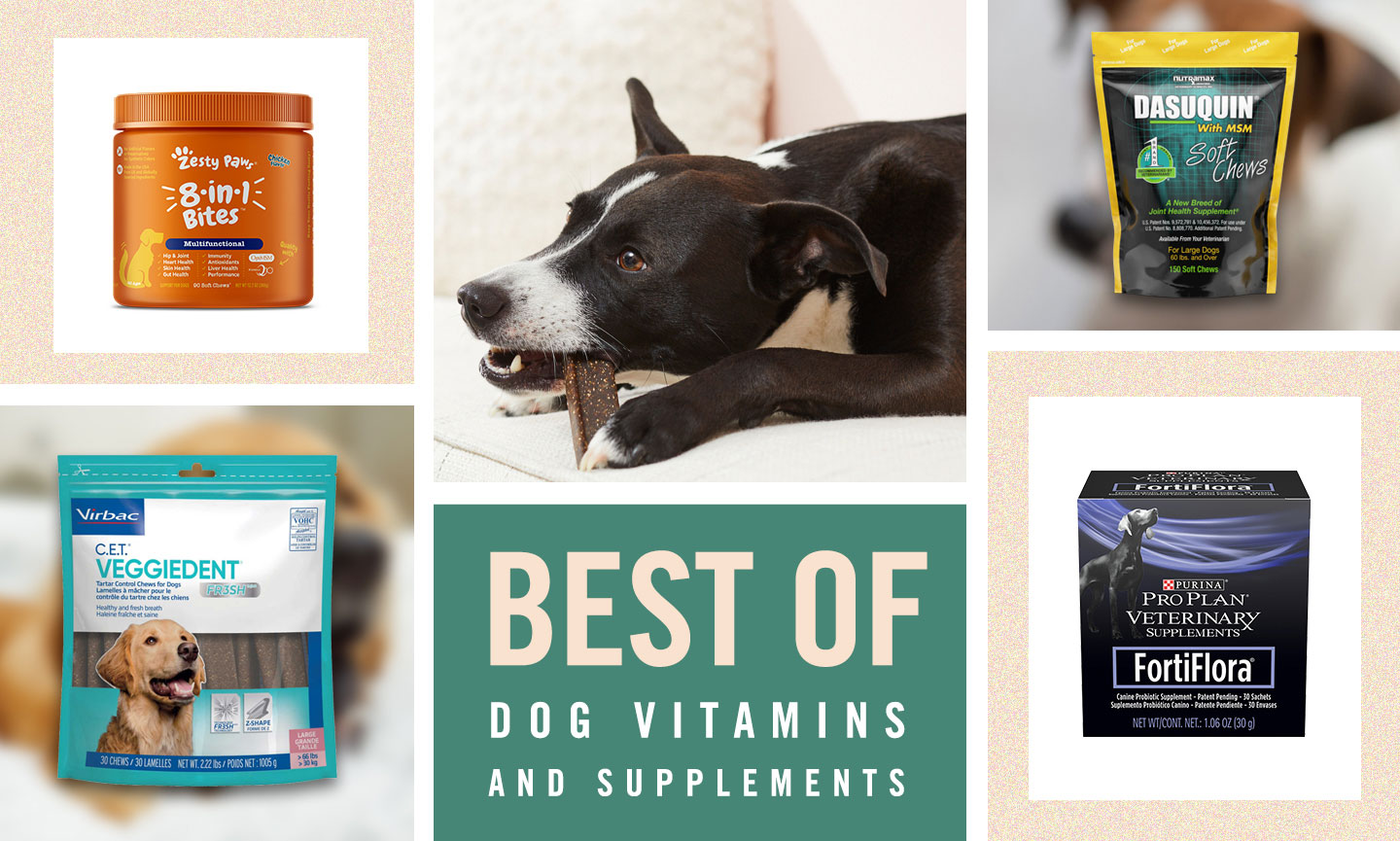


For more expert pet care tips and advice, check out our dedicated Dog Nutrition guides to keep your companions healthy and happy.




