

Introduction
The concept of a home cooked renal diet for dogs represents a specialized nutritional approach designed for canines diagnosed with kidney disease, also known as renal failure. This condition impairs the kidneys’ ability to filter waste products from the blood and maintain the body’s fluid and electrolyte balance. When a dog receives a diagnosis of kidney disease, dietary modifications become a cornerstone of management, often recommended to slow the progression of the illness, alleviate symptoms, and significantly improve the dog’s comfort and overall quality of life. Understanding the principles behind such a diet, and its careful implementation, is crucial for dog owners seeking to provide optimal support for their beloved companions during this challenging health journey.
💡 Pet Care Key Takeaways:
- Core Focus: Practical health, nutrition, and wellness guidelines for Home Cooked Renal Diet For Dogs.
- Target Scope: Pet owners, animal caregivers, and veterinary support staff.
- Best Recommendation: Maintain consistent daily routines and consult an accredited veterinarian before introducing major diet or medical changes.
Common Causes and Key Factors
Kidney disease in dogs can stem from various underlying causes. Acute kidney injury may result from exposure to toxins, severe infections, or a sudden drop in blood pressure, potentially leading to chronic kidney disease if not fully recovered. Chronic kidney disease, more commonly encountered, often develops gradually over time, with age being a significant risk factor. Other contributing elements include genetic predispositions specific to certain breeds, dental disease that allows bacteria to enter the bloodstream and affect the kidneys, and conditions such as high blood pressure or certain autoimmune disorders. For more related activities, check out our Purina One Xxl 10Kg Feeding Guide 20Kg Dog.
When kidney function declines, the body struggles to excrete waste products like urea and creatinine, and it also faces difficulty in maintaining proper phosphorus and potassium levels. This physiological challenge necessitates a dietary intervention that minimizes the burden on the compromised kidneys. A home cooked renal diet is considered when commercial prescription renal diets are not suitable, perhaps due to palatability issues, allergies, or an owner’s desire for precise control over ingredients. The core factors in formulating such a diet involve carefully adjusting protein, phosphorus, and sodium levels, while also ensuring adequate calorie intake, proper hydration, and supplementation with essential vitamins and fatty acids.
Signs and Symptoms to Observe
Recognizing the signs of kidney disease is the first step toward considering a renal diet. Owners might observe a noticeable increase in thirst (polydipsia) and a corresponding increase in urination (polyuria), as the damaged kidneys struggle to concentrate urine. Other common indicators include a decrease in appetite, leading to weight loss and muscle wasting. Affected dogs may exhibit lethargy, general weakness, and a dullness in their coat.
Gastrointestinal symptoms such as vomiting are also frequently reported, sometimes accompanied by a characteristic ammonia-like or unpleasant odor on the breath, known as uremic halitosis. These signs can vary in intensity depending on the stage of kidney disease and may be more subtle in the initial phases. Observing any combination of these symptoms warrants immediate veterinary consultation, as early diagnosis and intervention are critical for managing the condition effectively.
Practical Solutions and Management Strategies
Implementing a home cooked renal diet requires a highly structured and scientifically supported approach. The primary goal is to reduce the workload on the kidneys, slow the progression of the disease, and mitigate the accumulation of toxic waste products. This is achieved through precise manipulation of several key nutrients.
Protein control is paramount; the diet typically features moderate amounts of high-quality, highly digestible protein sources (e.g., lean chicken, turkey breast, egg whites). This provides essential amino acids for muscle maintenance without creating an excessive nitrogenous waste burden. Phosphorus restriction is perhaps the most critical component, as elevated phosphorus levels contribute significantly to kidney disease progression. Carefully selected ingredients and, if necessary, the inclusion of veterinary-prescribed phosphorus binders are essential.
Sodium levels are moderately restricted to help manage blood pressure and reduce fluid retention. The diet should also incorporate sources of omega-3 fatty acids, such as fish oil, known for their anti-inflammatory properties which can benefit kidney health. Since water-soluble B vitamins can be lost more readily through increased urination in kidney disease, B vitamin supplementation is often necessary.
To ensure adequate calorie intake without overloading protein or phosphorus, the diet often relies on complex carbohydrates like white rice, cooked sweet potato, or barley, and healthy fats (e.g., chicken fat, vegetable oils). Formulating a nutritionally complete and balanced home-cooked renal diet is highly complex and must be done by a board-certified veterinary nutritionist. A “DIY” approach without expert guidance can lead to severe nutrient deficiencies or excesses, potentially worsening the dog’s condition. Once a balanced recipe is established, transitioning the dog to the new diet should occur gradually to minimize gastrointestinal upset. Regular monitoring of the dog’s weight, appetite, and kidney parameters through veterinary check-ups is crucial for ongoing management and adjustments.
When Professional Help May Be Needed
Professional veterinary intervention is indispensable at every stage of managing kidney disease with a home cooked renal diet. The initial diagnosis of kidney disease must be made by a qualified veterinarian through blood tests, urinalysis, and sometimes imaging. Following diagnosis, the creation of a home-cooked renal diet should always be overseen by a board-certified veterinary nutritionist. These specialists possess the expertise to formulate a diet that is not only therapeutic for kidney disease but also nutritionally complete and balanced for the individual dogs specific needs, considering their age, weight, and concurrent health conditions.
Ongoing veterinary care is critical for monitoring the progression of kidney disease, assessing the effectiveness of the diet, and making necessary adjustments. Regular blood work, urine tests, and blood pressure measurements are essential. If a dog’s symptoms worsen, if there is a refusal to eat the prescribed diet, or if any new concerning behaviors emerge, immediate consultation with the veterinary team is warranted. Professional guidance ensures the dog receives the most appropriate and safest care, maximizing their quality of life.
Conclusion
A home cooked renal diet for dogs offers a vital and personalized approach to managing kidney disease, providing a means to significantly improve a dog’s health and comfort. This specialized nutritional strategy, when carefully formulated and implemented, plays a crucial role in slowing disease progression and mitigating uncomfortable symptoms. The success of such a diet hinges entirely on precise formulation by a board-certified veterinary nutritionist and diligent monitoring under regular veterinary supervision. Awareness, proactive observation of symptoms, and a steadfast commitment to professional guidance are the cornerstones of effective management. With the right care and a tailored diet, dogs with renal disease can continue to live fulfilling lives, demonstrating the profound impact that thoughtful, consistent support has on their well-being.
Pet Care & Wellness Overview Table
| Life Stage | Daily Activity Level | Key Nutrition / Care Focus |
|---|---|---|
| Puppy / Kitten | High (frequent short bursts) | High-protein growth diet & early socialization |
| Adult Companion | Moderate (30–60 mins daily) | Balanced maintenance nutrition & dental hygiene |
| Senior Pets | Low to Gentle (mindful walks) | Joint support (Glucosamine) & routine vet checks |
Images References





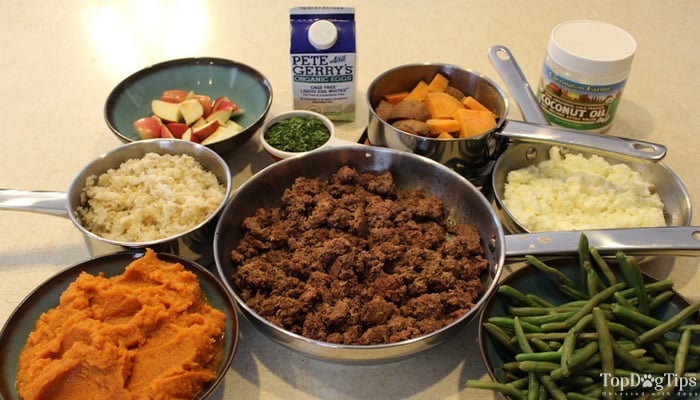



For more expert pet care tips and advice, check out our dedicated Dog Nutrition guides to keep your companions healthy and happy.




