

Introduction
The concept of liquid nutrition for dogs represents a critical aspect of canine care, often employed during times when a dog’s regular solid diet is not feasible or sufficient. This specialized form of feeding involves providing essential nutrients and hydration in a liquid or semi-liquid state, making it easier for dogs to consume and digest. Understanding when and why liquid nutrition becomes necessary is paramount for dog owners, as it directly impacts a dog’s recovery from illness, management of chronic conditions, and overall quality of life. Whether due to illness, injury, age-related challenges, or specific dietary needs, embracing liquid nutrition can significantly contribute to a dogs well-being and aid in its journey back to health.
💡 Pet Care Key Takeaways:
- Core Focus: Practical health, nutrition, and wellness guidelines for Liquid Nutrition For Dogs.
- Target Scope: Pet owners, animal caregivers, and veterinary support staff.
- Best Recommendation: Maintain consistent daily routines and consult an accredited veterinarian before introducing major diet or medical changes.
Common Causes and Key Factors
Several situations necessitate the use of liquid nutrition for dogs, ranging from acute medical crises to chronic health management. A primary factor is post-surgical recovery, particularly after procedures involving the mouth, throat, or digestive system, where chewing and swallowing solid food can be painful or impossible. Illnesses such as severe gastrointestinal upset, pancreatitis, or cancer can lead to anorexia or a reduced ability to digest solid food, making liquid diets an invaluable tool for maintaining caloric intake and hydration. For more related activities, check out our Pitbullnutrition.
Dental issues, including severe gum disease, broken teeth, or oral tumors, often cause significant pain, preventing dogs from eating their usual kibble. In such cases, liquid diets provide a gentle alternative. Moreover, older dogs frequently experience decreased appetite, difficulty chewing, or digestive challenges, making nutrient-dense liquid meals easier to consume and absorb. Very young puppies, especially those orphaned or struggling to nurse, may also require supplemental liquid feeding to ensure proper growth and development. Environmental factors, such as extreme heat leading to dehydration, or even stress, can diminish a dog’s willingness to eat, further highlighting the importance of readily available, palatable liquid nutrition.
Signs and Symptoms to Observe
Recognizing the signs that a dog may benefit from or require liquid nutrition is essential for timely intervention. Persistent refusal of solid food, often accompanied by noticeable weight loss or a decline in overall body condition, is a clear indicator. Dogs experiencing pain in their mouth or throat may exhibit drooling, pawing at their face, or dropping food from their mouth while attempting to eat. Difficulty swallowing, characterized by gagging, coughing, or excessive licking after eating, suggests an underlying issue that could make solid food intake problematic.
Lethargy, weakness, and a general lack of energy are common signs of insufficient nutrient intake, which liquid nutrition can help address. Dehydration, identifiable by sunken eyes, dry gums, and poor skin elasticity (skin tenting), often accompanies a reduced appetite and necessitates increased fluid intake, often provided through liquid diets. Changes in coat quality, such as dullness or brittleness, can also point to a long-term nutritional deficiency. These signs can vary in intensity depending on the dog’s age, breed, and the underlying cause, underscoring the need for careful observation by owners.
Practical Solutions and Management Strategies
When liquid nutrition becomes necessary, a structured approach to its implementation is vital. The first and most crucial step involves a veterinary consultation to diagnose any underlying health issues and to receive specific dietary recommendations. Veterinary professionals can prescribe specially formulated liquid diets designed to meet specific nutritional needs, such as high-calorie recovery diets, renal diets, or gastrointestinal support formulas.
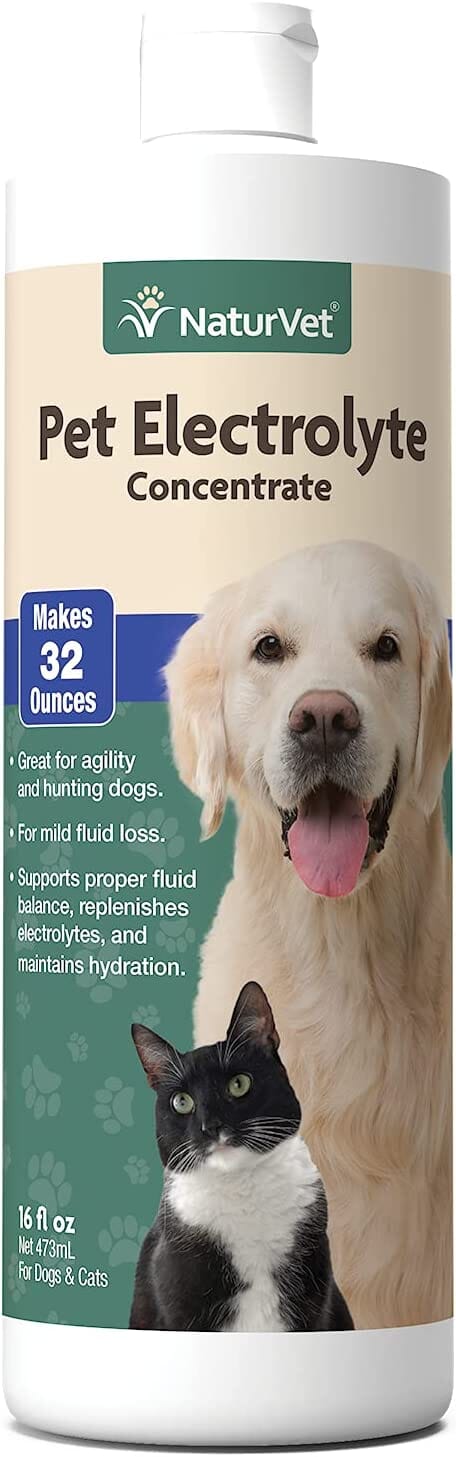
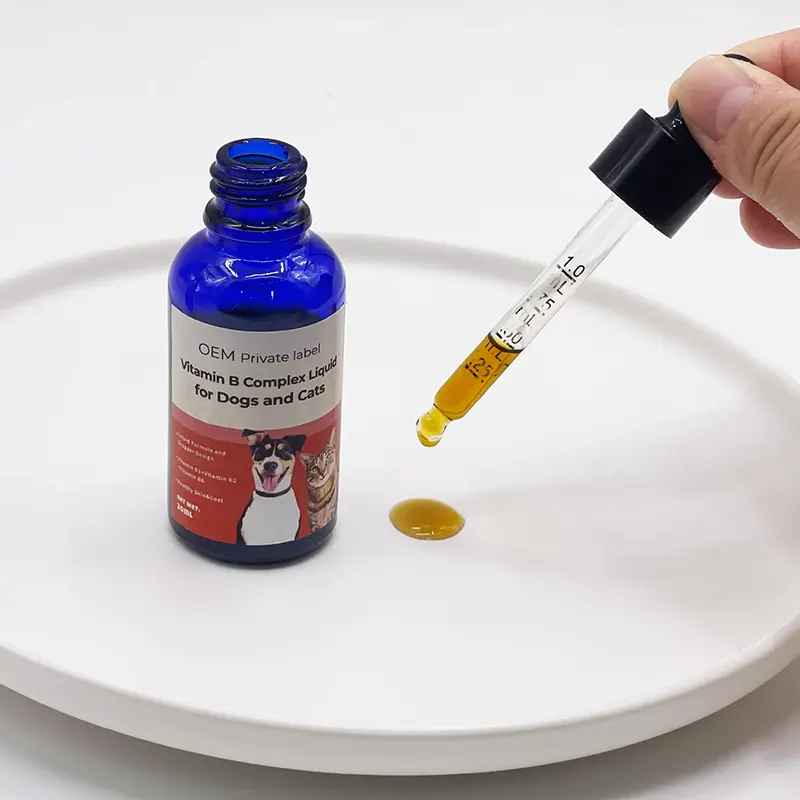
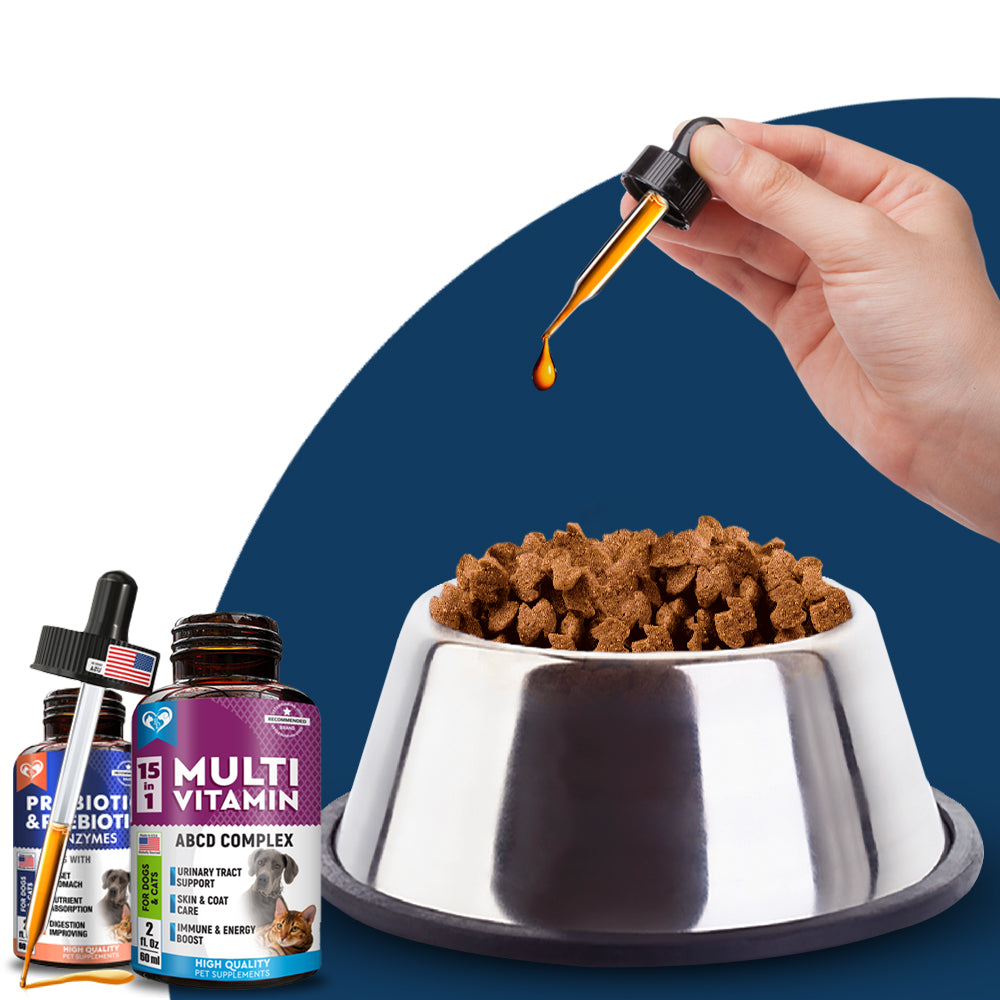
For dogs that can consume food orally, palatable liquid diets can be offered in bowls. For those unable or unwilling to lap, administration via syringe feeding may be required, which necessitates patience and a gentle technique to prevent aspiration. In more severe or long-term cases, veterinary-placed feeding tubes might be recommended, ensuring consistent nutrient delivery directly into the digestive system.
Homemade liquid blends, if approved by a veterinarian, can also be used, often involving pureed cooked meats, vegetables, and low-sodium broths. It is imperative that any homemade diet is nutritionally complete and balanced, which often requires careful guidance from a veterinary nutritionist. Enhancing hydration is also a key strategy; alongside liquid diets, offering plain water, ice chips, or diluted, low-sodium broths can encourage fluid intake. Establishing a quiet, comfortable feeding environment with frequent, smaller meals can significantly improve acceptance and digestion.
When Professional Help May Be Needed
While dog owners play a vital role in their pet’s care, there are clear instances where professional veterinary intervention is indispensable. Any dog experiencing persistent anorexia, significant weight loss, or signs of dehydration that do not resolve with initial home care warrants an immediate veterinary visit. If a dog exhibits difficulty swallowing, gagging, or coughing during attempts to eat or drink, this could indicate a serious medical condition requiring prompt diagnosis and treatment.
Professional guidance is also necessary if owners find it challenging to administer liquid food safely and effectively, as improper technique can lead to stress for the dog or even aspiration pneumonia. For complex medical conditions or when a complete and balanced homemade liquid diet is being considered, consultation with a veterinary nutritionist is highly advisable to prevent nutritional deficiencies or imbalances. Veterinary professionals can provide accurate diagnoses, recommend appropriate commercial liquid diets, teach proper feeding techniques, and determine if advanced interventions like feeding tube placement are necessary, ensuring the best possible outcome for the dog’s health.
Conclusion
Liquid nutrition for dogs serves as an invaluable tool in supporting canine health, particularly during times of illness, recovery, or specific life stages. It provides a means to deliver essential nutrients and maintain hydration when a dog cannot consume or digest solid food effectively. Recognizing the signs that a dog may require this specialized form of feeding and understanding the underlying causes are crucial steps for every dog owner. Through careful observation, prompt veterinary consultation, and the implementation of appropriate management strategies, dogs facing nutritional challenges can receive the vital support they need. Prioritizing proactive care and working closely with veterinary professionals ensures that dogs receive optimal nutrition, contributing significantly to their recovery, well-being, and overall quality of life.
Pet Care & Wellness Overview Table
| Life Stage | Daily Activity Level | Key Nutrition / Care Focus |
|---|---|---|
| Puppy / Kitten | High (frequent short bursts) | High-protein growth diet & early socialization |
| Adult Companion | Moderate (30–60 mins daily) | Balanced maintenance nutrition & dental hygiene |
| Senior Pets | Low to Gentle (mindful walks) | Joint support (Glucosamine) & routine vet checks |
Images References


For more expert pet care tips and advice, check out our dedicated Dog Nutrition guides to keep your companions healthy and happy.




