Understanding the Risks of Heat Waves for Canines
Managing a dog’s well-being during periods of extreme temperature requires heightened vigilance and a proactive approach to environmental modification. Unlike humans, who possess sweat glands across the majority of their skin surface, dogs primarily rely on panting and minor perspiration through their paw pads to regulate internal body temperature. According to the American Veterinary Medical Association (AVMA), dogs can succumb to heatstroke very quickly, especially if they are left in environments where they cannot escape the heat or access adequate shade and water. Recognizing the physiological limitations of a canine’s cooling system is the first step in ensuring safety during peak summer months.
💡 Pet Care Key Takeaways:
- Core Focus: Practical health, nutrition, and wellness guidelines for Dog Care During Heat Wave.
- Target Scope: Pet owners, animal caregivers, and veterinary support staff.
- Best Recommendation: Maintain consistent daily routines and consult an accredited veterinarian before introducing major diet or medical changes.
Defining Appropriate Heat Wave Care
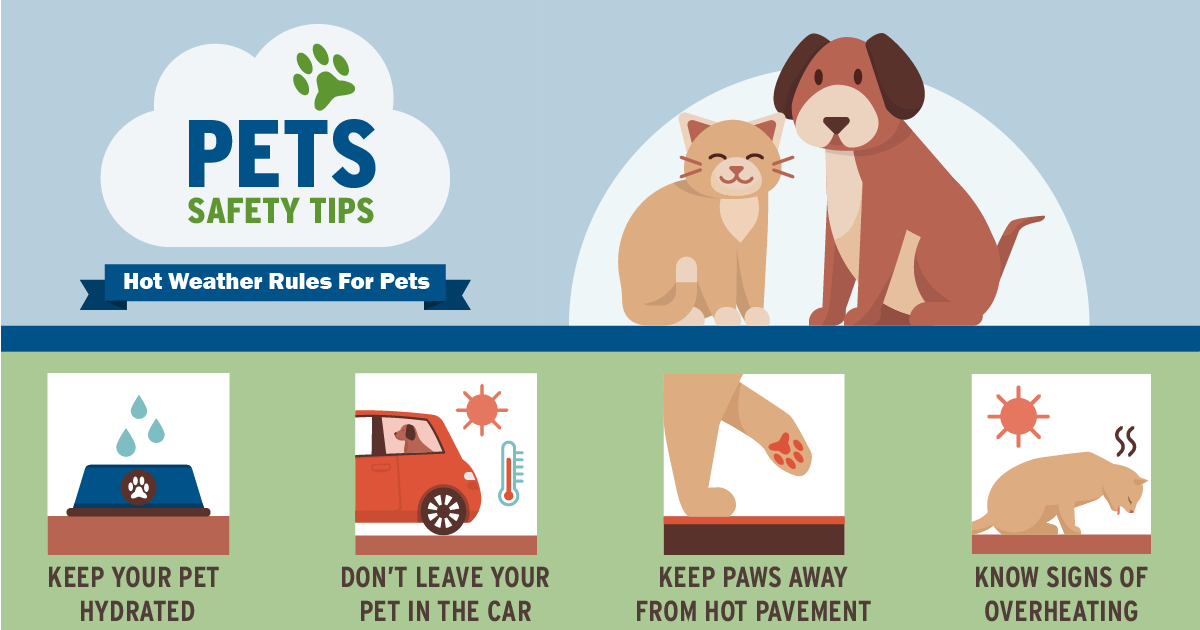
Dog care during a heat wave involves a comprehensive strategy to minimize thermal stress and prevent life-threatening hyperthermia, which occurs when a dog’s body temperature rises above its normal range. This process encompasses limiting physical activity to the coolest parts of the day, providing constant access to fresh, cool water, and ensuring that indoor environments remain adequately ventilated or air-conditioned. Owners must recognize that pavement, asphalt, and even synthetic turf can absorb significant solar energy, leading to temperatures that cause severe burns to sensitive paw pads. Protecting a dog from these surface temperatures is just as critical as monitoring ambient air temperature.
Physiological and Behavioral Impacts of Thermal Stress
Extended exposure to high temperatures can lead to rapid exhaustion, dehydration, and potentially catastrophic organ failure if the internal body temperature is not stabilized. Behavioral changes often serve as early warning signs of distress; a dog may become lethargic, exhibit excessive or frantic panting, show a lack of coordination, or display uncharacteristic restlessness. Understanding these shifts in dog behavior is essential for early intervention. If a dog appears confused or refuses to move, the situation may have already escalated into a medical emergency requiring immediate attention.
Signs of heat exhaustion in dogs include heavy panting, rapid heart rate, dark red or purple gums, and thick, sticky saliva. — American Society for the Prevention of Cruelty to Animals (ASPCA)
Managing Daily Routines During Extreme Heat
Effective management requires adjusting daily routines to favor rest and hydration over high-intensity exercise. Training sessions or long walks should be shifted to early morning or late evening when ambient temperatures are at their lowest. During the heat of the day, indoor enrichment activities—such as puzzle toys or scent games—can provide necessary mental stimulation without the risks associated with physical exertion in the sun. For those seeking guidance on appropriate activities, exploring resources on dog training can offer safe alternatives that keep a dog engaged without requiring outdoor movement.
Best Practices and Common Mistakes
A primary mistake involves assuming that a dog can self-regulate in all conditions, such as leaving a pet in a parked vehicle for “just a minute.” Even with windows cracked, the interior of a car can reach dangerous temperatures within minutes, creating an environment where a dog cannot effectively dissipate heat. Providing constant access to shade is also vital, but owners must remember that shade moves throughout the day; a spot that is cool at 10:00 AM may be in direct sunlight by noon. Always ensure that the dog has access to multiple areas of shade and a consistent, reliable source of cool, clean drinking water.
The “seven-second test” suggests that if the back of a human hand cannot comfortably rest on the pavement for seven seconds, it is too hot for a dog to walk on. — American Kennel Club (AKC)
Pet Care & Wellness Overview Table
| Life Stage | Daily Activity Level | Key Nutrition / Care Focus |
|---|---|---|
| Puppy / Kitten | High (frequent short bursts) | High-protein growth diet & early socialization |
| Adult Companion | Moderate (30–60 mins daily) | Balanced maintenance nutrition & dental hygiene |
| Senior Pets | Low to Gentle (mindful walks) | Joint support (Glucosamine) & routine vet checks |
Images References



Considering Breed, Age, and Physical Characteristics
Individual dog profiles, including dog breeds, age, and health status, significantly influence heat tolerance. Brachycephalic breeds—those with short, flat faces such as Bulldogs, Pugs, and Boxers—have compromised respiratory systems that make panting less efficient, placing them at a much higher risk for heat-related illnesses. Similarly, senior dogs, puppies, and those with underlying dog health conditions, such as heart or respiratory disease, require extra caution. Overweight dogs also face increased difficulty in dissipating heat due to the insulating properties of body fat and the additional effort required for movement. Tailoring care to the specific needs of the individual is a cornerstone of responsible ownership.
When to Seek Veterinary Assistance
If a dog exhibits signs of severe heat stress, such as collapse, seizures, vomiting, or an inability to stand, immediate veterinary intervention is mandatory. Do not attempt to treat these symptoms at home with human medications or by forcing large quantities of ice-cold water, as rapid cooling can sometimes trigger shock or other medical complications. Contacting a veterinary professional allows for the administration of controlled cooling techniques and supportive care, such as intravenous fluids, which are critical for stabilizing a dog experiencing heatstroke. Always prioritize professional medical assessment over home remedies when a dog’s safety is in question.
Maintaining Long-Term Well-Being
Prioritizing the health of a pet during a heat wave is a year-round commitment to understanding the environmental needs of animals. By staying informed about the physical signs of heat stress and proactively modifying daily habits, owners can ensure their companions remain safe and comfortable regardless of the temperature. For more comprehensive information on maintaining a healthy lifestyle, visit PetsAnimalsWorld.com. Further insights into dog care and dog nutrition can also provide a solid foundation for supporting a dog’s overall vitality throughout the changing seasons.