

Understanding the Timeline of Behavioral Modification in Dogs
Determining how long it takes to change a dog’s behavior depends entirely on the specific habit, the history behind it, and the consistency of the human-animal team guiding the process. According to the American Society for the Prevention of Cruelty to Animals, successful behavioral modification relies heavily on understanding the root emotional driver of an action rather than merely suppressing the physical symptom. When caregivers ask about timelines, they often hope for a fixed number of days, yet scientific understanding of animal learning theory reveals a much more nuanced reality. Dogs constantly learn from their environment, meaning behavioral evolution is an ongoing journey rather than a finite project with a strict completion date.
💡 Pet Care Key Takeaways:
- Core Focus: Practical health, nutrition, and wellness guidelines for How Long Does It Take To Change A Dog’S Behavior.
- Target Scope: Pet owners, animal caregivers, and veterinary support staff.
- Best Recommendation: Maintain consistent daily routines and consult an accredited veterinarian before introducing major diet or medical changes.
What Behavioral Modification Actually Involves
Addressing how long does it take to change a dog’s behavior requires recognizing that new habits form through neuroplasticity, which is the brain’s ability to reorganize itself by forming new neural connections. Simple obedience cues taught to a young puppy in a distraction-free home might take only a few days of short, positive sessions to establish firmly. Conversely, deeply ingrained survival responses, such as fear reactivity toward unfamiliar dogs or severe separation anxiety, require systematic desensitization and counter-conditioning. Desensitization involves gradual, low-intensity exposure to a trigger below the threshold of reactivity, while counter-conditioning pairs that trigger with a positive emotional response, such as high-value food rewards. This complex cognitive rewiring takes months, as older neural pathways weaken only through repeated, successful alternative experiences.
The Biological and Emotional Impact of Habitual Stress
Chronic behavioral challenges often stem from underlying physiological stress states that prolong the time required for successful rehabilitation. Elevated baseline cortisol and adrenaline levels keep a canine nervous system in a constant state of hyper-arousal, impairing the animal’s ability to learn new responses until systemic calm is restored. Comprehensive Dog Health management, including thorough veterinary examinations, remains essential to rule out hidden pain or medical discomfort that frequently mimics or exacerbates undesirable conduct. Once physical health is verified through professional diagnostics, structured routines and adequate mental enrichment help lower baseline stress hormones, creating the neurological space necessary for effective Dog Training to take root.
Behavioral modification success relies on addressing the emotional root cause of actions rather than merely suppressing physical symptoms through punishment. — American Society for the Prevention of Cruelty to Animals
Implementing Structured Techniques for Lasting Change
Guiding a companion animal through behavioral shifts demands patience, clear communication, and absolute consistency from every household member. Humane, science-based protocols avoid intimidation or dominance-based philosophies, focusing instead on management, environmental modification, and positive reinforcement. Management involves proactively preventing the animal from practicing the unwanted habit, such as using baby gates or secure leashes, which stops the reinforcement loop while alternative behaviors are being taught. Clear criteria, well-timed rewards, and predictable daily interactions empower dogs to make better choices independently, speeding up the overall learning curve.
Best Practices and Common Pitfalls to Avoid
Maximizing progress requires adhering to proven educational guidelines while actively avoiding frequent missteps that stall rehabilitation. One common error is inconsistency, where rules change depending on human convenience, which actively confuses the animal and erodes established learning. Another frequent mistake is moving too quickly past a trigger threshold, causing the dog to become overwhelmed and reactive, which physically blocks cognitive processing. Keeping sessions short, engaging, and emotionally safe ensures the animal remains receptive and eager to participate in ongoing Dog Care routines.
Inconsistent enforcement of household rules disrupts canine cognitive processing and significantly extends the timeline required for new habit formation. — American Kennel Club
Pet Care & Wellness Overview Table
| Life Stage | Daily Activity Level | Key Nutrition / Care Focus |
|---|---|---|
| Puppy / Kitten | High (frequent short bursts) | High-protein growth diet & early socialization |
| Adult Companion | Moderate (30–60 mins daily) | Balanced maintenance nutrition & dental hygiene |
| Senior Pets | Low to Gentle (mindful walks) | Joint support (Glucosamine) & routine vet checks |
Images References




Breed, Age, and Individual Temperament Factors
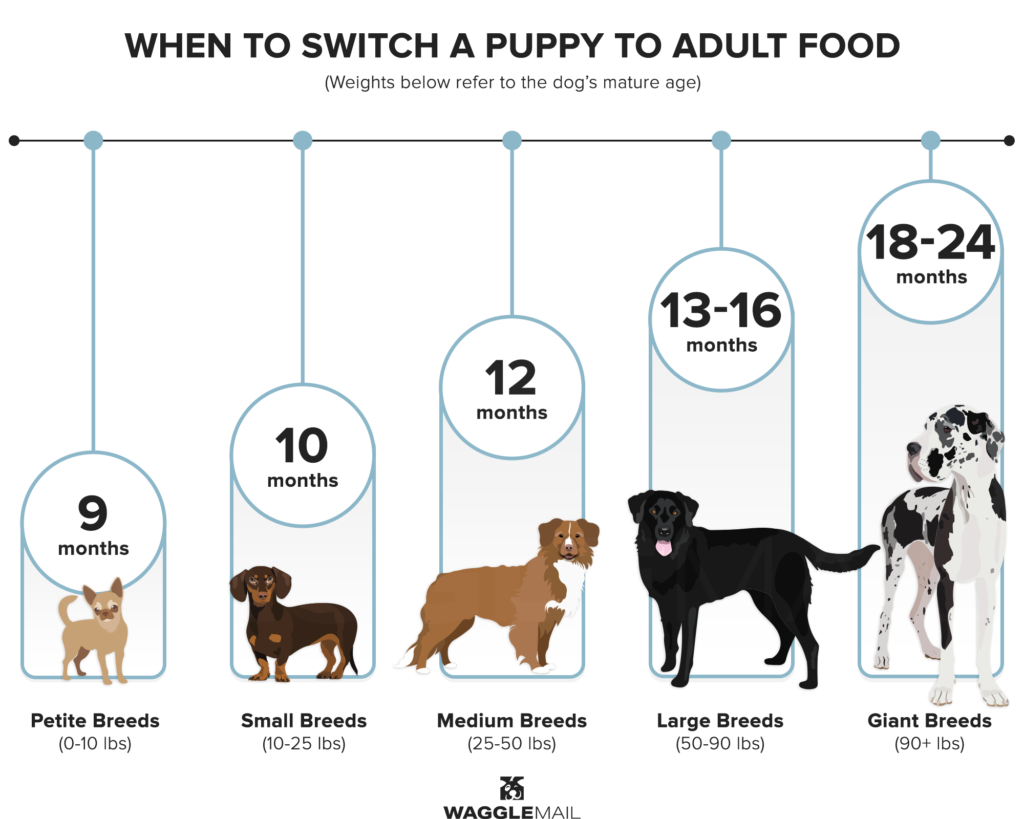
Individual characteristics, including genetic predispositions studied within various Dog Breeds, heavily influence how quickly habits adapt. Working and herding groups often display high problem-solving drives and sensitivity to environmental cues, which can accelerate training when channeled correctly or lead to intense frustration if under-stimulated. Age also plays a distinct role; while puppies possess high neural plasticity, adult and senior dogs bring established life experience that requires more deliberate, patient rewiring. Genetics, socialization history during the critical developmental window, and individual temperament ultimately dictate the unique speed of any behavioral evolution.
When to Consult a Veterinarian or Professional Behaviorist
Persistent behavioral concerns that involve intense fear, aggression, self-harm, or severe anxiety warrant immediate intervention from qualified professionals. Caregivers should never attempt to resolve complex aggression using home remedies or outdated punishment methods, as these approaches heighten fear and elevate safety risks. Seeking guidance from a certified applied animal behaviorist or a veterinary behaviorist ensures an individualized, medically sound treatment plan that prioritizes household safety and animal welfare.
Supporting Lifelong Behavioral Wellness
PetsAnimalsWorld.com provides comprehensive resources covering all aspects of canine wellness, behavior, and daily management. Embracing a patient mindset allows caregivers to appreciate small milestones rather than focusing exclusively on a final timeline. Exploring specialized categories such as Dog Behavior helps owners deepen their understanding of canine communication, ensuring a harmonious and fulfilling life shared with their animal companions for years to come.




