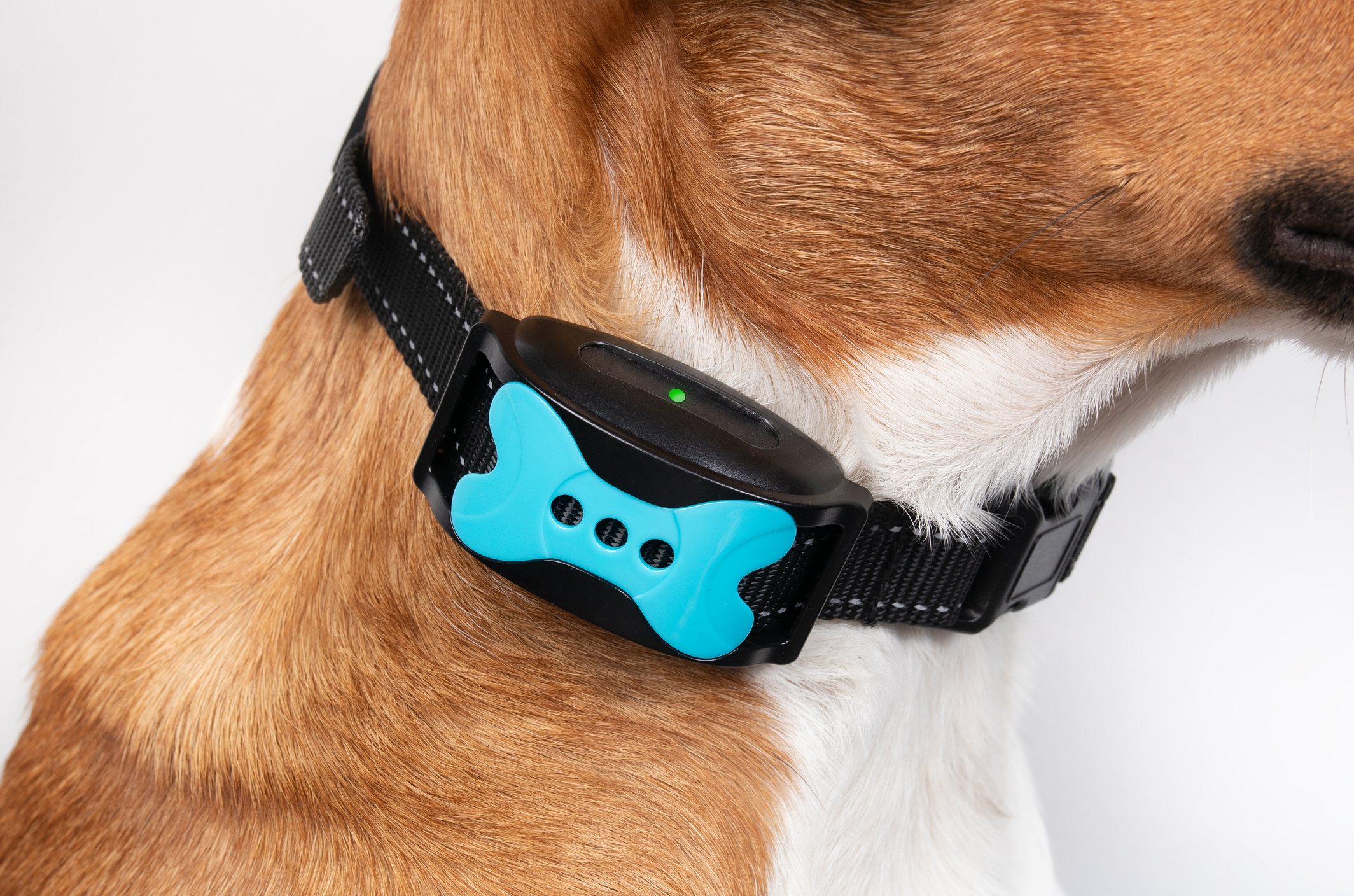
According to the American Society for the Prevention of Cruelty to Animals (ASPCA), protecting a healing animal from self-inflicted trauma is a critical component of post-operative management. Modern canine veterinary medicine relies heavily on various medical barriers to ensure safe recoveries after surgeries, injuries, or dermatological treatments. Among these protective barriers, the Elizabethan collar remains a standard tool utilized across veterinary hospitals and households worldwide. Understanding how to manage these devices correctly can significantly reduce stress for both the animal and the human caregiver during a delicate healing window.
💡 Pet Care Key Takeaways:
- Core Focus: Practical health, nutrition, and wellness guidelines for Dog Care E Collar.
- Target Scope: Pet owners, animal caregivers, and veterinary support staff.
- Best Recommendation: Maintain consistent daily routines and consult an accredited veterinarian before introducing major diet or medical changes.
Defining the Elizabethan Barrier and Its Purpose
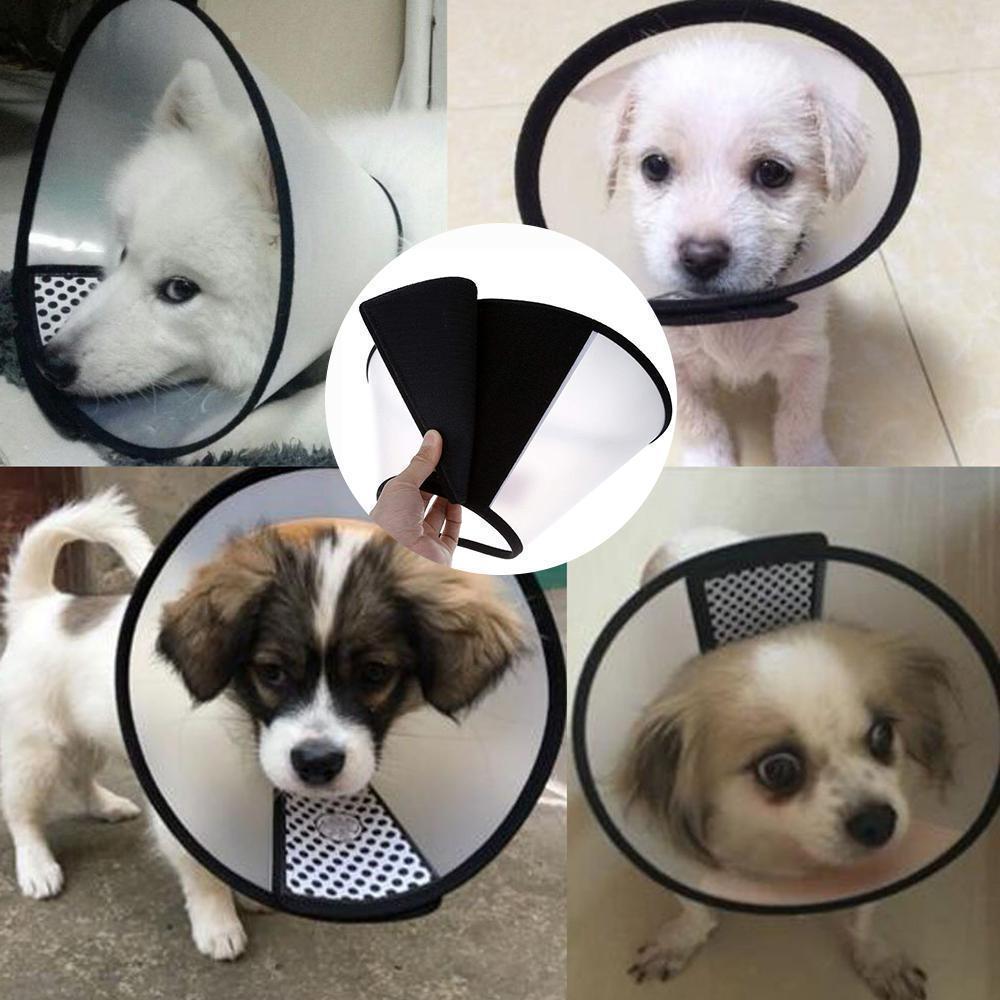
A dog care e collar, commonly referred to as an Elizabethan collar, cone of shame, or medical cone, is a protective medical device shaped like a truncated cone fastened around a dog’s neck. The primary function of this physical barrier is to prevent the animal from reaching wounds, surgical incisions, hot spots, or skin irritations with the teeth or tongue. Licking, chewing, or scratching a healing area introduces bacteria from the mouth and paws, which frequently leads to secondary infections, delayed wound closure, or the accidental removal of surgical sutures. By restricting the range of motion of the head and neck, the device secures the vulnerable area until the skin has safely regenerated.
Understanding the Physical and Psychological Impact on Recovery
Wearing a rigid plastic cone can introduce significant sensory challenges, altering a dog’s spatial awareness, peripheral vision, and auditory processing. Because the wide rim acts like a satellite dish, everyday household sounds may be amplified or distorted, leading to temporary startle responses or hesitation when moving through doorways. Furthermore, traditional plastic cones can make navigating tight hallways, climbing stairs, or bending down to reach food and water bowls exceptionally difficult. Caregivers often observe signs of mild frustration, lethargy, or reluctance to engage during the initial adaptation period. Ensuring that food and water dishes are elevated to comfortable chest heights can alleviate physical strain and encourage adequate hydration and nutrition while the barrier is worn.
Confinement devices can temporarily impair an animal’s field of vision and auditory perception, requiring careful management of the surrounding environment to prevent accidental collisions. — American Veterinary Medical Association
Practical Strategies for Managing Medical Cones Safely
Successful integration of protective gear requires patience, structured routines, and proactive environmental management. Introducing the barrier calmly, perhaps by pairing it with positive reinforcement such as high-value treats before fastening it securely, can reduce initial anxiety. It is essential to check the fit regularly; a properly adjusted cone should allow two fingers to slide comfortably beneath the neck strap without slipping over the ears or resting too tightly against the windpipe. When supervised closely during resting periods, temporary structured breaks may be permitted under strict observation, provided the animal does not immediately attempt to target vulnerable incision sites. For ongoing guidance regarding injury management, exploring resources within Dog Health can provide valuable context.
Best Practices, Common Mistakes, and Alternative Designs
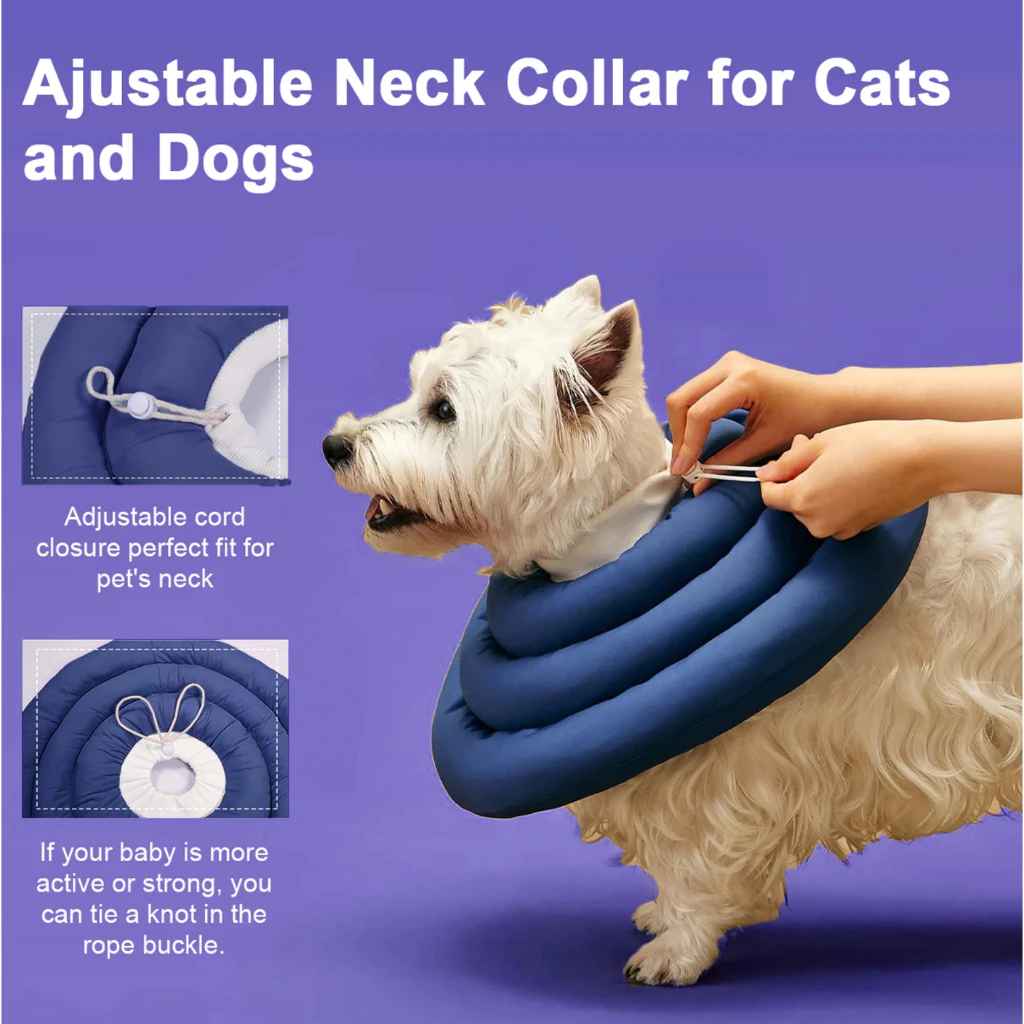
Avoiding common pitfalls ensures that the healing process remains uninterrupted and stress-free. One frequent mistake is selecting an incorrect size that either extends too far beyond the nose—hindering eating and drinking—or remains too short, failing to block access to the hind legs or tail base. Traditional rigid plastic models are durable and easy to sanitize, but alternative options like inflatable fabric collars, soft foam cones, or breathable mesh garments may suit specific body types and temperaments better. However, soft alternatives may not provide sufficient restriction for flexible breeds attempting to reach sensitive areas like paws or tails. Regular inspection of the skin around the neck is also vital to prevent chafing, moisture accumulation, or contact dermatitis caused by prolonged friction.
Proper sizing is essential for effective barrier protection; the rim of the cone should extend slightly past the tip of the dog’s nose to prevent access to the body. — American Kennel Club
Pet Care & Wellness Overview Table
| Life Stage | Daily Activity Level | Key Nutrition / Care Focus |
|---|---|---|
| Puppy / Kitten | High (frequent short bursts) | High-protein growth diet & early socialization |
| Adult Companion | Moderate (30–60 mins daily) | Balanced maintenance nutrition & dental hygiene |
| Senior Pets | Low to Gentle (mindful walks) | Joint support (Glucosamine) & routine vet checks |
Images References





Tailoring Protection to Breed, Age, and Temperament
Physical proportions and behavioral traits heavily influence the choice and management of protective equipment. Brachycephalic breeds with shortened muzzles, such as Pugs or Bulldogs, often require different sizing calculations compared to dolichocephalic breeds with elongated snouts like Greyhounds or Collies. Similarly, high-energy working dogs or easily startled senior dogs may react differently to the sensory restrictions imposed by a rigid barrier. Selecting a lightweight material or a flexible soft cone can prevent unnecessary panic in sensitive individuals. For insights into understanding specific behavioral responses during stressful medical interventions, reviewing articles in Dog Behavior offers helpful perspective.
When to Consult a Veterinarian or Professional Specialist
Professional veterinary guidance is indispensable whenever complications arise during post-operative recovery or injury management. If an animal exhibits persistent distress, refuses to eat or drink for more than twenty-four hours, manages to repeatedly bypass the barrier to lick an incision, or shows signs of localized skin irritation around the neck strap, immediate veterinary consultation is warranted. Furthermore, if pain management protocols appear insufficient or if surgical sites display increased redness, swelling, or discharge, veterinary intervention ensures that medical concerns are addressed safely. For comprehensive daily management strategies and general wellness tips, exploring Dog Care can support a smooth healing journey.
Supporting a Smooth Recovery Journey
Guiding an animal through a period of mandatory medical restriction calls for attentiveness, consistency, and a deep commitment to their overall well-being. While temporary protective devices can feel cumbersome, they remain an invaluable tool in safeguarding long-term health and preventing costly medical setbacks. By maintaining a calm environment, monitoring equipment fit daily, and working closely with veterinary professionals, caregivers can help their canine companions navigate recovery with minimal stress. Discover more expert resources, health guides, and practical tips by visiting PetsAnimalsWorld.com today.