

Introduction
The digestive health of canine companions is a frequent topic of discussion among devoted dog owners, leading many to explore various supplements. Among these, the concept of administering human probiotics for dogs often emerges, prompting questions about efficacy and safety. Probiotics, live microorganisms that confer a health benefit to the host when administered in adequate amounts, are widely recognized for their role in maintaining a balanced gut microbiome. For humans, these supplements are a common aid for digestive issues, immune support, and overall wellness. The appeal of extending these perceived benefits to dogs is understandable, particularly when a dog exhibits signs of digestive upset, stress, or during periods of antibiotic treatment. Understanding the distinctions and considerations related to species-specific probiotics is crucial for ensuring a dogs optimal well-being, supporting their natural digestive processes, and contributing to their overall quality of life. This article aims to clarify the complexities surrounding human probiotics for dogs, offering insights into their potential effects and guiding owners toward informed decisions regarding their pet’s health.
💡 Pet Care Key Takeaways:
- Core Focus: Practical health, nutrition, and wellness guidelines for Human Probiotics For Dogs.
- Target Scope: Pet owners, animal caregivers, and veterinary support staff.
- Best Recommendation: Maintain consistent daily routines and consult an accredited veterinarian before introducing major diet or medical changes.
Common Causes and Key Factors
The primary factor influencing the suitability of human probiotics for dogs lies in the fundamental biological differences between human and canine digestive systems. Each species possesses a unique gut microbiome, a complex ecosystem of bacteria, fungi, and other microorganisms that are vital for digestion, nutrient absorption, and immune function. The composition and balance of this microbiome are finely tuned to the specific diet and physiological processes of the host. For more related activities, check out our Breeds Susceptable To Diabetes.
Human probiotic supplements are formulated with bacterial strains, such as specific lactobacilli and bifidobacteria, that are optimized to colonize and thrive within the human gastrointestinal tract. While some common bacterial genera are shared between species, the particular strains and their interactions within a dogs gut can differ significantly. A human-specific strain may not effectively colonize a dogs gut, or it might not provide the intended therapeutic benefits. In some instances, it could even introduce an imbalance.
Furthermore, human probiotic products often contain inert ingredients, prebiotics (non-digestible food components that selectively stimulate the growth or activity of beneficial microorganisms), or flavorings that may be unsuitable or even harmful to dogs. Xylitol, a common artificial sweetener found in some human supplements, is highly toxic to canines, emphasizing the importance of scrutinizing all ingredients. The optimal dosage for a human is also likely to be inappropriate for a dog, further complicating the safe administration of such products. Factors like stress, dietary changes, antibiotic use, or underlying health conditions can disrupt a dog’s gut flora, leading owners to seek probiotic solutions. In these scenarios, the focus should remain on species-appropriate interventions.
Signs and Symptoms to Observe
Observing a dogs digestive health is paramount for identifying potential issues that might benefit from probiotic support, specifically those designed for canines. While the administration of human probiotics is generally not recommended, understanding the signs of an imbalanced gut can help owners recognize when their dog might need veterinary attention or a canine-specific probiotic intervention.
Common observable signs related to digestive upset include changes in stool consistency, such as diarrhea, loose stools, or constipation. Frequent vomiting or regurgitation, excessive flatulence, and abdominal discomfort (indicated by restlessness, sensitivity to touch around the abdomen, or a hunched posture) are also significant indicators.
Beyond direct digestive symptoms, an imbalanced gut microbiome can manifest in more subtle ways. Dogs might exhibit a dull coat, dry or flaky skin, or increased itching, as gut health is intricately linked to skin and coat condition. Changes in appetite, either a decrease or an unusual increase, alongside unexplained weight loss or gain, could also point to underlying digestive issues. Lethargy, a general decrease in energy levels, or changes in overall demeanor can sometimes be secondary to chronic discomfort or nutrient malabsorption resulting from poor gut health. These signs can vary based on the dog’s age, breed, and environmental stressors, underscoring the importance of attentive observation and a holistic approach to their care.
Practical Solutions and Management Strategies
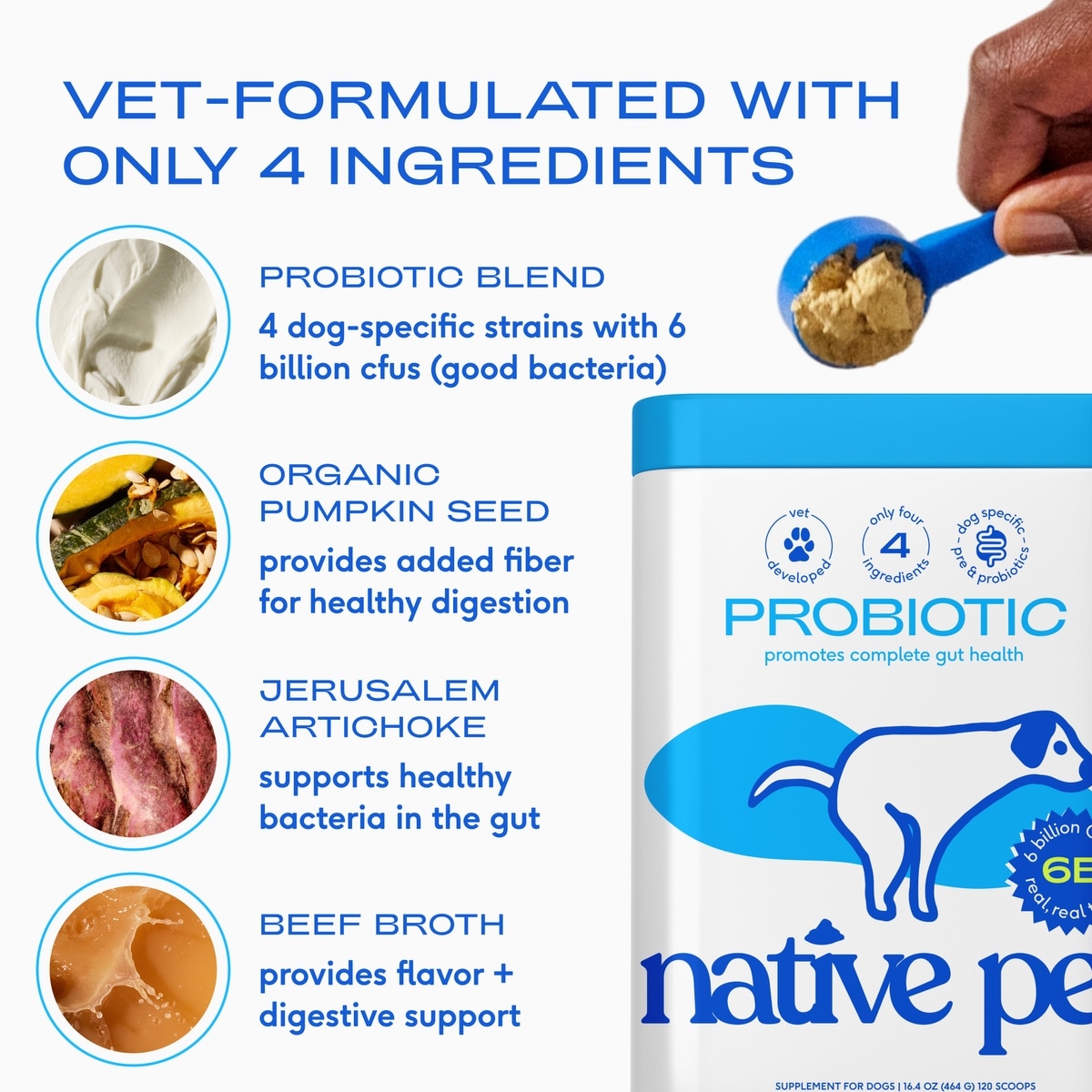
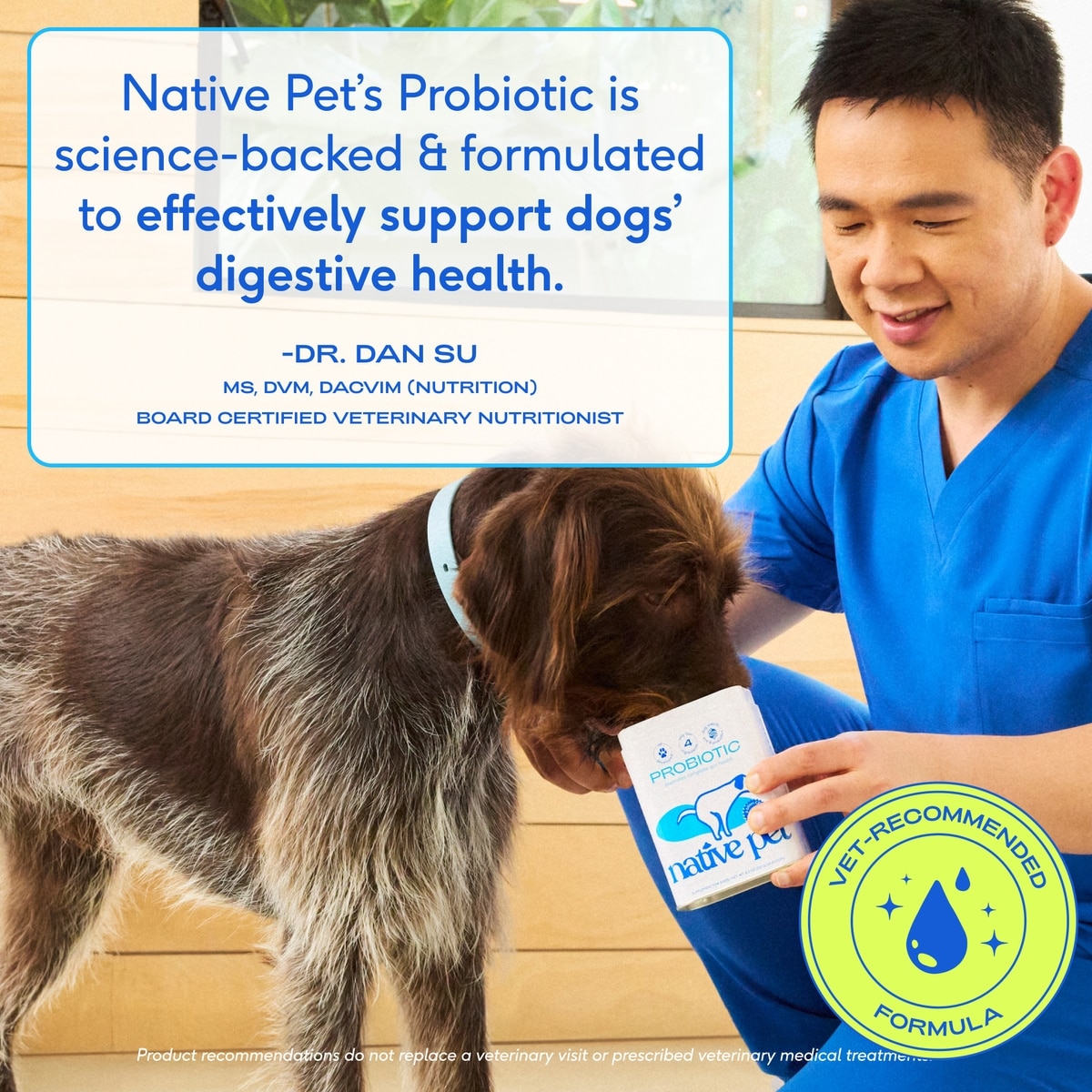
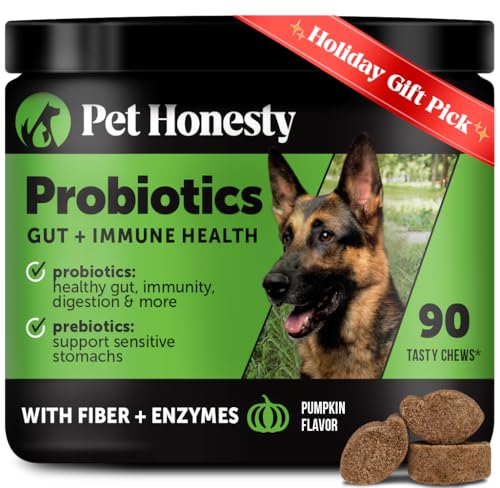
Effective management of a dog’s digestive health and the responsible use of probiotics hinge on prioritizing species-specific solutions. When considering probiotic supplementation for a dog, the most crucial practical strategy is to select products specifically formulated for canines. These veterinary-grade probiotics contain strains of bacteria that are naturally found in a dogs gut, ensuring better colonization and a higher likelihood of conferring a health benefit.
Dietary considerations play a significant role in maintaining a healthy gut microbiome. Feeding a high-quality, balanced dog food appropriate for the dog’s life stage and activity level is foundational. Incorporating sources of natural prebiotics, such as certain fibers found in pumpkin or sweet potato (in appropriate amounts), can also support the growth of beneficial gut bacteria. Sudden dietary changes should be avoided, as they can disrupt the microbiome; new foods should be introduced gradually over several days.
Environmental factors and stress reduction are also important. Stress can significantly impact gut health, potentially leading to digestive upset. Providing a consistent routine, adequate exercise, mental stimulation, and a calm living environment can help mitigate stress and support a healthy digestive system.
When a canine-specific probiotic is introduced, it should be done under veterinary guidance. A veterinarian can help determine the appropriate strain, dosage, and duration of supplementation based on the dog’s individual needs and health status. Often, a gradual introduction is recommended to allow the dog’s system to adjust, with close monitoring for any adverse reactions or improvements. Consistent care and observation of the dogs stool quality, appetite, and energy levels will provide valuable feedback on the efficacy of any dietary or supplement intervention.
When Professional Help May Be Needed
While diligent observation and proactive care can address many minor digestive upsets in dogs, certain situations unequivocally warrant professional veterinary consultation. Recognizing when to seek expert help is a hallmark of responsible pet ownership and is vital for preventing potentially serious health complications.
Persistent or severe digestive symptoms are a clear indicator that veterinary attention is necessary. This includes diarrhea or vomiting that lasts for more than 24 to 48 hours, especially if accompanied by lethargy, loss of appetite, or signs of dehydration (such as sunken eyes, dry gums, or decreased skin elasticity). The presence of blood in a dog’s stool, whether bright red or tarry black, is always a cause for immediate concern and requires urgent veterinary evaluation.
A dog experiencing significant abdominal pain, distension, or unproductive retching should be seen by a veterinarian without delay, as these could be signs of serious conditions like bloat (gastric dilatation-volvulus), which is a life-threatening emergency. Additionally, any sudden or unexplained weight loss, chronic intermittent digestive issues that do not resolve with dietary adjustments, or a decline in overall health and vitality warrants a thorough veterinary examination.
If considering any new supplement, including canine-specific probiotics, or if there are concerns about existing dietary regimens, consulting a veterinarian is always recommended. This ensures that any interventions are appropriate for the dogs specific health profile and do not interact negatively with other medications or underlying conditions. A veterinarian can provide an accurate diagnosis, recommend tailored treatment plans, and guide owners in making the best nutritional and supplementary choices for their beloved canine companion.
Conclusion
The well-being of dogs is a priority for their human companions, and digestive health plays a fundamental role in their overall vitality. While the concept of human probiotics for dogs may arise from a desire to provide the best care, it is essential to recognize the unique physiological differences between species. Probiotics offer significant benefits for a dog’s gut health, immunity, and even mood, but their efficacy is largely dependent on species-specific formulations. Administering human probiotics to dogs carries risks of ineffectiveness, inappropriate ingredients, and potential disruption to their distinct microbiome.
Responsible pet ownership involves informed decision-making, which includes prioritizing canine-specific probiotic supplements vetted by veterinary professionals. Close observation of a dog’s digestive health and general demeanor remains crucial for early detection of issues. When digestive concerns arise, or before introducing any new supplement, consulting a veterinarian is the most prudent course of action. By understanding the nuances of canine gut health and making choices that align with their specific biological needs, owners can effectively support their dogs long-term health and ensure a happy, thriving life.
Pet Care & Wellness Overview Table
| Life Stage | Daily Activity Level | Key Nutrition / Care Focus |
|---|---|---|
| Puppy / Kitten | High (frequent short bursts) | High-protein growth diet & early socialization |
| Adult Companion | Moderate (30–60 mins daily) | Balanced maintenance nutrition & dental hygiene |
| Senior Pets | Low to Gentle (mindful walks) | Joint support (Glucosamine) & routine vet checks |
Images References



For more expert pet care tips and advice, check out our dedicated Dog Health guides to keep your companions healthy and happy.




