
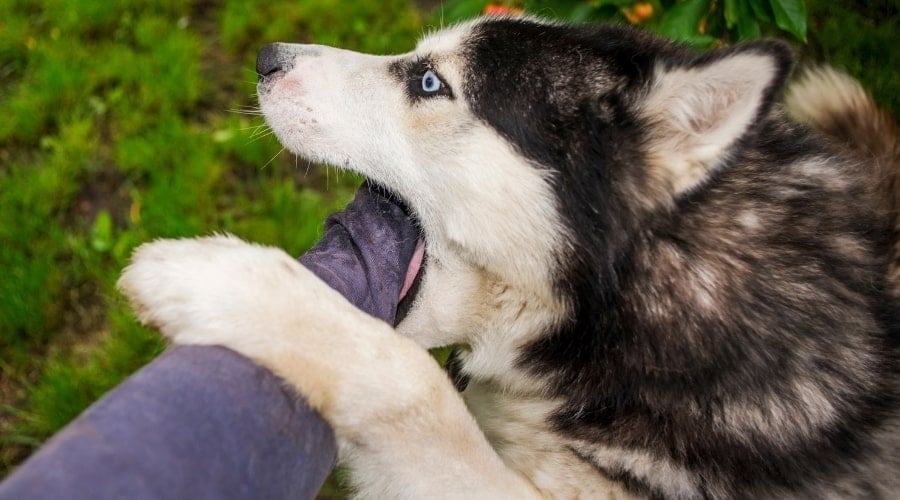
Understanding why husky mouthing behavior requires specialized attention in northern breeds
According to the American Kennel Club (AKC), northern working dogs possess high native drive levels that frequently translate into oral exploration and tactile communication with their human families. Welcoming a Siberian Husky into a household often brings boundless energy, striking blue eyes, and a very distinct communicative style that frequently involves teeth touching human skin. For many households, managing husky mouthing behavior becomes an immediate priority during the puppy and adolescent stages. Dogs explore their environment primarily through their mouths, utilizing the sensitive nerve endings in their lips and tongue to gather tactile information about objects, family members, and furniture.
💡 Pet Care Key Takeaways:
- Core Focus: Practical health, nutrition, and wellness guidelines for Husky Mouthing Behavior.
- Target Scope: Pet owners, animal caregivers, and veterinary support staff.
- Best Recommendation: Maintain consistent daily routines and consult an accredited veterinarian before introducing major diet or medical changes.
Sitting quietly on a consultation room floor, professional behaviorists frequently observe adult huskies gently grasping human wrists in a display of social affiliation. This behavior is rarely rooted in malice or canine aggression; rather, it reflects a deep-seated instinctual habit. Siberian Huskies were historically bred to work in harsh Arctic conditions, often cooperating closely with humans and one another in tight-knit packs. Consequently, these dogs developed strong vocal and tactile communication habits. Grasping hands or clothing serves as a physical prompt, drawing human attention toward a specific desire or outlet. For more related activities, check out our How Long Does It Take To Change A Dog’S Behavior.
Husky mouthing behavior encompasses soft nipping, playful grabbing, and vocal vocalizations during interaction.
Husky mouthing behavior is defined as the voluntary placement of a dog’s teeth around a person’s hand, arm, or clothing without the intent to puncture or cause tissue damage. Unlike true aggression, which is accompanied by hard biting, stiff body postures, and defensive growling, mouthing is typically a fluid, highly social interaction. During clinical assessments, canine behavior specialists differentiate between exploratory mouthing, attention-seeking nipping, and over-arousal biting. Recognizing these subtle distinctions allows owners to respond appropriately without inadvertently rewarding the unwanted action through high-pitched vocal reactions or sudden movements.
Furthermore, Siberian Huskies possess an exceptionally vocal communication repertoire, frequently combining their characteristic mouthing with “talking,” whines, and low-pitched groans. This vocalization is an essential component of their breed heritage. When a husky wants to initiate play or express frustration over a stagnant routine, the combination of vocal chatter and gentle hand-grabs creates an unmistakable expression of canine personality. Understanding that this interaction stems from a desire for engagement transforms how owners perceive the habit, shifting the focus from punishment to redirection and impulse control management.
Unmanaged oral interactions can damage human-canine bonds and create safety hazards for vulnerable household members.
Unchecked oral interactions can escalate into a household safety hazard, particularly around children, elderly individuals, and visiting guests who may misinterpret the dog’s playful intentions. While an adolescent husky may possess a refined bite inhibition—the innate ability to control the pressure of the jaws—over-arousal during play can quickly lead to accidental bruising or torn clothing. Furthermore, allowing an adult dog to keep teeth on human skin blurs clear behavioral boundaries, making it difficult for the animal to regulate its physical excitement during high-energy games like fetch or tug.
According to ASPCA behavioral studies, consistent redirection combined with positive reinforcement is the most effective approach for modifying high-drive canine oral behaviors without inducing fear or defensive responses. — ASPCA
Physical health can also influence oral habits. Dental discomfort, such as fractured teeth, retained deciduous teeth, or mild gingivitis, can prompt a dog to seek tactile relief by chewing on various surfaces, including human limbs. Establishing a proactive wellness routine that includes regular veterinary dental examinations ensures that physical discomfort is ruled out as an underlying trigger for sudden increases in oral activity. Maintaining optimal physical health supports balanced behavioral outcomes across all life stages.
Addressing husky mouthing behavior relies on consistent positive reinforcement, clear boundaries, and structured mental stimulation.
Managing husky mouthing behavior successfully requires teaching alternative responses that fulfill the dog’s intrinsic need for engagement and tactile satisfaction. When teeth make contact with skin, the most effective initial response is a neutral, immediate withdrawal of attention. Freezing movement and turning away removes the social reward that the dog seeks, signaling that oral contact halts all interaction instantly. Once calm behavior is restored, immediately praise the dog and offer an acceptable substitute, such as a durable rubber chew toy or a puzzle feeder.
Best practices involve teaching incompatible behaviors and avoiding punitive physical corrections.
Implementing positive training protocols prevents the accidental escalation of fear-based responses that often accompany aversive or dominance-based techniques. Owners should never strike a dog, hold the muzzle shut, or tap the nose, as these methods damage trust and can trigger defensive biting in high-drive breeds. Instead, focus on teaching incompatible behaviors, such as a solid “go to place” cue or fetching a toy before approaching a human. Providing adequate daily aerobic exercise—such as brisk jogging, long-distance walking, or canine sports—burns off the excess physical energy that frequently fuels over-aroused mouthing.
Canine behaviorists note that high-energy northern breeds require a minimum of sixty to ninety minutes of rigorous daily physical and mental enrichment to prevent boredom-induced behavioral issues. — Professional Association of Canine Trainers
Pet Care & Wellness Overview Table
| Life Stage | Daily Activity Level | Key Nutrition / Care Focus |
|---|---|---|
| Puppy / Kitten | High (frequent short bursts) | High-protein growth diet & early socialization |
| Adult Companion | Moderate (30–60 mins daily) | Balanced maintenance nutrition & dental hygiene |
| Senior Pets | Low to Gentle (mindful walks) | Joint support (Glucosamine) & routine vet checks |
Images References
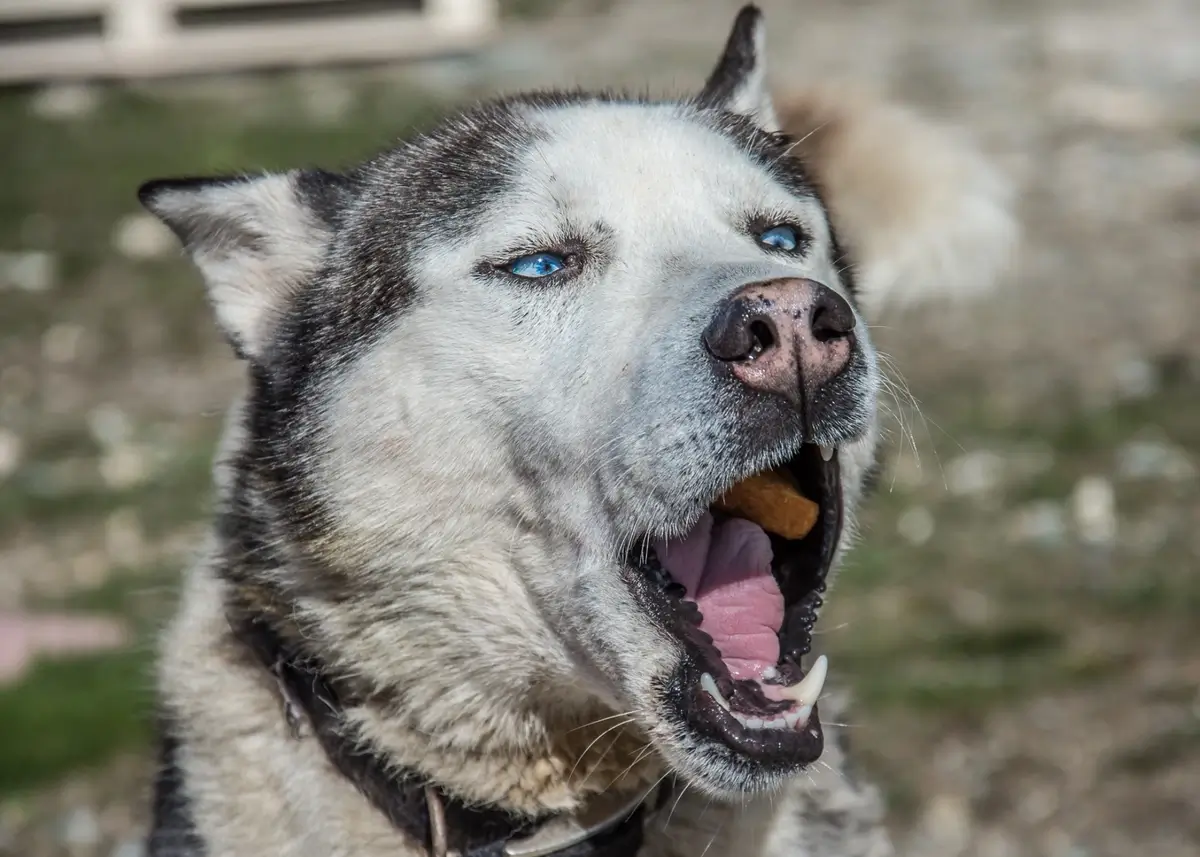
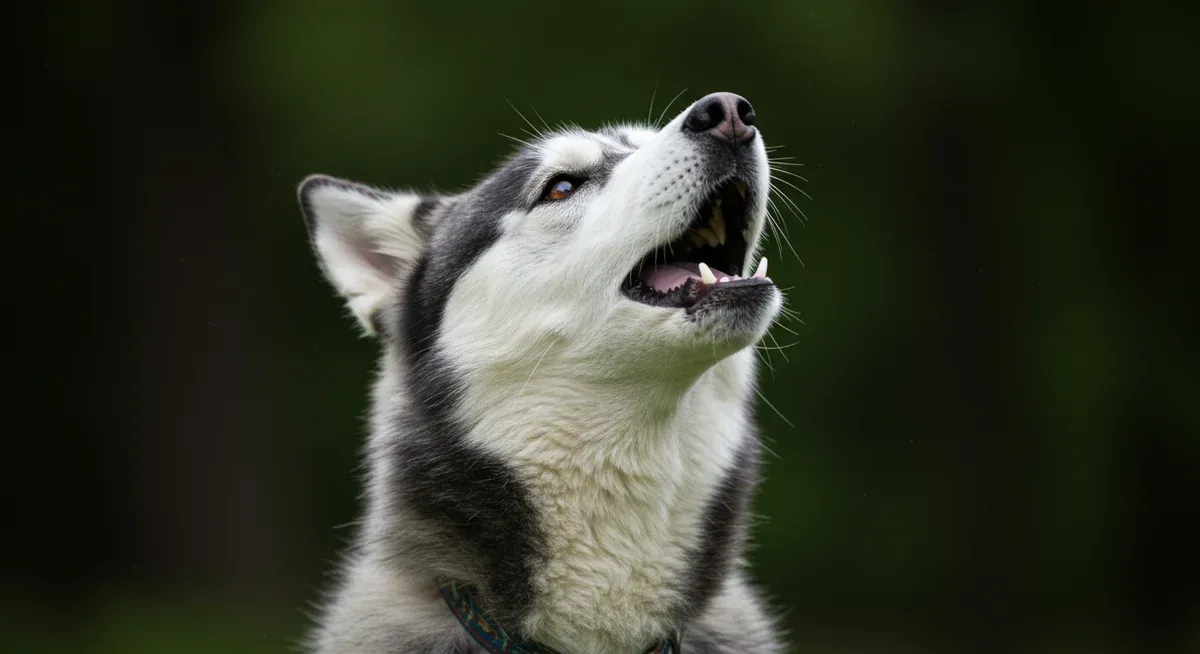


Integrating mental challenges into the daily routine is equally vital for this intelligent working breed. Food puzzle toys, scent-work games, and structured obedience sessions challenge the cognitive faculties of a Siberian Husky, channeling their innate problem-solving drive away from household items and human hands. Consistency among all family members ensures the dog receives clear, predictable feedback regarding acceptable social interaction.
Breed temperament, age milestones, and individual personality traits heavily influence oral exploration habits.
Siberian Huskies are famously independent, intelligent, and energetic dogs whose developmental timeline often extends well into their third year of life. During puppyhood and adolescence, exploration through the mouth peaks as adult teeth emerge and hormones fluctuate. Recognizing that this phase is temporary helps caregivers maintain patience during difficult training milestones. Furthermore, individual dogs within the breed vary significantly; some remain exceptionally tactile throughout their lives, while others naturally outgrow the habit with maturity and consistent guidance.
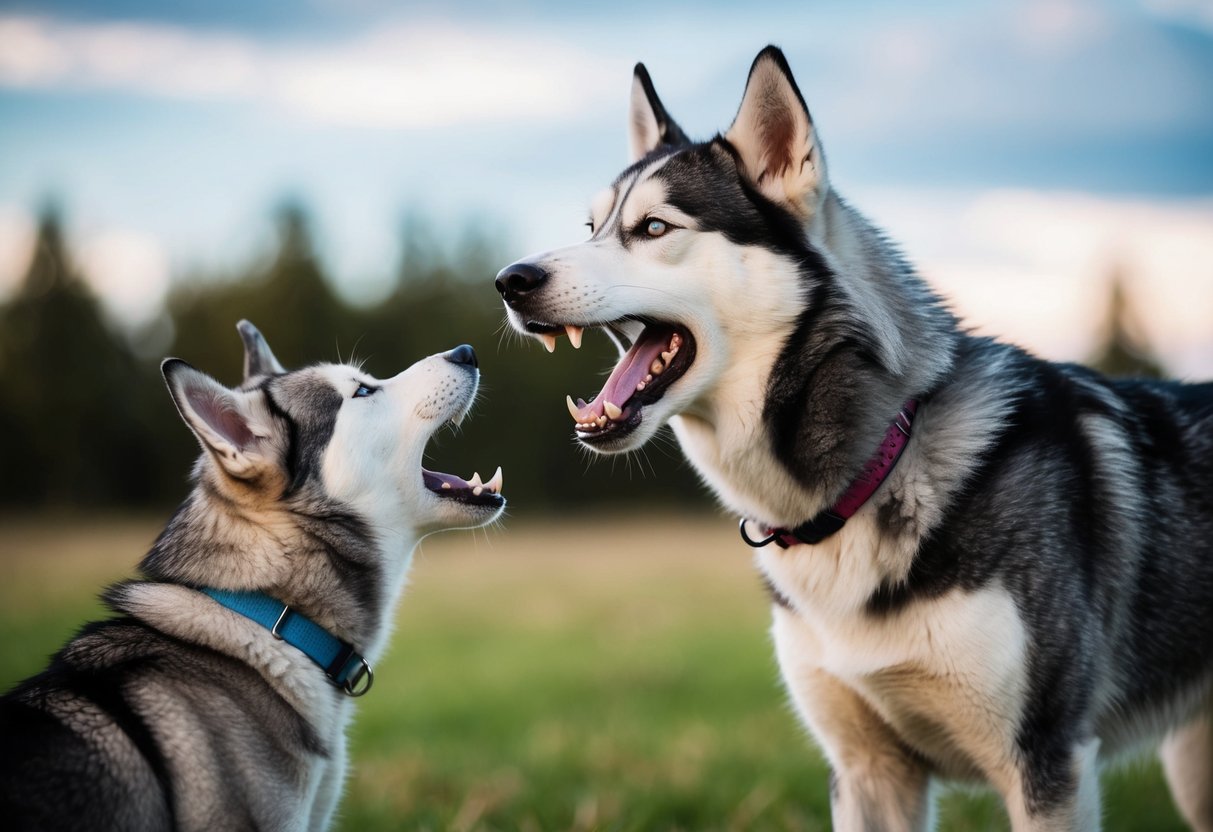
Environmental factors also play a substantial role in shaping daily habits. Multi-dog households often experience different oral dynamics compared to single-dog homes, as dogs frequently practice social play styles with one another. When observing a husky interact with canine companions, one often notices enthusiastic play-bowing accompanied by soft mouthing, which mimics the natural communication seen in wolf packs. Providing ample opportunities for safe, supervised socialization with balanced adult dogs teaches appropriate social limits that translate well into human interactions.
Professional veterinary behaviorists should be consulted if mouthing escalates into hard biting or displays aggression.
Consulting a certified professional dog trainer or veterinary behaviorist becomes necessary if oral habits fail to improve with consistent positive reinforcement or if the behavior escalates into true aggression characterized by stiff body language, growling, and skin-breaking bites. A professional can conduct a comprehensive behavioral assessment to identify underlying triggers, such as resource guarding, fear-based reactivity, or severe impulse control deficits, and formulate a customized modification plan tailored to the individual dog.
Owners navigating the energetic world of northern breeds will find a wealth of expert guidance across multiple resources dedicated to canine wellness. Deepening one’s understanding of Dog Behavior empowers caregivers to interpret subtle signals before miscommunications occur. Exploring insights into various Dog Breeds sheds light on ancestral traits that shape daily habits. Additionally, reviewing foundational principles of Dog Training ensures that household routines remain positive, productive, and strengthening for the human-canine bond. Maintaining vigilance over general Dog Care guarantees a thriving, well-adjusted companion for years to come.
Mastering husky mouthing behavior builds a harmonious relationship rooted in mutual trust and clear communication.
Navigating the unique communicative style of a Siberian Husky requires patience, consistency, and a solid understanding of breed heritage. By replacing unwanted habits with structured alternatives and rewarding calm composure, owners can transform enthusiastic nipping into gentle, affectionate interaction. Embracing this journey with empathy ensures a balanced and joyful life for both pet and family. Learn more about managing canine habits and enriching your pet’s life every day at PetsAnimalsWorld.com.




