

Introduction
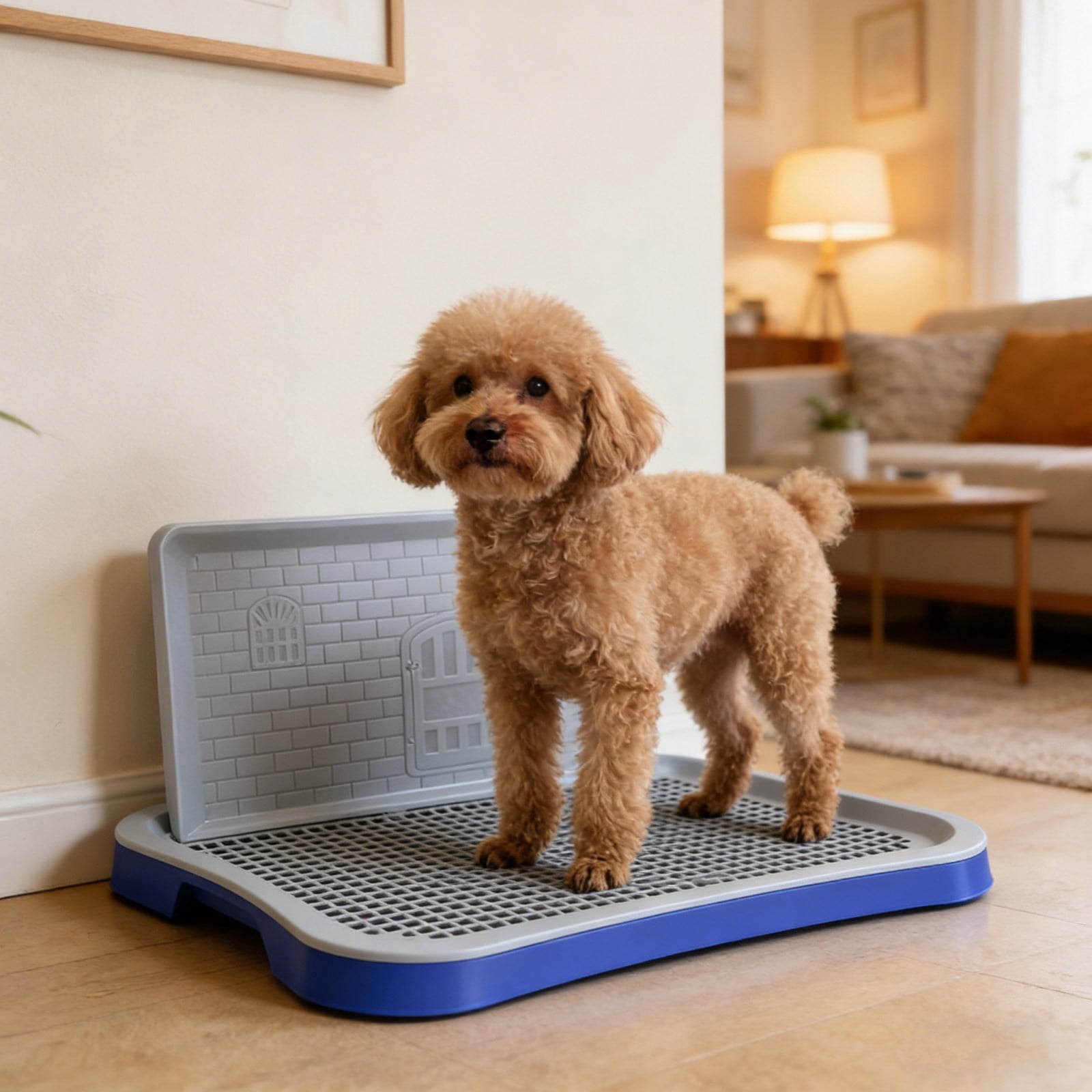
An indoor dog potty refers to a designated area or device within a home that allows a dog to relieve itself indoors. This solution is becoming increasingly relevant for many dog owners, offering convenience and addressing various challenges associated with outdoor elimination. The need for an indoor dog potty can arise from a multitude of factors, including unpredictable weather conditions, the geographical limitations of urban living, the owner’s work schedule, or the specific health and age-related needs of a canine companion. Understanding the proper implementation and underlying reasons for utilizing an indoor dog potty system can significantly enhance a dogs comfort, contribute to cleaner living spaces, and support consistent training routines, ultimately improving a dogs well-being and the harmony within the household.
💡 Pet Care Key Takeaways:
- Core Focus: Practical health, nutrition, and wellness guidelines for Indoor Dog Potty.
- Target Scope: Pet owners, animal caregivers, and veterinary support staff.
- Best Recommendation: Maintain consistent daily routines and consult an accredited veterinarian before introducing major diet or medical changes.
Common Causes and Key Factors
The necessity or preference for an indoor dog potty system often stems from several key factors, ranging from developmental stages to environmental and health considerations. A primary reason involves incomplete house-training in puppies. Young dogs possess smaller bladders and less bladder control, requiring frequent opportunities to eliminate, which an indoor solution can provide during the critical training phase. For more related activities, check out our What Trick Can Only A Border Collie Learn.
Behavioral aspects can also play a significant role. Anxiety, particularly separation anxiety, can lead to indoor accidents as a stress response. Submissive urination, where a dog urinates in response to fear or excitement, or territorial marking, a behavior where small amounts of urine are used to scent-mark objects, are other behavioral patterns that might necessitate a controlled indoor potty environment.
Medical conditions represent a critical category of causes. Urinary tract infections (UTIs), kidney disease, diabetes, and gastrointestinal issues can all increase a dogs frequency of urination or defecation, making indoor accidents more likely. Age-related incontinence or cognitive decline in senior dogs can also impair their ability to hold their bladder or remember house-training rules, highlighting the practical benefits of an indoor dog potty.
Environmental factors are equally important. Extreme weather, such as heavy rain, snow, or excessive heat, can make outdoor potty breaks impractical or even unsafe. Similarly, living in high-rise apartments or homes without immediate yard access can make frequent outdoor trips challenging, especially for smaller dogs or those with mobility issues. Sudden changes in a dog’s routine, a new living environment, or the introduction of new pets or family members can also induce stress, leading to a temporary setback in house-training.
Signs and Symptoms to Observe
Observing a dogs behavior can provide crucial insights into the underlying reasons for indoor accidents or the need for an indoor potty solution. One of the most obvious signs is an increased frequency of urination or defecation. A dog that suddenly needs to go out much more often than usual, or has multiple indoor accidents in a short period, warrants attention.
Changes in the act of elimination itself are also telling. Straining, crying, or showing discomfort while urinating or defecating can indicate a medical issue such as a UTI or constipation. Likewise, any noticeable changes in the color, consistency, or odor of urine or stool should be noted, as these can be indicators of various health problems. Increased thirst, often accompanying conditions like diabetes, can lead to more frequent urination.
Behavioral cues preceding an indoor accident can also be observed. These might include pacing, sniffing excessively, circling, or whining before relieving themselves indoors. Some dogs may adopt a submissive posture during or immediately after an accident, particularly if they have been previously punished for indoor elimination. For male dogs, especially intact ones, spraying small amounts of urine on vertical surfaces is a classic sign of marking behavior, which differs from a full bladder accident. The location of accidents can also provide clues; accidents near exits might suggest a desperate need to go out, while those in secluded spots could indicate fear or anxiety.
Practical Solutions and Management Strategies
Managing and improving the use of an indoor dog potty involves a multi-faceted approach, integrating training, environmental adjustments, and careful observation. Consistency is paramount in house-training, whether indoors or out. Establishing a predictable schedule for feeding, watering, and potty breaks helps regulate a dog’s elimination patterns. Taking a dog to the indoor potty area immediately upon waking up, after meals, before bedtime, and after periods of play is crucial for success.
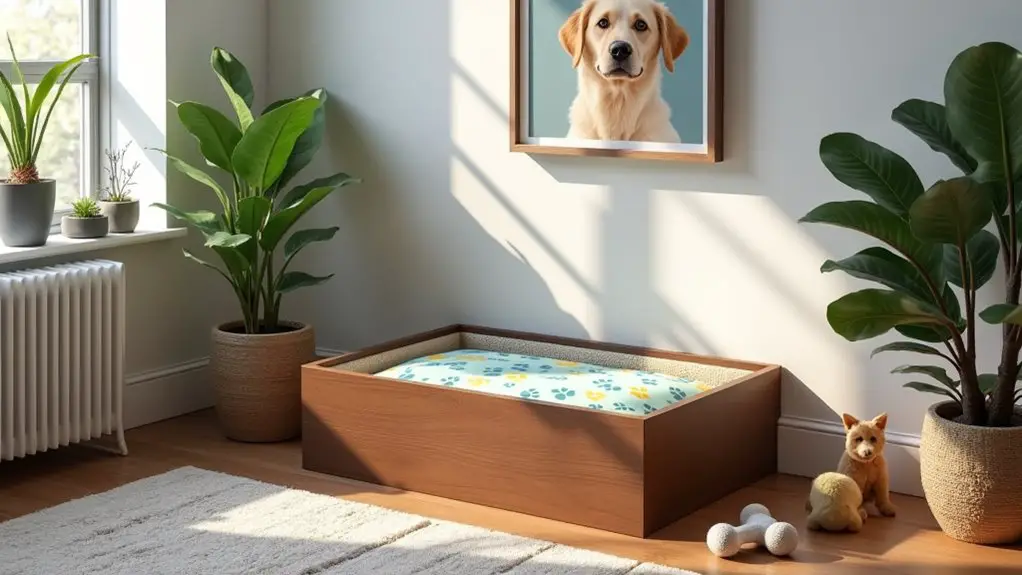
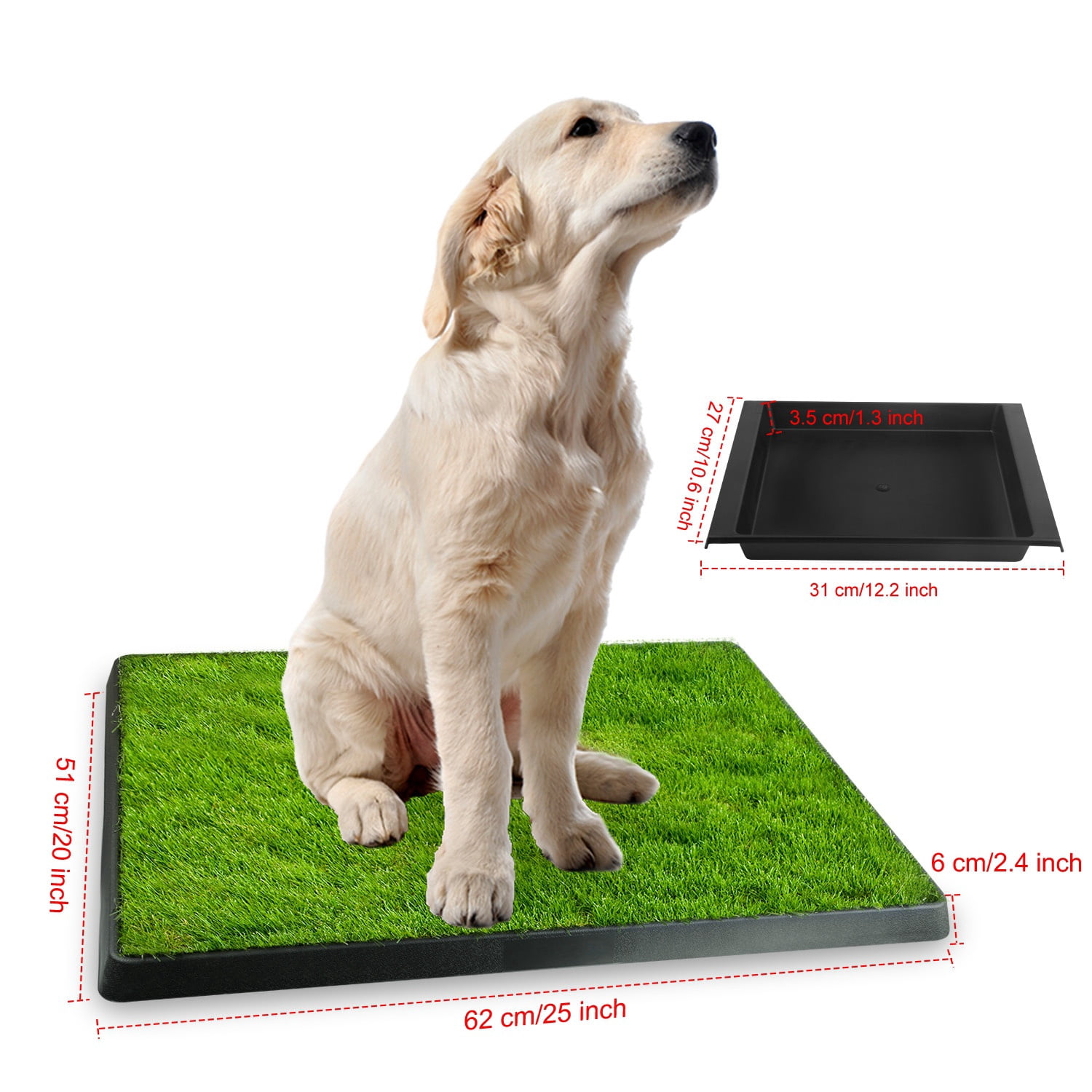
The selection and placement of the indoor dog potty are key. Options include absorbent pads, artificial grass patches, or specialized indoor litter boxes. The chosen potty should be placed in an easily accessible yet somewhat private location, away from the dog’s food and sleeping areas. Keeping the indoor potty clean is essential, as dogs are less likely to use a soiled area. Regular cleaning with enzymatic cleaners is recommended to neutralize odors and discourage repeat accidents in unintended spots.
Positive reinforcement is the most effective training method. When a dog successfully uses the indoor potty, immediate praise, a small treat, and affectionate words reinforce the desired behavior. Never punish a dog for accidents, as this can create fear and anxiety, potentially leading to more secretive indoor elimination. Instead, calmly clean up the mess and ensure more frequent access to the designated potty area.
Dietary management also plays a role. Feeding at consistent times can help regulate bowel movements. Limiting water intake an hour or two before bedtime, while ensuring adequate hydration throughout the day, can reduce overnight accidents, particularly for puppies and older dogs, but this must be done carefully to avoid dehydration.
For dogs exhibiting stress-related accidents, creating a calm and secure environment, maintaining a consistent routine, and providing ample exercise and mental stimulation can alleviate anxiety. Crate training can be an effective tool, as dogs naturally prefer not to soil their sleeping areas, thus encouraging them to hold it until they are taken to the designated indoor potty.
When Professional Help May Be Needed
While many indoor potty issues can be managed with consistent training and environmental adjustments, there are specific situations where professional intervention becomes necessary. A sudden onset of indoor accidents in a previously house-trained dog warrants immediate veterinary attention. This is especially true if accompanied by other concerning signs such as changes in appetite, increased thirst, lethargy, difficulty urinating, or visible discomfort. Medical conditions like urinary tract infections, kidney disease, or diabetes often present with such symptoms and require proper diagnosis and treatment by a veterinarian.
Persistent accidents despite dedicated training efforts can indicate deeper behavioral issues or an underlying health problem that has been overlooked. If a dog displays extreme anxiety, fear, or aggression related to potty training or other aspects of its environment, a certified professional dog trainer or a veterinary behaviorist can provide tailored strategies. They can help identify triggers, develop behavior modification plans, and, if necessary, recommend medication to manage severe anxiety.
For senior dogs experiencing new incontinence or confusion, a veterinary check-up is crucial to rule out conditions like cognitive dysfunction syndrome or other age-related ailments. These professionals can offer guidance on managing age-related changes and ensuring the dog’s comfort and quality of life. Seeking professional guidance ensures that all potential causes are explored and that the most effective and humane solutions are implemented for the dog’s well-being.
Conclusion
The successful implementation of an indoor dog potty system hinges on understanding a dog’s individual needs, consistent training, and vigilant observation. Whether used as a primary solution due to lifestyle constraints, as a temporary aid during puppyhood, or as a compassionate measure for senior dogs, an indoor dog potty can significantly contribute to a dogs comfort and the cleanliness of a home. It requires patience, positive reinforcement, and a proactive approach to address any underlying medical or behavioral issues. By recognizing the signs that indicate a need for such a system and by employing practical, well-structured strategies, dog owners can provide a convenient and stress-free elimination solution for their canine companions. A commitment to understanding and meeting a dog’s specific needs ultimately strengthens the bond and ensures a harmonious living environment for all.
Pet Care & Wellness Overview Table
| Life Stage | Daily Activity Level | Key Nutrition / Care Focus |
|---|---|---|
| Puppy / Kitten | High (frequent short bursts) | High-protein growth diet & early socialization |
| Adult Companion | Moderate (30–60 mins daily) | Balanced maintenance nutrition & dental hygiene |
| Senior Pets | Low to Gentle (mindful walks) | Joint support (Glucosamine) & routine vet checks |
Images References





For more expert pet care tips and advice, check out our dedicated Dog Training guides to keep your companions healthy and happy.




