

According to the American Kennel Club, canine adolescence is a distinct developmental window characterized by hormonal surges, brain restructuring, and temporary regressions in previously mastered obedience. During this period, owners frequently watch a once-compliant puppy suddenly ignore commands, test boundaries, and exhibit boundless energy. Understanding this developmental shift helps transform frustration into empathy.
💡 Pet Care Key Takeaways:
- Core Focus: Practical health, nutrition, and wellness guidelines for Is An Eight Month Old Labrador A Teenager.
- Target Scope: Pet owners, animal caregivers, and veterinary support staff.
- Best Recommendation: Maintain consistent daily routines and consult an accredited veterinarian before introducing major diet or medical changes.
Entering the adolescent phase means a young dog is experiencing rapid neurological changes that mirror human teenage years. Many caregivers report that their lovable puppy has seemingly transformed overnight into an independent, easily distracted adolescent. This stage requires patience, consistency, and a solid understanding of canine developmental psychology.
At eight months of age, this popular sporting breed is roughly equivalent to a young human teenager, standing near full adult height but retaining a gangly, uncoordinated frame. Hormones are actively surging, and the brain is undergoing a significant phase of synaptic pruning, where neural connections are reorganized. Consequently, familiar commands may appear entirely forgotten, and focus during training sessions can plummet dramatically.
Observing these animals in clinical and training settings reveals a classic pattern: dogs at this age test boundaries with the persistence of human teenagers. A retriever that previously walked politely on a loose leash may suddenly pull toward every scent, leaf, and passing stranger. Recognizing that this behavior stems from physiological development rather than stubborn malice is the key to maintaining a calm training environment.
The behavioral and physical impacts of canine adolescence affect household routines, joint health, and impulse control.
Behavioral impacts of adolescent development include increased mouthing, erratic jumping, and heightened reactivity to environmental stimuli. Physically, the growth plates in the long bones are still open and vulnerable to high-impact stress, meaning excessive running on hard surfaces or repetitive jumping can cause long-term orthopedic damage. Owners must balance the intense exercise needs of a high-energy sporting dog with joint protection protocols recommended by veterinary professionals.
Impulse control plummets during this developmental window because the prefrontal cortex—the area of the brain responsible for decision-making and self-regulation—is still immature. A young retriever might know the stay command perfectly well, yet find the impulse to chase a squirrel completely irresistible. Implementing structured mental enrichment helps bridge this gap by tiring out the brain alongside the body.
Canine adolescence generally spans from approximately six to eighteen months of age, varying slightly by breed size and individual maturation rate. — American Kennel Club
Managing an adolescent retriever requires positive reinforcement, environmental management, and consistent boundary setting.
Managing this challenging age effectively relies on reinforcing desired behaviors while preventing the rehearsal of unwanted habits through smart environmental management. Instead of relying on punitive corrections, which can damage the human-animal bond and increase fear or reactivity, certified trainers recommend redirecting adolescent energy into appropriate outlets like puzzle toys, nosework games, and structured obedience drills. Keeping training sessions short and highly rewarding maintains engagement.
Socialization should also continue throughout this phase, focusing on calm greetings and neutral responses to distractions rather than chaotic dog-park free-for-alls. Adolescent dogs can develop fear periods or sudden reactivity, making controlled, positive exposures essential for long-term behavioral health. Consulting resources dedicated to Dog Training can provide actionable strategies for this critical developmental bridge.
Avoiding common adolescent training mistakes prevents long-term behavioral setbacks and strengthens the bond between dog and owner.
Common mistakes during this stage include abandoning structure out of frustration, utilizing harsh aversive tools, or failing to provide adequate physical and mental exercise. A frequent pitfall is allowing a large, powerful retriever to practice jumping on people simply because it seems harmless at forty pounds, only to find the habit unmanageable at seventy pounds. Consistency across all household members remains non-negotiable.
Furthermore, owners should avoid over-exercising young retrievers with high-impact activities before their growth plates close, prioritizing controlled sniffing walks and brain games instead. Exploring proper wellness routines through Dog Care guidelines ensures physical needs are met safely without compromising developing joints. Patience during these months pays off with a well-adjusted, reliable adult companion.
Positive reinforcement training methods are proven to be more effective and less likely to induce fear or aggression compared to dominance-based correction techniques. — American Veterinary Society of Animal Behavior
Pet Care & Wellness Overview Table
| Life Stage | Daily Activity Level | Key Nutrition / Care Focus |
|---|---|---|
| Puppy / Kitten | High (frequent short bursts) | High-protein growth diet & early socialization |
| Adult Companion | Moderate (30–60 mins daily) | Balanced maintenance nutrition & dental hygiene |
| Senior Pets | Low to Gentle (mindful walks) | Joint support (Glucosamine) & routine vet checks |
Images References

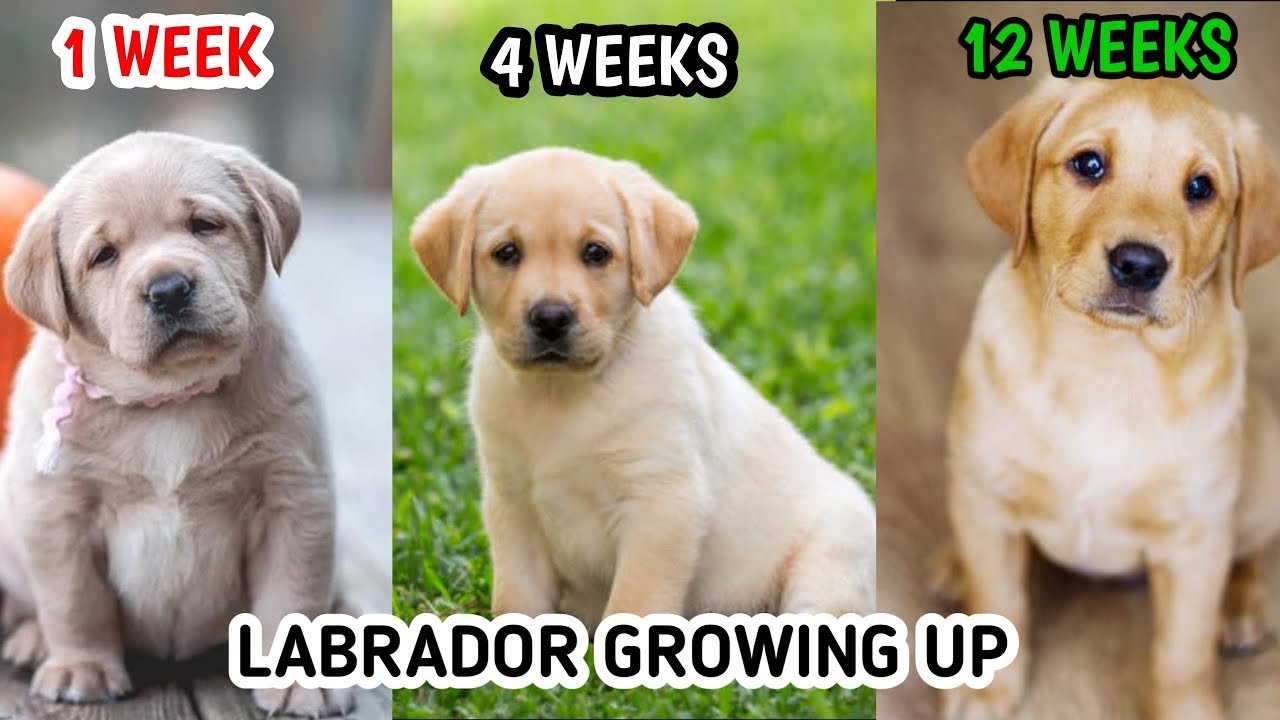

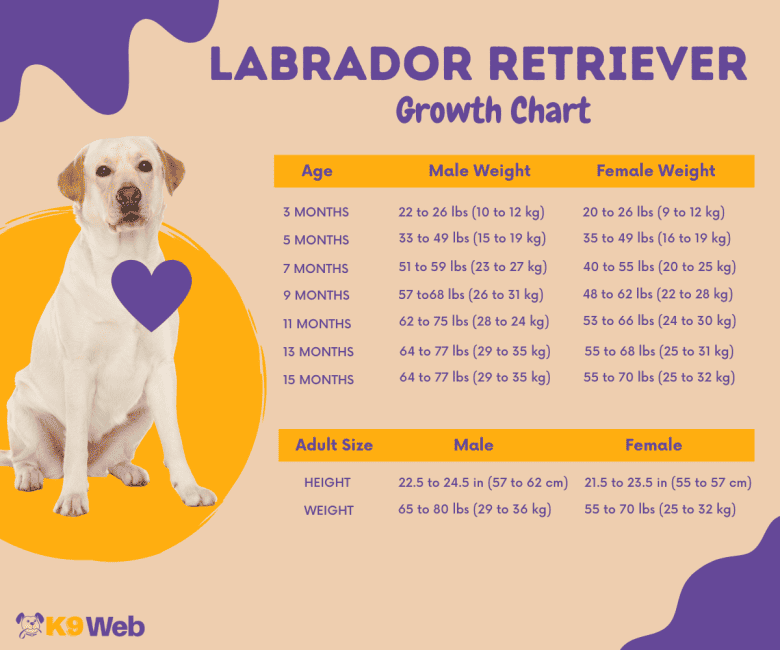


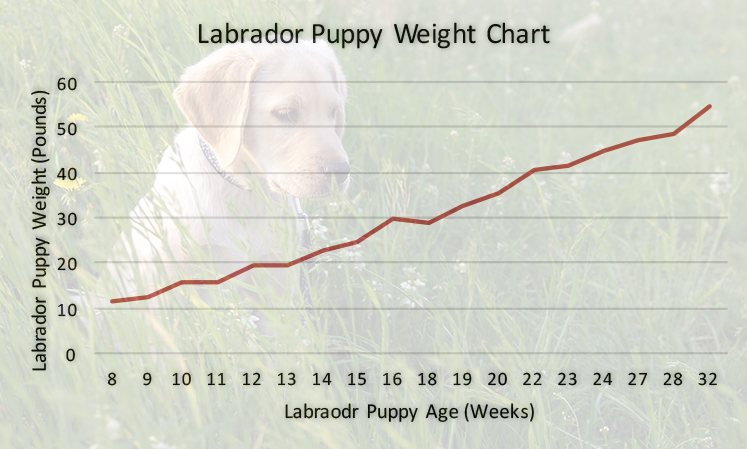
Breed-specific traits and size considerations amplify the challenges of managing an adolescent sporting dog.
Sporting breeds like this one possess an innate drive to retrieve, explore, and interact physically with their environment using their mouths. Combined with a large, robust body and powerful muscular frame, an untrained or impulsive adolescent can easily knock over children or pull owners off balance. Recognizing these innate breed characteristics allows families to channel that natural exuberance into constructive tasks like retrieving balls in a fenced area or learning scent detection.
Nutritional needs also shift during this growth phase, requiring careful monitoring to prevent rapid, unhealthy weight gain while supporting skeletal development. Consulting professional resources focused on Dog Nutrition helps ensure the diet matches the high energy expenditure of a growing adolescent. Feeding guidelines should always be confirmed individually with a veterinarian to account for body condition score and activity level.
Consulting a veterinary professional or certified behaviorist is vital when adolescent behaviors escalate into severe reactivity or anxiety.
While typical teenage testing behavior resolves with consistent training, certain signs warrant immediate professional intervention from a veterinarian or certified behaviorist. Behaviors such as unprovoked aggression, severe fear responses, destructive separation anxiety, or obsessive-compulsive habits exceed normal developmental boundary-testing and require specialized guidance. Addressing these concerns early prevents entrenched behavioral problems in adulthood.
Medical issues can also mimic behavioral changes, as discomfort from hip dysplasia, panosteitis, or dental pain may cause an adolescent dog to act out or resist handling. A thorough veterinary examination rules out underlying health concerns before attributing sudden disobedience entirely to behavioral rebellion. Reviewing specialized insights in Dog Health equips caregivers to spot subtle signs of physical distress.
Supporting a young retriever through the teenage months builds the foundation for a magnificent adult companionship.
Guiding an adolescent dog through hormonal shifts, boundless energy, and boundary-testing requires immense dedication, but the effort yields an exceptionally loyal and well-mannered adult companion. By combining patience, positive reinforcement, and proper health management, families can navigate this turbulent phase successfully. Discover more expert guidance and practical advice for every life stage by visiting PetsAnimalsWorld.com, alongside specialized resources in Dog Behavior and Dog Breeds.




