

According to the American Kennel Club (AKC), adolescence in large dog breeds typically begins around six months of age and brings noticeable changes in temperament and energy expenditure. During daily practice in behavior clinics, observing a canine transition from a sleepy puppy into an exuberant adolescent often catches families completely off guard. Suddenly, foundational obedience learned in early puppyhood seems to vanish overnight, replaced by a surge of independent exploration. Grasping the biological and psychological drivers behind this life stage transforms frustration into effective management, ensuring a harmonious household during these turbulent months.
💡 Pet Care Key Takeaways:
- Core Focus: Practical health, nutrition, and wellness guidelines for 7 Month Old Labrador Behaviors.
- Target Scope: Pet owners, animal caregivers, and veterinary support staff.
- Best Recommendation: Maintain consistent daily routines and consult an accredited veterinarian before introducing major diet or medical changes.
Recognizing 7 month old labrador behaviors involves identifying the peak of adolescent testing and boundless stamina.
A seven month old Labrador retriever behavior profile is defined by an intense burst of physical growth, hormonal fluctuations, and a strong drive to investigate the environment. In professional behavior settings, this phase is frequently characterized by selective listening, persistent counter-surfing, and an overwhelming urge to chew on furniture legs and household items. Because Labradors are a high-energy sporting breed engineered originally to retrieve waterfowl, their adolescent bodies demand significantly more physical and mental stimulation than before. Canine adolescence also marks the onset of social maturity, where young dogs begin testing boundaries within the family unit and pushing limits during daily routines.
Managing these developmental shifts safeguards the physical joints and emotional well-being of a growing retriever.
Addressing these developmental changes promptly prevents the consolidation of undesirable habits like jumping, excessive barking, and leash pulling. Furthermore, because large-breed puppies experience rapid skeletal development, unmanaged high-impact jumping or over-exercising can place undue stress on vulnerable growth plates. Professional guidance from certified behaviorists emphasizes redirection over punishment, safeguarding the bond between animal and caretaker. Providing structured outlets for natural instincts prevents destructive chewing while protecting household belongings from sharp adolescent teeth.
Adolescent large-breed dogs experience significant hormonal surges that temporarily impair impulse control and recall reliability — American Kennel Club (AKC)
Implementing structured routines and positive reinforcement successfully channels adolescent energy into appropriate outlets.
Establishing consistent daily structure helps mitigate erratic behavior by providing predictability and clear boundaries for a developing retriever. Professional trainers recommend utilizing puzzle toys, scent games, and obedience drills to tire out an active mind rather than relying solely on physical exercise. Positive reinforcement, involving high-value rewards and enthusiastic praise, encourages the repetition of calm behaviors while ignoring attention-seeking antics. In practice, rewarding four paws on the floor whenever greeting human family members quickly replaces the frantic habit of jumping up.
Avoiding common pitfalls during adolescence preserves long-term obedience and trust.
Avoiding harsh corrections or punitive training methods is essential, as fear-based techniques can trigger defensive reactivity in a maturing adolescent dog. Many caretakers mistakenly assume that ignoring unwanted actions will instantly cure them, failing to realize that intermittent reinforcement can accidentally reward persistence. Another frequent error involves reducing mental enrichment, which inevitably leads to boredom-induced mischief around the house. Consistency across all household members prevents confusion, ensuring the young dog understands expectations regardless of who is holding the leash.
Consistent positive reinforcement during the critical second fear period and adolescent stage fosters lifelong canine confidence and emotional stability — American Society for the Prevention of Cruelty to Animals (ASPCA)
Pet Care & Wellness Overview Table
| Life Stage | Daily Activity Level | Key Nutrition / Care Focus |
|---|---|---|
| Puppy / Kitten | High (frequent short bursts) | High-protein growth diet & early socialization |
| Adult Companion | Moderate (30–60 mins daily) | Balanced maintenance nutrition & dental hygiene |
| Senior Pets | Low to Gentle (mindful walks) | Joint support (Glucosamine) & routine vet checks |
Images References





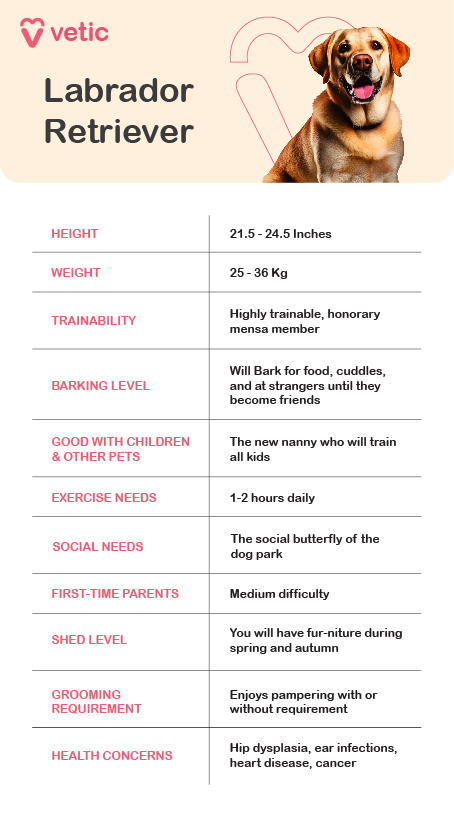
Understanding breed-specific traits helps contextualize why these physical and mental challenges emerge at this exact age.
Labrador Retrievers are renowned for retaining puppy-like enthusiasm well into their third year of life, meaning adolescent antics are just the beginning of a long maturation process. Their webbed toes, thick otter tails, and strong retrieving instincts mean that water play and fetch are not merely games, but deep-seated genetic requirements. Recognizing that these physical attributes contribute to boundless stamina allows families to tailor appropriate exercise programs that accommodate rapid growth. Engaging with specialized resources on Dog Breeds offers deeper insight into why these working companions require specialized outlets.
Knowing when to consult a veterinary professional or certified behaviorist ensures safe resolution of challenging adolescent issues.
Consulting a professional is necessary if adolescent testing escalates into persistent resource guarding, fear-based reactivity, or unprovoked aggression toward humans or other animals. Certified behaviorists utilize evidence-based modification plans that prioritize safety and humane treatment, preventing minor adolescent quirks from becoming permanent behavioral liabilities. Additionally, sudden shifts in conduct can sometimes indicate underlying medical discomfort, making a thorough physical examination by a licensed veterinarian a prudent first step. Reviewing expert insights within Dog Behavior and Dog Health equips caregivers with the knowledge needed to spot potential warning signs early.
Supporting a maturing retriever through consistency and care builds a foundation for a well-adjusted adult companion.
Guiding a young retriever through the complexities of adolescence demands patience, structured training, and an understanding of canine development principles. By meeting daily exercise needs and maintaining clear boundaries, households can successfully navigate this demanding life stage with confidence and grace. Exploring further guidance through Dog Training and Dog Care ensures continuous access to trusted advice. Visit PetsAnimalsWorld.com to discover additional resources dedicated to raising healthy, happy companions.




