

Introduction
Maintaining a dog’s vitality and comfort throughout its life often involves proactive attention to various aspects of its health. Among these, joint health stands as a critical area, especially as dogs age or belong to breeds predisposed to orthopedic issues. This is where the significance of joint care chews becomes evident. Joint care chews are palatable dietary supplements formulated to support canine joint function, mobility, and overall comfort. They represent a key component in a comprehensive approach to managing and preventing joint discomfort, which can arise from factors such as natural aging, genetic predispositions, high activity levels, or past injuries. Understanding the role of these chews and integrating them appropriately into a dog’s routine can significantly enhance its well-being, enabling continued enjoyment of activities and a higher quality of life.
💡 Pet Care Key Takeaways:
- Core Focus: Practical health, nutrition, and wellness guidelines for Joint Care Chews.
- Target Scope: Pet owners, animal caregivers, and veterinary support staff.
- Best Recommendation: Maintain consistent daily routines and consult an accredited veterinarian before introducing major diet or medical changes.
Common Causes and Key Factors
Joint issues in dogs, which prompt consideration of supplements like joint care chews, stem from a variety of interconnected factors. Age is a predominant contributor, with natural wear and tear gradually affecting cartilage and joint structures over time, often leading to osteoarthritis. Certain breeds carry a higher genetic predisposition to conditions such as hip and elbow dysplasia, making proactive joint care crucial from a younger age. Large and giant breeds, as well as highly active working or athletic dogs, often experience increased stress on their joints due to their size or demanding lifestyles. For more related activities, check out our Can Apoquel Cause Aggression In Dogs.
Weight management also plays a significant role; obesity places excessive strain on joints, accelerating degradation and exacerbating existing conditions. Past injuries, even seemingly minor ones, can have long-term repercussions on joint health. Furthermore, environmental factors, such as prolonged exposure to cold or damp conditions, can sometimes exacerbate joint stiffness and discomfort. Understanding these underlying causes helps in identifying dogs that may benefit most from supplementary joint support.
Signs and Symptoms to Observe
Recognizing the subtle and overt signs of joint discomfort is crucial for timely intervention and the effective use of joint care chews. Observable indicators often include a reluctance to engage in activities once enjoyed, such as running, jumping, or climbing stairs. A dog might show stiffness, particularly after resting or in the morning, displaying difficulty rising or lying down. Limping or an altered gait, sometimes described as “bunny hopping” for hind legs, can also signify joint pain.
Other signs include changes in posture, an unusual way of carrying a limb, or even noticeable muscle atrophy in affected legs due to disuse. Some dogs may excessively lick or chew at a painful joint, while others might become more irritable or vocal when touched in certain areas. Decreased overall activity levels, reduced playfulness, or a general slowing down can also point to underlying joint issues. The manifestation of these symptoms can vary significantly depending on a dog’s age, breed, the severity of the condition, and which specific joints are affected. Consistent observation of a dog’s movement and behavior is key to early detection.
Practical Solutions and Management Strategies
Effective management of canine joint health involves a multifaceted approach, with joint care chews often serving as a cornerstone. These supplements typically contain active ingredients like glucosamine and chondroitin, which are building blocks for cartilage; methylsulfonylmethane (MSM), known for its anti-inflammatory properties; and omega-3 fatty acids, which help reduce inflammation. Other beneficial components may include hyaluronic acid, green-lipped mussel, and turmeric. When selecting joint care chews, it is important to choose reputable brands that provide clear ingredient lists, proper dosages based on a dog’s weight, and ideally, third-party testing for quality assurance. Consistent administration according to manufacturer guidelines is essential for optimal results, as the benefits often accumulate over time.
Beyond supplementation, several practical strategies can further support joint health. Maintaining a healthy weight is paramount, as excess pounds significantly increase stress on joints. Regular, controlled exercise, such as leash walks or swimming, promotes muscle strength and joint flexibility without high-impact strain. Providing comfortable, orthopedic bedding can alleviate pressure points and offer support for aching joints. Ramps or pet stairs can assist dogs in accessing elevated surfaces, reducing the need for strenuous jumping. Additionally, ensuring a balanced diet rich in essential nutrients contributes to overall musculoskeletal health, complementing the targeted support provided by joint care chews.
When Professional Help May Be Needed
While joint care chews and lifestyle adjustments are highly beneficial, recognizing when to seek professional veterinary intervention is crucial for a dog’s health and comfort. A veterinary consultation becomes necessary if a dog exhibits sudden lameness, acute pain, or a rapid worsening of existing joint symptoms. If a dog does not show improvement after a consistent period of using joint care chews and implementing other supportive measures, a deeper medical investigation is warranted.
A veterinarian can perform a thorough physical examination, potentially order diagnostic imaging such as X-rays, or recommend blood tests to accurately diagnose the underlying cause of joint issues. This professional assessment helps differentiate between conditions that may benefit primarily from conservative management and those requiring more advanced treatments. Depending on the diagnosis, a veterinarian might recommend prescription medications to manage pain and inflammation, advanced therapies like therapeutic injections, or, in some cases, surgical intervention. Regular check-ups are particularly important for senior dogs and breeds known to be susceptible to joint conditions, allowing for early detection and proactive management strategies.
Conclusion
Nurturing a dog’s joint health is a continuous journey that significantly contributes to its overall happiness and mobility. Joint care chews serve as an invaluable tool in this endeavor, offering targeted nutritional support to maintain cartilage integrity, reduce inflammation, and alleviate discomfort. However, their efficacy is maximized when integrated into a holistic approach that includes diligent observation, appropriate weight management, tailored exercise routines, and a comfortable living environment. Regular communication with a veterinarian ensures that any joint concerns are addressed promptly and effectively, whether through supplementation, medication, or other therapeutic interventions. By embracing a proactive and informed approach to joint care, pet owners can help their beloved companions enjoy a life filled with comfort, activity, and boundless joy for many years.
Pet Care & Wellness Overview Table
| Life Stage | Daily Activity Level | Key Nutrition / Care Focus |
|---|---|---|
| Puppy / Kitten | High (frequent short bursts) | High-protein growth diet & early socialization |
| Adult Companion | Moderate (30–60 mins daily) | Balanced maintenance nutrition & dental hygiene |
| Senior Pets | Low to Gentle (mindful walks) | Joint support (Glucosamine) & routine vet checks |
Images References
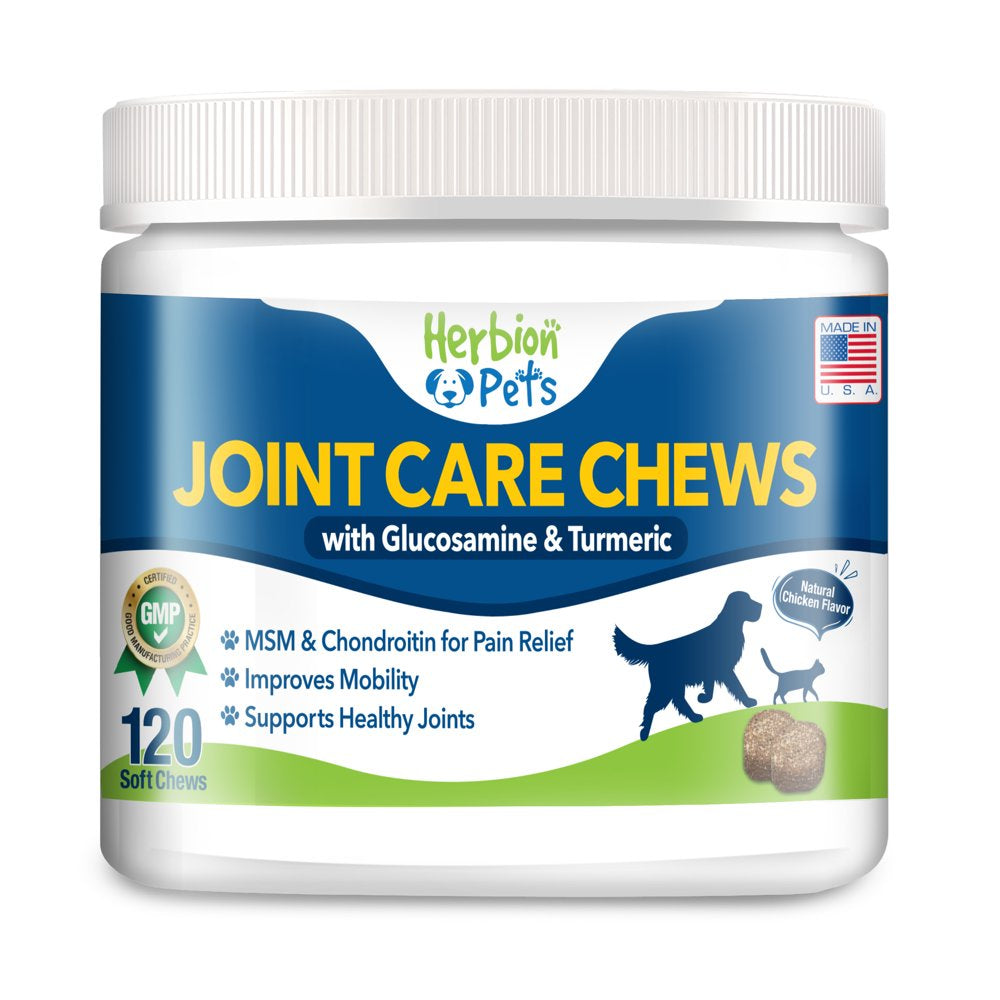





For more expert pet care tips and advice, check out our dedicated Dog Health guides to keep your companions healthy and happy.


