

Introduction
Understanding a dog’s digestive health is fundamental to its overall well-being, and at the heart of this health lies the intricate balance of the gut microbiome. The terms “pre and probiotics for dogs” refer to specific nutritional elements designed to support this crucial internal ecosystem. Probiotics are live, beneficial microorganisms that, when administered in adequate amounts, confer a health benefit to the host. Prebiotics, on the other hand, are non-digestible food ingredients that selectively stimulate the growth and activity of beneficial bacteria already residing in the colon. The importance of these supplements for canines cannot be overstated, as a balanced gut contributes not only to efficient digestion and nutrient absorption but also plays a significant role in immune function, skin health, and even mood regulation. Disruptions to this delicate balance, often occurring due to dietary changes, stress, antibiotic use, or illness, can lead to a cascade of health issues. By exploring prebiotics and probiotics, dog owners can gain valuable insights into maintaining and improving their companion’s vitality and quality of life.
💡 Pet Care Key Takeaways:
- Core Focus: Practical health, nutrition, and wellness guidelines for Pre And Probiotics For Dogs.
- Target Scope: Pet owners, animal caregivers, and veterinary support staff.
- Best Recommendation: Maintain consistent daily routines and consult an accredited veterinarian before introducing major diet or medical changes.
Common Causes and Key Factors
Various factors can disrupt a dog’s gut microbiome, leading to an imbalance that may necessitate the introduction of pre and probiotics for dogs. One primary cause is dietary changes or a poor-quality diet. Sudden switches in food, ingredients that are difficult to digest, or diets lacking sufficient fiber can upset the delicate bacterial balance. Highly processed foods, often containing artificial additives, might also contribute to an unhealthy gut environment. For more related activities, check out our Natural Remedies For Fluid Retention In Dogs Australia.
Stress is another significant contributor to gut issues. Environmental changes, separation anxiety, travel, visits to the veterinarian, or even loud noises can impact a dog’s digestive system. The gut-brain axis demonstrates a strong connection between psychological stress and physiological changes in the digestive tract.
The use of antibiotics is a well-known factor in gut dysbiosis. While essential for treating bacterial infections, antibiotics often indiscriminately kill both harmful and beneficial bacteria, leading to a depleted microbiome. Similarly, other medications or certain medical conditions can alter gut flora.
A dog’s age can also play a role. Puppies have developing digestive systems that can be more sensitive, while senior dogs may experience a natural decline in digestive efficiency and immune function, making them more susceptible to imbalances. Environmental exposures to pathogens or toxins can also introduce harmful bacteria or disrupt existing beneficial ones.
Signs and Symptoms to Observe
Recognizing the signs of an imbalanced gut microbiome is crucial for addressing a dog’s digestive health. Owners should be attentive to several observable indicators. Digestive issues are among the most common, including recurring diarrhea, constipation, or inconsistent stool quality. Excessive flatulence, bloating, and occasional vomiting or regurgitation may also point to a struggling digestive system.
Beyond direct digestive complaints, the condition of a dog’s skin and coat can offer clues. A dull, dry coat, excessive shedding unrelated to seasonal changes, flaky skin, or unexplained itching (without signs of parasites or allergies) can sometimes be linked to nutrient malabsorption or an overgrowth of yeast in the gut.
Immune system issues are also relevant. Dogs with an unhealthy gut may experience more frequent infections, suffer from allergies, or exhibit a slower recovery time from illnesses, as a significant portion of the immune system resides in the gut.
Less obvious signs might include changes in appetite (either decreased or excessively ravenous), lethargy, or even subtle behavioral shifts. While not always directly attributable to gut health, a chronically uncomfortable dog may show reduced energy or a general lack of enthusiasm. Observing these symptoms carefully and noting their frequency and severity can help guide decisions regarding dietary support.
Practical Solutions and Management Strategies
Supporting a dog’s gut health through pre and probiotics involves a multi-faceted approach, often starting with a review of current dietary practices. The foundation for a healthy gut is a high-quality, balanced diet appropriate for a dog’s age, breed, and activity level. Avoiding sudden food changes and opting for foods with easily digestible ingredients can significantly mitigate digestive stress.
Prebiotics can be introduced to nourish existing beneficial gut bacteria. Natural sources of prebiotics include certain vegetables and fruits in moderation, such as chicory root, dandelion greens, asparagus, and small amounts of bananas or apples (without seeds). These fibers pass undigested into the colon, where they ferment and feed beneficial microbes. Many commercial dog foods and supplements also incorporate prebiotic fibers like FOS (fructooligosaccharides) and inulin.
Probiotics directly supplement the gut with beneficial live microorganisms. These can be found in various forms, including powders, chews, and capsules, often containing strains like Lactobacillus and Bifidobacterium. Fermented foods like plain, unsweetened kefir or yogurt can also provide a natural source of probiotics, though these should be given in small quantities and confirmed to be free of xylitol. When selecting a commercial probiotic supplement, it is important to choose products specifically formulated for dogs, with a clear indication of CFU (colony-forming units) and reputable manufacturing standards.
Gradual introduction of any new dietary supplement is key to prevent digestive upset. Starting with a small amount and slowly increasing to the recommended dosage allows a dog’s system to adjust. Ensuring consistent access to fresh, clean water is also vital for healthy digestion. Additionally, managing stress through a stable routine, adequate exercise, and a calm home environment can contribute positively to gut function, reinforcing the benefits of pre and probiotics for dogs.
When Professional Help May Be Needed
While pre and probiotics for dogs can be highly beneficial for maintaining and restoring gut health, there are specific situations where veterinary consultation becomes essential. Professional guidance is recommended when a dog exhibits persistent digestive symptoms, such as chronic diarrhea, recurrent vomiting, or severe constipation that does not resolve with simple dietary adjustments or over-the-counter remedies. These symptoms can indicate more serious underlying conditions that require veterinary diagnosis and treatment.
A dog experiencing sudden and severe digestive distress, unexplained weight loss, lethargy, or a significant change in behavior should be promptly evaluated by a veterinarian. Such signs might point to infections, inflammatory bowel disease, organ dysfunction, or other medical emergencies.
Furthermore, it is always advisable to consult a veterinarian before starting any new supplement regimen, especially for dogs with pre-existing health conditions, those on medication, or very young puppies and senior dogs. A veterinarian can offer tailored advice on appropriate strains, dosages, and potential interactions, ensuring the chosen pre and probiotics are safe and effective for an individual dog’s specific needs. Professional assessment helps differentiate between minor imbalances and conditions requiring more intensive medical intervention.
Conclusion
The journey to a healthy and thriving dog often begins in the gut. Understanding the vital roles of pre and probiotics for dogs empowers owners to actively support their companions’ digestive systems, leading to improvements in overall health, immunity, and quality of life. A balanced gut microbiome, nurtured by beneficial bacteria and their preferred food sources, is a cornerstone of canine well-being, influencing everything from nutrient absorption to immune response and even mood. By recognizing the common factors that can disrupt gut health, observing subtle signs of imbalance, and implementing practical strategies such as a high-quality diet and appropriate supplementation, owners can make a tangible difference. Consistent care, coupled with proactive observation and timely veterinary consultation when concerns arise, ensures that dogs receive the best possible support for their digestive health. Prioritizing the gut health of canine companions is a fundamental aspect of responsible pet ownership, fostering a healthier and happier life for dogs.
Pet Care & Wellness Overview Table
| Life Stage | Daily Activity Level | Key Nutrition / Care Focus |
|---|---|---|
| Puppy / Kitten | High (frequent short bursts) | High-protein growth diet & early socialization |
| Adult Companion | Moderate (30–60 mins daily) | Balanced maintenance nutrition & dental hygiene |
| Senior Pets | Low to Gentle (mindful walks) | Joint support (Glucosamine) & routine vet checks |
Images References


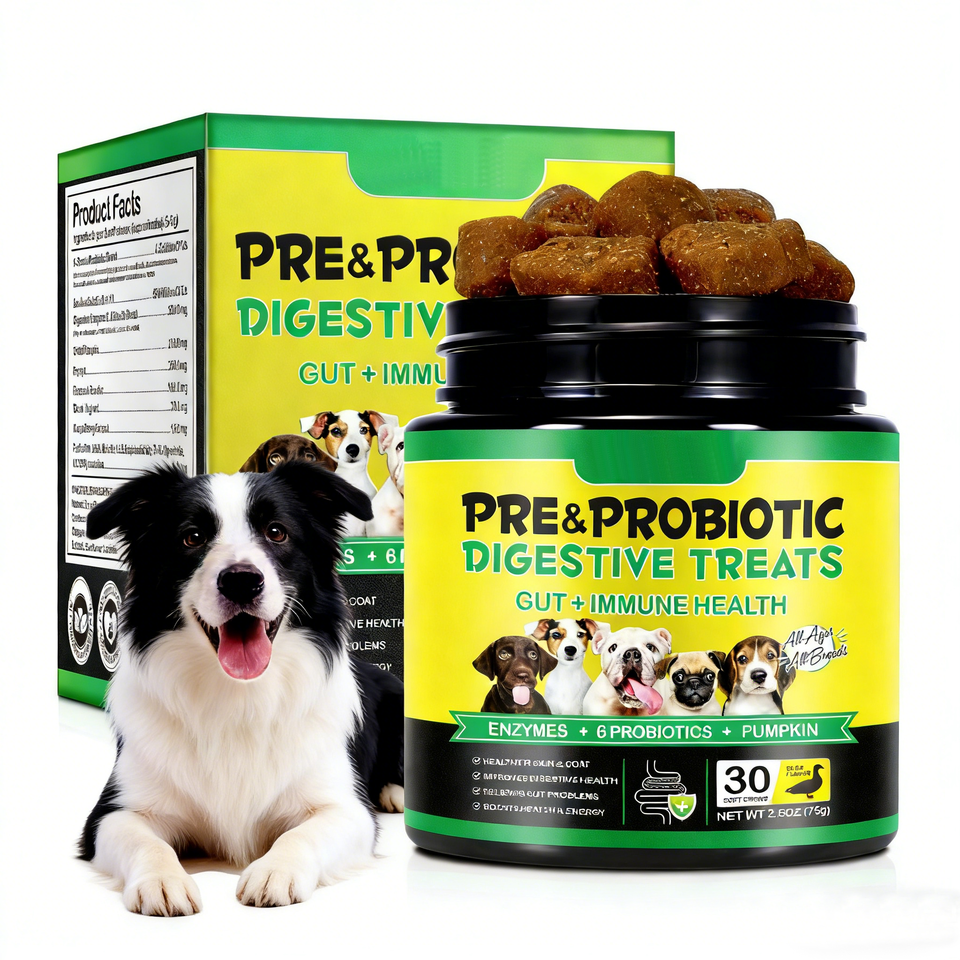


For more expert pet care tips and advice, check out our dedicated Dog Health guides to keep your companions healthy and happy.


