

Introduction
Maintaining a dog’s mobility and comfort is a primary concern for devoted pet owners. As dogs age, or in specific breeds, joint health can become a significant challenge, often leading to discomfort and reduced activity. A joint diet for dogs refers to a specialized nutritional approach designed to support the integrity and function of canine joints. This diet emphasizes specific ingredients and nutrient profiles aimed at reducing inflammation, promoting cartilage health, and managing overall body weight to alleviate stress on the skeletal system. Understanding the principles behind a joint diet is crucial for improving a dogs well-being, enhancing their mobility, and ultimately extending their active, happy years, regardless of whether joint issues are a current concern or a future preventative measure.
💡 Pet Care Key Takeaways:
- Core Focus: Practical health, nutrition, and wellness guidelines for Joint Diet For Dogs.
- Target Scope: Pet owners, animal caregivers, and veterinary support staff.
- Best Recommendation: Maintain consistent daily routines and consult an accredited veterinarian before introducing major diet or medical changes.
Common Causes and Key Factors
Several factors contribute to joint issues in dogs, making a specialized joint diet a valuable consideration. Age is a significant factor, as natural wear and tear on cartilage accumulates over time, leading to conditions like osteoarthritis. Large and giant breeds, such as German Shepherds, Labrador Retrievers, and Golden Retrievers, are often genetically predisposed to specific joint disorders like hip and elbow dysplasia. For more related activities, check out our Tibetan Mastiff Food Aggression.
Excess body weight places immense stress on a dog’s joints, exacerbating existing conditions and accelerating the degeneration of cartilage. This mechanical overload can significantly worsen discomfort and reduce mobility. Furthermore, a history of injury, such as sprains, fractures, or ligament tears, can predispose a dog to long-term joint problems. High-impact activities or intense physical exertion without adequate recovery can also contribute to joint strain. Finally, a dog’s early nutrition, particularly during periods of rapid growth, can play a role, as can deficiencies in specific nutrients throughout their life. Genetic inheritance also dictates susceptibility, with certain lines being more prone to developing joint conditions.
Signs and Symptoms to Observe
Recognizing the early signs of joint discomfort is vital for timely intervention through a joint diet and other management strategies. Pet owners should observe for changes in a dog’s mobility, such as stiffness, especially after rest or upon waking. Limping or favoring a particular limb, reluctance to jump onto furniture or climb stairs, and difficulty rising from a lying position are strong indicators of joint pain.
Behavioral shifts can also signal discomfort. A dog experiencing joint issues may become less playful, show decreased enthusiasm for walks, or exhibit irritability when touched in certain areas. Some dogs may vocalize with whines or yelps during movement, while others might excessively lick or chew at affected joints. Physical indicators can include visible swelling around a joint, or muscle atrophy in a limb that is not being used as much. These signs can vary; younger dogs with early-stage issues might show subtle changes in gait or activity levels, whereas older dogs or those with advanced conditions often display more pronounced and consistent symptoms. Consistent observation helps in distinguishing between temporary soreness and persistent joint problems that warrant dietary adjustments.
Practical Solutions and Management Strategies
Implementing a targeted joint diet for dogs is a cornerstone of managing and preventing joint issues. The primary dietary adjustment often involves meticulous weight management. Reducing a dog’s weight to a healthy level significantly lessens the load on their joints. This can be achieved through portion control and selecting lower-calorie, high-fiber dog foods.
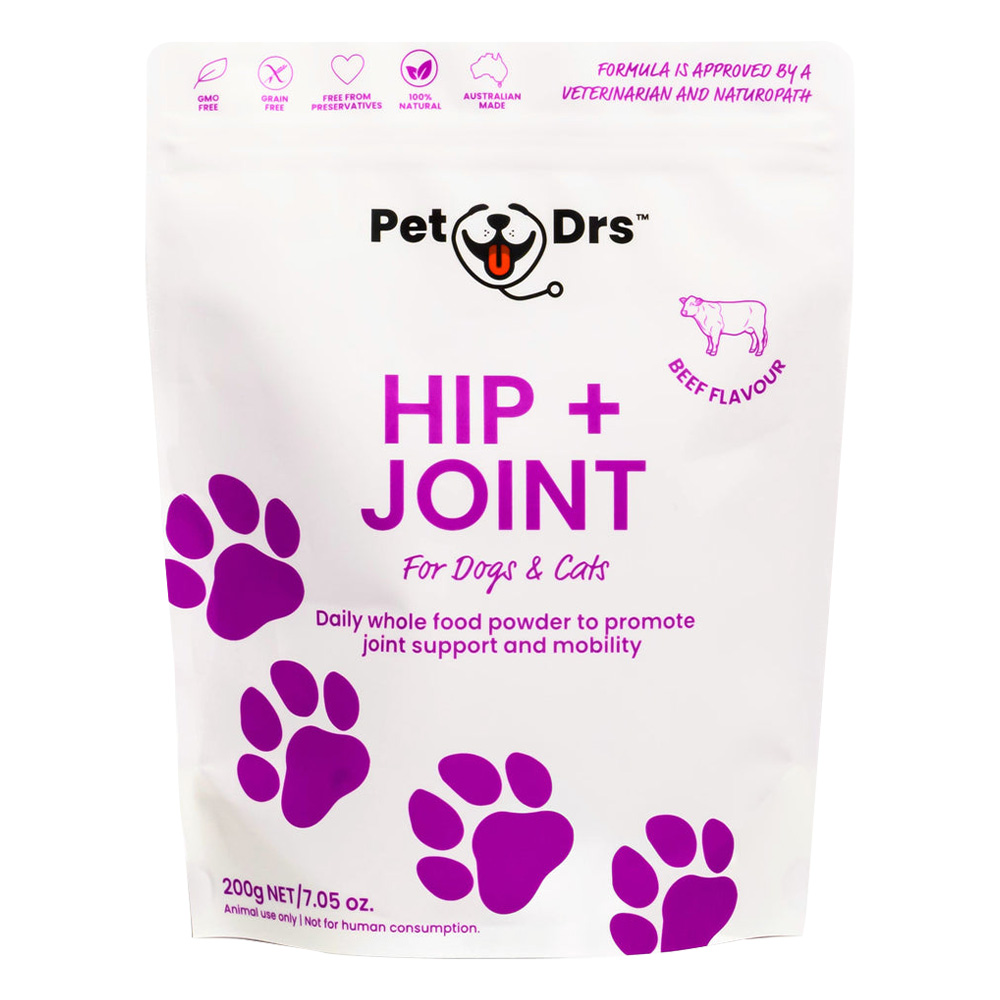
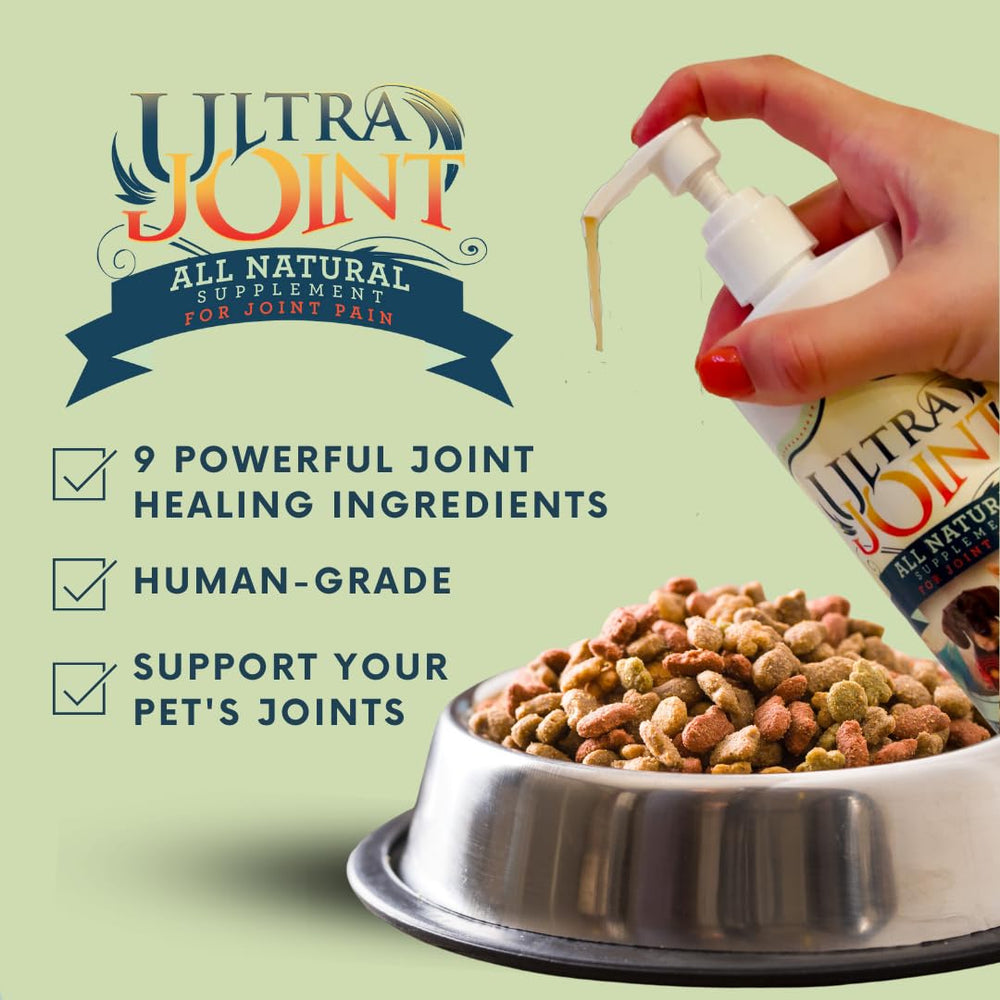
Beyond weight, specific nutrients are crucial for joint health. Omega-3 fatty acids, particularly EPA and DHA found in fish oil, possess potent anti-inflammatory properties that can alleviate joint pain. Glucosamine and chondroitin sulfate are fundamental building blocks for cartilage and are frequently incorporated into joint-specific dog foods or offered as supplements to support cartilage repair and maintenance. Methylsulfonylmethane (MSM) may also be included for its anti-inflammatory and pain-relieving effects. Antioxidants like Vitamins E and C, along with phytonutrients, help combat oxidative stress that can damage joint tissues. Some specialized diets also include ingredients such as green-lipped mussel, which is a natural source of joint-supportive compounds.
Complementary to dietary changes, modifications in exercise routines are beneficial. Low-impact activities such as swimming or shorter, more frequent leash walks are preferable to high-impact activities like intense running or jumping. Environmental adaptations, including orthopedic dog beds for better support, non-slip mats on slick floors, and ramps to aid access to elevated areas, can further improve a dog’s comfort and mobility.
When Professional Help May Be Needed
While dietary adjustments and environmental modifications can significantly contribute to a dog’s joint health, there are circumstances where veterinary consultation becomes indispensable. Persistent lameness, signs of severe pain, or a sudden onset of debilitating symptoms warrant immediate professional evaluation. These signs could indicate a range of underlying conditions, from acute injury to advanced degenerative joint disease, requiring precise diagnosis.
Professional guidance is also advisable if a dog’s condition does not improve despite consistent application of dietary and lifestyle changes. A veterinarian can provide an accurate diagnosis, recommend appropriate prescription joint diets, and discuss other treatment options such as anti-inflammatory medications, pain management protocols, physical therapy, or even surgical interventions in severe cases. Collaborating with a veterinarian ensures a comprehensive approach to managing a dog’s joint health, optimizing their comfort and quality of life effectively and responsibly.
Conclusion
Understanding and implementing a specialized joint diet for dogs represents a powerful approach to supporting canine mobility and overall well-being. From managing body weight to incorporating crucial joint-supportive nutrients, a thoughtful dietary strategy can significantly mitigate the impact of joint issues, whether as a preventative measure or a component of ongoing care. Consistent observation of a dog’s behavior and mobility, coupled with informed dietary choices and appropriate environmental adjustments, empowers pet owners to proactively address potential challenges. Partnering with veterinary professionals ensures that any persistent or severe symptoms are properly diagnosed and managed, providing the best possible outcomes. By prioritizing a dogs joint health through diet and dedicated care, pet owners can help their beloved companions enjoy a more comfortable, active, and fulfilling life.
Pet Care & Wellness Overview Table
| Life Stage | Daily Activity Level | Key Nutrition / Care Focus |
|---|---|---|
| Puppy / Kitten | High (frequent short bursts) | High-protein growth diet & early socialization |
| Adult Companion | Moderate (30–60 mins daily) | Balanced maintenance nutrition & dental hygiene |
| Senior Pets | Low to Gentle (mindful walks) | Joint support (Glucosamine) & routine vet checks |
Images References





For more expert pet care tips and advice, check out our dedicated Dog Nutrition guides to keep your companions healthy and happy.




