
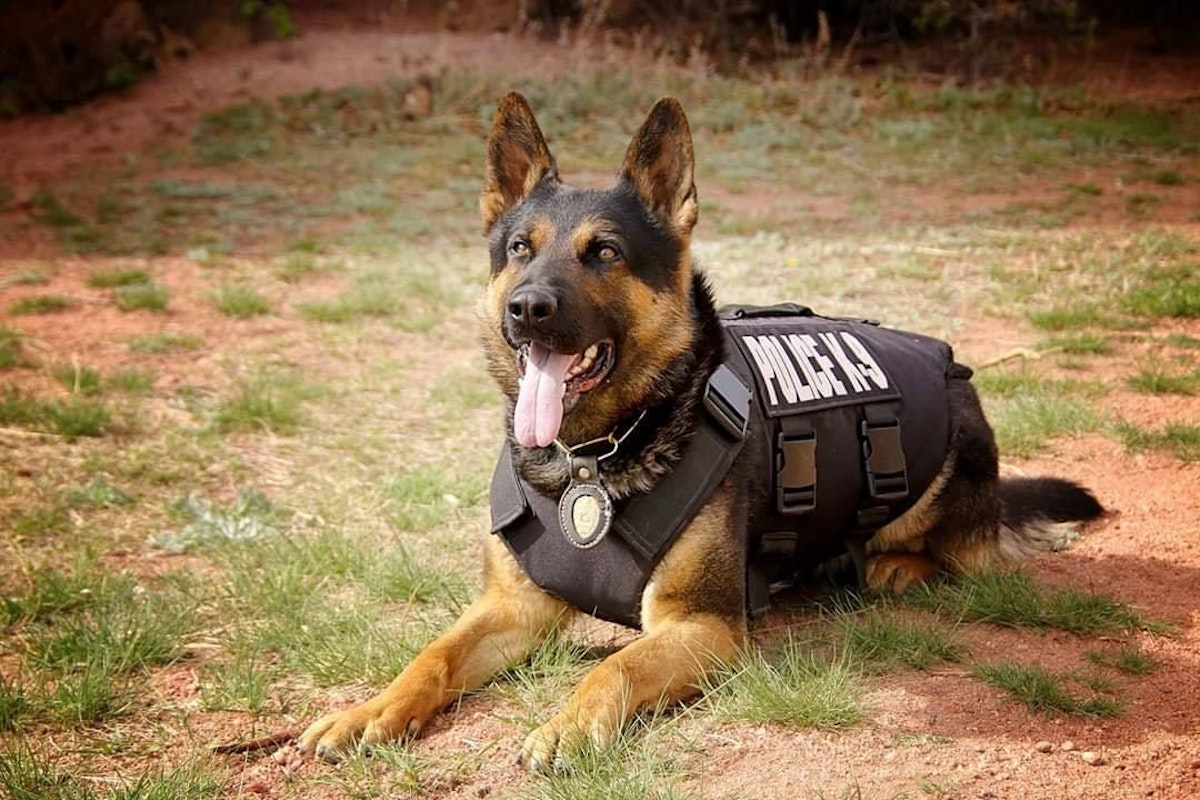
Understanding the K9 Dog
The term “K9 dog” often conjures images of highly trained animals performing vital tasks in law enforcement, military operations, or search and rescue missions. Derived phonetically from “canine,” the descriptor “K9” signifies a dog that possesses specific traits and undergoes rigorous training for specialized work. While many dogs are beloved companions, K9 dogs represent the pinnacle of canine potential, demonstrating remarkable intelligence, discipline, and loyalty. For dog owners and pet enthusiasts, understanding the world of K9 dogs provides invaluable insights into canine behavior, the power of training, and the deep bond that can form between a dog and its handler. This knowledge can enhance appreciation for all dogs and offer inspiration for improving the well-being, behavior, and overall quality of life of a pet dog.
💡 Pet Care Key Takeaways:
- Core Focus: Practical health, nutrition, and wellness guidelines for K 9 Dog.
- Target Scope: Pet owners, animal caregivers, and veterinary support staff.
- Best Recommendation: Maintain consistent daily routines and consult an accredited veterinarian before introducing major diet or medical changes.
Breeding, Traits, and the Foundation of a K9 Dog
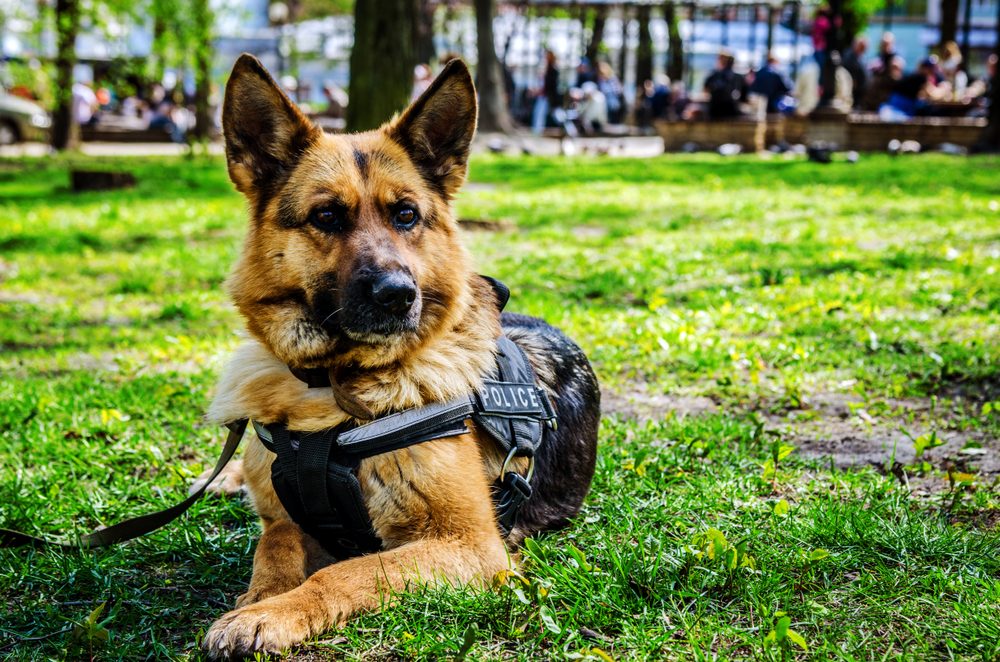
The journey of a K9 dog begins with careful selection, often focusing on specific breeds renowned for their intelligence, drive, and physical prowess. German Shepherds, Belgian Malinois, Labrador Retrievers, and Dutch Shepherds are frequently chosen for their innate qualities suited for demanding roles. These breeds typically exhibit a strong work ethic, high prey drive, excellent scenting abilities, and a resilient temperament. For more related activities, check out our Puppy Bites Skin Not Toys Overstimulated Veterinary Behaviorist Management.
Key factors in developing a K9 dog include genetics, early socialization, and foundational training. Puppies selected for K9 programs often come from lines with proven working dog heritage, ensuring a strong genetic predisposition for the required traits. Early exposure to various environments, sounds, and people, coupled with positive reinforcement, helps build confidence and adaptability. Basic obedience training establishes a solid communication foundation, teaching crucial commands and fostering a dog’s willingness to learn and cooperate. Without these early interventions, even a genetically superior dog may struggle to reach its full potential in a K9 role.
Characteristics and Abilities of K9 Dogs to Observe
K9 dogs display a range of observable characteristics and abilities that distinguish them from typical companion animals. Their heightened senses, particularly smell, are a primary tool, enabling them to detect substances or track individuals over vast distances. A K9 dog’s focus and drive are exceptional; they can maintain concentration on a task for extended periods, despite distractions.
Physical conditioning is paramount for K9 dogs, allowing them to perform strenuous activities for long durations. Agility, endurance, and strength are evident in their movements. Behaviorally, K9 dogs exhibit remarkable emotional stability and courage, remaining calm and executing commands even in high-stress or dangerous situations. They possess an unwavering loyalty to their handlers, a bond built on trust and mutual respect, which is crucial for effective teamwork. These traits, while developed for specialized work, highlight the incredible potential within the canine species that can be nurtured in any dog through appropriate care and training.
Applying K9 Principles for Pet Dog Management
While most dogs will not undertake K9 duties, many of the principles applied in K9 training and care can significantly benefit pet dogs. Establishing a consistent routine provides dogs with a sense of security and predictability, reducing anxiety and improving behavior. Engaging in structured training sessions using positive reinforcement methods helps build a strong bond and clear communication. Commands should be consistent, and rewards should be timely and meaningful.
Mental stimulation is as vital as physical exercise. Puzzle toys, scent work games (like hiding treats), and learning new tricks can challenge a dog’s mind and prevent boredom, which often leads to destructive behaviors. Tailoring physical activity to a dog’s breed, age, and energy level ensures proper muscle development and overall health. A high-quality, balanced diet also supports optimal physical and mental function. Continuing socialization throughout a dog’s life, exposing it to various sights, sounds, and friendly interactions, helps maintain a well-adjusted temperament. These strategies, inspired by the rigorous care given to K9 dogs, promote a well-behaved, happy, and healthy pet.
Recognizing When Professional Guidance is Essential
For pet owners, understanding when to seek professional help is an important aspect of responsible dog ownership. While applying K9-inspired training principles can greatly improve a dog’s behavior, some challenges require expert intervention. Persistent behavioral issues such as aggression, severe anxiety, separation-related distress, or deep-seated phobias often benefit from the guidance of a certified professional dog trainer or a veterinary behaviorist. These specialists possess the expertise to diagnose underlying causes and develop tailored modification plans that address complex behaviors.
Similarly, any sudden or unexplained changes in a dog’s behavior, appetite, or energy levels warrant a visit to a veterinarian. Medical conditions can sometimes manifest as behavioral problems, and prompt veterinary assessment ensures that any health issues are addressed. Seeking professional help demonstrates a commitment to a dog’s well-being and can prevent minor issues from escalating into more serious problems, ensuring a harmonious life for both the dog and its human companions.
Conclusion
The K9 dog represents an extraordinary example of the canine species’ capabilities, dedication, and the profound partnership possible between humans and dogs. Their contributions to safety, security, and human welfare are immeasurable, showcasing their remarkable intelligence, discipline, and unwavering loyalty. For pet owners, the principles governing the selection, training, and care of K9 dogs offer a powerful framework for enhancing the lives of their own companion animals. By embracing structured training, providing ample mental and physical stimulation, and fostering a deep, trusting bond, pet owners can unlock greater potential in their dogs. Understanding the K9 dog encourages a deeper appreciation for all canines, reinforcing the importance of consistent care, patient training, and responsible ownership to ensure every dog lives a fulfilling and well-adjusted life.
Pet Care & Wellness Overview Table
| Life Stage | Daily Activity Level | Key Nutrition / Care Focus |
|---|---|---|
| Puppy / Kitten | High (frequent short bursts) | High-protein growth diet & early socialization |
| Adult Companion | Moderate (30–60 mins daily) | Balanced maintenance nutrition & dental hygiene |
| Senior Pets | Low to Gentle (mindful walks) | Joint support (Glucosamine) & routine vet checks |
Images References


For more expert pet care tips and advice, check out our dedicated Dog Training guides to keep your companions healthy and happy.




