

Decoding the Canine Mind Through the Lens of K9 Psychology
According to the American Society for Prevention of Cruelty to Animals (ASPCA), behavioral issues are among the leading reasons owners relinquish dogs to shelters, highlighting a critical gap in mutual understanding between humans and their canine companions. Walking into an examination room or training facility reveals a common thread: well-meaning families struggling to interpret why a companion animal suddenly chews furniture, barks incessantly, or cowers without an apparent physical trigger. Bridging this communication gap requires looking past human expectations and stepping into the sensory-driven reality of the canine world. Daily clinical observations show that dogs rarely act out of spite or malice; instead, their actions serve as logical, albeit sometimes inconvenient, responses to internal drives, environmental stressors, and learned consequences.
💡 Pet Care Key Takeaways:
- Core Focus: Practical health, nutrition, and wellness guidelines for K9 Psychology.
- Target Scope: Pet owners, animal caregivers, and veterinary support staff.
- Best Recommendation: Maintain consistent daily routines and consult an accredited veterinarian before introducing major diet or medical changes.
K9 psychology explores the mental processes, emotions, and behavioral motivations that govern how domestic dogs perceive and interact with their environment.
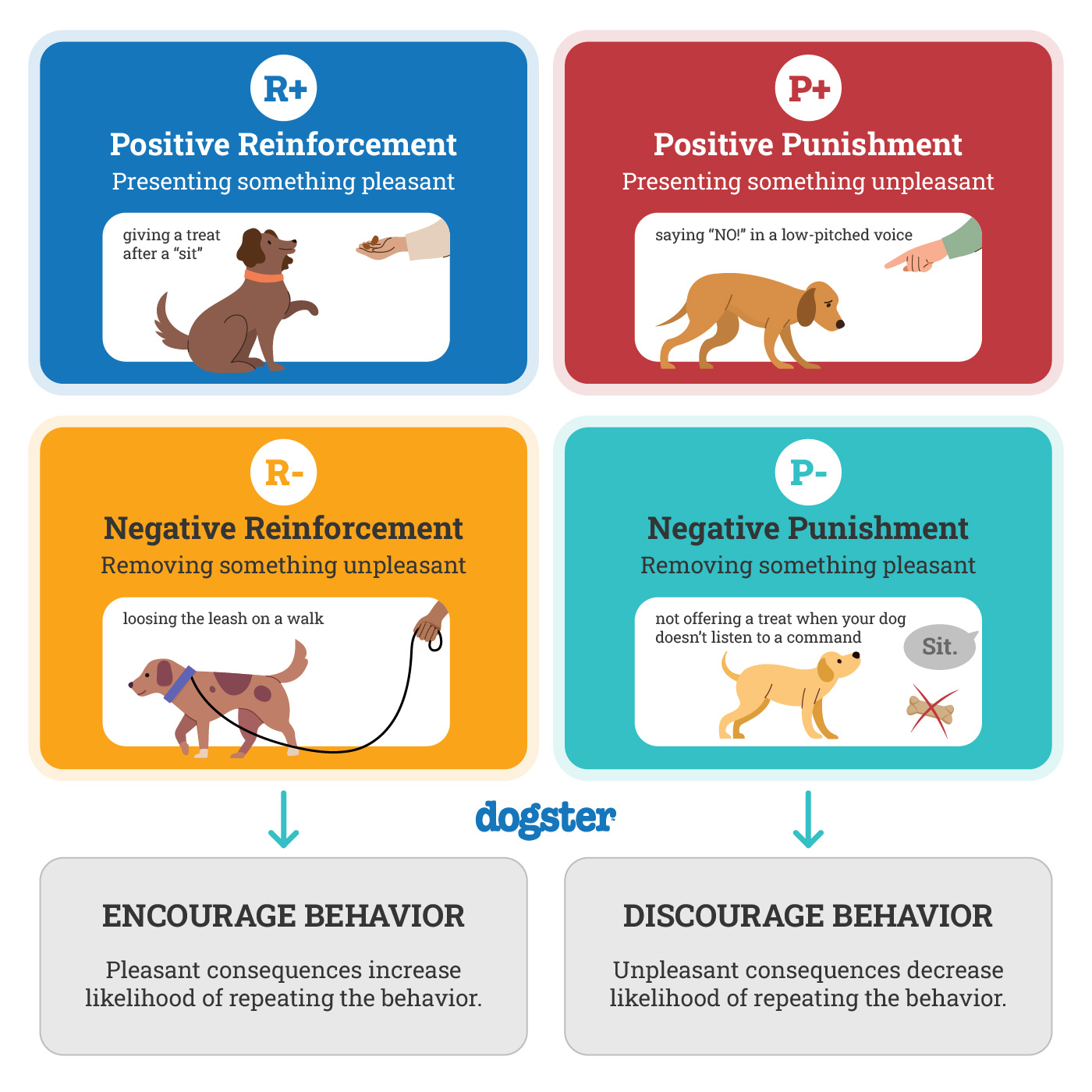
At its core, this field of study examines classical conditioning, operant conditioning, and evolutionary biology to explain why dogs behave the exact way they do. Operant conditioning, for instance, dictates that behaviors resulting in favorable outcomes tend to repeat, while those yielding unpleasant results fade away. Beyond simple learning theory, modern behaviorists emphasize emotional states like frustration, joy, fear, and curiosity, which heavily dictate physiological and behavioral outputs. A dog sitting quietly at a door is not merely waiting for a walk; that canine is managing impulse control, anticipating environmental changes, and drawing upon past lessons regarding door-opening rituals. Recognizing these underlying cognitive mechanics transforms frustrating household habits into understandable puzzles waiting to be solved.
Understanding emotional and cognitive drivers is essential for preventing the chronic stress that frequently leads to destructive behavior and fractured human-animal bonds.
When domestic dogs experience prolonged anxiety or unmet psychological needs, the resulting cortisol spikes can manifest as stereotypic behaviors, compulsive licking, or generalized reactivity. In professional training environments, dogs that pull frantically on leashes or lunge at passing stimuli are frequently mislabeled as stubborn or dominant, when they are actually operating near maximum psychological arousal capacity. Addressing these concerns safely requires positive reinforcement and desensitization, avoiding outdated dominance-based theories that only elevate fear levels. When caretakers prioritize mental enrichment alongside physical exercise, stress hormones drop significantly, paving the way for calm, balanced household dynamics.
Behavioral modifications that rely on positive reinforcement are scientifically proven to be more effective and ethically sound than punishment-based corrections in resolving canine fear and anxiety. — American Veterinary Medical Association (AVMA)
Implementing structured routines and clear communication channels provides the predictability necessary to nurture a mentally resilient companion animal.
Managing canine mental health effectively starts with establishing predictable daily rhythms that respect the dog’s natural instincts to forage, explore, and rest. Providing outlets for species-specific behaviors—such as sniffing during walks or using puzzle feeders for meals—fulfills psychological needs that basic obedience training alone cannot satisfy. Furthermore, consistency in human responses ensures that the animal clearly understands which choices yield rewards and which lead nowhere. Observing a dog finally rest peacefully after a satisfying sniffing session illustrates the profound relief a regulated routine brings to an active canine brain.
Avoiding common behavioral misinterpretations protects the emotional well-being of the animal and prevents inadvertent reinforcement of undesirable habits.
One frequent pitfall involves comforting a fearful dog with high-pitched reassurance, which can inadvertently validate the animal’s panic by treating the frightening stimulus as a genuine threat. Another error is assuming that a relaxed posture always means acceptance; a dog with a stiffened tail or wide eyes displaying the whites of their eyes is communicating intense discomfort. Guidance from resources dedicated to Dog Training can help owners decode these subtle physiological flags before escalation occurs. Maintaining a neutral, confident demeanor during stressful events teaches the animal that the human caretaker acts as a reliable anchor in unpredictable situations.
Providing daily mental enrichment through problem-solving toys and scent games significantly reduces destructive chewing and separation anxiety in domestic dogs. — American Kennel Club (AKC)
Pet Care & Wellness Overview Table
| Life Stage | Daily Activity Level | Key Nutrition / Care Focus |
|---|---|---|
| Puppy / Kitten | High (frequent short bursts) | High-protein growth diet & early socialization |
| Adult Companion | Moderate (30–60 mins daily) | Balanced maintenance nutrition & dental hygiene |
| Senior Pets | Low to Gentle (mindful walks) | Joint support (Glucosamine) & routine vet checks |
Images References




Breed history, genetic predisposition, and individual temperament heavily influence how a specific dog processes sensory input and responds to environmental triggers.
Herding breeds, working dogs, and companion hounds were selectively bred for centuries to perform specialized tasks, meaning their psychological blueprints remain primed for specific actions. A Border Collie naturally attempts to control movement because generations of selective breeding etched that drive into the neural architecture, requiring owners to redirect that focus constructively. Similarly, guardian breeds may exhibit heightened wariness toward unfamiliar visitors, a trait rooted deeply in protective instincts rather than unwarranted aggression. Exploring resources focused on Dog Breeds helps caretakers align their expectations with the genetic realities of their specific companion animal.
Consulting a certified professional or veterinary behaviorist becomes necessary when fear, aggression, or anxiety compromises the safety and quality of life for the household.
Severe behavior problems such as sudden-onset aggression, debilitating phobias of everyday noises, or intense separation-related distress require expert intervention beyond basic obedience classes. According to guidelines from the American Veterinary Medical Association, a thorough medical workup is always the first step to rule out underlying pain or neurological conditions contributing to behavioral shifts. Certified applied animal behaviorists or veterinary behaviorists possess the specialized knowledge required to construct safe, graduated modification plans that address the root emotional cause of the distress. Prioritizing professional guidance ensures that both the animal’s physical health and psychological safety remain fully protected.
Deepening your understanding of canine cognition opens the door to a more harmonious, empathetic relationship built on mutual trust rather than coercion. Every mindful walk, positive training session, and appropriately met behavioral need contributes to a stable, confident animal companion ready to navigate the human world with ease. Explore further expert guides across Dog Behavior, Dog Care, and Dog Health to continue enhancing your companion animal’s life. Visit PetsAnimalsWorld.com today for more valuable insights into fostering a thriving home environment.




