
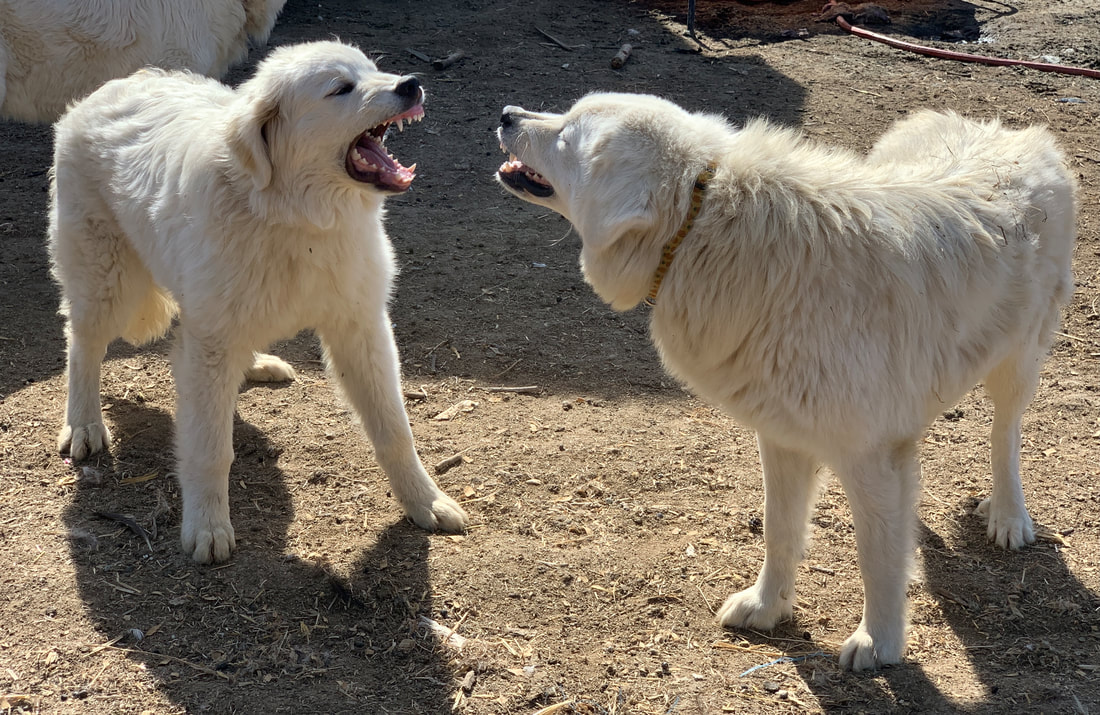
Understanding the nuances behind the reputation of the Maremma Sheepdog is essential for any household considering this striking guardian breed.
According to the American Kennel Club, guardian breeds possess deep-rooted protective instincts shaped by centuries of independent flock management. When newcomers encounter these magnificent white dogs, misunderstandings often arise regarding their natural behavioral repertoire. Walking into a consultation room or evaluating a guardian breed in a field setting reveals a distinct psychological profile that differs significantly from standard companion dogs. Canine behaviorists frequently observe that protective displays are not born out of unprovoked malice, but rather from a profound, selective breeding history designed to deter predators. Examining this heritage helps dispel common myths and illuminates the true nature of a livestock guardian dog.
💡 Pet Care Key Takeaways:
- Core Focus: Practical health, nutrition, and wellness guidelines for Maremma Aggressive.
- Target Scope: Pet owners, animal caregivers, and veterinary support staff.
- Best Recommendation: Maintain consistent daily routines and consult an accredited veterinarian before introducing major diet or medical changes.
Maremma aggressive tendencies are primarily a manifestation of their hardwired territorial guardianship and independent decision-making capabilities.
Defining what people label as aggressive behavior in this context requires looking through the lens of evolutionary biology. As a livestock guardian dog (LGD)—a canine specifically bred to protect herds from predators without human intervention—the Maremma possesses an autonomous operational style. Unlike herding breeds that gather or retrieve, or sporting dogs that hunt alongside humans, guardians assess threats independently. Consequently, perceived hostility is often a calculated warning display intended to establish boundaries. When a stranger approaches a Maremma’s designated territory, the dog evaluates the situation through an ancestral filter, prioritizing asset protection over social pleasantries.
Navigating the complexities of guard dog temperament requires a proactive approach to prevent defensive reactions from escalating into dangerous liability. Because these dogs mature slowly—often retaining puppy-like physical traits while possessing adult guarding instincts—caregivers must introduce novel stimuli during formative months. Furthermore, failing to establish clear boundary management can result in a dog that views every delivery driver or neighborhood jogger as an active intrusion. Establishing structured routines and controlled exposures ensures the animal learns appropriate discernment. For deeper guidance on proper socialization techniques, reviewing established Dog Training principles can provide valuable framework strategies.
Proper early socialization and environmental habituation significantly reduce unwarranted defensive reactivity in livestock guardian breeds. — American Kennel Club
Managing potential reactivity involves honoring the breed’s natural instincts while implementing positive, non-punitive behavioral modifications.
Addressing intense guarding behaviors requires patience, consistency, and a profound respect for canine communication signals. Punitive or dominance-based techniques frequently backfire, escalating fear and confirming the dog’s suspicion that an unfamiliar stimulus is indeed dangerous. Instead, professional behaviorists recommend desensitization protocols that reward calm observation and redirect focus before arousal peaks. Furthermore, ensuring physical needs are met through adequate space helps mitigate pent-up frustration. Exploring comprehensive resources within Dog Behavior guides owners toward evidence-based management tools.
Avoiding common handling mistakes ensures a harmonious relationship built on mutual trust rather than confrontation.
One frequent misstep involves forcing a protective dog into close proximity with unfamiliar people or animals before the dog has established a comfort baseline. Another error is punishing low-level warning signals, such as stiffening or low vocalizations, which can inadvertently teach the animal to bypass warnings and move straight to a defensive reaction. Respecting the animal’s threshold allows for safer, more controlled interactions. In practice, seasoned handlers know that allowing a guardian breed time to assess a situation independently yields far better outcomes than forcing immediate compliance.
Suppressing canine warning signals through punishment often increases bite risk by removing predictable precursors to defensive action. — American Veterinary Medical Association
Pet Care & Wellness Overview Table
| Life Stage | Daily Activity Level | Key Nutrition / Care Focus |
|---|---|---|
| Puppy / Kitten | High (frequent short bursts) | High-protein growth diet & early socialization |
| Adult Companion | Moderate (30–60 mins daily) | Balanced maintenance nutrition & dental hygiene |
| Senior Pets | Low to Gentle (mindful walks) | Joint support (Glucosamine) & routine vet checks |
Images References


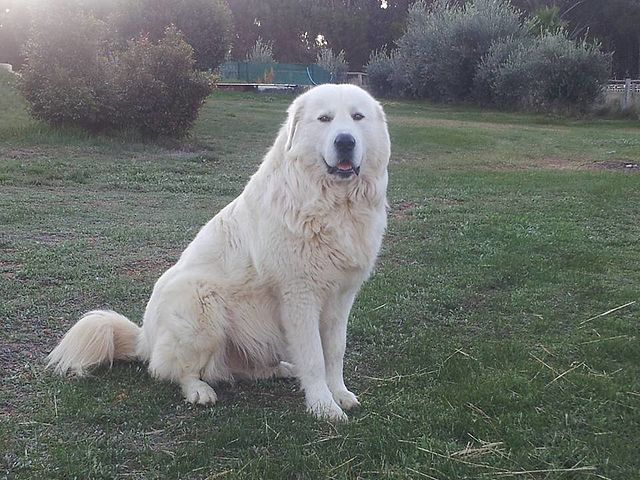


Individual temperament, genetic lineage, and age heavily influence how intensely a specific dog displays defensive behaviors.
Evaluating the predisposition of this breed requires recognizing that no two animals possess identical drives or thresholds. While breed standards outline general characteristics, individual variation remains wide based on lineage and early handling. Adolescent phases can introduce temporary spikes in reactivity as hormone levels shift and adult guarding instincts fully consolidate. Recognizing these developmental milestones helps owners anticipate challenges rather than reacting with alarm. For ongoing physical maintenance and overall wellness tracking, consulting Dog Health resources is strongly advised.
Consulting a qualified veterinary behaviorist is crucial when defensive behaviors escalate beyond standard territorial boundaries.
Seeking professional intervention becomes imperative if a guardian dog exhibits unprovoked reactivity, intense fear responses, or reluctance to allow basic handling. A certified professional can perform a comprehensive functional assessment to rule out underlying medical pain or neurological issues that frequently exacerbate defensive displays. This collaboration ensures safety for both the human family and the animal. To explore daily maintenance and specialized care requirements, browse articles under Dog Care.
Understanding this remarkable guardian breed empowers owners to foster a safe, secure, and respectful environment for everyone involved.
Appreciating the historical purpose of the Maremma transforms how caretakers interpret protective displays, shifting the focus from fear to effective management. By honoring their independent nature through structured socialization and positive reinforcement, households can enjoy the steadfast loyalty these magnificent dogs offer. Discover more expert advice, breed insights, and wellness tips across PetsAnimalsWorld.com to ensure a thriving life for canine companions.




