

Introduction
K9 sport encompasses a diverse range of activities and competitive events designed to engage dogs both physically and mentally. Far from being mere pastimes, these sports offer profound benefits for a dogs overall well-being, strengthening the bond with human companions and providing an outlet for natural instincts. Understanding the world of K9 sport allows owners to unlock their dog’s full potential, addressing behavioral needs, enhancing physical fitness, and enriching their quality of life through purposeful interaction and achievement.
💡 Pet Care Key Takeaways:
- Core Focus: Practical health, nutrition, and wellness guidelines for K9 Sport.
- Target Scope: Pet owners, animal caregivers, and veterinary support staff.
- Best Recommendation: Maintain consistent daily routines and consult an accredited veterinarian before introducing major diet or medical changes.
Common Causes and Key Factors
The appeal of K9 sport stems from a combination of canine instinct and owner motivation. Many dog breeds were historically developed for specific working roles, such as herding, hunting, or guarding. K9 sports provide a constructive outlet for these inherent drives, preventing boredom and potential behavioral issues that can arise from a lack of mental and physical stimulation. For more related activities, check out our What Trick Can Only A Border Collie Learn.
Key factors influencing participation include a dog’s breed and temperament. Herding breeds often excel in activities like agility or sheepdog trials, while scent hounds thrive in scent work or tracking. Terriers, with their prey drive, might enjoy barn hunt or flyball. Beyond breed, individual temperament plays a crucial role; some dogs are naturally more confident and driven, making them ideal candidates for competitive sports, while others might prefer less intense, recreational engagement. Owner commitment to consistent training, understanding canine learning principles, and fostering a positive working relationship are also fundamental to success in any K9 sport.
Key Aspects to Observe for Success and Well-being in K9 Sports
When engaging in K9 sport, careful observation of a dog’s physical and emotional state is paramount. A dog demonstrating enjoyment typically exhibits enthusiastic body language, such as a wagging tail, bright eyes, and eager participation. Conversely, signs of stress or discomfort include excessive panting, lip-licking, yawning, avoiding eye contact, or a reluctance to engage.
Physical well-being is equally critical. Regular assessment of a dogs gait, energy levels, and responsiveness during and after activity can indicate suitability or potential issues. Limping, stiffness, reduced speed, or a decrease in stamina are all indicators that require attention. Such signs can vary with a dogs age, as older dogs may naturally require more warm-up and cool-down time, and certain breeds might be predisposed to particular joint or respiratory concerns that impact their athletic capacity. Observing these subtle cues allows for timely adjustments in training intensity or seeking veterinary advice.
Practical Solutions and Management Strategies
Successful engagement in K9 sport requires a holistic approach encompassing appropriate training, nutrition, conditioning, and mental stimulation. For training, positive reinforcement methods are most effective, building a dog’s confidence and willingness to learn. Break down complex behaviors into smaller, achievable steps, and keep training sessions short, fun, and frequent to maintain engagement.
Nutritional management plays a vital role in supporting athletic performance and recovery. Dogs participating in K9 sports often require a diet higher in protein and healthy fats to fuel their activity and aid muscle repair. Consultation with a veterinarian can help determine the optimal caloric intake and nutrient balance for an individual dog’s energy expenditure.
Physical conditioning, including warm-up and cool-down routines, is essential to prevent injuries. Incorporate exercises that build strength, endurance, and flexibility. Environmental adjustments, such as using appropriate footing to prevent slips or providing shade during outdoor activities, also contribute to a dogs safety and comfort. Regular rest days are crucial to allow for muscle recovery and prevent burnout.
When Professional Help May Be Needed
While many aspects of K9 sport can be managed by dedicated owners, certain situations warrant professional intervention. If a dog exhibits persistent lameness, pain during or after exercise, or sudden changes in physical capability, immediate veterinary consultation is imperative. These symptoms could indicate underlying injuries or health conditions that require medical diagnosis and treatment.
Furthermore, if behavioral issues arise during sport training, such as aggression towards other dogs, extreme anxiety, or a complete refusal to participate despite consistent effort, seeking guidance from a certified professional dog trainer or a veterinary behaviorist can be beneficial. These experts can assess the root cause of the behavior, whether it is fear, lack of confidence, or a communication breakdown, and provide tailored strategies to address it, ensuring a positive and safe experience for all involved in K9 sport.
Conclusion
K9 sport offers a rewarding avenue for enhancing a dog’s physical health, mental acuity, and behavioral well-being. By understanding the motivations, observing subtle cues, and applying structured training and care strategies, owners can foster a truly enriching experience for their canine companions. Consistent observation, responsible management, and a readiness to seek professional guidance when necessary are key to maximizing the benefits of K9 sport, ensuring dogs lead active, happy, and fulfilling lives alongside their devoted human partners.
Pet Care & Wellness Overview Table
| Life Stage | Daily Activity Level | Key Nutrition / Care Focus |
|---|---|---|
| Puppy / Kitten | High (frequent short bursts) | High-protein growth diet & early socialization |
| Adult Companion | Moderate (30–60 mins daily) | Balanced maintenance nutrition & dental hygiene |
| Senior Pets | Low to Gentle (mindful walks) | Joint support (Glucosamine) & routine vet checks |
Images References


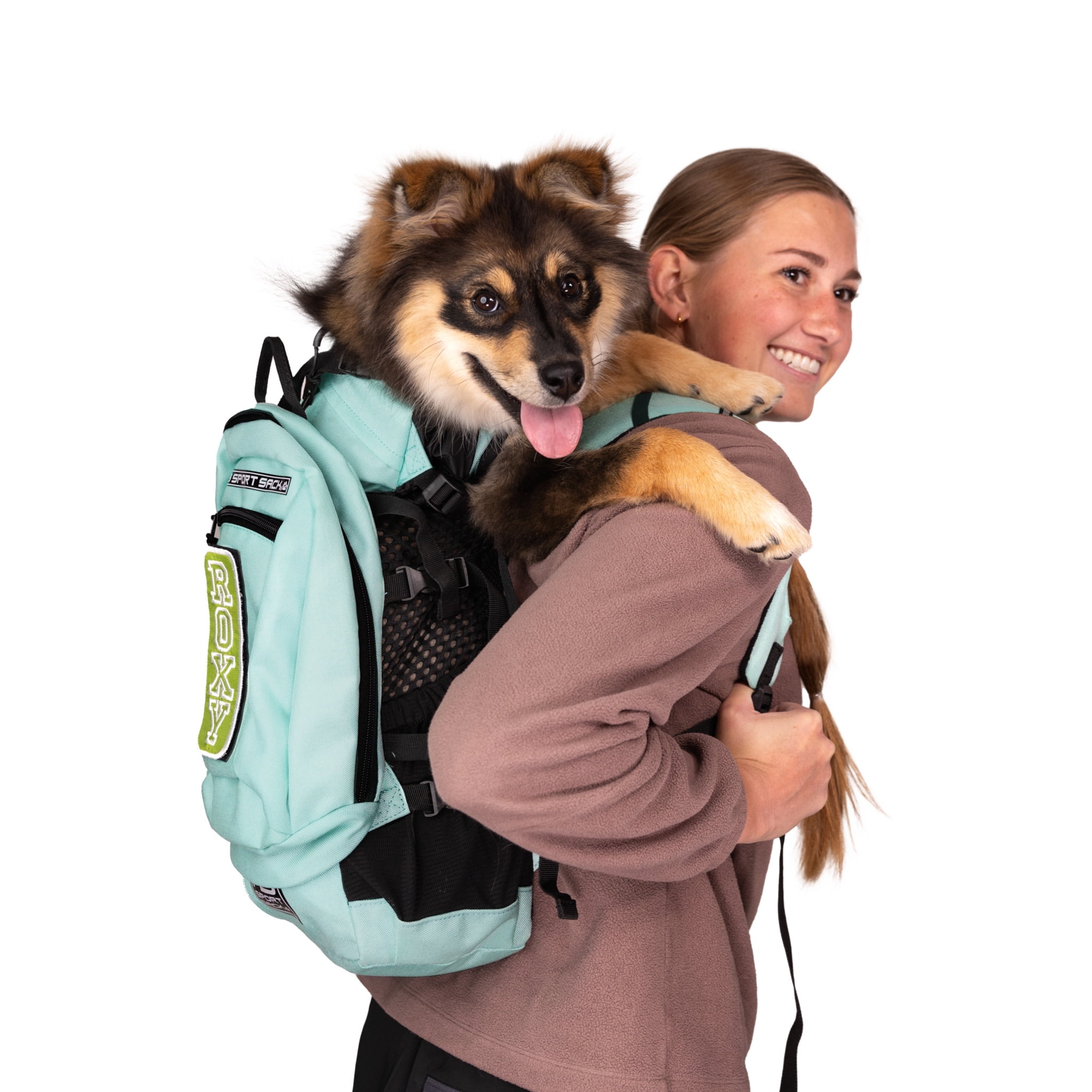


For more expert pet care tips and advice, check out our dedicated Dog Training guides to keep your companions healthy and happy.




