Introduction
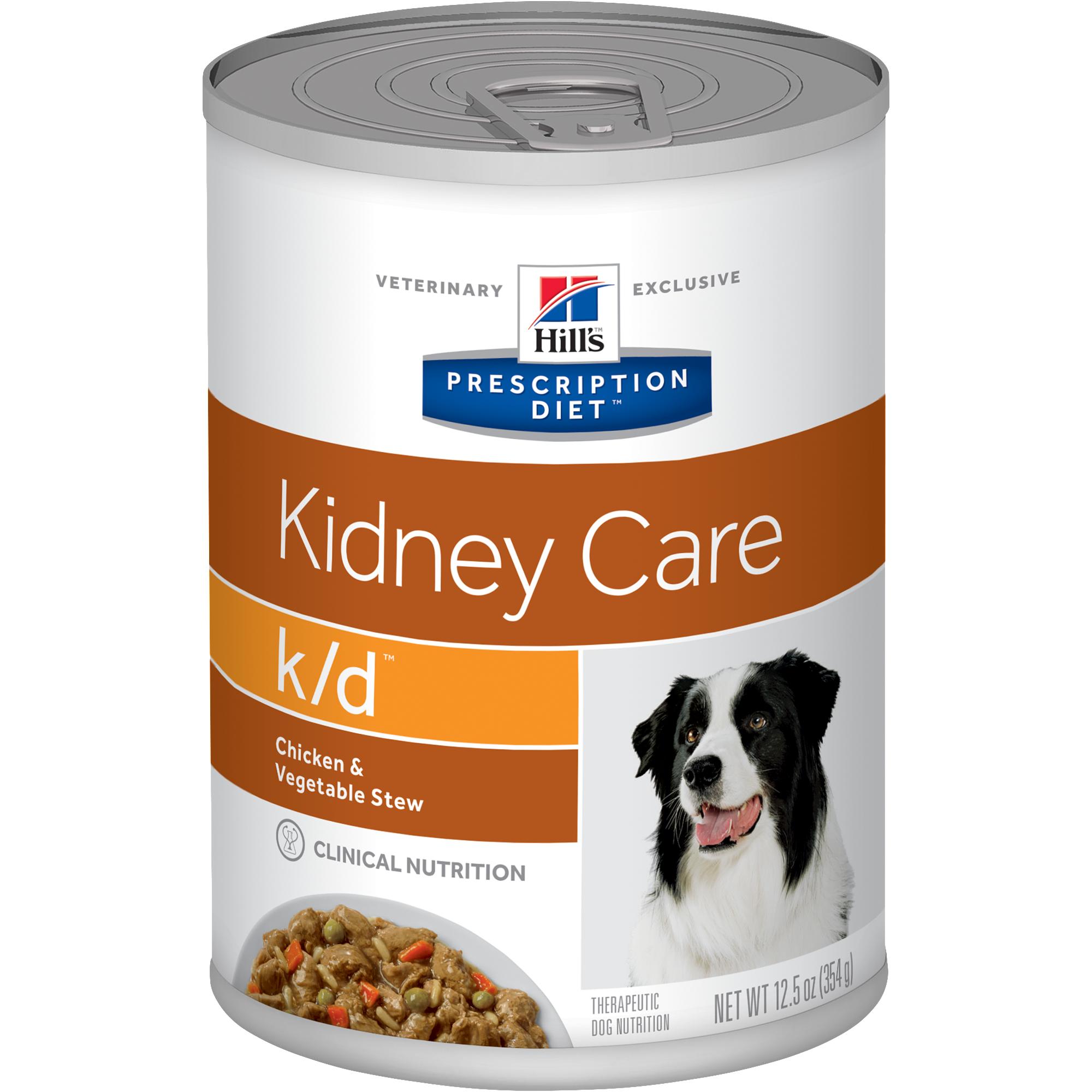
The term “kd diet for dogs” refers to a specialized dietary approach specifically formulated to support canine kidney health. Understanding this particular diet is crucial for dog owners whose companions have been diagnosed with kidney issues. Kidney disease, also known as renal disease, is a progressive condition that can significantly impact a dog’s overall well-being. A carefully managed nutritional plan, such as a KD diet, plays a pivotal role in slowing the progression of the disease, alleviating symptoms, and improving a dogs comfort and quality of life. This dietary intervention becomes necessary when a dogs kidneys are no longer able to efficiently filter waste products from the blood, leading to an accumulation of toxins. Explore more in our Dog Nutrition collection.
💡 Pet Care Key Takeaways:
- Core Focus: Practical health, nutrition, and wellness guidelines for Kd Diet For Dogs.
- Target Scope: Pet owners, animal caregivers, and veterinary support staff.
- Best Recommendation: Maintain consistent daily routines and consult an accredited veterinarian before introducing major diet or medical changes.
Common Causes and Key Factors
Chronic kidney disease (CKD) in dogs can arise from various factors, often developing gradually over months or years. Age is a significant factor, with older dogs being more susceptible to kidney decline as part of the natural aging process. Certain breeds may also have a genetic predisposition to kidney problems, including specific lines of Cocker Spaniels, German Shepherds, and Bull Terriers. Beyond genetics and age, other contributing factors can include past infections, such as leptospirosis, or injuries that have compromised kidney function. For more related activities, check out our Tibetan Mastiff Food Aggression.
Exposure to toxins, including certain medications, antifreeze, or heavy metals, can also cause acute kidney injury that may progress to chronic disease if not promptly treated. Furthermore, other underlying health conditions, such as severe dental disease, high blood pressure (hypertension), or urinary tract obstructions, can put additional strain on the kidneys and contribute to their deterioration. As kidney function diminishes, the organs lose their ability to concentrate urine and remove waste products effectively, necessitating a dietary adjustment like the kd diet for dogs to manage the metabolic burden. Discover more free resources across our collection library.
Signs and Symptoms to Observe
Recognizing the signs of kidney disease is essential for timely intervention and the potential implementation of a kd diet for dogs. Observable symptoms can vary depending on the stage and severity of the disease, as well as the dog’s age and individual constitution. One of the earliest and most common indicators is an increase in thirst (polydipsia) and a corresponding increase in urination (polyuria), as the kidneys struggle to concentrate urine.
Other signs include a noticeable decrease in appetite, leading to weight loss and muscle wasting. Affected dogs may exhibit lethargy, general weakness, and a reduced interest in play or activity. Vomiting and diarrhea can also occur as toxins build up in the bloodstream. In more advanced stages, a dog might develop a poor or dull coat, bad breath with an ammonia-like odor (uremic breath), or even mouth ulcers. Any combination of these symptoms warrants immediate veterinary attention to determine the underlying cause and appropriate management, which may include a prescribed kd diet for dogs.
Practical Solutions and Management Strategies
Implementing a kd diet for dogs is a cornerstone of managing canine kidney disease and should always be done under veterinary guidance. The primary goal of this specialized diet is to reduce the workload on the kidneys while providing adequate nutrition. This is typically achieved through several key nutritional modifications. Protein levels are carefully controlled, meaning the diet contains high-quality protein sources in restricted amounts. This minimizes the production of nitrogenous waste products, which are difficult for compromised kidneys to filter.
Phosphorus restriction is another critical component, as high phosphorus levels can accelerate kidney damage. KD diets are also often supplemented with omega-3 fatty acids, known for their anti-inflammatory properties, which can benefit kidney health. Added B vitamins are common, as these water-soluble vitamins can be lost through increased urination. Sodium content is typically controlled to help manage blood pressure, and increased moisture content in the food can encourage better hydration. Transitioning to a new diet should be gradual to prevent digestive upset, and consistency is vital once the dog has accepted the new food. For dogs that are picky eaters, veterinarians can suggest strategies or specific formulations designed for palatability.
When Professional Help May Be Needed
Veterinary consultation is indispensable from the moment kidney disease is suspected or diagnosed. A veterinarian can accurately assess the extent of kidney damage through blood tests (measuring BUN, creatinine, and phosphorus levels) and urine tests (evaluating urine specific gravity and protein levels). Based on these diagnostics, a professional will determine if a kd diet for dogs is appropriate and will prescribe the specific formulation best suited for the dog’s stage of disease and individual needs.
Ongoing professional monitoring is also crucial to adjust the diet as needed and to manage any co-existing conditions. If a dog refuses to eat the prescribed diet, experiences worsening symptoms, or develops new health concerns, prompt veterinary re-evaluation is necessary. A veterinarian can offer guidance on appropriate treats, supplements, and other supportive therapies that can complement the specialized diet, ensuring the dog receives comprehensive care for its kidney health.
Conclusion
The implementation of a kd diet for dogs represents a critical and often life-extending intervention for canines battling kidney disease. This specialized nutritional approach, characterized by controlled protein and phosphorus, along with beneficial supplements, plays a vital role in reducing the burden on compromised kidneys and mitigating the progression of the illness. Early detection of kidney issues, coupled with prompt veterinary consultation, allows for the timely initiation of a tailored diet. Dog owners who remain vigilant in observing their pets health and consistently adhere to veterinary recommendations for dietary management can significantly improve their dogs comfort, vitality, and overall quality of life. Proactive and informed care underscores a commitment to canine well-being, aligning with the educational mission of petsanimalsworld.com.
Pet Care & Wellness Overview Table
| Life Stage | Daily Activity Level | Key Nutrition / Care Focus |
|---|---|---|
| Puppy / Kitten | High (frequent short bursts) | High-protein growth diet & early socialization |
| Adult Companion | Moderate (30–60 mins daily) | Balanced maintenance nutrition & dental hygiene |
| Senior Pets | Low to Gentle (mindful walks) | Joint support (Glucosamine) & routine vet checks |
Images References