

Introduction
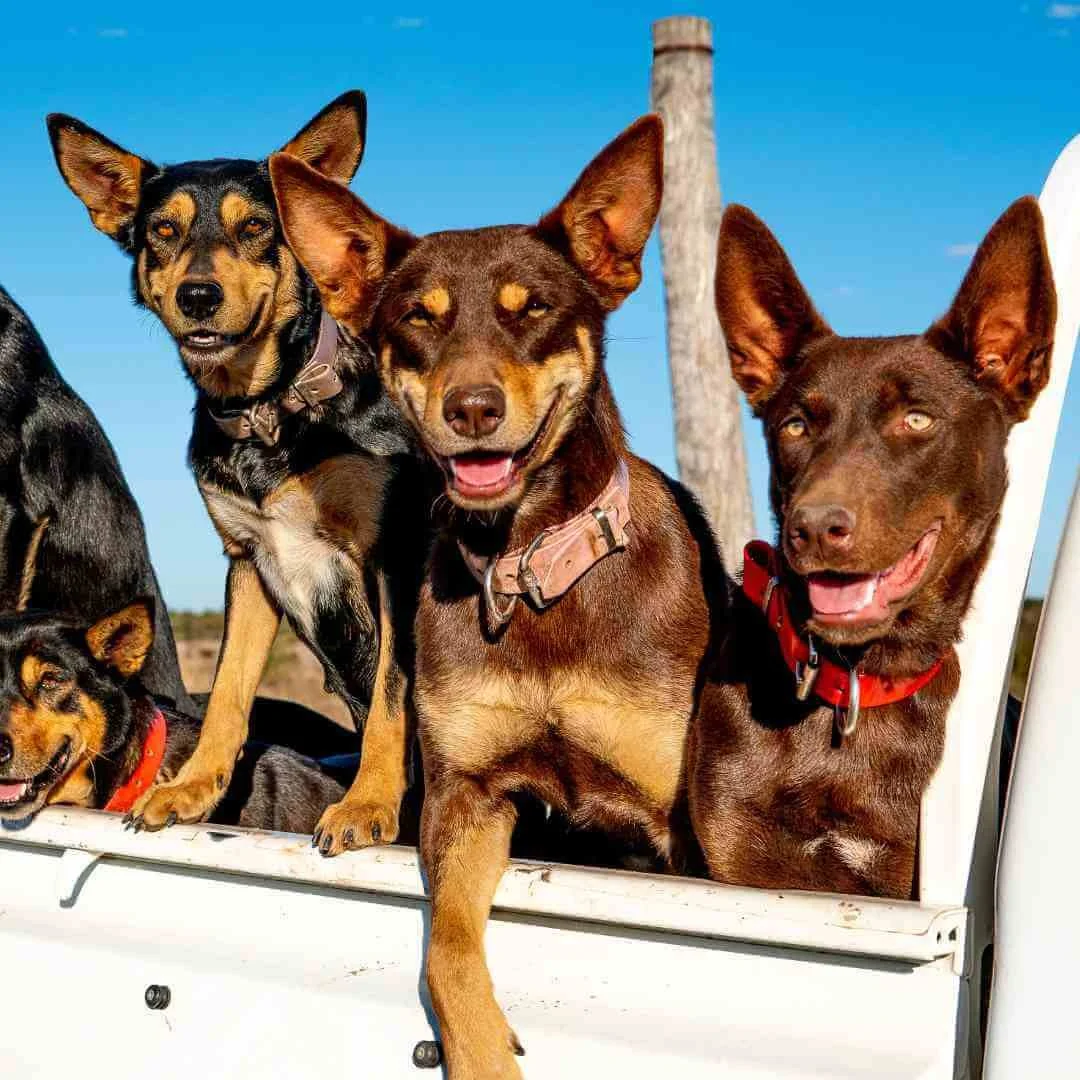
The Australian Kelpie, a breed renowned for its intelligence, boundless energy, and innate herding instincts, presents a unique and rewarding challenge for dog owners. Effective “kelpie training” refers to the specialized approach and consistent effort required to guide these highly capable dogs into becoming well-adjusted, obedient, and contented companions. Understanding the intricacies of Kelpie training is paramount for any owner, as it directly influences a dogs behavior, mental stimulation, and overall quality of life. Without appropriate guidance and activity, the Kelpie’s inherent drives can manifest in undesirable ways, making a well-structured training regimen not just beneficial, but essential for both the dog’s well-being and household harmony.
💡 Pet Care Key Takeaways:
- Core Focus: Practical health, nutrition, and wellness guidelines for Kelpie Training.
- Target Scope: Pet owners, animal caregivers, and veterinary support staff.
- Best Recommendation: Maintain consistent daily routines and consult an accredited veterinarian before introducing major diet or medical changes.
Common Causes and Key Factors
Successful kelpie training hinges on an understanding of the breed’s fundamental characteristics. Several key factors contribute to their unique training requirements. For more related activities, check out our Kikkopupbiting.
First, the Kelpie’s exceptional intelligence means these dogs learn incredibly quickly, both desired behaviors and unwanted habits. Their sharp minds require constant engagement; a lack of mental stimulation can lead to boredom, which often translates into destructive or challenging behaviors.
Second, the breed’s powerful herding drive is a defining trait. Bred to work livestock, Kelpies possess an instinct to gather, chase, and control. If not properly channeled, this drive can result in nipping at heels, “herding” family members or other pets, and excessive chasing of moving objects.
Third, high energy levels are characteristic of the Kelpie. These dogs were developed for long days of work in vast spaces, demanding significant physical exertion. Insufficient exercise can lead to hyperactivity, anxiety, and frustration, making training difficult and potentially causing behavioral problems.
Fourth, some Kelpies exhibit a degree of sensitivity to harsh correction methods. They tend to respond much better to positive reinforcement and gentle, consistent guidance, which builds trust and encourages cooperation rather than fear.
Finally, their inherent independence as working dogs means they can sometimes be strong-willed. This necessitates clear, consistent communication and boundaries from an early age to establish a foundation of mutual respect and understanding.
Signs and Symptoms to Observe
Observing a Kelpie’s behavior provides crucial insights into training needs and potential areas requiring attention. Recognizing these signs early allows for timely intervention and more effective training.
One common indicator is excessive herding behavior towards people or other animals. This might include circling, nudging, or even nipping at heels in an attempt to direct movement. While natural for the breed, it becomes problematic when uncontrolled in a domestic setting.
Destructive chewing, digging, or excessive barking can often signal that a Kelpie is bored, under-exercised, or experiencing anxiety due to a lack of mental and physical outlets. These behaviors are frequently a cry for more engagement and purpose.
A lack of reliable recall is another significant sign, particularly concerning given a Kelpie’s speed and tendency to focus intently on moving objects. A dog that does not reliably return when called can easily become lost or endangered.
Reactivity or fearfulness towards strangers, other dogs, or new environments can also emerge if a Kelpie has not received adequate socialization during its formative months. This might manifest as barking, lunging, or attempting to hide.
Persistent leash pulling is common due to their strong drive and energy. This can make walks unenjoyable and difficult to manage, indicating a need for consistent leash manners training.
Lastly, a Kelpie might display difficulty settling down indoors, constantly pacing, whining, or seeking attention in an agitated manner, suggesting a need for more structured activity and impulse control training.
Practical Solutions and Management Strategies
Effective kelpie training involves a multi-faceted approach, combining consistent guidance, mental stimulation, and ample physical activity.
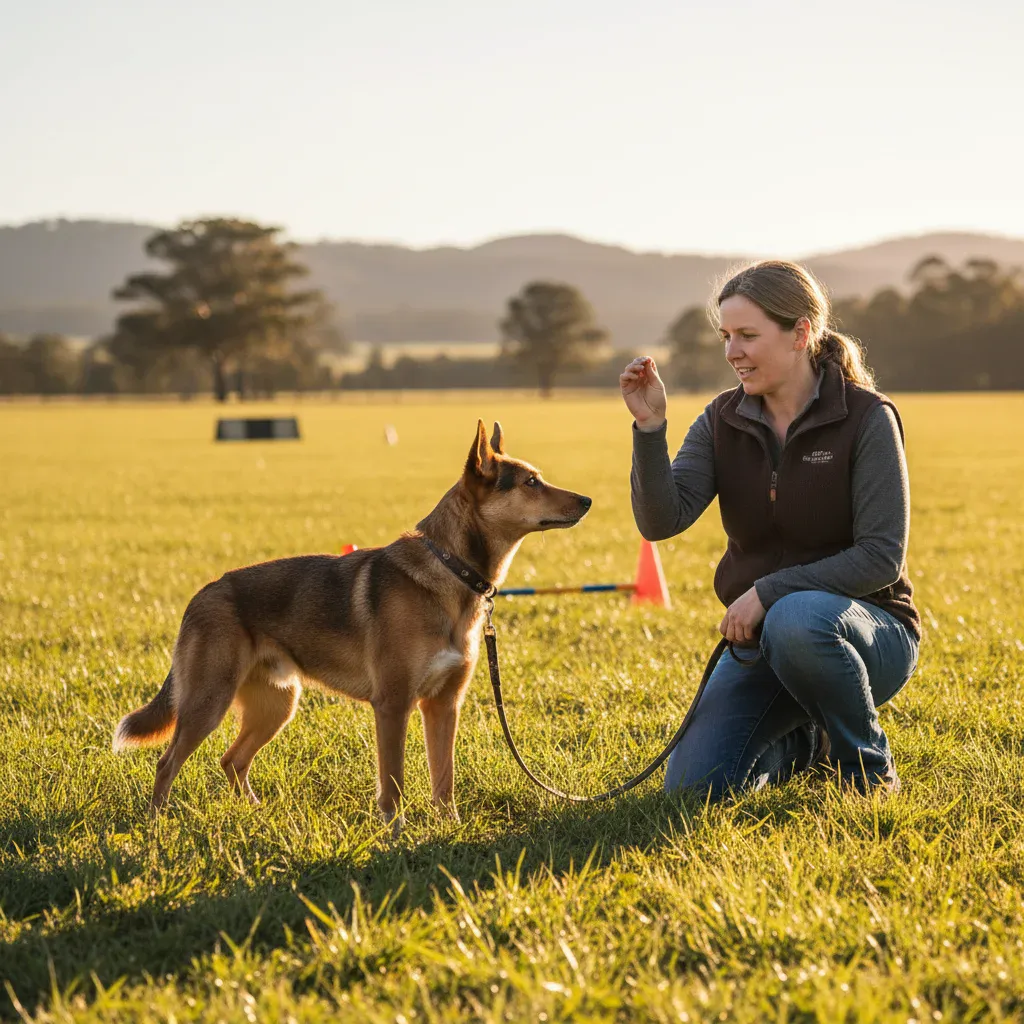
Positive reinforcement should form the cornerstone of all training. Reward-based methods, utilizing treats, praise, and favored toys, are highly effective in motivating Kelpies, who thrive on engagement and a clear understanding of desired behaviors. Harsh corrections are generally counterproductive for this sensitive breed.
Early and continuous socialization is critical. Exposing Kelpie puppies to a wide variety of sights, sounds, people, and well-behaved dogs in positive, controlled environments helps them develop into confident and well-adjusted adults, preventing fear-based reactivity.
Consistent training sessions should be short, frequent, and engaging. Establishing clear commands and expectations from a young age provides structure. Focus on foundational obedience commands such as “sit,” “stay,” “come,” and “leave it.”
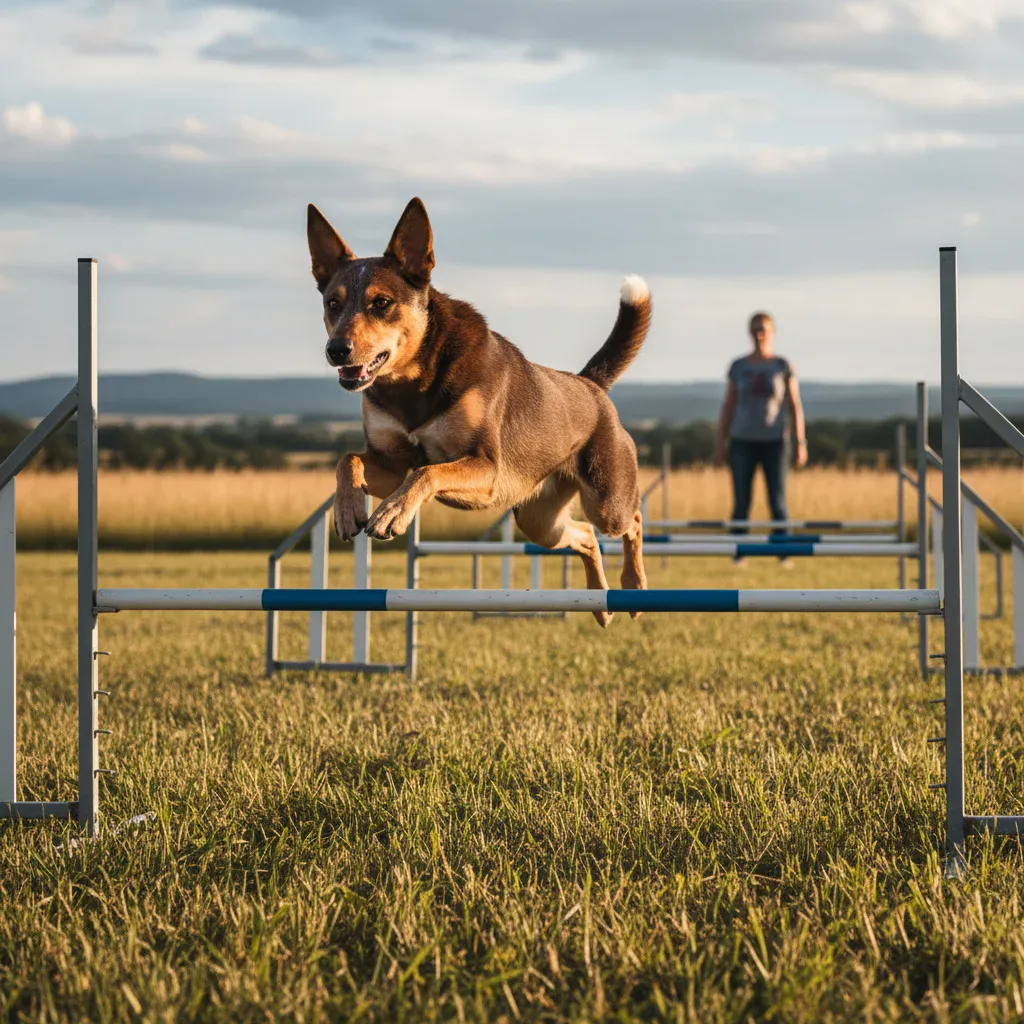
Mental stimulation is as important as physical exercise. Incorporate puzzle toys, scent work, obedience exercises, and trick training into the daily routine. Activities like agility, flyball, or disc dog can also provide an excellent outlet for their intelligence and athleticism.
Ample physical exercise is non-negotiable. Kelpies require at least 60-90 minutes of vigorous activity daily, which could include running, fetching, long hikes, or participation in dog sports. This helps to burn off excess energy and prevent boredom-induced behaviors.
To channel herding instincts constructively, consider enrolling in herding lessons if available. Alternatively, teach games that simulate herding, such as fetching specific toys or participating in structured agility courses. Impulse control exercises, like waiting for permission before eating or going through a door, also help manage their drive.
Crate training can be highly beneficial, providing a safe den for a Kelpie, aiding in house-training, and offering a management tool during times of supervision.
For leash manners, begin early with loose-leash walking practice, using rewards to encourage walking calmly beside the handler. For recall, practice in a secure, low-distraction environment, gradually introducing more challenging situations as reliability improves.
When Professional Help May Be Needed
While many aspects of kelpie training can be managed by dedicated owners, there are specific situations where professional guidance becomes invaluable. Seeking expert help demonstrates responsible pet ownership and can significantly improve outcomes.
One primary reason to consult professionals is the presence of persistent or severe behavioral issues. This includes aggression towards people or other animals, extreme separation anxiety, intractable reactivity, or destructive behaviors that do not respond to consistent home training efforts. These complex issues often require the expertise of a certified professional dog trainer or a veterinary behaviorist.
If owners are implementing training strategies consistently but observe little to no progress, it might indicate that a different approach or a deeper understanding of the dog’s specific needs is required. A professional can assess the situation, identify root causes, and tailor a more effective training plan.
First-time Kelpie owners may also benefit immensely from professional support from the outset. Given the breed’s unique demands, a trainer can help lay a strong foundation, preventing common pitfalls and ensuring a positive start to the relationship.
For specialized training needs, such as preparing a Kelpie for herding trials, advanced obedience competitions, or specific dog sports, a professional trainer with experience in those disciplines can provide targeted instruction and technique refinement.
Finally, any sudden or unexplained changes in a Kelpie’s behavior should always prompt a veterinary consultation. Medical conditions can sometimes manifest as behavioral problems, and ruling out underlying health issues is a crucial first step before implementing behavioral interventions.
Conclusion
Effective “kelpie training” is a journey that celebrates the breed’s exceptional intelligence, boundless energy, and innate working drive. It demands consistency, patience, and a deep understanding of their unique characteristics. By embracing positive reinforcement, providing ample mental and physical stimulation, and ensuring early and ongoing socialization, owners can harness the Kelpie’s potential, channeling their instincts into desirable behaviors. A well-trained Kelpie is not just a compliant dog; it is a loyal, happy, and well-adjusted companion, integrated harmoniously into family life. The commitment to structured training yields significant rewards, fostering a strong bond and ensuring a fulfilling life for these remarkable dogs. Continued learning and adaptability in training approaches will ensure a Kelpie thrives, becoming the incredible partner it is meant to be.
Pet Care & Wellness Overview Table
| Life Stage | Daily Activity Level | Key Nutrition / Care Focus |
|---|---|---|
| Puppy / Kitten | High (frequent short bursts) | High-protein growth diet & early socialization |
| Adult Companion | Moderate (30–60 mins daily) | Balanced maintenance nutrition & dental hygiene |
| Senior Pets | Low to Gentle (mindful walks) | Joint support (Glucosamine) & routine vet checks |
Images References





For more expert pet care tips and advice, check out our dedicated Dog Training guides to keep your companions healthy and happy.




