

Introduction
Maintaining a dog’s optimal health often involves careful attention to nutrition, a factor that becomes even more critical when a specific health challenge arises. A “kidney friendly diet for dogs” refers to a specialized nutritional plan meticulously formulated to support canine renal function, particularly for dogs diagnosed with kidney disease, also known as renal disease. This dietary approach is not merely about feeding healthy food; it involves precise adjustments to nutrient levels to alleviate the burden on compromised kidneys and help slow the progression of the disease. Kidney disease is a prevalent condition, especially among senior dogs, and can significantly impact their quality of life. Understanding the principles and implementation of such a diet is paramount for dog owners, as proper nutritional management can play a vital role in improving a dogs comfort, energy levels, and overall longevity.
💡 Pet Care Key Takeaways:
- Core Focus: Practical health, nutrition, and wellness guidelines for Kidney Friendly Diet For Dogs.
- Target Scope: Pet owners, animal caregivers, and veterinary support staff.
- Best Recommendation: Maintain consistent daily routines and consult an accredited veterinarian before introducing major diet or medical changes.
Common Causes and Key Factors
Kidney disease in dogs can manifest in two primary forms: acute, characterized by a sudden onset, or chronic, which develops gradually over time. While acute kidney failure can result from ingesting toxins, severe infections, or injuries, chronic kidney disease (CKD) is more commonly managed with a kidney-friendly diet. Several factors contribute to the development of CKD. Age is a significant predictor, with older dogs naturally experiencing a decline in kidney function. Genetic predispositions are also observed in certain breeds, making them more susceptible to renal issues. For more related activities, check out our Tibetan Mastiff Food Aggression.
Other contributing elements include dental disease, which can allow bacteria to enter the bloodstream and affect the kidneys, as well as prolonged exposure to certain medications or environmental toxins. Underlying conditions such as high blood pressure, certain cancers, or autoimmune diseases can also damage the kidneys over time. Understanding these key factors helps underscore the importance of regular veterinary check-ups for early detection and intervention, which often includes dietary adjustments.
Signs and Symptoms to Observe
Recognizing the early signs of kidney problems in dogs is crucial for timely intervention. The symptoms can be subtle initially but tend to become more pronounced as the disease progresses. One of the most common early indicators is an increase in thirst (polydipsia) and consequently, an increase in urination (polyuria). This occurs because damaged kidneys are less efficient at concentrating urine, leading the dog to drink more to compensate for fluid loss.
Other observable signs include unexplained weight loss, a decrease in appetite, and lethargy or a general reduction in activity levels. Dogs may also exhibit vomiting, diarrhea, or bad breath (halitosis) due to the buildup of toxins in the bloodstream that the kidneys are failing to filter. In advanced stages, mouth ulcers, a dull coat, or an ammonia-like smell on the breath may become apparent. The severity and presentation of these signs can vary depending on the stage of the disease and individual canine physiology, but any combination warrants immediate veterinary attention.
Practical Solutions and Management Strategies
The cornerstone of managing canine kidney disease is a carefully formulated kidney-friendly diet. The primary goals of this specialized nutrition are to reduce the workload on the kidneys, mitigate the accumulation of waste products, and maintain the dog’s overall nutritional status and quality of life.
Key dietary principles often include:
- Controlled Phosphorus: Limiting dietary phosphorus is critical, as high levels can exacerbate kidney damage and contribute to secondary complications like mineral and bone disorders.
- Controlled, High-Quality Protein: While protein restriction was once a blanket recommendation, current understanding emphasizes providing controlled amounts of highly digestible, high-quality protein. This helps meet the dog’s amino acid requirements, prevent muscle wasting, and minimize the production of nitrogenous waste products that compromised kidneys struggle to excrete.
- Controlled Sodium: Reducing sodium intake can help manage blood pressure, which is often elevated in dogs with kidney disease, and reduce fluid retention.
- Increased Omega-3 Fatty Acids: Supplementation with omega-3 fatty acids, particularly EPA and DHA, can help reduce inflammation in the kidneys and potentially slow disease progression.
- Adequate Hydration: Ensuring consistent access to fresh water is vital. Some veterinarians may recommend feeding wet food or adding water to dry kibble to increase fluid intake.
- B Vitamins: Dogs with kidney disease may lose water-soluble B vitamins through increased urination, so supplementation is often recommended.
Prescription renal diets, available through veterinary channels, are specifically formulated to meet these precise nutritional requirements. These diets undergo rigorous testing to ensure optimal balance and palatability. For owners considering home-cooked diets, it is imperative to work closely with a veterinary nutritionist to ensure the diet is nutritionally complete and balanced for a dog with kidney disease. Unbalanced home-cooked diets can inadvertently worsen the condition or lead to other deficiencies. Feeding smaller, more frequent meals can also aid digestion and reduce the metabolic burden on the body. Regular monitoring of weight, appetite, and clinical signs, along with scheduled veterinary check-ups and blood work, ensures the dietary plan remains effective.
When Professional Help May Be Needed
Any suspicion of kidney issues in a dog necessitates immediate veterinary consultation. Early diagnosis of kidney disease is crucial, as dietary changes are most effective in the initial stages of the condition. A veterinarian will conduct thorough examinations, including blood tests (to check creatinine, BUN, and phosphorus levels) and urine tests (to assess urine specific gravity and protein-to-creatinine ratio), to accurately diagnose kidney disease and determine its stage.
Once diagnosed, a veterinarian will recommend a specific kidney-friendly diet tailored to the dog’s individual needs and the stage of their disease. Professional guidance is also essential for monitoring the dog’s response to the diet, making necessary adjustments, and managing any concurrent health issues. Attempting to manage kidney disease through unapproved dietary changes or without regular veterinary oversight can lead to severe health complications and accelerate disease progression.
Conclusion
A kidney-friendly diet for dogs represents a critical component in the comprehensive management of canine kidney disease. By carefully controlling phosphorus, protein, and sodium levels, while supplementing with beneficial nutrients, this specialized nutrition aims to support renal function and enhance a dog’s well-being. Owners play an indispensable role in observing their dog for subtle signs of kidney problems and seeking prompt veterinary care. Collaboration with a veterinarian to select and implement an appropriate renal diet is paramount for achieving the best possible outcomes. Through informed decisions and consistent care, it is possible to significantly improve the quality of life for dogs living with kidney disease, allowing them to continue being cherished members of the family for as long as possible.
Pet Care & Wellness Overview Table
| Life Stage | Daily Activity Level | Key Nutrition / Care Focus |
|---|---|---|
| Puppy / Kitten | High (frequent short bursts) | High-protein growth diet & early socialization |
| Adult Companion | Moderate (30–60 mins daily) | Balanced maintenance nutrition & dental hygiene |
| Senior Pets | Low to Gentle (mindful walks) | Joint support (Glucosamine) & routine vet checks |
Images References


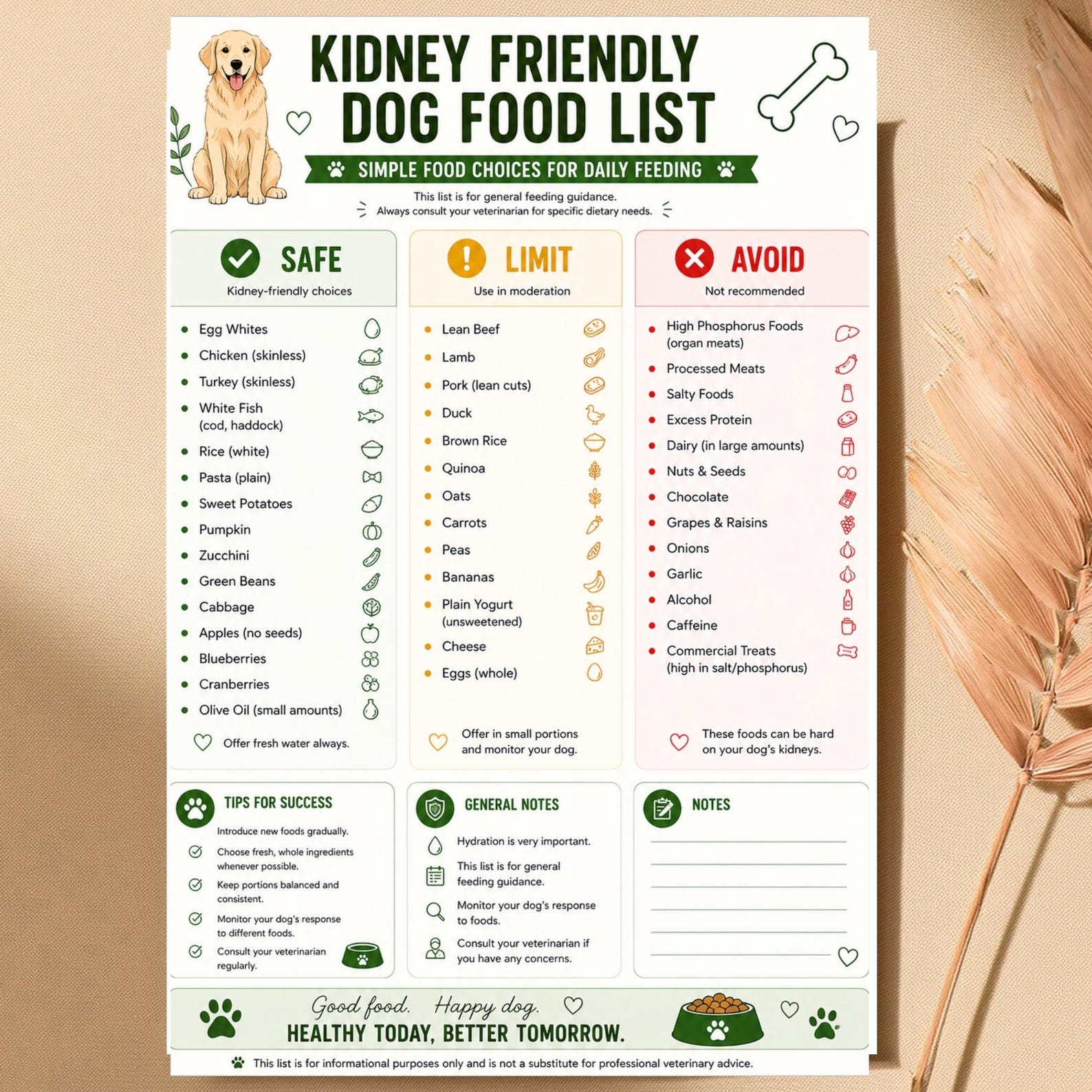



For more expert pet care tips and advice, check out our dedicated Dog Nutrition guides to keep your companions healthy and happy.




