

Introduction
Understanding the health and well-being of canine companions involves paying close attention to vital organ function. Among the most crucial organs are the kidneys, which play a significant role in filtering waste products, balancing electrolytes, and producing hormones essential for overall health. When kidney function declines, it can lead to a cascade of health issues, often manifesting as Chronic Kidney Disease (CKD), particularly common in aging dogs. “Kidney supplements for dogs” refers to a category of nutritional aids designed to support renal function, potentially slow the progression of kidney disease, and improve a dogs quality of life. Exploring this topic helps dog owners and pet enthusiasts better understand supportive care options, ensuring their beloved pets receive the best possible attention when facing kidney challenges.
💡 Pet Care Key Takeaways:
- Core Focus: Practical health, nutrition, and wellness guidelines for Kidney Supplements For Dogs.
- Target Scope: Pet owners, animal caregivers, and veterinary support staff.
- Best Recommendation: Maintain consistent daily routines and consult an accredited veterinarian before introducing major diet or medical changes.
Common Causes and Key Factors
The necessity for kidney supplements for dogs typically arises from underlying kidney health issues. Several factors can contribute to the decline of renal function in canines, leading to the need for supportive interventions. For more related activities, check out our Home Remedy For Dog With Struvite Crystals.
One of the primary causes is age. As dogs grow older, their kidneys, like other organs, naturally undergo degenerative changes, often resulting in reduced efficiency over time. This age-related decline is a leading factor in the development of chronic kidney disease.
Genetic predisposition also plays a role. Certain dog breeds exhibit a higher incidence of kidney conditions. For example, breeds such as the German Shepherd, Cairn Terrier, Bull Terrier, and Cocker Spaniel are sometimes more prone to inherited kidney diseases.
Infections can significantly damage kidney tissue. Bacterial infections, such as those caused by Leptospira bacteria, can lead to severe kidney inflammation and failure if left untreated. Urinary tract infections, if chronic or severe, can also ascend and affect the kidneys.
Exposure to toxins presents another critical threat. Ingesting substances like antifreeze (ethylene glycol), certain human medications (e.g., NSAIDs, some antibiotics), heavy metals, or even specific plants can cause acute kidney injury, which may progress to chronic issues.
Dental disease, often overlooked, can have systemic effects. Bacteria from severe periodontal disease can enter the bloodstream and travel to various organs, including the kidneys, causing inflammation and damage.
Furthermore, other medical conditions can indirectly impact kidney health. Diseases like diabetes mellitus, high blood pressure (hypertension), certain types of cancer, and autoimmune disorders can place additional strain on the kidneys or directly compromise their function. Understanding these underlying causes is crucial for a holistic approach to managing canine kidney health, with supplements often forming a part of a broader therapeutic strategy.
Signs and Symptoms to Observe
Recognizing the signs and symptoms associated with declining kidney function is vital for early intervention and effective management strategies, including the potential integration of kidney supplements for dogs. The observable indicators can often be subtle in the initial stages and become more pronounced as the condition progresses.
One of the most common and earliest signs is increased thirst (polydipsia) and increased urination (polyuria). Damaged kidneys struggle to concentrate urine, leading to larger volumes of dilute urine and a compensatory increase in water intake. Dogs might also have “accidents” in the house, despite being house-trained.
Changes in appetite are frequently observed. Dogs with kidney issues may experience decreased appetite, nausea, and vomiting due to the buildup of toxins in their system (uremia). This can lead to weight loss and muscle wasting over time.
Lethargy and weakness are also common. Dogs might appear less energetic, less enthusiastic about play or walks, and generally more withdrawn. They may sleep more or struggle with tasks they once performed easily.
Other noticeable physical signs can include a poor coat quality, which might appear dull or unkempt, and bad breath (uremic breath), often described as an ammonia-like or metallic odor, resulting from the accumulation of waste products. Pale gums can indicate anemia, another common complication of kidney disease.
Behavioral changes such as restlessness, confusion, or increased vocalization can also occur in advanced stages due to the systemic impact of kidney failure on the central nervous system.
It is important to note that these signs can vary depending on the dog’s age, the stage of kidney disease, and whether the condition is acute or chronic. Older dogs typically exhibit a slower, more progressive onset of symptoms, while acute kidney failure can present with rapid and severe signs. Consistent observation of a dog’s daily habits and physical condition allows for the timely identification of potential kidney problems.
Practical Solutions and Management Strategies
Effectively managing kidney health in dogs requires a multi-faceted approach, with kidney supplements for dogs often playing a supportive role within a comprehensive plan. The cornerstone of any management strategy begins with a thorough veterinary assessment.
Veterinary Consultation and Diagnosis: Before initiating any supplements, it is crucial for a veterinarian to diagnose the exact kidney condition and its severity. Blood tests (e.g., SDMA, creatinine, BUN, phosphorus levels) and urine tests (urinalysis, urine protein:creatinine ratio) are essential for this purpose. A veterinarian will establish a tailored treatment plan, which may include diet, medication, and supportive therapies.
Dietary Management: A specialized prescription kidney diet is often the most impactful intervention. These diets are typically formulated with controlled levels of high-quality protein, reduced phosphorus and sodium, and sometimes enhanced levels of omega-3 fatty acids and B vitamins. The goal is to minimize the workload on the kidneys and slow disease progression.
Hydration: Ensuring consistent access to fresh, clean water is paramount. Increased water intake helps the kidneys flush out waste products. Some owners may find success by adding water or low-sodium broth to their dogs food to encourage hydration.
Role of Kidney Supplements for Dogs: Once a diagnosis is made, specific supplements can be recommended by a veterinarian to complement dietary and medical treatments.
- Phosphate Binders: These supplements (e.g., calcium carbonate, aluminum hydroxide) are given with meals to bind excess phosphorus in the gut, preventing its absorption. High phosphorus levels are detrimental to kidney health.
- Omega-3 Fatty Acids: Often sourced from fish oil, omega-3s (EPA and DHA) possess anti-inflammatory properties and can help support kidney blood flow and reduce damage.
- Antioxidants: Vitamins E and C, along with CoQ10, can help combat oxidative stress on kidney cells, which is elevated in kidney disease.
- B Vitamins: Dogs with kidney disease often excrete more B vitamins in their urine. Supplementation helps replenish these water-soluble vitamins, which are crucial for energy metabolism.
- Probiotics and Prebiotics: Certain formulations aim to support a healthy gut microbiome. Some theories suggest that a healthy gut can help process some waste products, potentially easing the burden on the kidneys (enteric dialysis).
- Botanical/Herbal Supplements: Some natural ingredients, like Astragalus or Rehmannia, are explored for kidney support, though scientific evidence for their efficacy can vary and careful veterinary guidance is essential.
Administering Supplements: It is crucial to follow the veterinarian’s recommended dosage and administration instructions for any kidney supplements for dogs. Integrating them into a dog’s routine can be achieved by mixing them with food or administering them directly.
Regular Monitoring: Consistent follow-up veterinary appointments, including blood and urine tests, are vital to track kidney function, adjust treatments, and assess the effectiveness of supplements and diet. This ongoing vigilance ensures the management plan remains optimized for the dog’s evolving needs.
When Professional Help May Be Needed
Determining when to seek professional veterinary assistance is a critical aspect of responsible pet ownership, particularly when it concerns organ health like the kidneys. While observation and proactive care are important, certain situations absolutely necessitate the expertise of a veterinarian.
Any time a dog exhibits the signs and symptoms described previouslysuch as increased thirst or urination, decreased appetite, weight loss, lethargy, vomiting, or changes in behaviora prompt veterinary visit is warranted. These symptoms can indicate a range of health issues, with kidney disease being a significant concern. Early diagnosis allows for more effective intervention and management, potentially improving outcomes.
It is also imperative to consult with a veterinarian before considering or starting any kidney supplements for dogs. Self-diagnosing kidney disease or self-prescribing supplements can be dangerous. A veterinarian can accurately diagnose the underlying condition, assess the stage of kidney disease, and recommend the most appropriate and safe treatment plan, which may or may not include specific supplements. Certain supplements, if used inappropriately, could even be detrimental to a dog’s health.
For older dogs, even if seemingly healthy, routine annual or bi-annual veterinary check-ups are highly recommended. These wellness visits allow for early detection of subtle changes in kidney function through routine blood and urine screenings, often before overt clinical signs become apparent. Proactive screening is particularly valuable for conditions like chronic kidney disease, which often progresses silently in its early stages.
Any sudden or severe onset of symptoms, such as acute weakness, complete refusal to eat, persistent vomiting, or a complete cessation of urination, constitutes a veterinary emergency. In these critical situations, immediate professional medical attention is essential to address potential acute kidney failure or other severe conditions. Responsible pet care involves recognizing these indicators and acting swiftly to ensure the best possible care for canine companions.
Conclusion
Navigating the complexities of canine kidney health requires both awareness and proactive measures. Kidney supplements for dogs serve as a valuable supportive tool in the comprehensive management of kidney disease, particularly when integrated into a plan overseen by a veterinary professional. Understanding the common causes, recognizing subtle signs, and implementing practical strategies can significantly impact a dog’s well-being. The importance of early diagnosis, tailored dietary modifications, adequate hydration, and appropriately chosen supplements cannot be overstated. Consistent veterinary guidance ensures that any intervention, including the use of kidney supplements, is safe, effective, and aligned with the dog’s specific health needs. By remaining observant and committed to ongoing care, dog owners and pet enthusiasts can play a pivotal role in supporting their canine companions’ renal health and enhancing their overall quality of life.
Pet Care & Wellness Overview Table
| Life Stage | Daily Activity Level | Key Nutrition / Care Focus |
|---|---|---|
| Puppy / Kitten | High (frequent short bursts) | High-protein growth diet & early socialization |
| Adult Companion | Moderate (30–60 mins daily) | Balanced maintenance nutrition & dental hygiene |
| Senior Pets | Low to Gentle (mindful walks) | Joint support (Glucosamine) & routine vet checks |
Images References





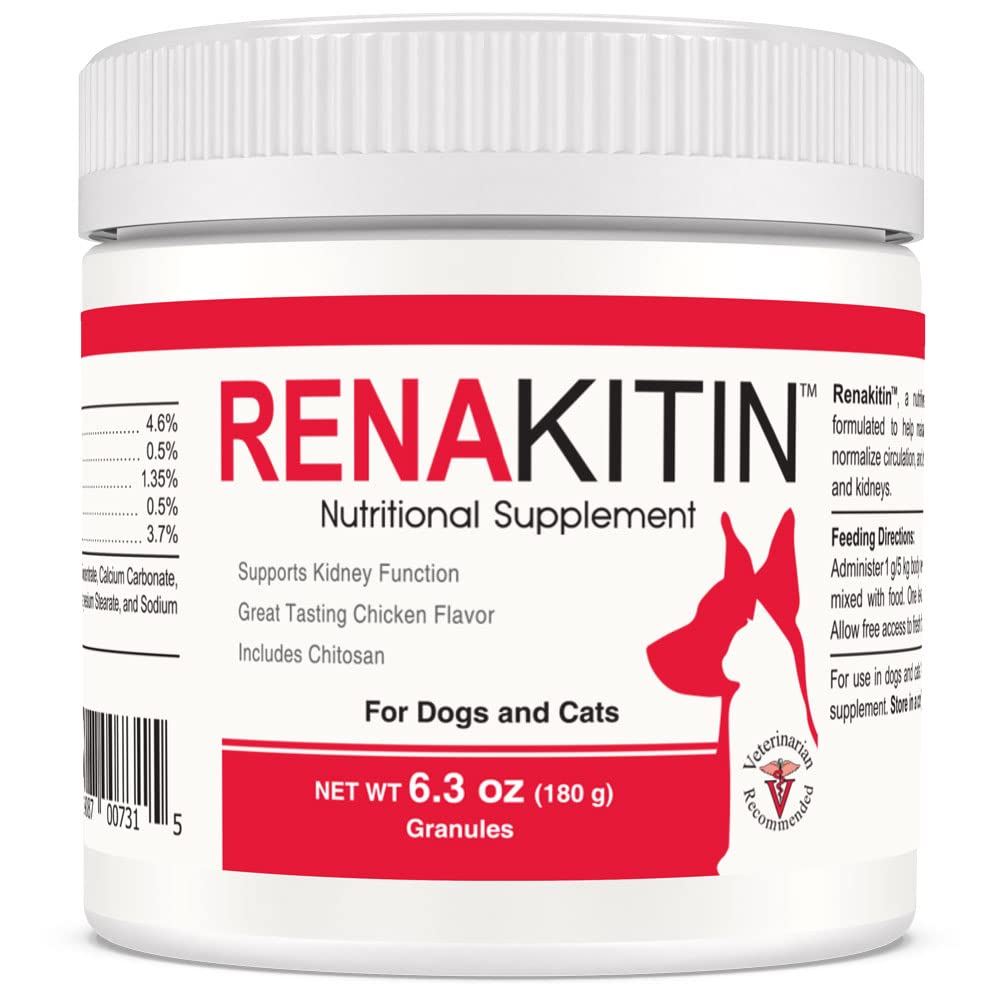


For more expert pet care tips and advice, check out our dedicated Dog Health guides to keep your companions healthy and happy.


