

Introduction
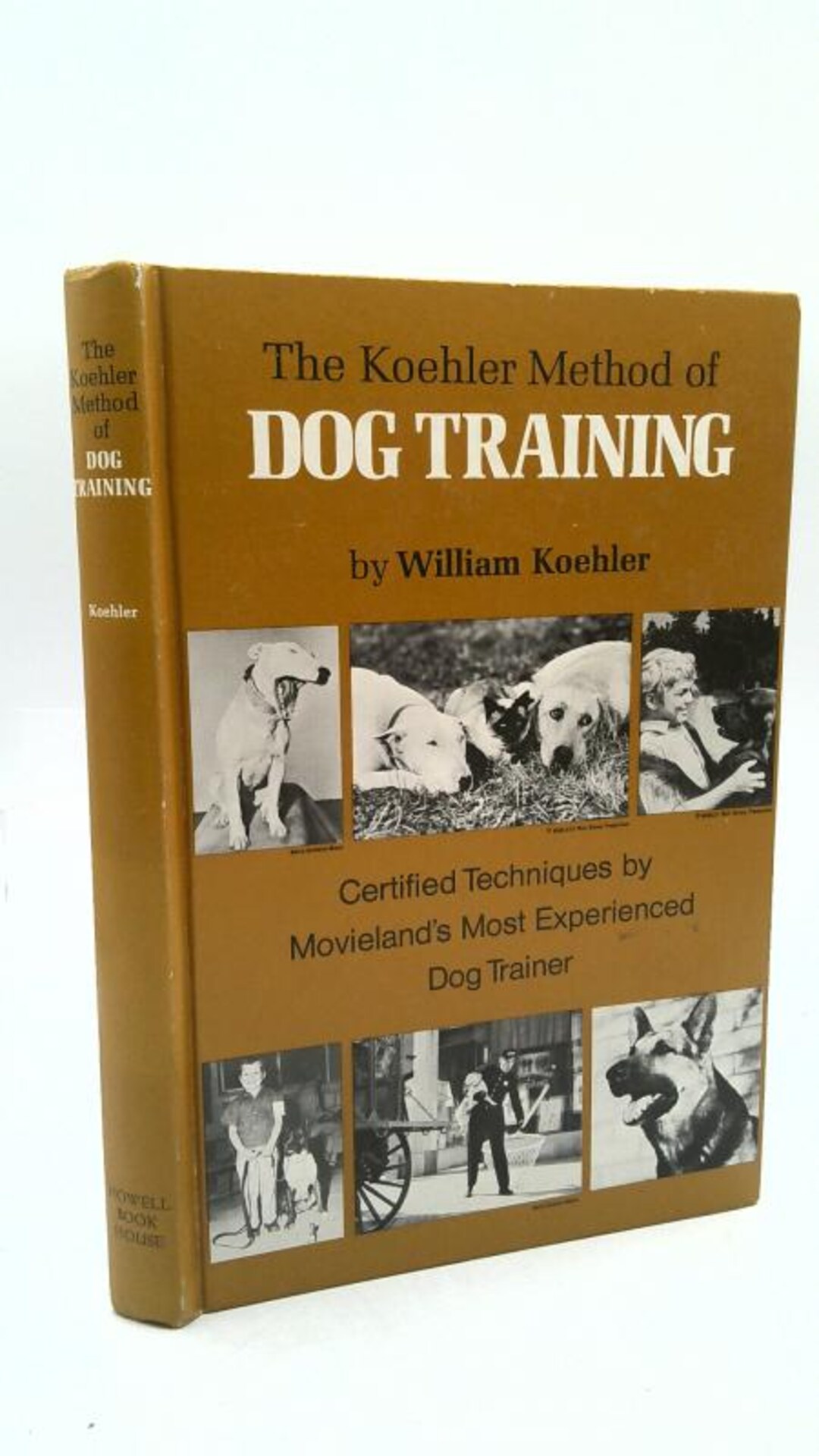
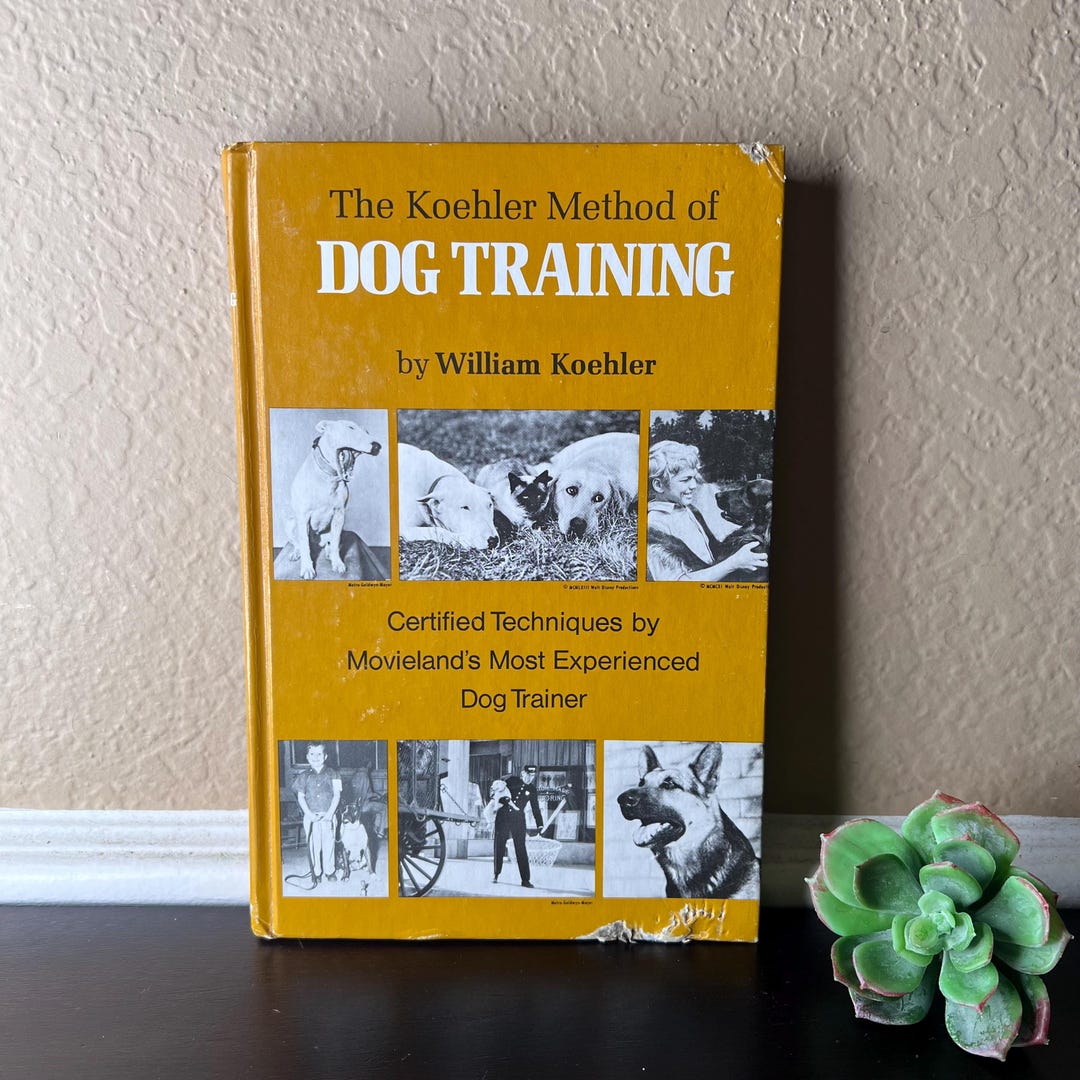
Exploring various dog training methodologies is crucial for any dog owner committed to fostering a well-behaved and harmonious relationship with a canine companion. Among the diverse approaches, the Koehler method of dog training stands as a historically significant and influential system. Developed by William R. Koehler, a renowned animal trainer, this method gained prominence for its emphasis on achieving reliable obedience through consistent, structured training. Understanding the Koehler method means delving into a philosophy rooted in clear communication, immediate consequences, and the establishment of a defined hierarchy, aiming to create a highly responsive and manageable dog. This approach, while sometimes seen as traditional, offers insights into foundational obedience principles that can significantly improve a dogs behavior and overall integration into a household.
💡 Pet Care Key Takeaways:
- Core Focus: Practical health, nutrition, and wellness guidelines for Koehler Method Of Dog Training.
- Target Scope: Pet owners, animal caregivers, and veterinary support staff.
- Best Recommendation: Maintain consistent daily routines and consult an accredited veterinarian before introducing major diet or medical changes.
Common Causes and Key Factors
The Koehler method’s development in the mid-20th century arose from a need for highly reliable obedience in various working dog contexts, including film and military applications. Its core philosophy is predicated on the idea that dogs learn best through a combination of positive reinforcement for correct actions and negative reinforcement or positive punishment for incorrect ones. Key factors underpinning this method include:. For more related activities, check out our What Trick Can Only A Border Collie Learn.
- Clear Communication: The method stresses the importance of unambiguous commands and signals from the handler.
- Consistency: Repetition and unwavering application of rules are paramount for the dog to understand expectations.
- Timing: Corrections and rewards must be delivered instantaneously for the dog to associate them directly with the preceding behavior.
- Compulsion and Release: This involves the physical guiding of a dog into a desired position or a swift correction for an undesirable action, followed immediately by release or praise upon compliance.
- Building a Foundation: The method systematically teaches fundamental commands such as heel, sit, stay, come, and down, ensuring each command is deeply ingrained.
This structured approach seeks to eliminate confusion for the dog, making it clear which behaviors are desired and which are not.
Signs and Symptoms to Observe
When observing a dog undergoing or having completed training via the Koehler method, several characteristic responses and behaviors typically manifest. A dog trained with this methodology often exhibits a high degree of responsiveness and reliability to commands, even under significant distraction.
- Immediate Command Execution: The dog is expected to respond to commands instantly, without hesitation.
- Controlled Leash Walking: Heeling without pulling and maintaining position is a hallmark, often achieved through specific leash correction techniques.
- Reliable Stays: Dogs are trained to remain in a sit or down position for extended periods, regardless of environmental stimuli.
- Consistent Recall: A strong recall is emphasized, with the dog returning promptly to the handler when called.
- Focused Attention: During training sessions, the dog’s attention is typically directed towards the handler, demonstrating a clear understanding of the handler’s leadership.
These observable signs reflect the method’s emphasis on precision and unwavering obedience, distinguishing it from approaches that might prioritize more self-directed learning or freedom of movement.
Practical Solutions and Management Strategies
Implementing the Koehler method involves a systematic progression of practical steps designed to build a strong foundation of obedience. It is not merely a set of techniques but a comprehensive philosophy applied to dog training.
- Initial Leash and Collar Introduction: Proper use of a slip collar or training collar is fundamental, teaching the dog how to respond to leash pressure.
- Heeling as the First Command: Starting with the heel command establishes the handler’s control and the dog’s attention, using consistent verbal cues and leash corrections.
- Introducing Commands Systematically: Each command (sit, stay, down, come) is introduced individually, ensuring mastery before moving to the next. This often involves physically placing the dog in the desired position while giving the command, followed by praise.
- Correction and Release Principle: When a dog fails to comply, a swift, firm correction (e.g., a leash snap) is applied, immediately followed by praise and release once the correct behavior is performed. This clear distinction between desired and undesired actions reinforces learning.
- Distraction Training: Once basic commands are solid, training progresses to various environments and distractions, ensuring reliability in real-world situations.
- Consistency in Daily Interactions: The principles learned during formal training are extended to everyday life, reinforcing desired behaviors and maintaining structure.
Successful application of the Koehler method requires dedication, precise timing, and unwavering consistency from the handler.
When Professional Help May Be Needed
While the Koehler method offers a structured pathway to obedience, dog owners may encounter situations where professional guidance becomes invaluable. Seeking assistance from a certified professional dog trainer, particularly one experienced with traditional or balanced training methods, can provide critical support. This is especially true if a dog owner struggles with the correct application of corrections, experiences difficulty in achieving desired responses, or observes signs of stress or fear in their dog. Professional trainers can assess the dog’s temperament, the owner’s technique, and provide tailored advice to ensure the method is applied humanely and effectively. Furthermore, if the dog exhibits persistent behavioral issues not resolving with the method, or if the owner feels uncomfortable with any aspect of the training, consulting a professional can help determine if an alternative approach might be more suitable for the individual dog and handler team.
Conclusion
The Koehler method of dog training represents a historically significant and rigorous approach to establishing reliable obedience. Its core tenets of clear communication, consistent application of consequences, and systematic training offer a path to a highly responsive and well-behaved dog. By understanding its emphasis on compulsion, immediate corrections, and positive reinforcement for compliance, dog owners gain insight into a method designed for precision and consistency. While requiring dedication and meticulous execution, the Koehler method has demonstrated its effectiveness in building a strong foundation of canine obedience. Ultimately, awareness of various training philosophies empowers dog owners to make informed decisions, ensuring they choose an approach that aligns with their dog’s individual needs and promotes a positive and enduring bond.
Pet Care & Wellness Overview Table
| Life Stage | Daily Activity Level | Key Nutrition / Care Focus |
|---|---|---|
| Puppy / Kitten | High (frequent short bursts) | High-protein growth diet & early socialization |
| Adult Companion | Moderate (30–60 mins daily) | Balanced maintenance nutrition & dental hygiene |
| Senior Pets | Low to Gentle (mindful walks) | Joint support (Glucosamine) & routine vet checks |
Images References




For more expert pet care tips and advice, check out our dedicated Dog Training guides to keep your companions healthy and happy.




