
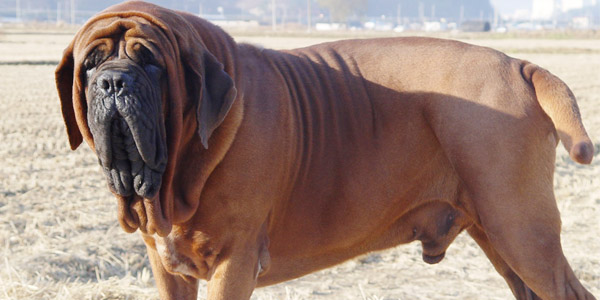
Unveiling the Majestic World of the Korean Mastiff Korean Dog Breed
According to the American Kennel Club, large guard dog breeds require dedicated owners who understand the unique responsibilities of managing giant guardian breeds safely and humanely. Stepping into the realm of rare canine companions introduces enthusiasts to some of the most striking animals on earth. Giant dogs often command attention simply by entering a room. Among these imposing Molosser-type dogs—a category of solid, heavy-boned working dogs—stands a truly remarkable yet uncommon gentle giant. Exploring this unique lineage reveals a magnificent animal defined by massive proportions, deep wrinkles, and an unexpectedly gentle heart. Anyone captivated by powerful guardians will find a fascinating subject in this distinct East Asian lineage.
💡 Pet Care Key Takeaways:
- Core Focus: Practical health, nutrition, and wellness guidelines for Korean Mastiff Korean Dog Breed.
- Target Scope: Pet owners, animal caregivers, and veterinary support staff.
- Best Recommendation: Maintain consistent daily routines and consult an accredited veterinarian before introducing major diet or medical changes.
The Korean Mastiff Korean Dog Breed is a monumental guardian with deep historical roots in rural farming communities.
Known locally as the Mee Kyun Dosa, this colossal canine originates from South Korea, where breeders crossed imported Western mastiffs with native indigenous dogs to create a specialized farm helper. These massive working dogs possess a distinct physical trademark consisting of heavy, loose skin folds cascading down the face and neck, creating a profoundly solemn expression. Beyond their wrinkled facade, these giant dogs feature massive bone structures, broad skulls, and coats colored in various shades of rich mahogany, reddish-brown, or chestnut. Despite their formidable appearance, their temperament leans heavily toward calm, steady loyalty rather than aggressive reactivity, making them devoted family guardians when socialized correctly. For more related activities, check out our 6Month Shitzu Maturing.
Understanding the profound health and structural demands of giant working breeds is essential for long-term ownership success.
Managing a canine weighing well over one hundred pounds requires constant attention to joint health, cardiac function, and proper nutrition. Large-breed puppies experience rapid skeletal growth phases, meaning unbalanced diets can lead to painful developmental orthopedic diseases. Furthermore, deep-chested guard dogs face elevated risks of gastric torsion—commonly known as bloat—a life-threatening condition where the stomach twists rapidly. Owners must implement structured feeding routines, avoiding heavy exercise immediately before and after meals. In clinical practice, watching a giant puppy try to navigate slippery hardwood floors highlights why environmental modifications like non-slip rugs are just as important as high-grade food.
Large and giant dog breeds require specialized puppy nutrition designed to regulate rapid bone growth and prevent developmental orthopedic disorders — American Kennel Club
Socializing a massive guard dog early in life prevents overprotection and ensures a well-adjusted adult companion. Because these dogs possess a natural guarding instinct, exposing them to diverse people, environments, and animals from puppyhood teaches them discernment rather than suspicion. Positive reinforcement techniques work best, as harsh training methods can damage trust and lead to defensive reactions in such powerful animals. Instead of dominance tactics, clear boundaries paired with rewarding experiences build a resilient, confident temperament. Daily obedience practice transforms a potentially unmanageable giant into a polite, controllable household member.
Avoiding common management mistakes preserves the well-being of giant guardian dogs.
Underestimating the sheer physical strength of a giant breed remains a frequent pitfall for novice owners. Failing to leash-train a puppy early creates immense safety hazards once the animal reaches full adult size. Additionally, neglecting regular skinfold hygiene can lead to painful dermatitis within the deep facial wrinkles. Owners must gently clean and dry these folds regularly to prevent moisture buildup and bacterial growth. Furthermore, assuming a large dog does not need mental stimulation leads directly to destructive chewing or depressive behaviors. Providing interactive puzzle toys and consistent engagement keeps these intelligent minds sharp and satisfied.
Early and continuous socialization is vital for guard breeds to ensure they develop balanced, confident responses to unfamiliar visitors — American Society for the Prevention of Cruelty to Animals
Pet Care & Wellness Overview Table
| Life Stage | Daily Activity Level | Key Nutrition / Care Focus |
|---|---|---|
| Puppy / Kitten | High (frequent short bursts) | High-protein growth diet & early socialization |
| Adult Companion | Moderate (30–60 mins daily) | Balanced maintenance nutrition & dental hygiene |
| Senior Pets | Low to Gentle (mindful walks) | Joint support (Glucosamine) & routine vet checks |
Images References


Breed characteristics and exercise requirements demand realistic lifestyle adjustments from potential owners.
Accommodating a giant dog means rethinking home space, vehicle size, and daily routines. While these dogs display surprising athleticism for their bulk, they are fundamentally low-energy companions inside the home, often preferring a comfortable, oversized dog bed over endless miles of running. Moderate daily walks satisfy their physical needs without overstressing their massive joints. However, finding durable gear and secure fencing capable of containing a powerful guardian requires careful planning. Prospective owners should also prepare for substantial food budgets and veterinary medication expenses scaled appropriately for a giant animal.
Consulting a veterinarian or professional behaviorist ensures optimal health and safety outcomes throughout the lifespan.
Establishing a proactive healthcare partnership with a qualified veterinarian is non-negotiable when caring for rare giant breeds. Routine wellness exams catch subtle signs of hip dysplasia, elbow dysplasia, or cardiac abnormalities before they compromise the dog’s quality of life. For behavioral guidance, consulting a certified professional Dog Training expert helps address any emerging guarding tendencies safely. Never attempt to manage severe resource guarding or reactivity without professional support. Expert intervention safeguards both the household and the animal, ensuring a harmonious living environment built on mutual respect.
Embracing the journey of giant dog ownership enriches the lives of both human and canine companions.
Living with such a magnificent creature offers unmatched rewards for dedicated owners who respect the breed’s physical and emotional needs. From monitoring proper Dog Nutrition to understanding subtle shifts in Dog Behavior, every aspect of care contributes to a long, healthy partnership. Prioritizing proactive Dog Health practices guarantees peace of mind for families embracing these noble giants. Exploring resources across PetsAnimalsWorld.com helps expand knowledge regarding proper Dog Care and Dog Breeds, ensuring a lifetime of wonderful memories.


