

Unveiling the Unique Genetics and Care Needs of the Lemon Dalmatian
According to the American Kennel Club (AKC), unique coat color variations can occasionally appear within established purebred lineages due to recessive genetic expressions. While standard Dalmatians are universally recognized for their classic black or liver spots, a lesser-known color variation captures the curiosity of many canine enthusiasts. The lemon Dalmatian presents a fascinating deviation from the standard pigmentation blueprint, featuring pale, sandy-orange spots instead of the traditional dark markings. Navigating this distinctive color variety requires an understanding of both canine coat genetics and specialized breed upkeep. Exploring this rare coloration helps guardians provide appropriate, tailored care.
💡 Pet Care Key Takeaways:
- Core Focus: Practical health, nutrition, and wellness guidelines for Lemon Dalmation.
- Target Scope: Pet owners, animal caregivers, and veterinary support staff.
- Best Recommendation: Maintain consistent daily routines and consult an accredited veterinarian before introducing major diet or medical changes.
Lemon coloration in Dalmatians is driven by a specific recessive gene combination that alters the typical eumelanin pigment production.
Lemon Dalmatians carry a recessive gene variant that restricts the development of dark pigment, causing the expected black or brown spots to dilute into a soft, yellowish-orange hue. In the world of canine coat genetics, eumelanin is responsible for dark colors, while phaeomelanin controls red and yellow shades; in these dogs, the pigment switch prevents eumelanin from fully expressing in the spots. Despite their distinct appearance, these dogs share the exact same heritage, body structure, and energetic temperament as their traditionally colored counterparts. Experienced handlers frequently observe that visitors mistake these uniquely shaded canines for mixed-breed dogs, unaware that the lemon variant is an officially recognized, albeit rare, color fault in the show ring.
Health and wellness considerations for lemon-spotted Dalmatians closely mirror those of standard-colored dogs within the breed.
Health considerations for lemon-spotted Dalmatians include a genetic predisposition to congenital deafness and unique purine metabolism pathways. Because the genetic mechanism responsible for the lack of dark pigmentation is often linked to the stria vascularis of the inner ear, pale-coated dogs may carry a comparable or slightly elevated risk of hearing impairment. Routine veterinary screenings, including Brainstem Auditory Evoked Response (BAER) testing, remain essential for evaluating hearing status early in life. Furthermore, like all members of Dog Breeds with ancestral spotting patterns, these canines process uric acid differently than most other dogs, necessitating careful attention to hydration and specific dietary formulations to prevent urinary stone formation. Consequently, consulting a veterinarian regarding appropriate commercial or home-cooked diets is vital for long-term health.
Dalmatians possess a unique metabolic system that excretes uric acid instead of urea, requiring balanced hydration and careful protein management to prevent urolithiasis. — American Kennel Club (AKC)
Managing daily care routines for a lemon Dalmatian involves proactive skin protection and structured exercise outlets.
Managing daily care routines for a lemon Dalmatian involves proactive skin protection and structured exercise outlets because their pale pigmentation leaves them more vulnerable to environmental stressors. Lighter skin and hair pigment offer less natural defense against ultraviolet radiation, meaning outdoor excursions during peak sun hours require canine-safe sunscreen on exposed areas like the nose and muzzle. Daily physical activity is another cornerstone of management, as this high-energy working heritage demands vigorous daily exercise to prevent destructive behaviors indoors. Integrating mental stimulation games alongside long walks ensures that the dog remains balanced, focused, and content throughout the day.
Best practices for grooming and preventive wellness focus on gentle products and regular physical checks.
Best practices for grooming and preventive wellness focus on gentle products and regular physical checks to maintain healthy skin and a gleaming short coat. Regular brushing with a rubber curry brush helps remove loose hairs and distributes natural skin oils, keeping the pale coat vibrant without causing irritation. When bathing these dogs, utilizing hypoallergenic, veterinarian-recommended shampoos prevents unnecessary drying or allergic skin reactions. Additionally, examining the ears weekly is crucial since pendulous ear flaps can trap moisture and debris, paving the way for secondary infections. Developing these consistent habits early creates a stress-free grooming routine that strengthens the bond between handler and pet.
Routine veterinary check-ups combined with proactive dermatological monitoring help catch early signs of solar dermatitis and other skin sensitivities in lightly pigmented dogs. — American Veterinary Medical Association (AVMA)
Pet Care & Wellness Overview Table
| Life Stage | Daily Activity Level | Key Nutrition / Care Focus |
|---|---|---|
| Puppy / Kitten | High (frequent short bursts) | High-protein growth diet & early socialization |
| Adult Companion | Moderate (30–60 mins daily) | Balanced maintenance nutrition & dental hygiene |
| Senior Pets | Low to Gentle (mindful walks) | Joint support (Glucosamine) & routine vet checks |
Images References





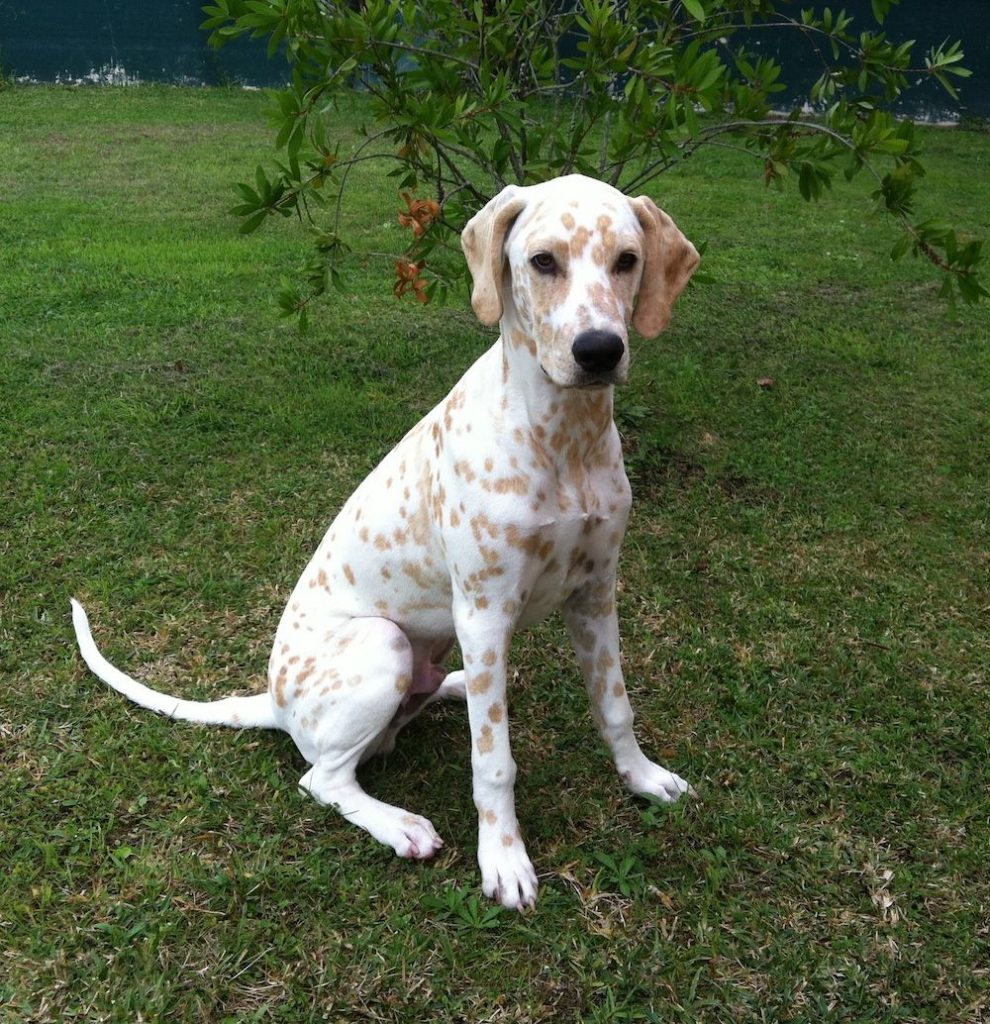
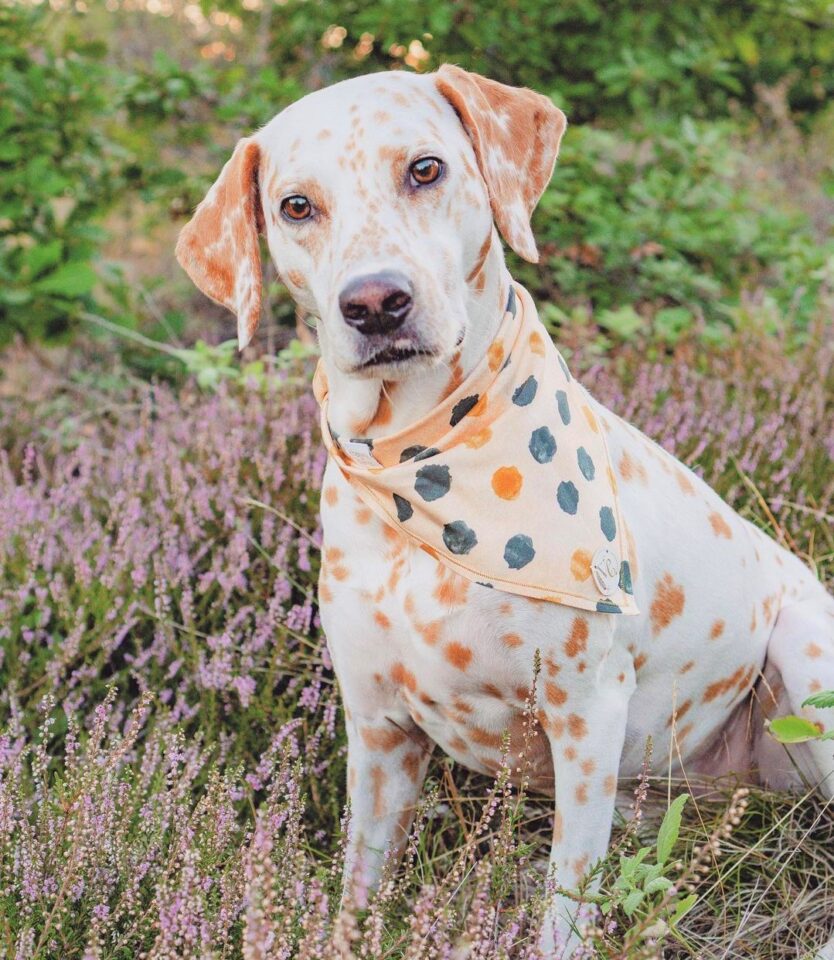
Temperament and socialization traits in lemon Dalmatians require patient, consistent guidance from an early age to foster a well-adjusted adult companion. These dogs are fiercely loyal, highly intelligent, and possess a strong watchdog instinct, which means they can become reserved or reactive around strangers if not properly socialized. Introducing the puppy to a wide variety of people, environments, sounds, and other animals during the critical developmental window builds lifelong confidence. Professional guidance found within resources on Dog Training can help guardians establish clear communication pathways utilizing positive reinforcement methods. Establishing these boundaries early prevents unwanted guarding behaviors and promotes positive community interactions.
Professional veterinary and behavioral consultations provide an essential safety net for addressing complex health or temperament concerns.
Professional veterinary and behavioral consultations provide an essential safety net for addressing complex health or temperament concerns that exceed routine home management. If a dog exhibits sudden changes in hearing, chronic dermatological discomfort, or unusual behavioral reactivity, scheduling a comprehensive exam with a licensed veterinarian is paramount. For behavioral challenges rooted in fear or anxiety, working alongside a certified professional behaviorist ensures that intervention strategies remain humane and scientifically sound. Prioritizing expert medical and behavioral advice safeguards the long-term quality of life for any canine companion. Understanding when to seek professional intervention is a hallmark of responsible pet guardianship.
Exploring comprehensive pet resources ensures that every guardian is fully equipped for a rewarding journey of canine ownership.
Exploring comprehensive pet resources ensures that every guardian is fully equipped for a rewarding journey of canine ownership by providing continuous educational support. Dedicated owners can dive deeper into topics ranging from preventative wellness found in Dog Health to daily maintenance tips featured under Dog Care. Every dog thrives when provided with tailored nutrition, mental engagement, and attentive healthcare tailored to their distinct genetic makeup. To discover more expert guides, breed profiles, and wellness advice, visit PetsAnimalsWorld.com and explore the full suite of educational articles designed to support lifelong animal well-being.




