
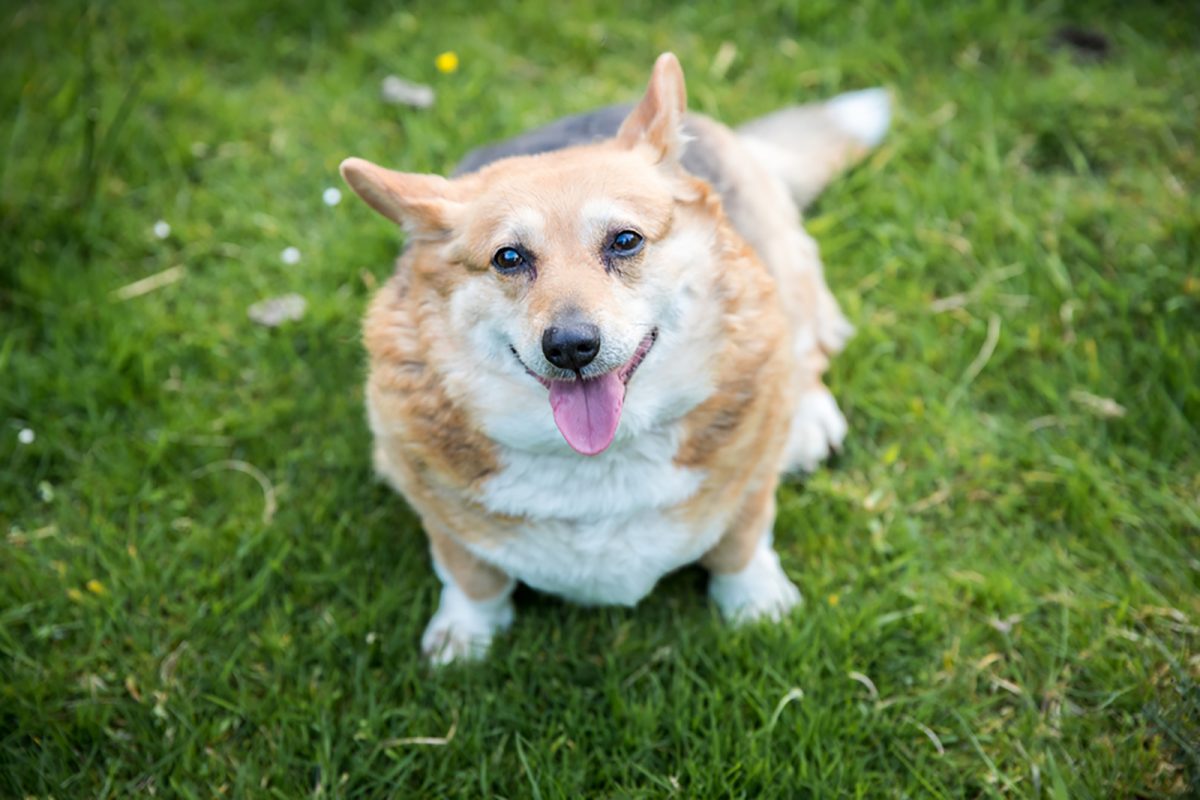
Addressing the growing prevalence of fat corgis requires understanding canine obesity from a clinical perspective.
According to the Association for Pet Obesity Prevention, a significant majority of dogs in modern households are classified as overweight or obese, with dwarf-varietal herding breeds appearing disproportionately in clinical waiting rooms for weight-related complications. Veterinary medicine defines obesity not merely as extra padding, but as a chronic inflammatory state driven by excess adipose, or fat, tissue. Recognizing this condition early transforms daily management and prevents irreversible joint deterioration in beloved household companions. Explore more in our Dog Breeds collection.
💡 Pet Care Key Takeaways:
- Core Focus: Practical health, nutrition, and wellness guidelines for Fat Corgis.
- Target Scope: Pet owners, animal caregivers, and veterinary support staff.
- Best Recommendation: Maintain consistent daily routines and consult an accredited veterinarian before introducing major diet or medical changes.
Fat corgis are scientifically defined as dogs carrying a body condition score significantly above the ideal threshold due to caloric surplus.
Evaluating canine weight relies heavily on the Body Condition Score, a standardized metric ranging from one to nine, where an optimal score sits squarely at four or five. In clinical practice, fat corgis typically score an eight or nine, characterized by a complete absence of a discernible waistline, heavy fat deposits over the lumbar spine, and a distended abdominal profile. Because this herding breed possesses a low-slung frame coupled with a heavy bone structure, even minor weight gains drastically alter their natural biomechanics and center of gravity.
Excess weight places devastating mechanical stress on the unique skeletal structure of the Pembroke and Cardigan breeds.
Long backs combined with short limbs make these herding dogs exceptionally vulnerable to intervertebral disc disease, a painful spinal condition exacerbated by heavy pounds. When canine patients carry extra weight, their joints endure accelerated cartilage wear, paving the way for early-onset osteoarthritis and mobility loss. Furthermore, chronic fat accumulation compromises respiratory efficiency, turning a brisk morning walk into a breathless struggle for cardiovascular survival.
Overweight pets face a significantly higher risk of developing secondary metabolic disorders, joint degeneration, and reduced life expectancy — Association for Pet Obesity Prevention
Reversing weight gain in this specific body type involves precise dietary adjustments and structured metabolic management.
Achieving healthy weight loss begins with calculating exact daily caloric needs under professional veterinary supervision, moving away from free-feeding methods entirely. Owners must measure meals using standardized kitchen scales rather than volumetric cups to eliminate human error in portion sizes. Incorporating low-calorie, high-fiber vegetables such as plain green beans can help satisfy a notoriously enthusiastic appetite without spiking daily caloric intake, though harmful foods like grapes, onions, and processed human snacks must be strictly avoided.
Avoiding common pitfalls ensures safe, steady progress toward an ideal body condition score.
One frequent misstep involves cutting food rations drastically without professional guidance, which can lead to dangerous nutritional deficiencies and muscle wasting rather than fat loss. Additionally, high-impact activities like jumping off high furniture or running on hard pavement should be restricted while extra pounds are being shed to protect vulnerable joints. Consistent, low-impact exercise such as controlled leash walking or canine hydrotherapy builds lean muscle mass while torching stored calories safely.
Canine osteoarthritis caused by excess weight is one of the most common reasons for chronic pain diagnoses in veterinary hospitals — American Veterinary Medical Association
Pet Care & Wellness Overview Table
| Life Stage | Daily Activity Level | Key Nutrition / Care Focus |
|---|---|---|
| Puppy / Kitten | High (frequent short bursts) | High-protein growth diet & early socialization |
| Adult Companion | Moderate (30–60 mins daily) | Balanced maintenance nutrition & dental hygiene |
| Senior Pets | Low to Gentle (mindful walks) | Joint support (Glucosamine) & routine vet checks |
Images References
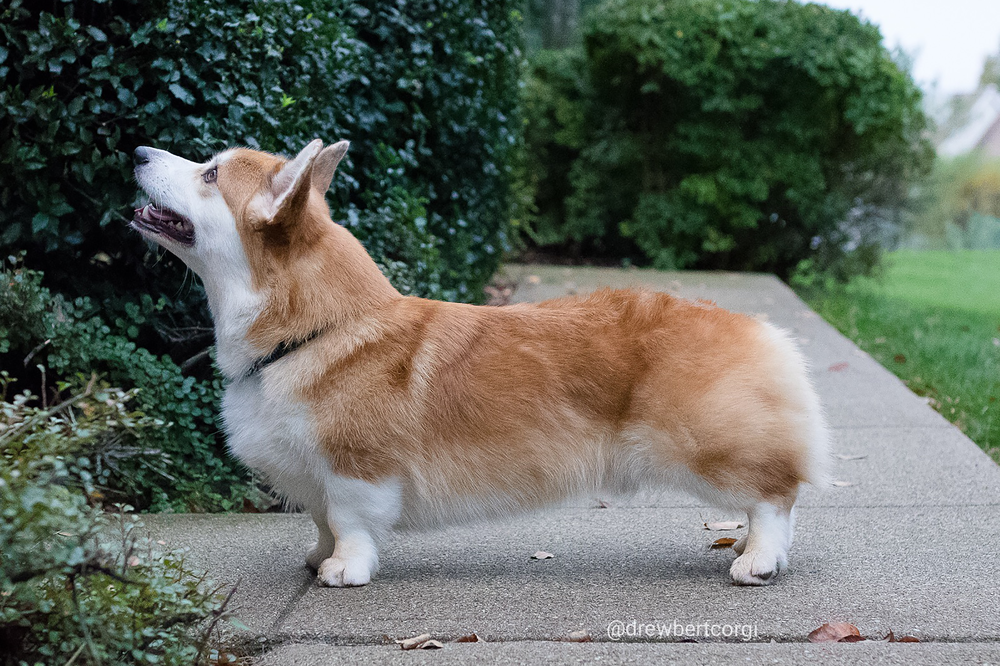




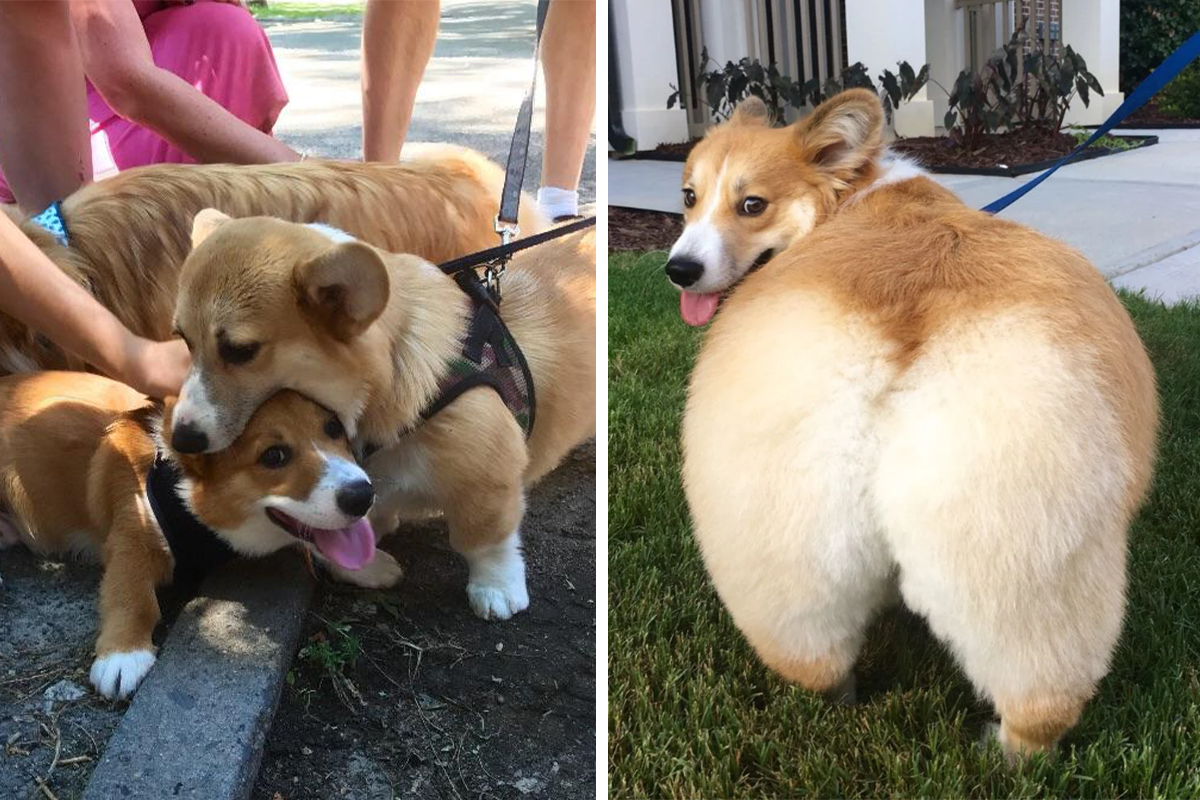

Breed-specific metabolic traits and historical energy requirements explain why this particular group gains weight so easily.
Bred originally to drive cattle across rugged pastures, these dogs possess a relentless work ethic and food motivation that persists even in modern, sedentary environments. This historical drive means they rarely self-regulate their food intake, readily eating past the point of satiety whenever unlimited kibble is available. Coupled with a notoriously charming demeanor that easily convinces humans to hand over table scraps, their natural instincts work directly against them in a household setting.
Professional veterinary guidance is essential before initiating any radical weight-loss program or intensive exercise routine.
Consulting a veterinarian ensures that underlying endocrine disorders, such as hypothyroidism, are ruled out as the primary cause of sudden weight gain before altering diet plans. A veterinarian can accurately calculate a safe, gradual weight loss trajectory tailored specifically to the individual metabolic rate and age of the animal. Exploring resources focused on Dog Health and Dog Nutrition provides further insight into maintaining lifelong vitality.
Commitment to optimal weight management guarantees a longer, happier, and more mobile life for cherished canine companions.
Transforming an overweight pet into a lean, energetic companion requires patience, consistency, and a strong partnership with a trusted clinical team. By prioritizing balanced nutrition and mindful portions, caregivers protect their animals from preventable systemic diseases and joint pain. Discover more expert guidance and practical tips across PetsAnimalsWorld.com, including dedicated resources on Dog Care and Dog Training to support every step of the wellness journey.




