
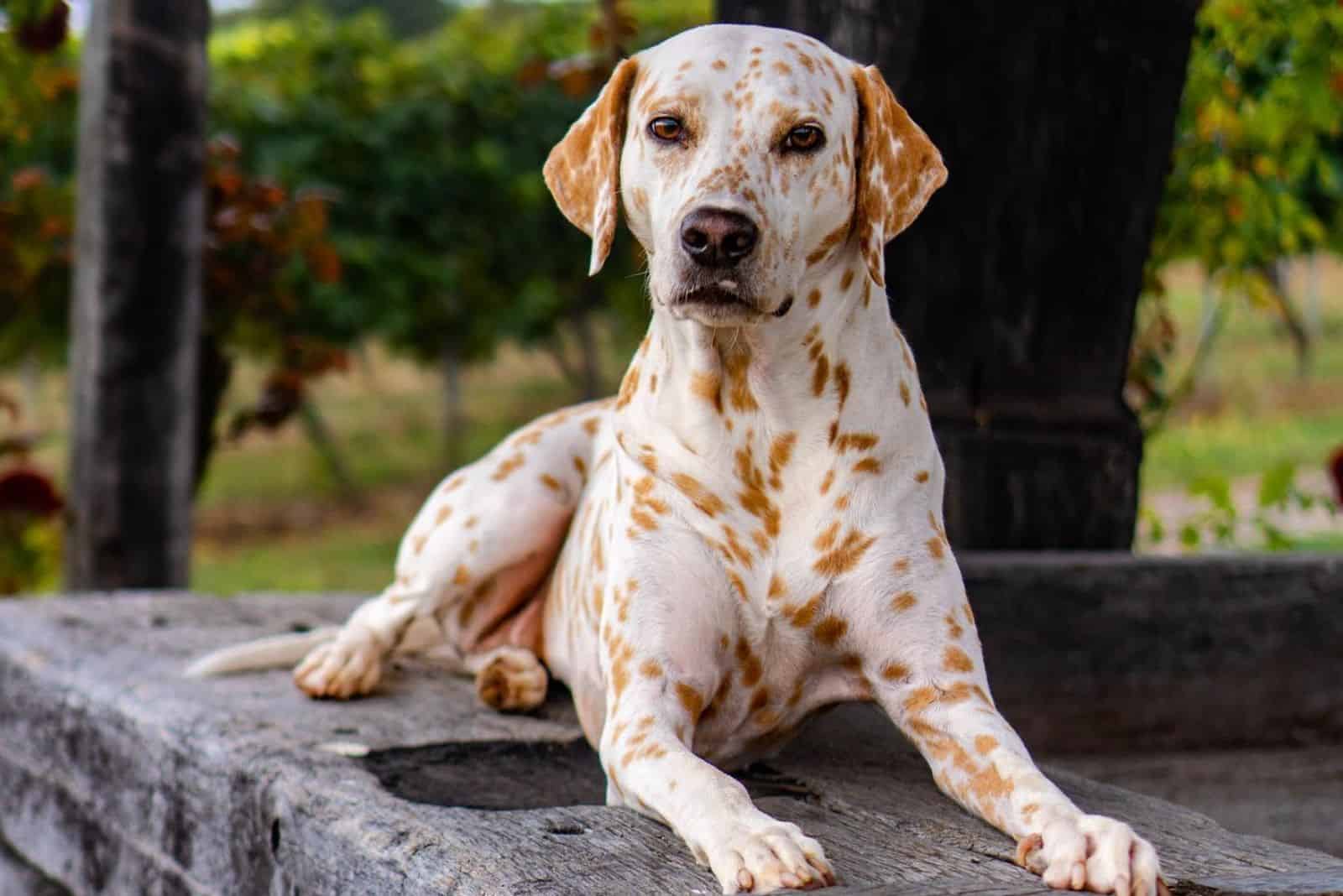
Understanding the Unique Genetics and Appeal of the Lemon Spot Dalmatian
According to the American Kennel Club, coat color variations in purebred dogs often stem from specific recessive genetic markers that occasionally emerge despite strict breed standards. When canine enthusiasts encounter a unique coat pattern, curiosity naturally follows regarding its origin and health implications. Within the spotted dog community, the lemon spot Dalmatian stands out as a fascinating variation that breaks away from the traditional black and liver markings most commonly associated with the breed. Exploring this rare coloration requires a close examination of canine coat genetics, responsible breeding practices, and the everyday management required to keep these distinct canines thriving in a domestic environment.
💡 Pet Care Key Takeaways:
- Core Focus: Practical health, nutrition, and wellness guidelines for Lemon Spot Dalmatian.
- Target Scope: Pet owners, animal caregivers, and veterinary support staff.
- Best Recommendation: Maintain consistent daily routines and consult an accredited veterinarian before introducing major diet or medical changes.
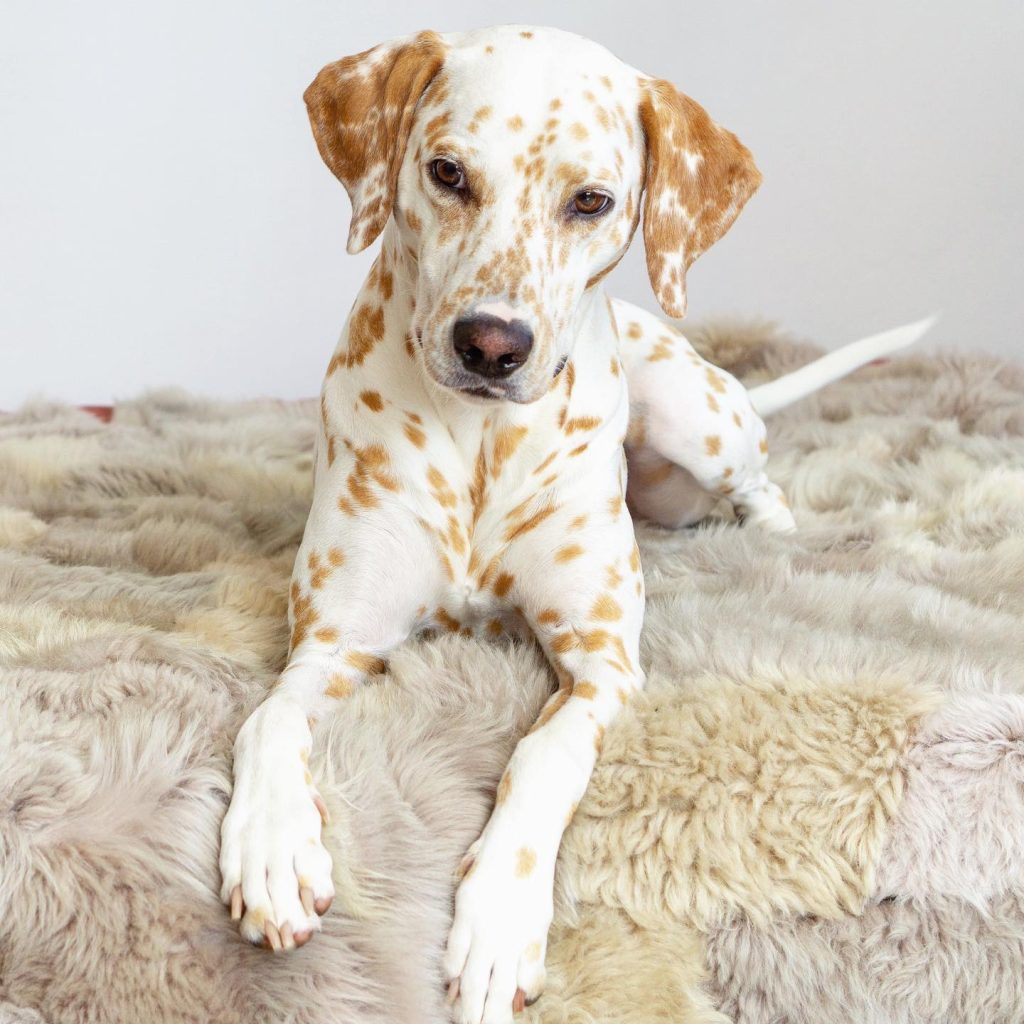
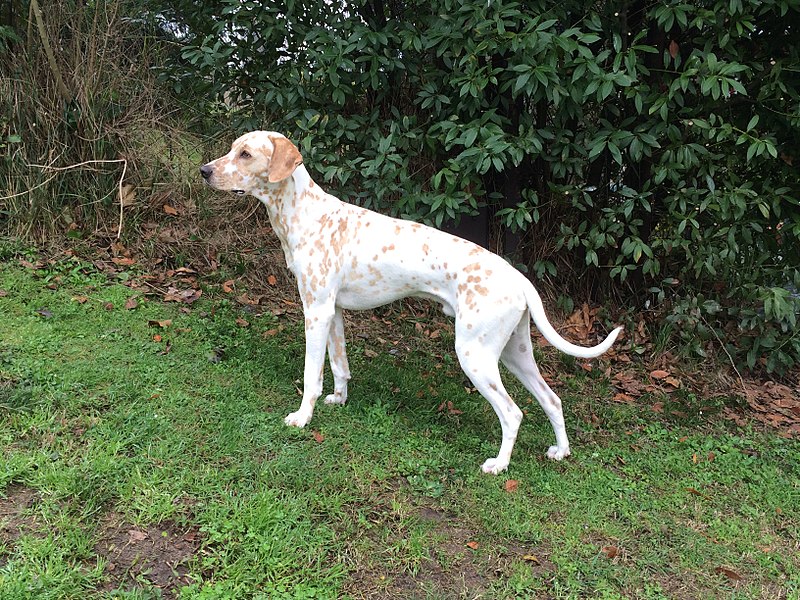
Lemon spot Dalmatian refers to a canine carrying a recessive gene combination that produces pale, orange-yellow spots instead of standard dark pigments.
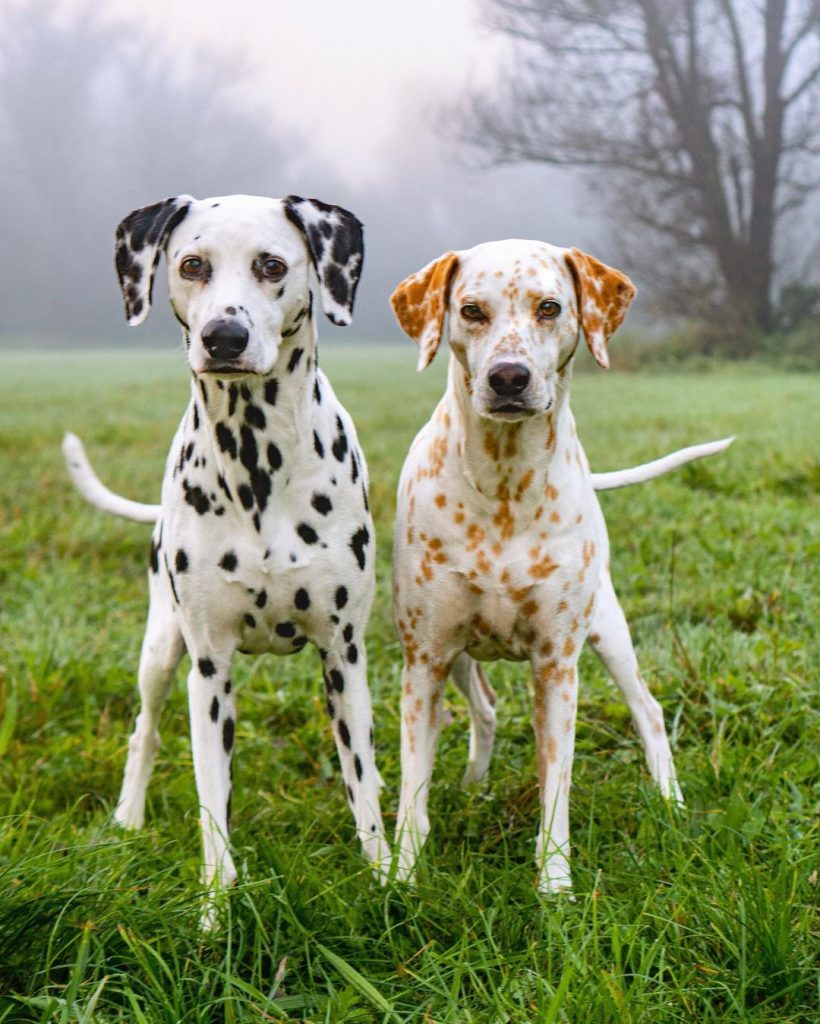
Genetically speaking, the typical Dalmatian coat relies on dominant alleles for black or brown eumelanin production to create the classic spots distributed across a white background. However, the lemon variation occurs when a dog inherits two copies of the recessive ‘e’ gene, commonly known as the extension locus mutation, which prevents the expression of dark pigment in the spots. Consequently, these markings appear as a soft, sandy yellow or pale orange tone, resembling the color of a fresh lemon. In clinical practice, watching one of these distinctive puppies enter the examination room is always a treat, as their dilute pigmentation gives them a remarkably gentle and uncommon appearance compared to their heavily contrasted littermates.
Health, behavioral, and sensory considerations remain identical to standard-colored counterparts despite the unique coat variation.
Apart from the distinctive pigmentation of their fur and skin, lemon spot Dalmatians share the exact same physiological makeup, energetic temperament, and inherent health predispositions as any other member of the breed. Prospective owners must remember that coat color does not alter the breed’s predisposition toward hereditary conditions, such as congenital deafness or uric acid metabolism issues. Routine veterinary oversight is essential for monitoring these specific physiological traits through regular screenings and appropriate dietary management. Furthermore, providing adequate physical exercise and mental enrichment is crucial for channeling the boundless energy typical of Dog Breeds known for their historic carriage dog lineage.
Dalmatian metabolic traits involve a unique uric acid processing system that requires careful dietary management to prevent stone formation. — American Kennel Club
Proper management of a lemon spot Dalmatian involves specialized skin care and balanced nutrition tailored to high-energy dogs.
Managing the health of a pale-spotted canine requires heightened vigilance regarding sun exposure and skin protection. Because the recessive pigmentation often extends to the skin and nose leather, these dogs frequently possess lighter, more sensitive skin that is vulnerable to sunburn and solar dermatitis. Guardians should coordinate closely with veterinary professionals to establish appropriate sun-safety protocols, especially during peak daylight hours. Additionally, maintaining optimal health relies on understanding Dog Nutrition to support their active lifestyles while minimizing urinary tract complications associated with purine processing in the breed.
Best practices for coat maintenance include avoiding harsh chemical shampoos and prioritizing hypoallergenic grooming products.
Routine grooming sessions offer an excellent opportunity to check for skin irregularities, ticks, or early signs of sun damage beneath the pale fur. Utilizing a soft rubber curry brush helps remove loose hairs efficiently while distributing natural skin oils across the coat without causing irritation. Handlers should also incorporate regular dental hygiene and nail trims into the standard grooming routine to ensure comprehensive upkeep. Establishing these habits early in life fosters a positive association with handling, making future veterinary exams and home care routines significantly smoother for both the animal and the caregiver.
Canine skin possesses fewer sweat glands than human skin, making dogs heavily reliant on panting and shade-seeking for thermoregulation. — American Veterinary Medical Association
Pet Care & Wellness Overview Table
| Life Stage | Daily Activity Level | Key Nutrition / Care Focus |
|---|---|---|
| Puppy / Kitten | High (frequent short bursts) | High-protein growth diet & early socialization |
| Adult Companion | Moderate (30–60 mins daily) | Balanced maintenance nutrition & dental hygiene |
| Senior Pets | Low to Gentle (mindful walks) | Joint support (Glucosamine) & routine vet checks |
Images References




Temperament and exercise requirements demand dedicated commitment from active households and experienced handlers.
Dalmatians are renowned for their high stamina, intelligence, and deep loyalty to their human families. Without sufficient daily outlets for their physical and mental energy, these intelligent dogs can develop destructive behaviors or frustration-based anxieties. Engaging in structured activities like obedience training, agility, or long-distance walking helps maintain emotional stability. Integrating insights from Dog Training resources ensures that communication remains clear, positive, and rewarding throughout the dog’s life stages.
When to consult a vet or professional trainer for breed-specific concerns and behavioral guidance.
Professional guidance becomes invaluable whenever an owner notices sudden changes in skin health, behavioral shifts, or signs of discomfort during movement. Veterinary consultation is mandatory for diagnosing suspected hearing impairments, managing urinary tract health, or addressing dermatological sensitivities related to pale pigmentation. Similarly, seeking support from a certified professional behaviorist is recommended if complex behavioral challenges arise that exceed standard household management strategies. Prioritizing expert intervention early safeguards the long-term well-being of the animal.
Embracing the joy of sharing life with a uniquely marked companion through informed and loving stewardship.
Caring for a lemon spot Dalmatian is a deeply rewarding journey that blends aesthetic wonder with standard canine husbandry principles. By staying informed about genetic health factors, proper grooming, and dietary needs, guardians can ensure their companions lead vibrant, healthy lives. Exploring broader topics within Dog Care and Dog Health further empowers owners to provide exceptional stewardship. Ultimately, whether spots are bold black, rich liver, or pale lemon, the profound bond shared with these energetic dogs remains the most treasured aspect of pet ownership at PetsAnimalsWorld.com.




