Understanding the unique appeal and reality of the long hair greyhound in modern households.
According to the American Kennel Club, purebred Greyhounds are globally celebrated for their iconic short, sleek coats, which makes the concept of a long hair greyhound an intriguing variation that often sparks curiosity among dog enthusiasts. When clinic doors open to a hound with unexpected feathering, questions immediately arise regarding ancestry, specific grooming maintenance, and overall physical well-being. Recognizing the distinct traits of these unusual sighthounds allows pet parents to provide tailored husbandry that honors both their athletic heritage and their unique aesthetic differences. Furthermore, stepping into the world of alternative coat variants requires a willingness to look past standard breed stereotypes and embrace the individual needs of an atypical companion.
💡 Pet Care Key Takeaways:
- Core Focus: Practical health, nutrition, and wellness guidelines for Long Hair Greyhound.
- Target Scope: Pet owners, animal caregivers, and veterinary support staff.
- Best Recommendation: Maintain consistent daily routines and consult an accredited veterinarian before introducing major diet or medical changes.
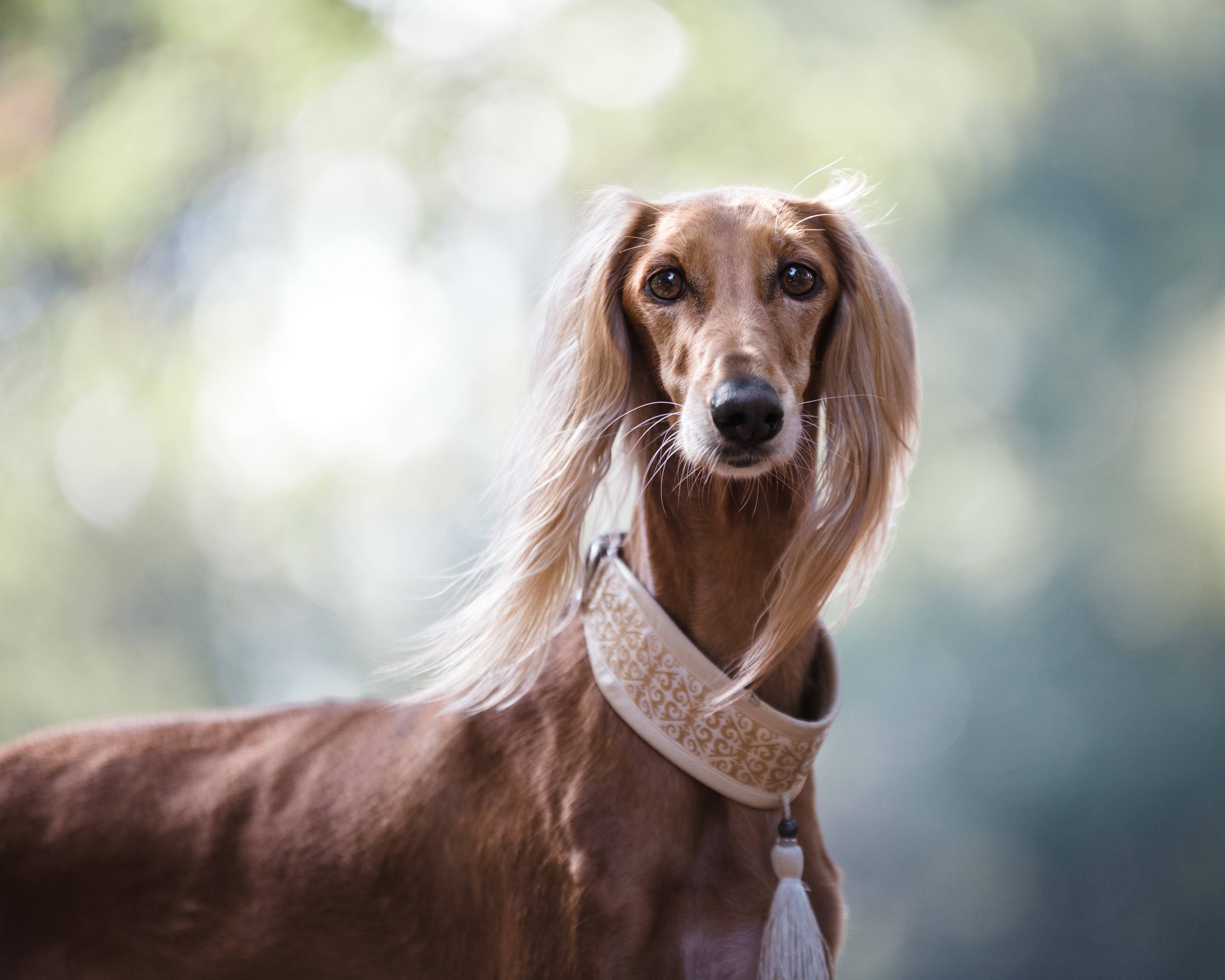
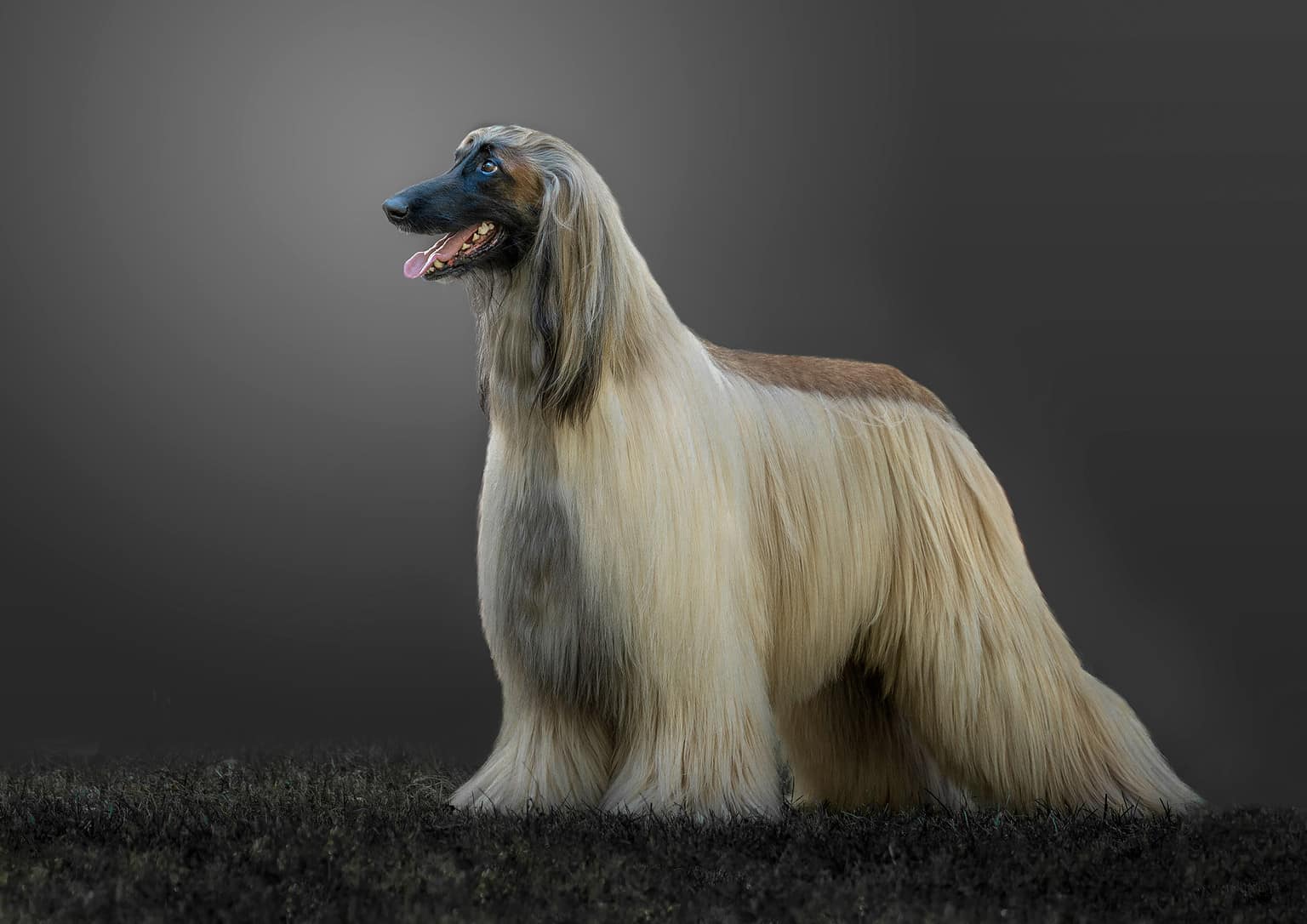
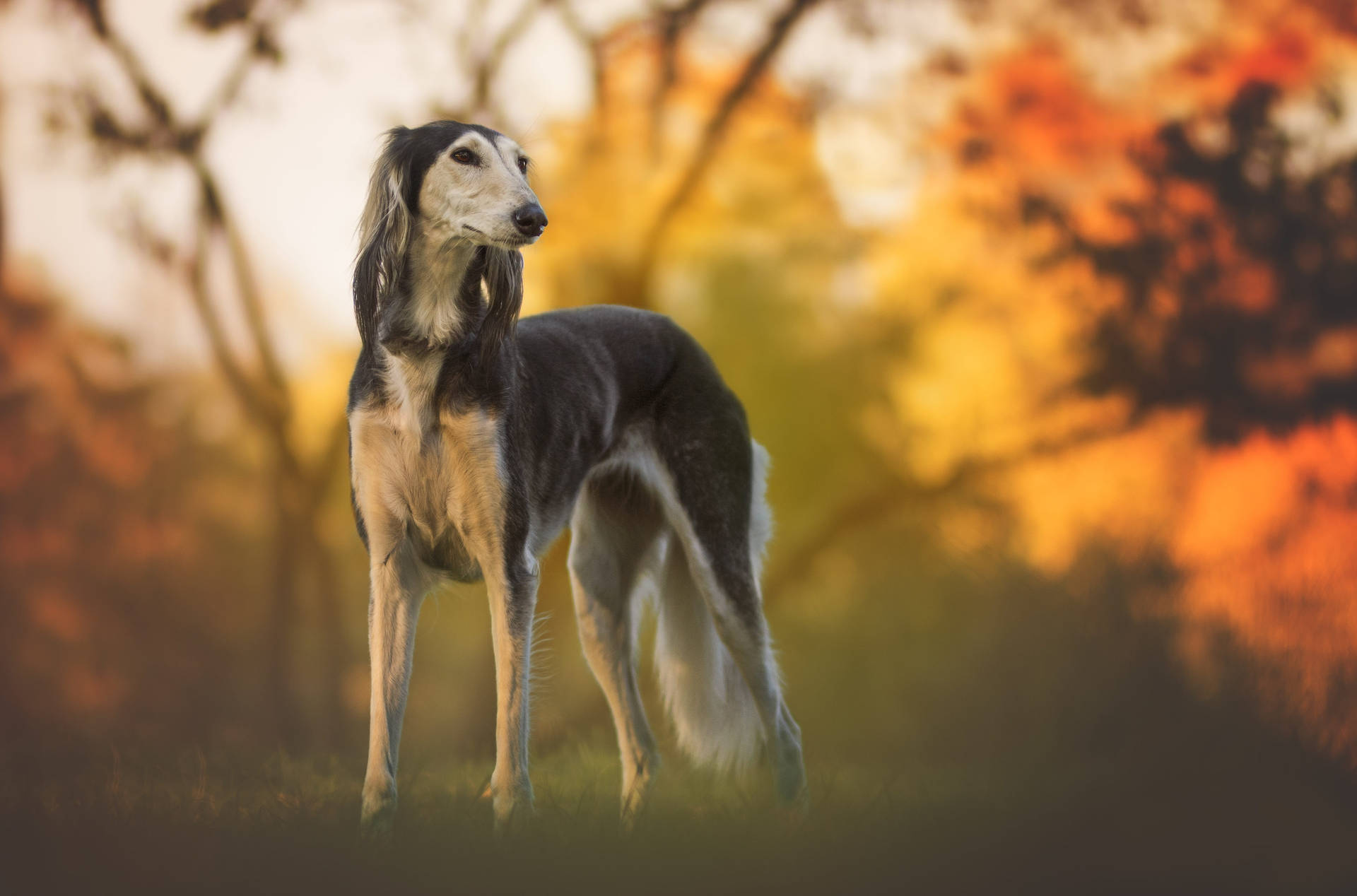
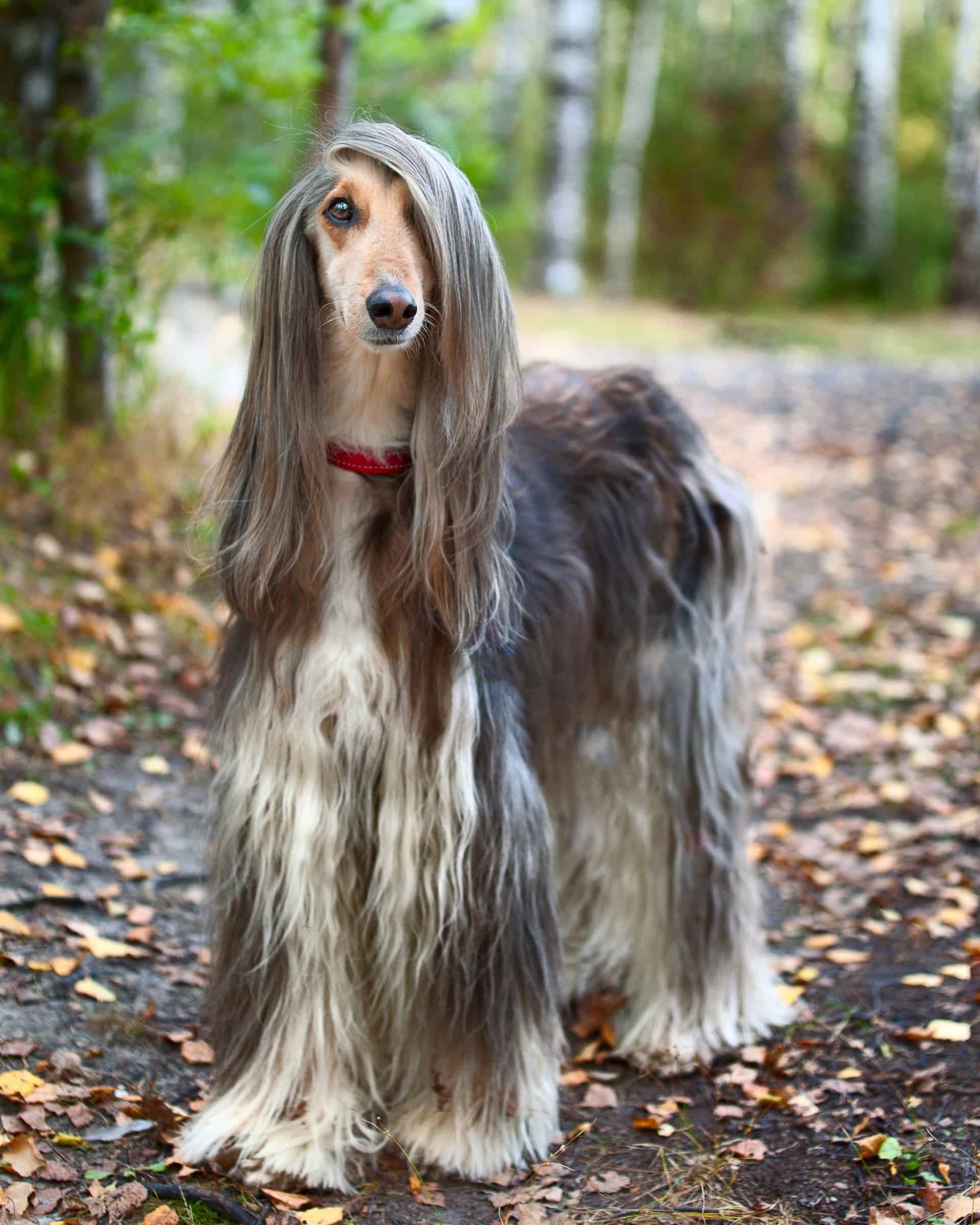
The long hair greyhound is not an officially recognized standalone breed, but rather a rare genetic expression of feathering or a distinct crossbreed lineage.
True sighthound purists understand that the standard Greyhound possesses a short, single-layer coat designed for aerodynamic racing rather than cold-weather endurance. However, a long hair greyhound typically manifests due to recessive long-coat genes popping up unexpectedly in racing lines, or more commonly, through historic outcrosses with breeds like the Borzoi or Saluki. This silky feathering along the tail, ears, and back of the legs transforms the traditional racing silhouette into something exceptionally elegant yet visually distinct from standard Dog Breeds. Understanding this genetic background helps caregivers anticipate specific structural and dermatological needs that differ vastly from their smooth-coated counterparts.
Managing the daily maintenance of a long hair greyhound requires dedicated grooming routines to prevent painful matting and skin irritation.
Proper grooming for a feathered sighthound involves more than just superficial brushing; it requires daily attention to delicate areas prone to tangles, such as the armpits, ears, and tail plume. Because these hounds possess exceptionally thin skin and a lack of insulating body fat, rough-bristled tools can easily cause abrasions or discomfort during routine coat upkeep. Consequently, introducing a soft-slicker brush and a wide-toothed metal comb early in life ensures the animal associates grooming with positive tactile experiences rather than stress. Regular coat checks also provide an ideal opportunity to inspect for external parasites, skin tags, or minor scrapes hiding beneath the longer strands of fur.
Sighthounds possess roughly ten to fifteen percent less body fat than many other common canine breeds, making gentle coat maintenance and thermal regulation essential for their physical comfort. — American Kennel Club
Implementing proactive home care strategies ensures a long hair greyhound remains comfortable, safe, and physically sound year-round.
Creating an ideal living environment for this specific coat type means accounting for natural environmental hazards like burrs, foxtails, and heavy mud accumulation during outdoor excursions. After a brisk run in open fields, inspecting the feathered fringes prevents vegetative debris from embedding into the delicate skin or forming stubborn, tight mats. Additionally, because these dogs lack the heavy undercoat found in northern breeds, they benefit immensely from lightweight canine apparel during cold autumn walks or chilly winter mornings. Balancing freedom of movement with necessary environmental protection keeps the hound’s skin intact and free from moisture-trapping debris.
Avoiding common pitfalls in grooming and safeguarding the delicate skin of a feathered sighthound.
One frequent error made by inexperienced owners is using heavy-handed clipping or shaving techniques without understanding how a sighthound’s coat regulates body temperature and protects against minor scrapes. Shaving a double-coated or feathered sighthound can permanently disrupt the natural growth cycle of the guard hairs and leave the fragile epidermis completely vulnerable to ultraviolet radiation and insect bites. Instead of drastic trimming, regular maintenance with appropriate deshedding tools preserves the protective barrier of the coat while managing seasonal shedding effectively. Patience during daily maintenance sessions ultimately prevents the formation of painful pelts that would otherwise require professional veterinary intervention to remove safely.
Canine skin possesses a slightly different pH balance than human skin, which means routine bathing requires specialized, gentle formulations to prevent severe dryness and flaking. — American Veterinary Medical Association
Temperament, physical dimensions, and sensitivity levels remain remarkably consistent despite the visual difference in coat length.
Beneath the flowing plumes and silky feathering, a long hair greyhound shares the same gentle, sensitive disposition, deep chest cavity, and intense athletic drive as standard smooth Greyhounds. These gentle giants are notoriously quiet indoors, often preferring a soft orthopedic mattress over high-energy commotion, yet they require safe, fenced spaces to stretch their legs at a full gallop. When evaluating overall wellness, veterinarians emphasize that nutritional needs and joint support remain identical to standard sighthound guidelines found within Dog Health resources. Appreciating both their athletic prowess and their gentle emotional depth allows families to build a trusting, lifelong bond.
Knowing when to consult a veterinarian or a certified professional is paramount for addressing unexpected health or behavioral shifts.
While daily coat maintenance is manageable at home, any sudden changes in hair loss, localized skin inflammation, or unexplained lethargy warrant a prompt evaluation by a licensed veterinarian. Furthermore, if coat changes are accompanied by behavioral indicators of chronic stress or reactivity, seeking guidance rooted in positive reinforcement through Dog Training specialists ensures the animal receives comprehensive emotional support. Professional oversight guarantees that underlying endocrine imbalances, allergies, or dermatological conditions are diagnosed accurately rather than misattributed strictly to cosmetic coat variations.
Embracing the unique journey of caring for a distinctive sighthound enriches the human-animal bond in remarkable ways.
Sharing life with such an extraordinary companion offers endless rewards for dedicated pet parents willing to learn the nuances of sighthound ownership. By prioritizing gentle care, proper nutrition, and attentive observation, households can ensure these graceful animals thrive physically and emotionally throughout every life stage. Exploring further educational materials across Dog Care and related topics on PetsAnimalsWorld.com empowers every owner to become a confident, informed advocate for their beloved four-legged family members.
Pet Care & Wellness Overview Table
| Life Stage | Daily Activity Level | Key Nutrition / Care Focus |
|---|---|---|
| Puppy / Kitten | High (frequent short bursts) | High-protein growth diet & early socialization |
| Adult Companion | Moderate (30–60 mins daily) | Balanced maintenance nutrition & dental hygiene |
| Senior Pets | Low to Gentle (mindful walks) | Joint support (Glucosamine) & routine vet checks |
Images References