

Introduction
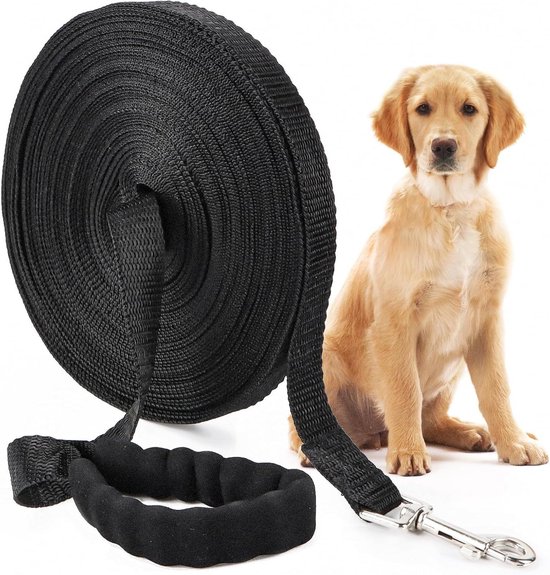
The term “long lead dog” refers to a canine companion being walked, trained, or exercised using a lead that is significantly longer than a standard leash, typically ranging from 10 to 50 feet or even more. This essential piece of equipment serves a vital purpose for many dog owners, offering a controlled way to grant dogs more freedom and opportunity for exploration than a short lead allows, while still maintaining a crucial connection and ensuring safety. Understanding the appropriate use, benefits, and potential challenges associated with long leads is paramount for enhancing a dogs physical well-being, fostering natural behaviors, improving training outcomes, and enriching its overall quality of life within a safe framework. It presents a valuable tool for bridging the gap between restricted leash walks and full off-leash freedom, particularly in areas where off-leash activity is prohibited or unsafe.
💡 Pet Care Key Takeaways:
- Core Focus: Practical health, nutrition, and wellness guidelines for Long Lead Dog.
- Target Scope: Pet owners, animal caregivers, and veterinary support staff.
- Best Recommendation: Maintain consistent daily routines and consult an accredited veterinarian before introducing major diet or medical changes.
Common Causes and Key Factors
The decision to utilize a long lead for a dog stems from various deliberate intentions and environmental considerations. One primary reason involves recall training, allowing a dog to practice coming back when called over greater distances in a controlled environment, ensuring the handler can intervene if necessary. Similarly, long leads are instrumental for controlled exploration and scent work, enabling dogs to engage their natural instincts to sniff and investigate their surroundings more thoroughly, which is vital for mental stimulation and reducing stress. For more related activities, check out our Iaabc Dog Behavior Welfare Enrichment Training Resources.
Another key factor is providing extended freedom in areas without safe off-leash options. Many public parks or trails require dogs to be leashed, yet offer ample space for a long lead to provide a happy medium. For dogs undergoing behavior modification, such as desensitization to specific triggers or building confidence, a long lead offers the necessary distance and control.
The effectiveness and safety of a long lead are also influenced by several factors:
- Lead Length and Material: The chosen length (e.g., 15ft for initial recall, 30ft for wider exploration) and material (e.g., biothane for durability and easy cleaning, nylon for lightweight use) must suit the dog’s size, temperament, and the intended activity.
- Environment: Open, clear spaces such as large fields, quiet beaches, or spacious, fenced yards are ideal. Areas with dense undergrowth, heavy pedestrian traffic, or roads pose significant entanglement and safety risks.
- Dog’s Temperament and Training Level: A dog with strong basic obedience and a calm demeanor will generally adapt to a long lead more easily than a highly reactive or excitable dog that requires more diligent handling.
Signs and Symptoms to Observe
Observing a dog’s behavior while on a long lead offers valuable insights into its comfort level, engagement, and the effectiveness of the chosen environment and equipment. Positive indicators include a relaxed body posture, consistent sniffing and exploration, and a willingness to return to the handler when called or when the lead’s end is gently reached. A dog that is confidently moving away and checking back in demonstrates a healthy balance of freedom and connection.
Conversely, several signs indicate potential challenges or discomfort. Frequent tangling around obstacles or the dog’s legs can signify that the lead is too long for the environment or the handler’s management skills need refinement. Excessive pulling or straining against the lead’s full length suggests a lack of understanding regarding the boundaries or a need for further recall training. A dog that appears overwhelmed, highly reactive to distant stimuli, or displays frustration because it cannot reach certain objects or animals may not be ready for such extended freedom in that specific setting, or the lead’s length might be contributing to its inability to manage arousal. These behaviors can vary based on the dog’s age, breed-specific instincts (e.g., a scent hound’s intense focus on smells), and prior training experiences.
Practical Solutions and Management Strategies
Effective utilization of a long lead requires both thoughtful preparation and skilled handling to maximize benefits and minimize risks.
1. Choosing the Right Equipment:
- Length: Start with a shorter long lead (e.g., 15-20 feet) and gradually increase as handling skills improve and the dog demonstrates reliability.
- Material: Select a material that is durable, comfortable to hold, and easy to clean. Biothane leads are popular for their strength, weather resistance, and ease of grip. Avoid thin, rope-like materials that can cause rope burn.
- Harness Connection: Always attach a long lead to a well-fitting, secure harness rather than a collar to prevent neck injury if the dog reaches the end of the line abruptly.
2. Developing Handler Skills:
- Lead Management: Learn how to coil and uncoil the lead efficiently to manage its length. A “figure-eight” method can prevent tangles. Avoid letting the lead drag extensively on the ground where it can get caught.
- Constant Awareness: Maintain vigilance of the dog’s position, surroundings, and potential hazards (e.g., other people, dogs, cyclists, traffic, sharp objects).
- Gentle Guidance: Use the lead for gentle guidance and communication, not for harsh corrections. Keep the line mostly slack to allow freedom, only taking up slack to prevent an undesirable action or to initiate a recall.
3. Strategic Environmental Selection:
- Begin in open, low-distraction environments with good visibility.
- Avoid areas with dense trees, bushes, or crowded conditions where entanglement or safety issues are high.
- Ensure the area is free from hazards like broken glass, steep drops, or bodies of water if the dog is not a strong swimmer.
4. Training Applications:
- Recall Practice: The long lead is invaluable for teaching and reinforcing a reliable recall. Allow the dog to roam, then call its name, reward immediately upon return, and use the lead only if the dog does not respond, gently reeling it in.
- “Check-In” Behavior: Teach the dog to periodically look back at the handler or return briefly without being called, reinforcing the connection.
- Enrichment: Use the long lead to facilitate “sniffaris” and exploration in a controlled manner, providing mental enrichment.
5. Safety Protocols:
- Never wrap the lead around a hand or body part, as a sudden pull can cause severe injury.
- Be mindful of tripping hazards for both the dog and the handler.
- Always ensure the lead clip is securely fastened to the harness.
When Professional Help May Be Needed
While a long lead is an incredibly useful tool, there are specific circumstances where seeking professional guidance from a certified dog trainer, behaviorist, or veterinary professional becomes advisable. If a dog consistently exhibits extreme reactivity or aggression towards other dogs or people even at a distance when on a long lead, specialized intervention is crucial. A professional can help identify triggers, implement appropriate counter-conditioning, and guide the handler in managing these complex behaviors safely.
Challenges with lead handling that consistently lead to safety concerns for the dog, the handler, or others (e.g., frequent tangling resulting in falls, uncontrolled pulling causing injury) also warrant expert assistance. A trainer can provide hands-on instruction in advanced lead management techniques and help develop a safer walking protocol. Furthermore, if a dog develops physical discomfort or injury that might be attributed to abrupt stops or pulls on the long lead, a veterinary consultation is essential to rule out musculoskeletal issues and to ensure proper recovery and future management. For advanced training goals or persistent behavioral issues that seem insurmountable with standard approaches, professional input ensures the dog’s well-being and enhances the human-canine bond through effective, humane methods.
Conclusion
The “long lead dog” experience, when approached with knowledge and responsibility, offers a remarkable way to enrich a dog’s life, providing a valuable balance between freedom and safety. Understanding the nuances of long lead usagefrom selecting the appropriate equipment and environments to mastering handling techniques and recognizing behavioral cuesis crucial for maximizing its benefits. This tool serves as an excellent bridge for fostering recall, encouraging natural exploration, and building confidence in various settings. By embracing careful observation, consistent training, and proactive management strategies, dog owners can significantly enhance their companion’s physical and mental well-being. Prioritizing safety and considering professional advice when necessary ensures that the long lead remains a positive and enriching element in the journey of responsible dog ownership.
Pet Care & Wellness Overview Table
| Life Stage | Daily Activity Level | Key Nutrition / Care Focus |
|---|---|---|
| Puppy / Kitten | High (frequent short bursts) | High-protein growth diet & early socialization |
| Adult Companion | Moderate (30–60 mins daily) | Balanced maintenance nutrition & dental hygiene |
| Senior Pets | Low to Gentle (mindful walks) | Joint support (Glucosamine) & routine vet checks |
Images References





For more expert pet care tips and advice, check out our dedicated Dog Training guides to keep your companions healthy and happy.




