

Introduction
As cherished canine companions enter their senior years, their nutritional needs often undergo significant changes. A critical aspect of supporting their health during this life stage involves careful consideration of their diet, particularly the caloric content. “Low calorie dog food for senior dogs” refers to specially formulated diets designed to provide complete nutrition while delivering fewer calories per serving. This nutritional adjustment becomes paramount as a dog’s metabolism naturally slows and activity levels typically decrease with age. Without this adaptation, older dogs are at a heightened risk of weight gain and obesity, which can exacerbate existing health conditions like arthritis, diabetes, and heart disease, or lead to new ones. Understanding the implications of an appropriate low-calorie diet for an aging dog is fundamental to promoting their mobility, comfort, and overall longevity, ultimately enhancing their quality of life.
💡 Pet Care Key Takeaways:
- Core Focus: Practical health, nutrition, and wellness guidelines for Low Calorie Dog Food For Senior Dogs.
- Target Scope: Pet owners, animal caregivers, and veterinary support staff.
- Best Recommendation: Maintain consistent daily routines and consult an accredited veterinarian before introducing major diet or medical changes.
Common Causes and Key Factors
The necessity for low-calorie dog food in senior canines stems from several physiological and lifestyle changes inherent to the aging process. The primary factor is a noticeable reduction in metabolic rate. As dogs age, their bodies burn fewer calories at rest, meaning the energy they required as younger adults often becomes excessive. For more related activities, check out our Tibetan Mastiff Food Aggression.
Concurrent with this metabolic shift is a common decrease in physical activity. Senior dogs typically engage in less vigorous play, shorter walks, and more restful periods throughout the day. This reduced energy expenditure means fewer calories are burned, making the caloric density of their food a crucial consideration.
Furthermore, many older dogs develop age-related health conditions such as osteoarthritis, which can cause pain and further limit their willingness or ability to move. This diminished mobility creates a cycle where less movement leads to more weight gain, which then puts additional strain on painful joints.
Some breeds are genetically predisposed to weight gain, and these tendencies can become more pronounced in their senior years. Hormonal changes, though less common than metabolic and activity shifts, can also play a role in how a senior dog’s body stores and utilizes fat. Without a diet specifically tailored to these senior-specific needs, maintaining an ideal body weight becomes a considerable challenge.
Signs and Symptoms to Observe
Recognizing the signs that a senior dog may benefit from a low-calorie diet is crucial for proactive health management. The most direct indicator is observable weight gain. This manifests as a loss of the dogs waistline, difficulty in feeling the ribs without pressing firmly, and the presence of fat deposits over the hips and base of the tail. A dogs body condition score (BCS) can also indicate changes, moving from an ideal score to overweight or obese.
Beyond visual cues, changes in mobility and energy levels are significant. An older dog might show reluctance to jump onto furniture, climb stairs, or engage in previously enjoyed activities like extended walks or play. Stiffness, especially after resting, and difficulty getting up from a lying position are also common.
Increased lethargy, characterized by more frequent or longer periods of sleep and a general decrease in enthusiasm, can also be a symptom. In some instances, senior dogs carrying excess weight may exhibit labored breathing, even after minimal exertion, indicating strain on their cardiovascular system. A less obvious sign might be a dog struggling to groom itself effectively, particularly around the hindquarters, due to decreased flexibility or the sheer bulk of excess weight. Observing these changes allows owners to address dietary needs before more severe health complications arise.
Practical Solutions and Management Strategies
Implementing a low-calorie diet for a senior dog requires a thoughtful and gradual approach to ensure success and promote optimal health. The first practical step involves transitioning to a dog food specifically formulated for senior dogs or weight management. These foods are typically lower in fat and calories, while often containing higher fiber to promote satiety and essential nutrients like L-carnitine to aid in fat metabolism. Many also include joint-supporting ingredients such as glucosamine and chondroitin, which are beneficial for aging joints.
Careful attention to portion control is paramount. It is vital to follow the feeding guidelines provided by the chosen low-calorie food, basing portions on the dogs ideal healthy weight rather than their current weight. Utilizing a precise measuring cup for each meal helps prevent overfeeding. Consistency in feeding times also supports a dogs digestive health.
Management of treats is another key strategy. High-calorie treats should be replaced with healthier, low-calorie alternatives, or small pieces of their regular kibble can be used as rewards. Incorporating regular, gentle exercise, such as shorter, more frequent walks or low-impact activities like swimming, helps burn calories and maintain muscle mass without overstressing aging joints.
Ensuring constant access to fresh water is also crucial, as proper hydration supports overall metabolic function. Regular weight monitoring at home, preferably weekly or bi-weekly, allows for adjustments to the diet as needed, ensuring the dog is safely progressing towards or maintaining their ideal body weight. These combined strategies create a comprehensive approach to managing a senior dog’s weight and enhancing their well-being.
When Professional Help May Be Needed
While many aspects of a senior dog’s diet can be managed at home, certain situations warrant immediate professional veterinary consultation. Any sudden or unexplained weight loss or gain, particularly if it occurs rapidly, should prompt a veterinary visit, as it could signal underlying medical conditions such as thyroid disorders, metabolic diseases, or even certain cancers.
If a senior dog is struggling to lose weight despite consistent efforts with a low-calorie diet and increased appropriate exercise, veterinary intervention is essential. A veterinarian can conduct a thorough examination, perform diagnostic tests, and help determine the ideal target weight for the dog. They can also formulate a precise, customized weight loss plan, including specific caloric recommendations and medical oversight, especially for dogs with pre-existing conditions like diabetes or heart disease.
Additionally, any new or worsening mobility issues, changes in appetite that are not related to diet adjustments, or significant behavioral shifts should be evaluated by a veterinarian. These signs could indicate pain, discomfort, or other health problems that require professional diagnosis and treatment. Working in partnership with a veterinary professional ensures that a senior dog receives the most appropriate and effective care for their unique health needs.
Conclusion
The journey through a dog’s senior years is a special one, and providing tailored nutritional support is a cornerstone of their ongoing health and happiness. The careful selection of low-calorie dog food for senior dogs directly addresses the metabolic slowdown and decreased activity levels that commonly accompany aging, playing a pivotal role in preventing obesity and mitigating its associated health risks. Prioritizing this dietary adjustment helps to maintain optimal body condition, supports joint health, and contributes significantly to a senior dog’s mobility and comfort. Owners who remain observant of their dog’s physical changes and energy levels, make informed dietary choices, and engage in appropriate, gentle exercise regimens empower their companions to thrive in their golden years. A proactive and collaborative approach with veterinary professionals further ensures that every senior dog receives the personalized care necessary for a fulfilling and vibrant life.
Pet Care & Wellness Overview Table
| Life Stage | Daily Activity Level | Key Nutrition / Care Focus |
|---|---|---|
| Puppy / Kitten | High (frequent short bursts) | High-protein growth diet & early socialization |
| Adult Companion | Moderate (30–60 mins daily) | Balanced maintenance nutrition & dental hygiene |
| Senior Pets | Low to Gentle (mindful walks) | Joint support (Glucosamine) & routine vet checks |
Images References


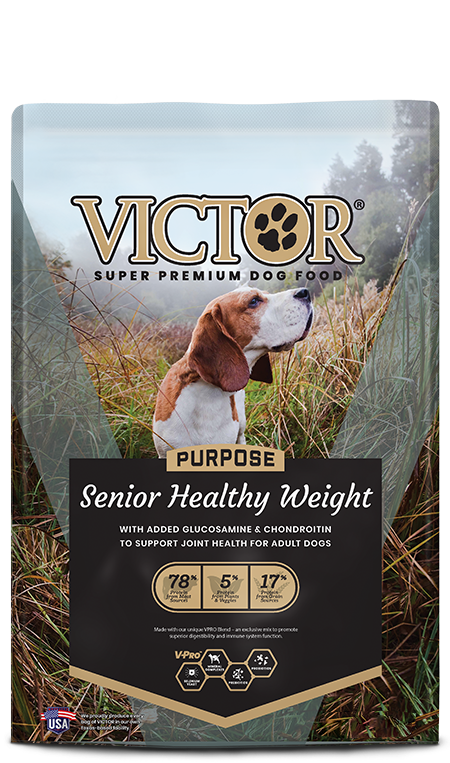




For more expert pet care tips and advice, check out our dedicated Dog Nutrition guides to keep your companions healthy and happy.




