
Introduction
Understanding specialized dietary needs is paramount for maintaining a dog’s health, particularly when managing chronic conditions. The term “low protein dog food for kidney disease” refers to a specific type of diet formulated to support dogs diagnosed with compromised kidney function, often known as chronic kidney disease (CKD). This nutritional approach involves carefully adjusting the levels and types of protein, along with other essential nutrients, to reduce the workload on the kidneys and slow the progression of the disease. While kidney issues can affect dogs of any age, they are more commonly observed in older animals. Recognizing the significance of a tailored diet can profoundly improve a dogs well-being, extend their lifespan, and enhance their overall quality of life by mitigating symptoms and supporting vital organ function.
💡 Pet Care Key Takeaways:
- Core Focus: Practical health, nutrition, and wellness guidelines for Low Protein Dog Food For Kidney Disease.
- Target Scope: Pet owners, animal caregivers, and veterinary support staff.
- Best Recommendation: Maintain consistent daily routines and consult an accredited veterinarian before introducing major diet or medical changes.
Common Causes and Key Factors
Kidney disease in dogs, primarily chronic kidney disease (CKD), is a progressive condition characterized by the gradual loss of kidney function. The kidneys play a crucial role in filtering waste products from the blood, maintaining electrolyte balance, and producing hormones. When their function declines, toxins build up in the body, leading to various health issues. For more related activities, check out our Home Remedy For Dog With Struvite Crystals.
Several factors contribute to the development of kidney disease. Age is a significant factor, as kidney function naturally diminishes over time. Genetic predispositions are also recognized in certain breeds, making them more susceptible to kidney ailments; examples include specific lines of Bull Terriers, Samoyeds, and Cocker Spaniels. Other causes can include infections, exposure to toxins (such as certain medications or antifreeze), dental disease leading to bacterial spread, and underlying health conditions like high blood pressure (hypertension) or hypercalcemia (elevated calcium levels).
The rationale behind a low protein dog food for kidney disease stems from the understanding of how protein is metabolized. When protein is digested, it produces waste products like urea, which healthy kidneys efficiently filter out. In dogs with kidney disease, this filtration process is impaired. By reducing the amount of protein in the diet, particularly poor-quality protein, the aim is to decrease the production of these waste products, thereby lessening the burden on the compromised kidneys and potentially slowing the disease’s progression while minimizing the accumulation of harmful toxins.
Signs and Symptoms to Observe
Detecting kidney disease in its early stages can be challenging, as the signs are often subtle and can mimic other conditions. However, vigilance for specific changes in a dog’s behavior and physical state is crucial. As kidney function declines, various observable signs may emerge.
One of the most common early indicators is an increase in thirst (polydipsia) and, consequently, an increase in urination (polyuria). Dogs with kidney disease may also exhibit a decreased appetite, leading to noticeable weight loss over time. Lethargy and a general reduction in activity levels are also frequently observed. Other symptoms include vomiting, diarrhea, and a noticeable change in the quality of the dogs coat, which may appear dull or unkempt. Bad breath (halitosis) resulting from the buildup of uremic toxins and the presence of mouth ulcers can also signify advanced kidney disease. The severity and manifestation of these signs can vary depending on the stage of the disease, the dog’s age, and individual physiological responses.
Practical Solutions and Management Strategies
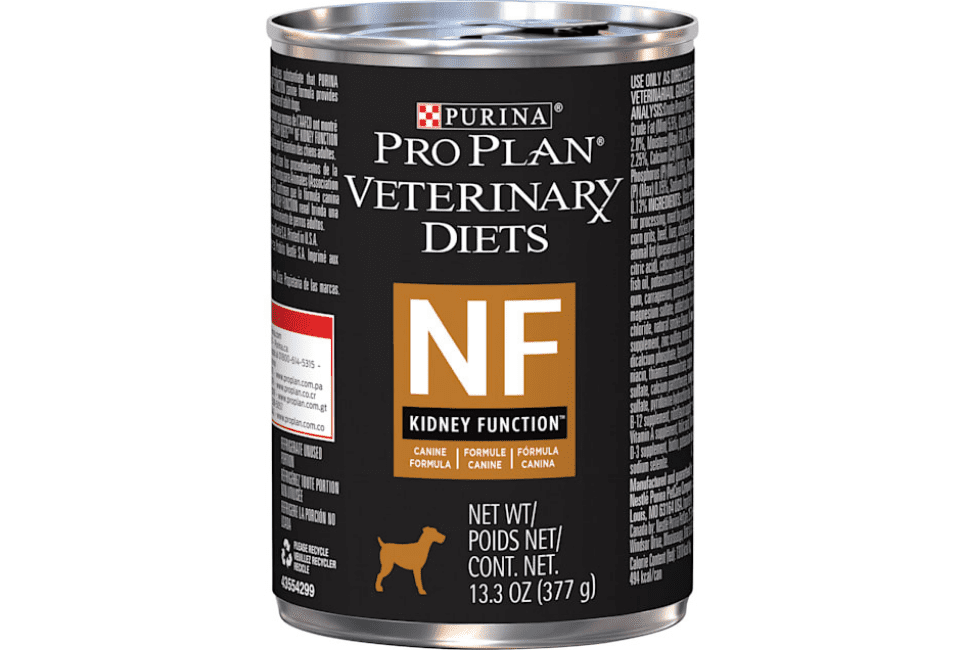
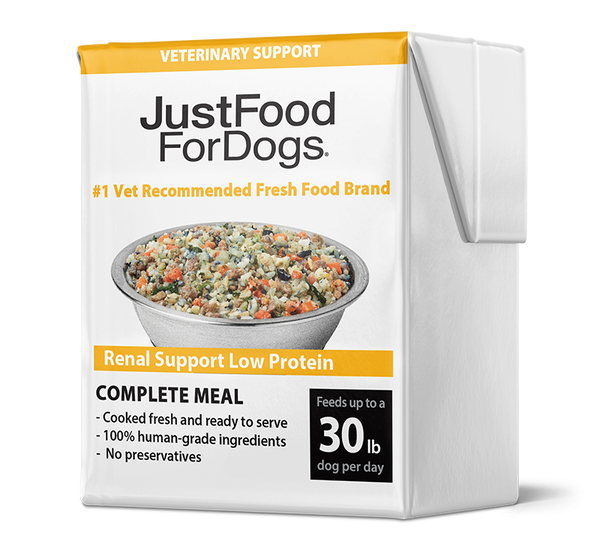
Managing kidney disease in dogs primarily revolves around dietary adjustments, with “low protein dog food for kidney disease” being a cornerstone of this strategy. The goal of these specialized diets is to support kidney function, minimize the buildup of toxins, and maintain overall health.
Dietary Management: The most impactful intervention involves transitioning to a veterinary-prescribed renal diet. These diets are specifically formulated to have:
- Controlled Protein Levels: Not “no protein,” but carefully reduced, high-quality protein to minimize nitrogenous waste products while ensuring essential amino acids are met.
- Phosphorus Restriction: Phosphorus is a mineral that accumulates in the blood when kidneys are failing, contributing to further kidney damage and other health issues. Renal diets significantly restrict phosphorus.
- Omega-3 Fatty Acids: Often supplemented to help reduce inflammation and potentially slow disease progression.
- Controlled Sodium: To help manage blood pressure and reduce fluid retention.
- Increased Antioxidants: To combat oxidative stress on the kidneys.
- Adequate Hydration: Many renal diets are available in wet food formulations to encourage water intake, which is vital for kidney health.
It is crucial to avoid feeding high-protein treats, table scraps, or other non-renal specific foods, as these can counteract the benefits of the specialized diet. Consistent feeding schedules and appropriate portion sizes are also important for managing nutrient intake and body weight.
Hydration: Ensuring constant access to fresh water is paramount. Introducing water fountains or adding water to meals can encourage increased fluid consumption.
Monitoring: Regular veterinary check-ups, including blood and urine tests, are essential to monitor kidney function, electrolyte balance, and the dog’s overall response to the dietary changes. This allows for timely adjustments to the management plan.
When Professional Help May Be Needed
The diagnosis and ongoing management of kidney disease in dogs unequivocally require professional veterinary intervention. Kidney disease is a complex condition that necessitates expert assessment and a tailored treatment plan. Self-diagnosing or attempting to manage the condition without professional guidance can have severe and detrimental consequences for a dog’s health.
A veterinarian is crucial for several reasons. Firstly, they can accurately diagnose kidney disease through a combination of blood tests (creatinine, BUN, phosphorus levels), urine analysis (urine specific gravity, protein-creatinine ratio), and sometimes imaging. Secondly, a veterinarian will recommend the appropriate “low protein dog food for kidney disease,” often a prescription diet specifically formulated for renal support. These diets are not available over-the-counter and require a veterinary prescription due to their specific nutritional profiles designed to manage the disease effectively.
Veterinary consultations are also essential for monitoring the progression of the disease, adjusting dietary plans or medications as needed, and addressing any secondary complications that may arise. When a dog exhibits any of the signs associated with kidney disease, such as increased thirst, changes in urination, decreased appetite, or lethargy, seeking prompt veterinary care is the most responsible course of action to ensure the best possible outcome for the dog.
Conclusion
The diligent management of kidney disease in dogs hinges significantly on understanding and implementing appropriate dietary strategies, with low protein dog food for kidney disease serving as a critical component. This specialized nutritional approach helps to alleviate the burden on compromised kidneys, reducing the accumulation of harmful toxins and potentially slowing the disease’s progression. Awareness of the common causes, vigilant observation of subtle signs and symptoms, and the swift adoption of practical solutions are vital for pet owners. Ultimately, the partnership with a trusted veterinarian for accurate diagnosis, personalized dietary recommendations, and ongoing monitoring is indispensable. Through informed choices and consistent care, the quality of life for dogs facing kidney disease can be significantly enhanced, allowing them to enjoy their golden years with greater comfort and vitality.
Pet Care & Wellness Overview Table
| Life Stage | Daily Activity Level | Key Nutrition / Care Focus |
|---|---|---|
| Puppy / Kitten | High (frequent short bursts) | High-protein growth diet & early socialization |
| Adult Companion | Moderate (30–60 mins daily) | Balanced maintenance nutrition & dental hygiene |
| Senior Pets | Low to Gentle (mindful walks) | Joint support (Glucosamine) & routine vet checks |
Images References


For more expert pet care tips and advice, check out our dedicated Dog Health guides to keep your companions healthy and happy.




